Dog Breeds for Gulf Heat: What Copes in Kuwait, Dubai and Riyadh
Which dogs live well in Gulf heat? Breeds that cope, breeds that cannot, how to keep a dog cool indoors and the safe hours for summer walks.
By Pets Bazar Editorial Team, Editors · Published · Updated · 5 min read
A dog can live well in Kuwait, Dubai or Riyadh, but the breed matters more there than almost anywhere else. Summer air temperatures in the Gulf often pass 45°C, the coast adds heavy humidity in late summer, and pavements and sand get far hotter than the air. The dogs that cope best are lean, short-coated and medium-sized, with a long muzzle. The dogs that struggle most have thick double coats or flat faces.
This guide is for Gulf owners choosing a breed. It does not give prices. For a wider look at breeds in a hot South Asian climate, read our best dog breeds for Pakistan.
What helps a dog cope with heat
Dogs barely sweat. They cool down mainly by panting, so anything that makes panting harder or holds heat in the body puts a dog at risk.
- Muzzle. A long nose cools the air a dog breathes. Flat-faced breeds have narrow airways and overheat fast.
- Coat. A thin, short coat lets heat escape. A thick double coat traps it.
- Size and build. Lean, long-legged dogs lose heat more easily than heavy, deep-chested ones. Giant breeds struggle most.
- Colour. A black coat soaks up sun. That matters less indoors, but it matters on every walk.
- Weight and fitness. An overweight dog of any breed copes badly. Keep your dog slim.
Breeds that live well in Gulf heat
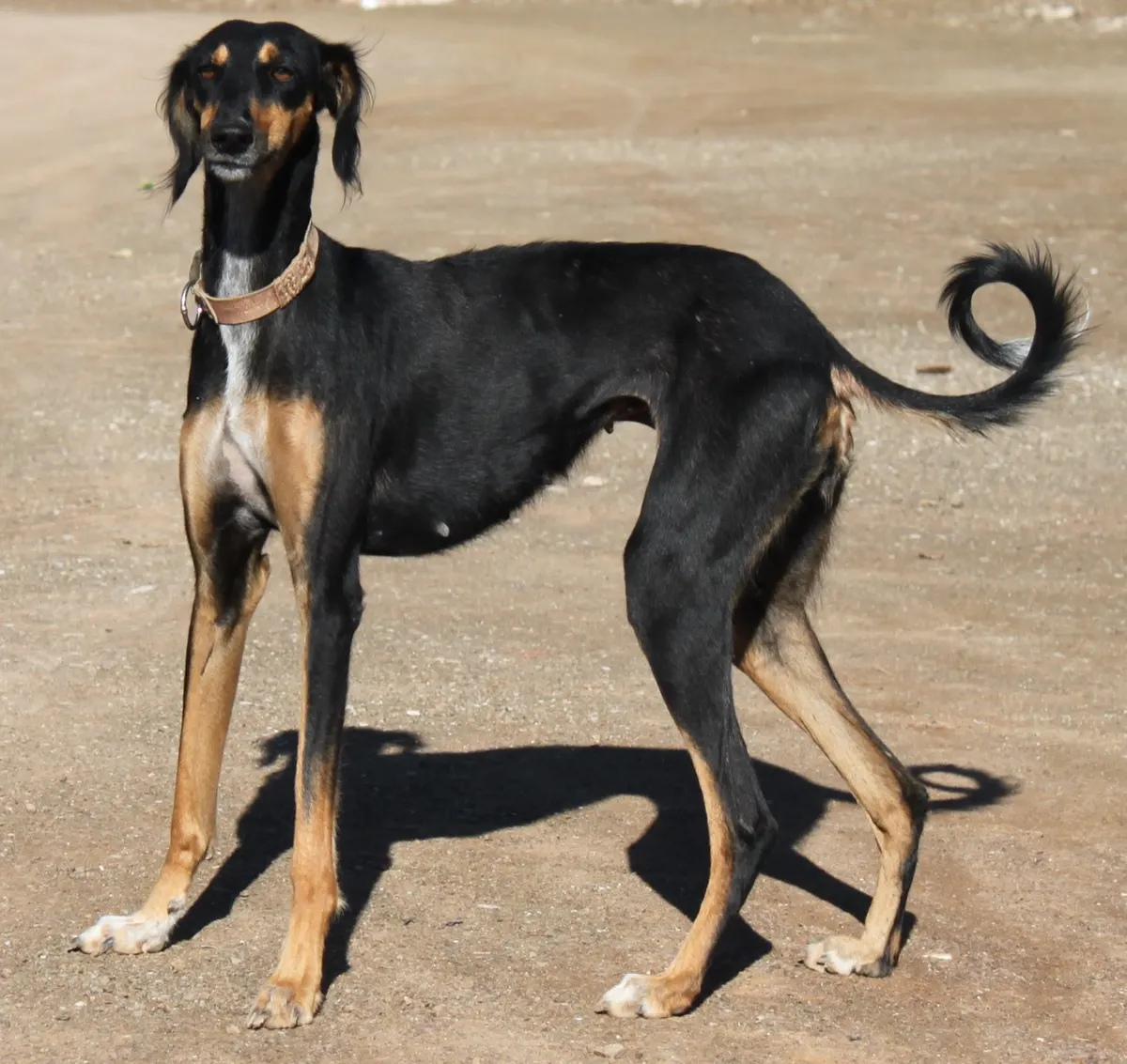
Saluki. The Saluki has been kept across the Arabian Peninsula for centuries and is still prized in the Gulf. It is lean and fast, with a fine coat. It is gentle at home but has a strong urge to chase, so it needs a secure fence and a lead outdoors.
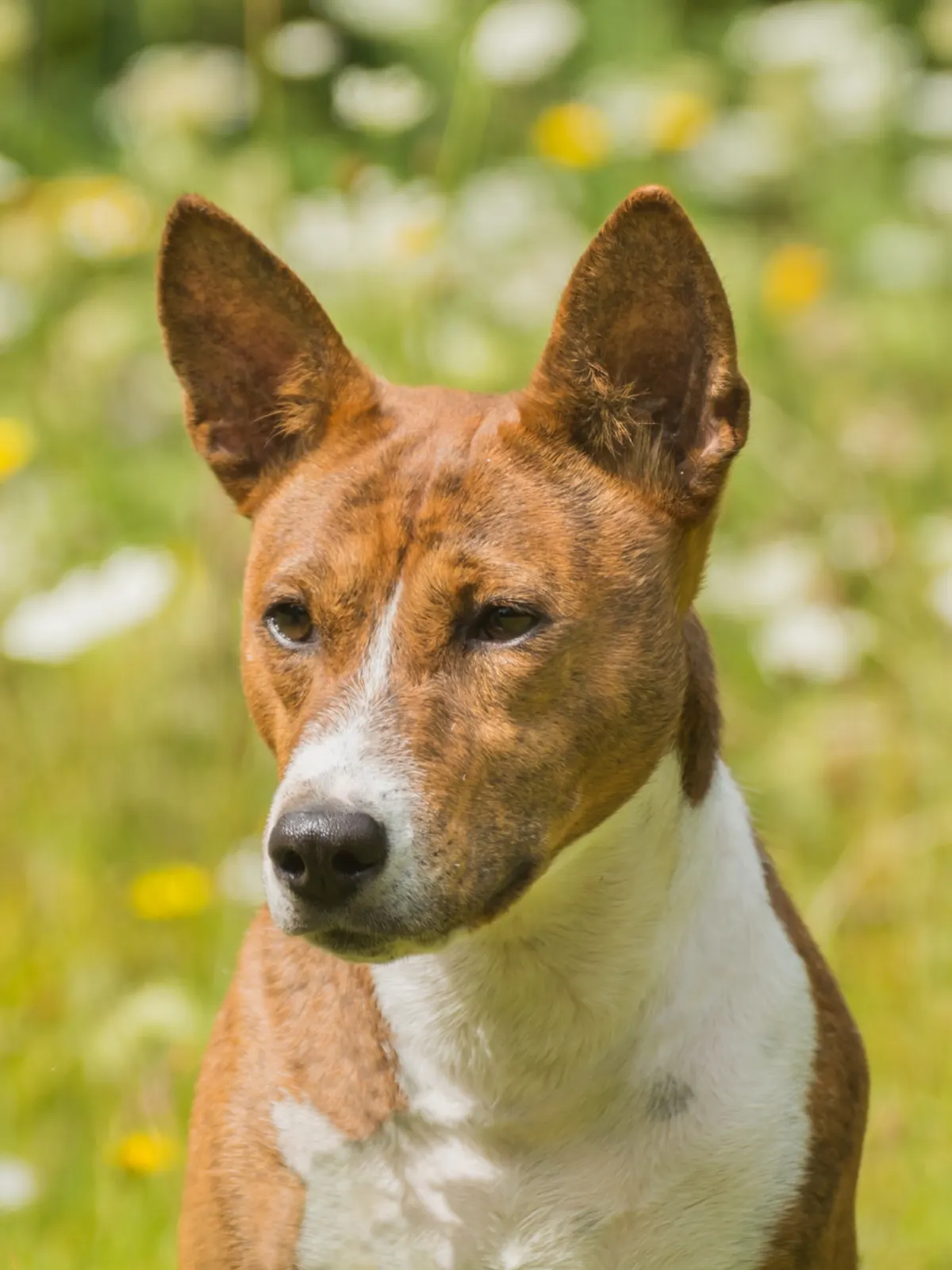
Basenji and Pharaoh Hound. Both are short-coated, light-boned hunting dogs, the Basenji from Central Africa and the Pharaoh Hound from Malta. They are clean and quiet but independent, and they need daily exercise and patient training.
Labrador and Doberman. Neither is a desert breed, yet both are common in Gulf homes and do well with air conditioning and sensible walks. A Labrador gains weight easily, so measure its food. A Doberman's short coat sheds heat well.
Small, short-coated dogs. A Chihuahua, a Miniature Pinscher or a Jack Russell suits flat life. Small dogs heat up quickly on hot ground, though, so they still need cool floors and short summer walks.
Mixed-breed rescues. Many local mixed breeds born in the Gulf are lean and short-coated. Adopting one is a good choice for a first dog.
Breeds that genuinely cannot cope
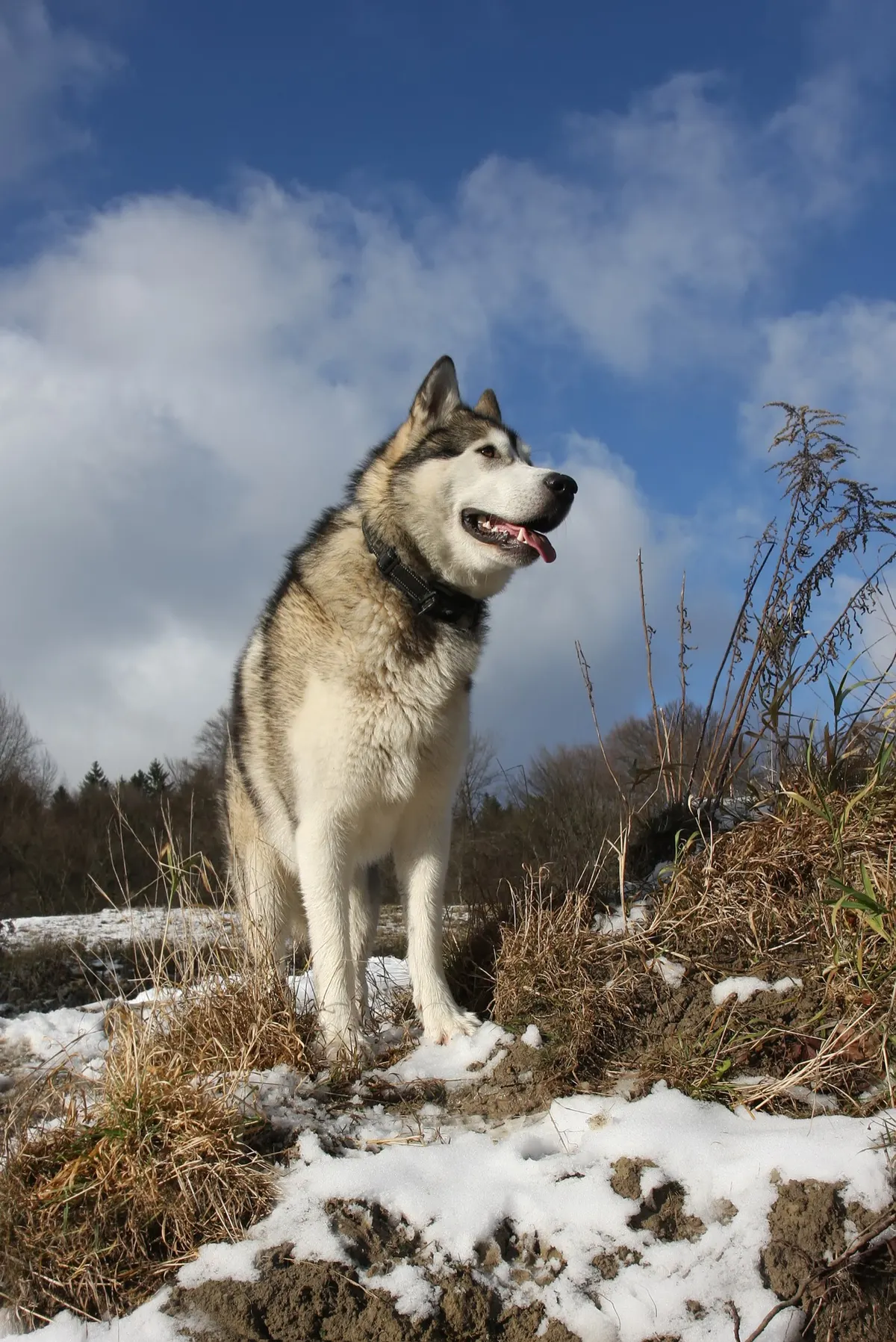
Husky and Alaskan Malamute. These are snow dogs. In the Gulf they must live in air conditioning almost all summer. Never shave them: the coat also shields the skin from sun.
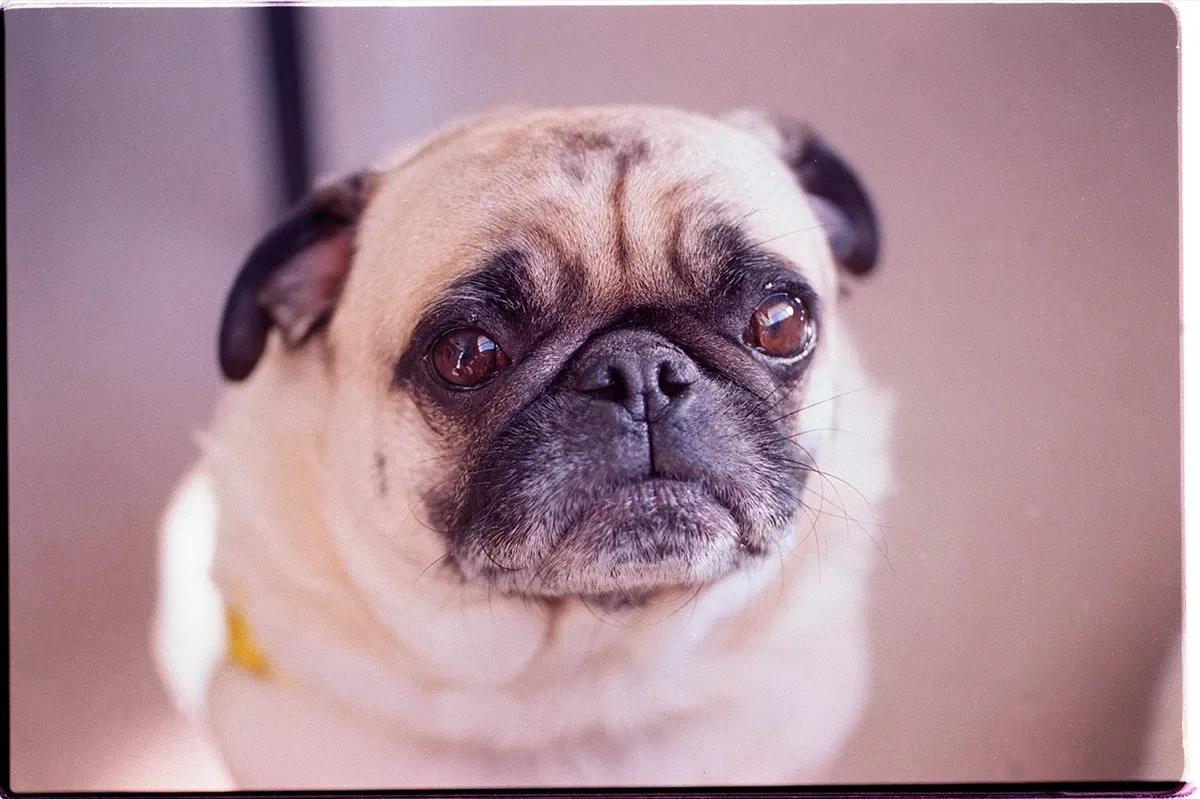
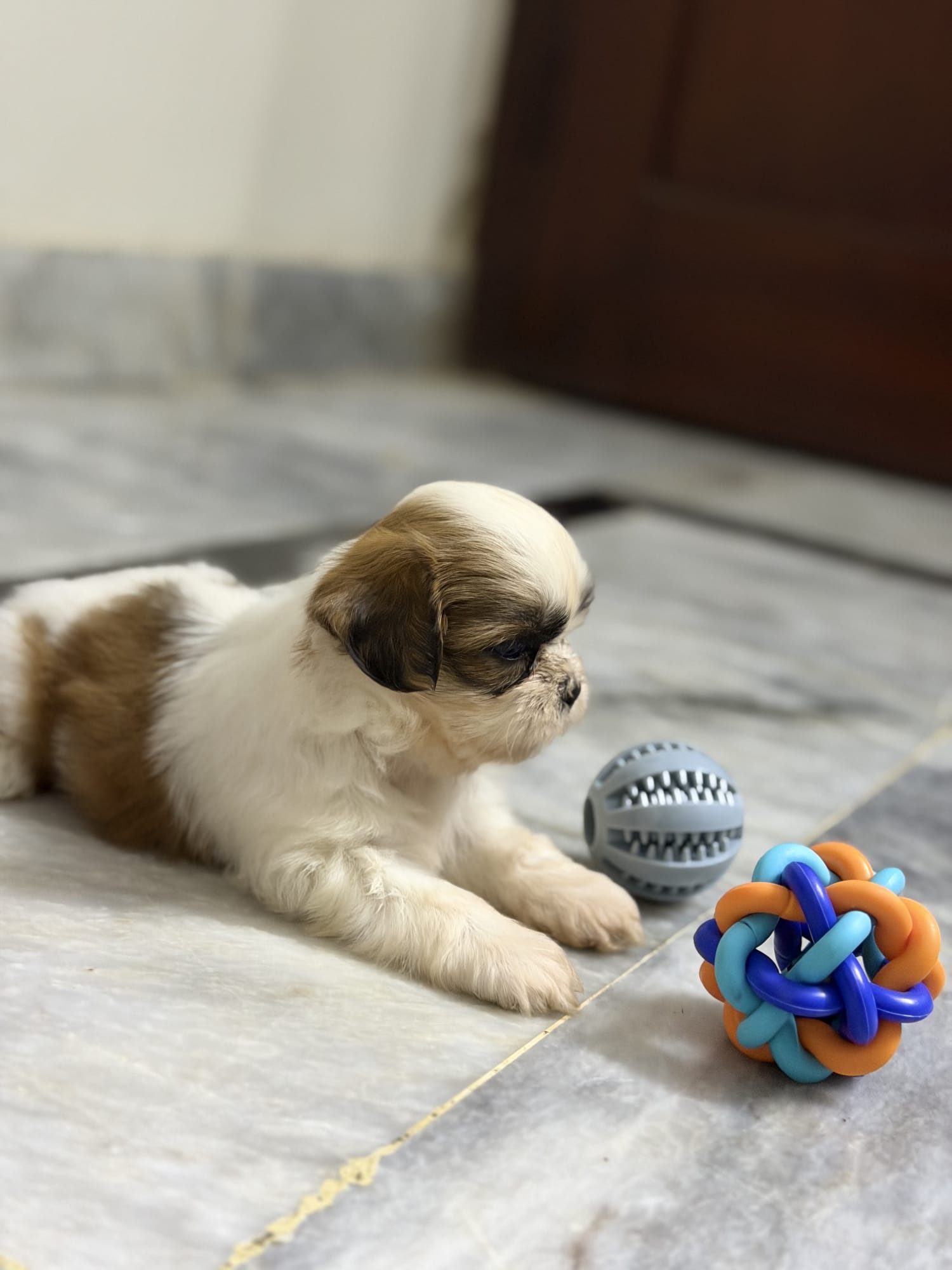
Flat-faced breeds. The Pug, the French Bulldog, the English Bulldog and the Shih Tzu breathe through narrow airways. Heat stroke can come on in minutes, even on a short walk.
Giant and heavy-coated breeds. The Saint Bernard, the Newfoundland, the Chow Chow and the Tibetan Mastiff carry too much coat and body for this climate.
If you already own one of these dogs, it can live safely with you. It simply needs a cool home all summer and very careful exercise.
Gulf breeds compared
| Breed | Coat | Muzzle | Copes with heat |
|---|---|---|---|
| Saluki | Short and fine | Long | Well |
| Basenji | Very short | Medium | Well |
| Doberman | Short | Long | Well with care |
| Labrador | Short, dense | Long | With care |
| Jack Russell | Short | Medium | With care |
| Siberian Husky | Thick double | Long | Poorly |
| Pug | Short | Flat | Very poorly |
| French Bulldog | Short | Flat | Very poorly |
"Copes with heat" assumes a dog that lives indoors with air conditioning. No breed is safe left outside in a Gulf summer.
Indoor living and summer walks
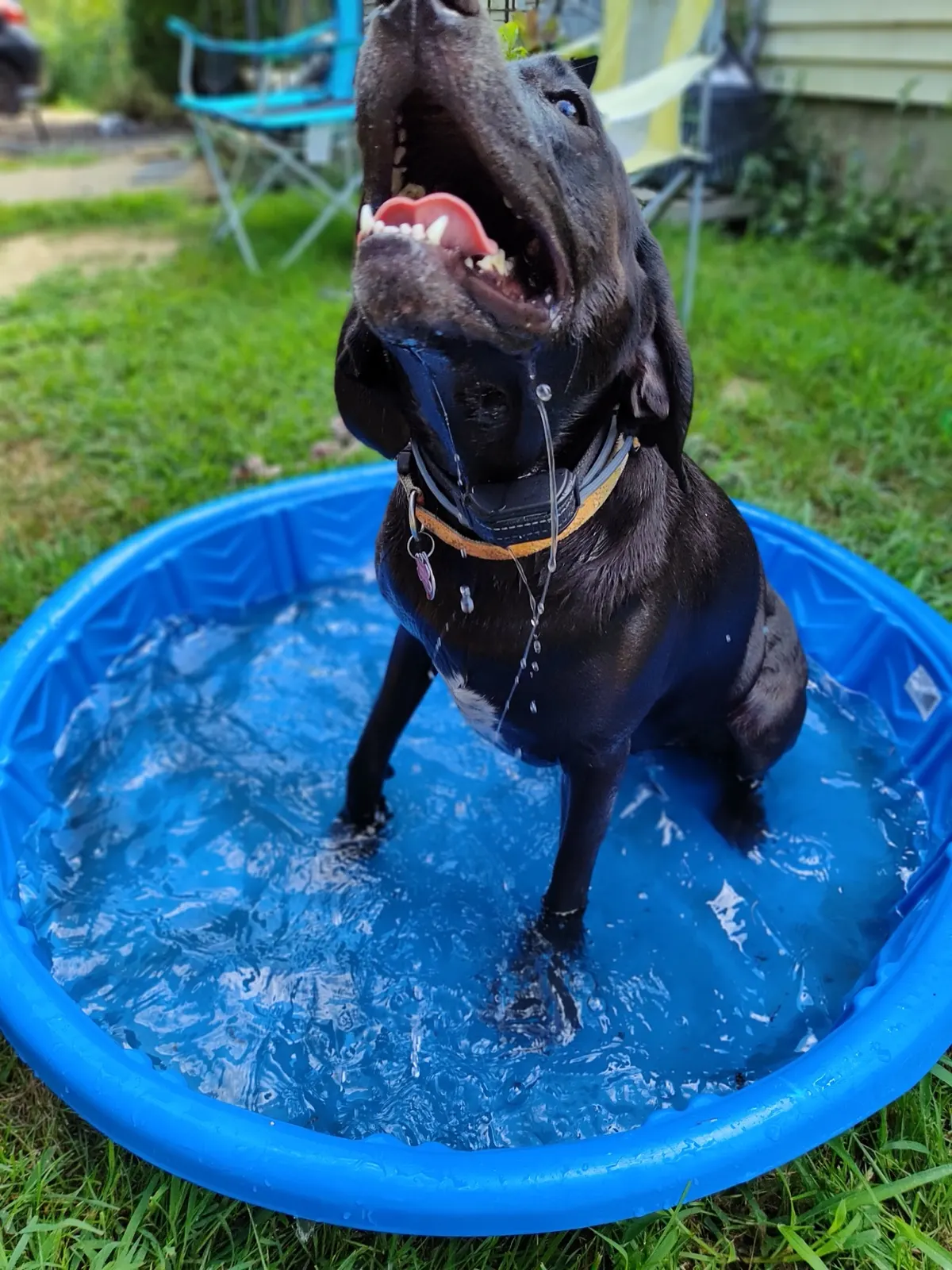
In the Gulf, a summer dog is an indoor dog. Keep it in an air conditioned room, and plan for a power cut: know which cool room or friend's home you can move to. Give it tiled floors to lie on, more than one water bowl and indoor games, such as sniffing out hidden treats, to burn energy.
Walk before sunrise or well after dark, and keep summer walks short. Asphalt and sand stay hot long after sunset. Before every walk, press the back of your hand on the ground. If you cannot hold it there for seven seconds, it is too hot for paws. Never leave a dog in a car, even with the engine running.
Rules before you buy
Gulf countries have their own rules on dog breeds, licences and imports. The UAE, for example, bans or restricts some powerful breeds, such as pit bull types, under a federal law. Kuwait, Saudi Arabia and Qatar set their own rules. Lists change, so check the current rule with the local authority before you buy or import a dog. Ask your vet about vaccinations and a microchip as soon as the dog comes home.
When you buy, meet the seller, see the dog in person and never send an advance payment to someone you have not met. Our guide to buying a pet safely explains the warning signs. If you live in Kuwait, read our guide to pets in Kuwait, and see how to keep cats and dogs cool during power cuts.
Where to find dogs in the Gulf
Start with dogs for sale in Kuwait, or see every pet on the Pets Bazar Kuwait page. Readers elsewhere can browse dogs for sale. Every ad shows the seller's city, and you can chat with the seller before you visit.




Frequently asked questions
What is the best dog breed for hot weather?
Lean, short-coated breeds with a long muzzle cope best, for example the Saluki, the Basenji and the Pharaoh Hound, and many Labradors and Dobermans do well with care. No breed is safe outdoors in a Gulf summer afternoon, so every dog needs air conditioning, shade and water.
Can a Husky live in Kuwait or Dubai?
Only with great difficulty. A Husky or a Malamute has a thick double coat made for snow, so it needs to live in an air conditioned home all summer, exercise only in the coolest hours and an owner who knows the signs of heat stroke. For most Gulf homes, a different breed is the kinder choice.
What time is safe to walk a dog in the Gulf summer?
Walk before sunrise or well after dark, and keep summer walks short. Check the pavement with the back of your hand first. If you cannot hold it there for seven seconds, the ground is too hot for your dog's paws.
What are the signs of heat stroke in a dog?
Heavy panting that does not settle, thick drool, bright red or pale gums, weakness or wobbling, vomiting and collapse. Move the dog into shade or a cool room, wet its body with cool but not ice cold water and go to a vet straight away, even if it seems to recover.
Are some dog breeds banned in the Gulf?
Yes. The UAE bans or restricts some powerful breeds under a federal law, and other Gulf countries have their own rules on breeds, licences and imports. The lists change, so check the current rule with the local authority before you buy or import a dog.