Dog Training at Home in Pakistan: Basic Commands and a Good Trainer
How to train a dog at home in Pakistan: reward-based methods, five basic commands, house training, socialising and how to choose a good trainer.
By Pets Bazar Editorial Team, Editors · Published · 5 min read
You do not need a training centre to teach a dog good manners. Most of the work happens at home, in five-minute sessions, with treats and patience. Start the day your puppy or new dog comes home, and keep the rules the same for everyone in the house.
This guide covers the method, five basic commands, house training, socialising and how to judge a trainer.
Reward what you want, ignore what you do not
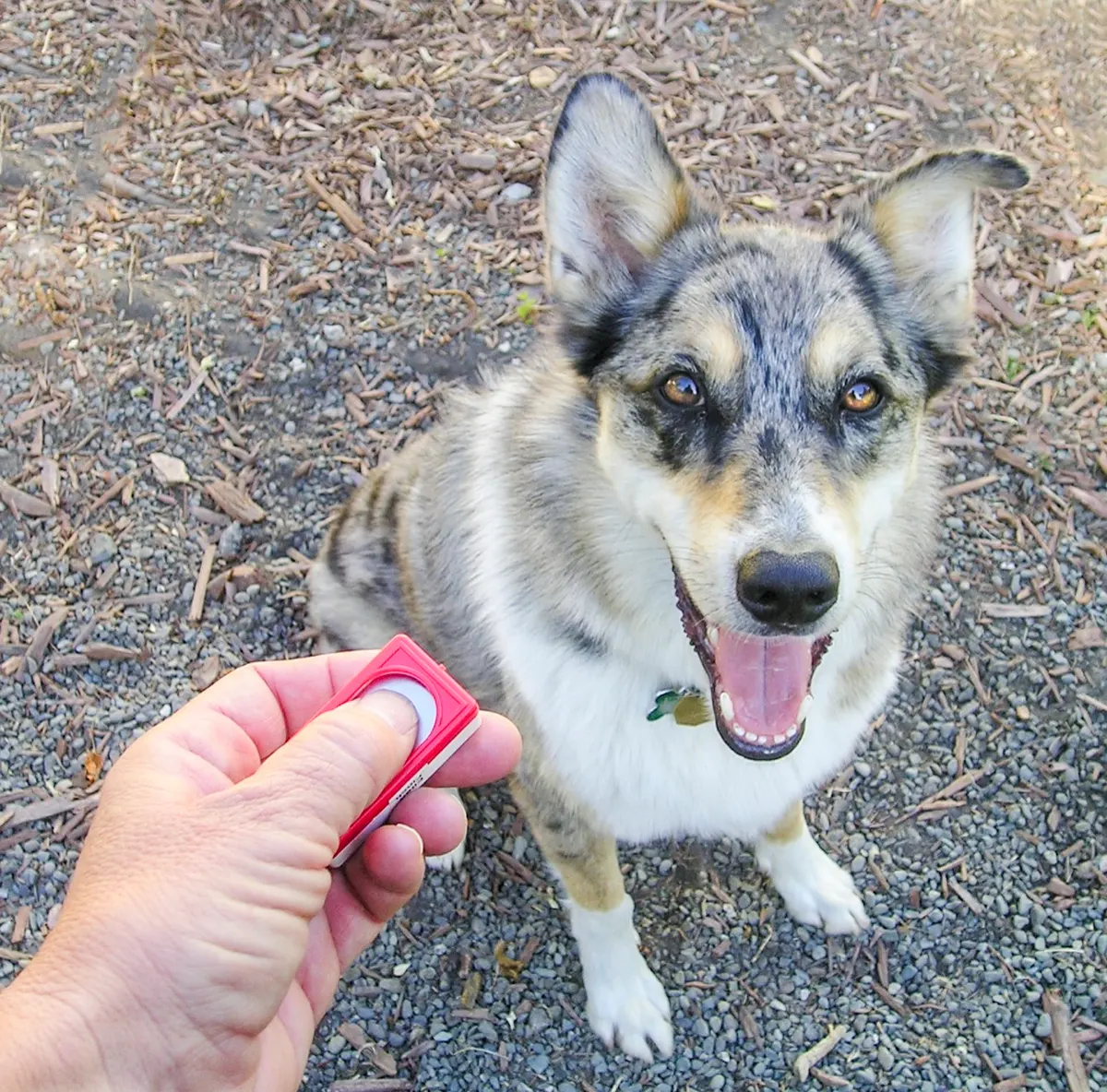
Dogs repeat what pays off. When your dog sits, give a small treat or praise within a second or two, so it links the reward to the action. A clicker, or one short word such as "yes", marks the exact moment.
- Keep sessions short. Five minutes, two or three times a day, works better than one long lesson.
- Use one word per command. Urdu, Hindi or English all work. Pick "baith" or "sit", and make sure the whole family uses the same word.
- Use small treats. Pieces the size of a pea, or part of its daily food.
- Never hit or shout. Punishment teaches fear, not manners, and a frightened dog is more likely to bite. Vets who specialise in behaviour advise against hitting, choke chains and shock collars.
Five basic commands to teach first
| Command | What it means | How to start |
|---|---|---|
| Sit | Bottom on the floor | Hold a treat above the nose and move it slowly back. As the bottom drops, say yes and reward. |
| Down | Lying flat | From a sit, lower a treat to the floor between the front paws. Reward when the elbows touch the floor. |
| Stay | Hold still until released | Ask for a sit, take one step back, return and reward. Add distance and time slowly. |
| Come | Run back to you | Say the name and the word in a happy voice, step back and reward well when the dog reaches you. |
| Leave it | Ignore something | Close a treat in your fist. When the dog stops sniffing at it, reward from the other hand. |
Practise indoors first, then in the yard, then on walks. Never call your dog to you and then punish it, or it will stop coming. Coming when called can save a dog's life near a road, so make it the best-paid command of all.
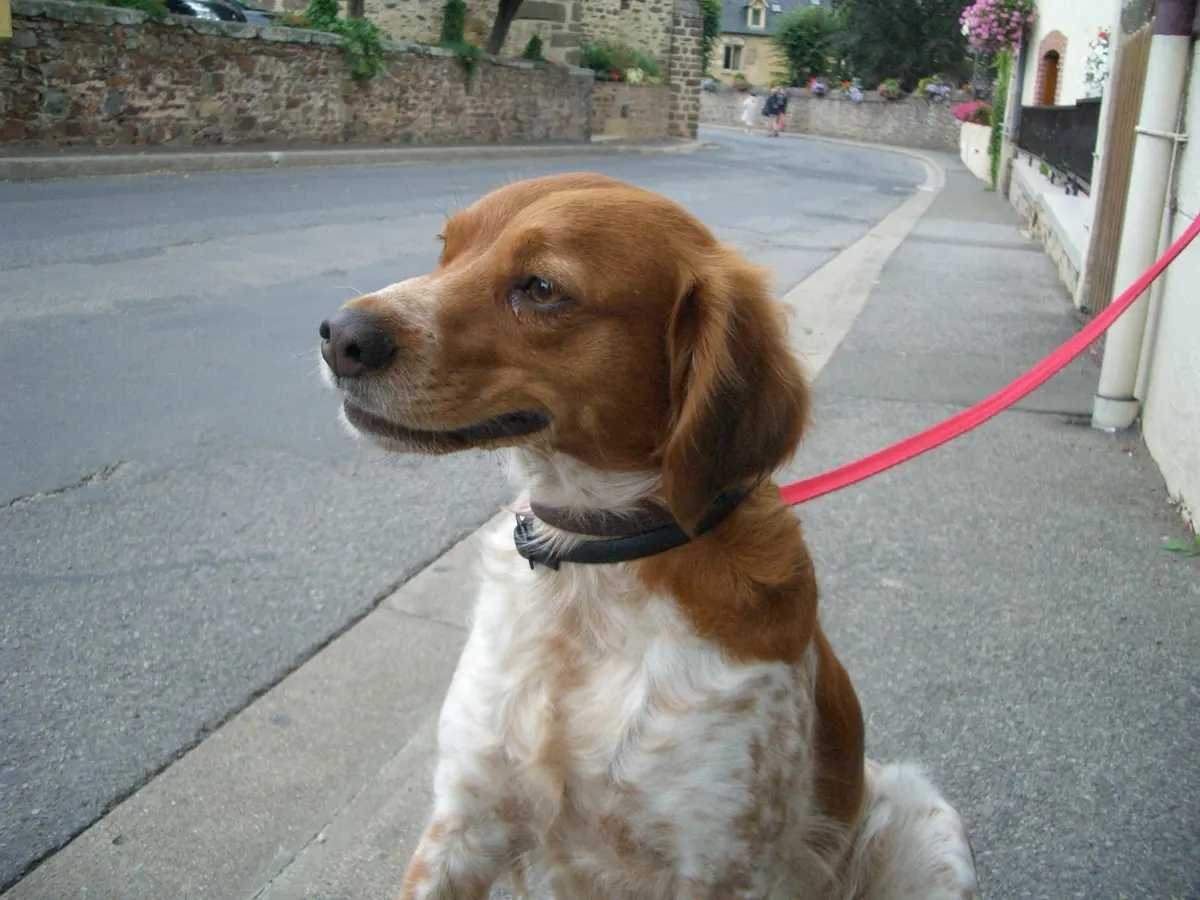
House training a puppy
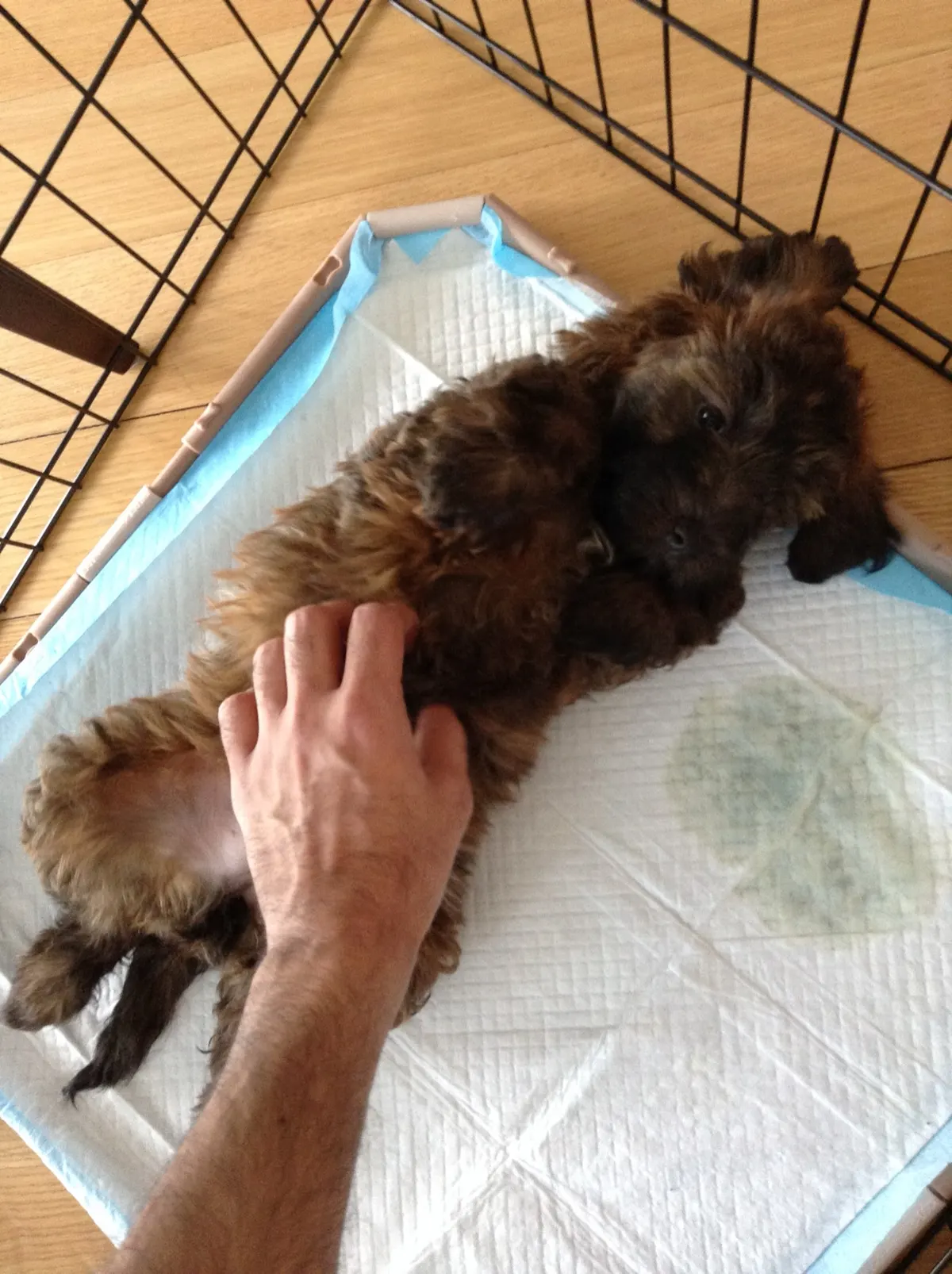
Puppies need to go often and cannot hold it for long. Take the puppy to the same spot:
- as soon as it wakes up;
- after every meal and drink;
- after play;
- every one to two hours during the day at first.
Wait quietly and reward the moment it finishes. If you live in a flat, a puppy pad or a tray of grass on the balcony can be the spot, moved nearer the door over time.
Accidents will happen. Clean them with an enzyme cleaner or a mild detergent, not ammonia, which smells like urine to a dog. Do not rub the puppy's nose in it, because it will only learn to hide from you. If a dog that was clean starts having accidents, see a vet: it can be a health problem, not a training one.
Socialising: the early weeks matter most
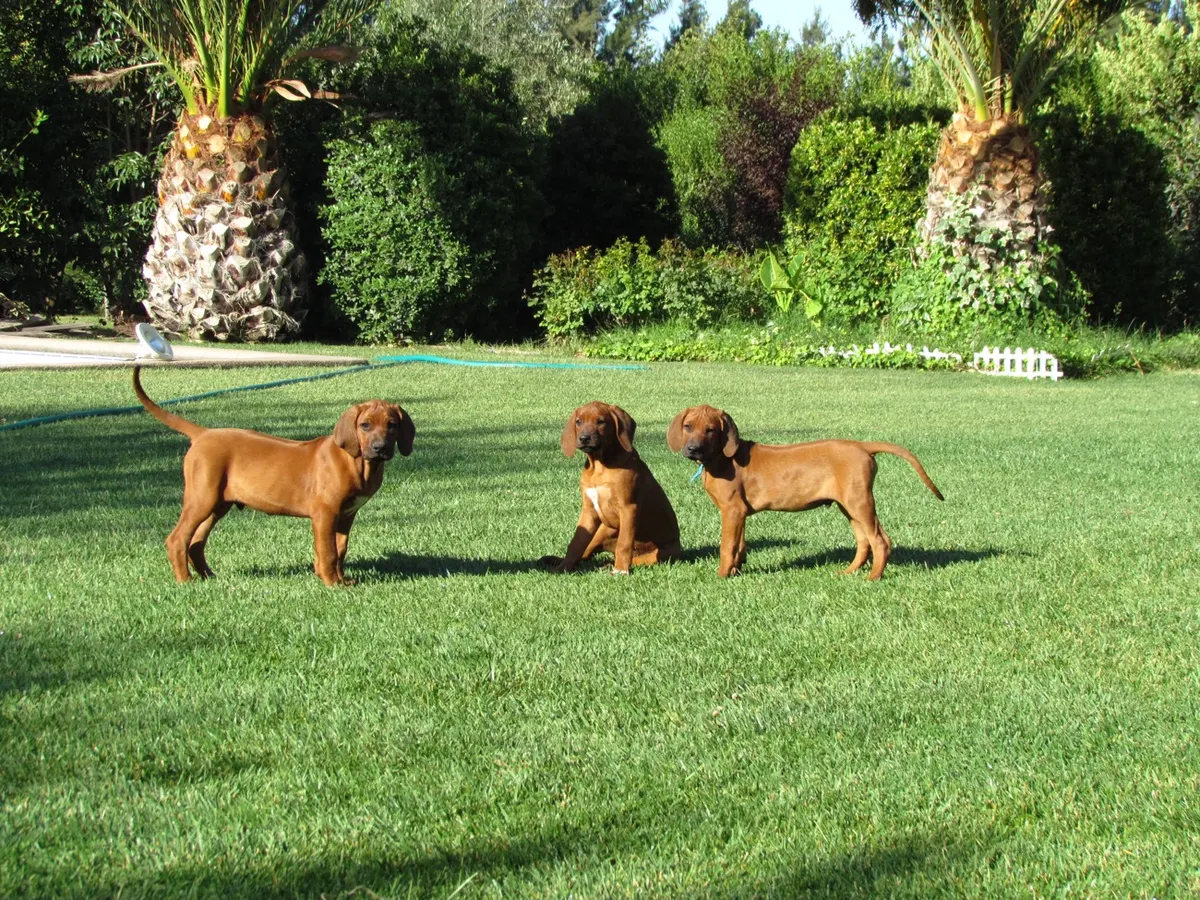
Between about three weeks and three months of age, puppies learn what is normal and safe. A puppy that meets calm people, friendly dogs, traffic, pressure cooker whistles and motorbikes in that time usually grows into a calmer adult. A puppy kept alone on a roof often grows up fearful of strangers, and fear can turn into biting.
Your puppy will not have finished its vaccinations yet, so ask your vet how to socialise it safely. Common advice is to carry the puppy outside, invite visitors home and let it meet only healthy, vaccinated dogs you know. If you need a vet, find one on our clinics page.
Keep each new experience short and pleasant, with treats, and take the puppy away if it looks scared.
Common problems: biting, pulling and barking
- Play biting. Normal in puppies. When teeth touch skin, stop play for a few seconds, then offer a chew toy instead.
- Pulling on the lead. Stand still when the lead goes tight and walk on when it goes slack. Reward the dog for walking at your side. In summer, walk only early in the morning or late in the evening.
- Barking. Find the cause first: boredom, fear or guarding. A tired dog barks less, so daily exercise and food puzzles help. Reward quiet moments, not the barking.
Large guard breeds need this work most. Our guide to the best dog breeds for Pakistan explains how much training and exercise each breed needs.
Choosing a dog trainer in Lahore, Karachi or near you
A good trainer helps, especially with a large or nervous dog. Before you pay, ask these questions.
- What methods do you use? Look for treats, toys and praise. Walk away from anyone who hits, hangs a dog by its collar or uses choke chains or shock collars.
- Can I watch a session? A good trainer is happy to show you, and teaches you to handle your own dog.
- Does the dog stay away from home? Some centres keep dogs for weeks. Visit first and check that the kennels are clean and shaded.
- Do you promise results? No honest trainer can guarantee a result, because a dog's behaviour also depends on what happens at home.
- What does the course include? Fees vary by trainer and city, so compare what you get: the number of sessions, home visits and help afterwards.
Ask other owners and your vet for names. If you plan to show your dog, our German Shepherd show training plan covers stacking and ring work week by week. For a new puppy, start with our puppy's first week guide, and if you live in a flat, see the best dogs for apartments.
Where to find dogs for sale
If you are choosing a new dog, browse dogs for sale in Pakistan or dogs for sale in Lahore. Ask the seller what the dog has already learned, and if it is a puppy, see it with its mother. Breeders with puppies ready for new homes can post an ad.


Frequently asked questions
At what age can I start training a puppy?
Start the day it comes home, usually at eight weeks or older. Young puppies learn their name, sit and house training quickly in short, gentle sessions of a few minutes.
Can I train my dog in Urdu or Hindi?
Yes. Dogs learn the sound of a word, not the language. Pick one short word for each command, in Urdu, Hindi or English, and make sure everyone at home uses the same one.
How long does house training take?
It varies with the puppy and the routine, and many puppies take a few months to be fully reliable. A fixed spot, frequent trips out and a reward every time make it faster. If an older dog that was clean starts having accidents, see a vet.
Is it better to send my dog to a training centre?
Not always. Training at home builds the bond between you and your dog, and a dog trained only by someone else may not listen to you. If you use a centre, visit it first, choose one that uses rewards and ask the trainer to teach you too.
Should I hit my dog when it misbehaves?
No. Hitting teaches fear and can make a dog bite. Reward the behaviour you want, stop play or attention when the dog misbehaves, and ask your vet or a reward-based trainer for help with serious problems such as aggression.