Buying a Puppy From a Breeder: 12 Questions to Ask Before You Pay
How to tell a good dog breeder from a backyard one: 12 questions about the parents, the puppy and the sale to ask before you pay anything.
By Pets Bazar Editorial Team, Editors · Published · 5 min read
The best way to buy a puppy from a breeder is simple: visit, meet the mother, ask a set list of questions and pay nothing until you are happy with every answer. A good breeder welcomes questions. A poor one avoids them.
This guide gives you 12 questions to ask, grouped by the parents, the puppy and the sale. It works whether you are in the US, the UK, the Gulf or South Asia, and whether you found the breeder through a club, a friend or a classifieds site. It does not give prices: what a breeder asks varies by breed, country and city.
Good breeder or backyard breeder
A backyard breeder is someone who mates whatever dogs are at hand to sell the puppies. A puppy farm does the same at scale. Both can look friendly online. The difference shows in how they answer you.
| Question | Good breeder | Backyard breeder or puppy farm |
|---|---|---|
| Can I visit? | Yes, at home or the kennel | Meets in a car park or offers delivery |
| Can I see the mother? | Yes, with the litter | She is out, sold or not mentioned |
| Health tests on parents? | Shows the results | Says the dogs are healthy |
| Breeds on offer | One or two | Many, always available |
| Questions for you? | Several | None, except when you will pay |
| After the sale | Will take the puppy back | No contact |
Questions about the parents
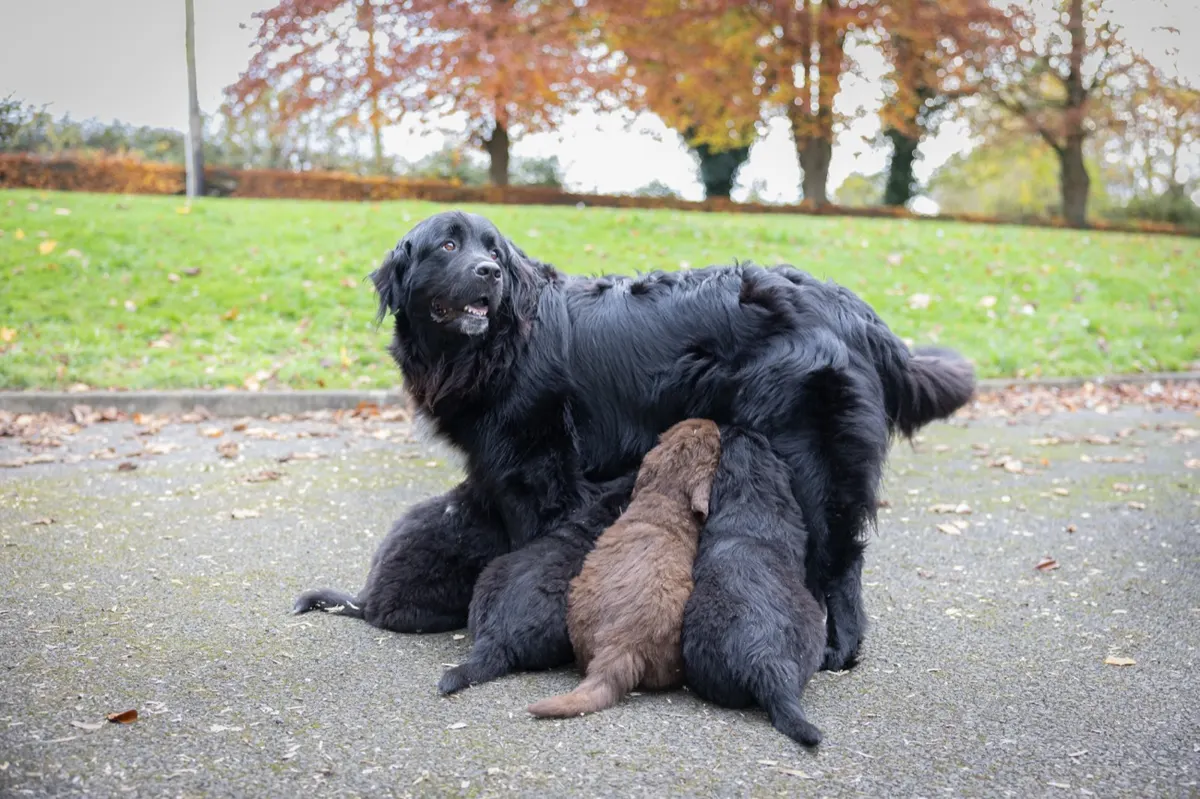
1. Can I see the puppy with its mother? This is the most important question. The mother shows you the size and temperament to expect, and seeing her with the litter proves the puppy was bred there and not bought in.
2. Can I see the father, or his details? He often lives elsewhere. A good breeder can still tell you who he is, show photos and share his health results.
3. Which health tests have the parents had? Many breeds carry known problems. Larger breeds are often scored for hips and elbows, and many breeds have eye or DNA tests. Ask which tests apply to the breed and ask to see the results, not just a promise.
4. How old is the mother, and how many litters has she had? A mother bred too young, too often or with no rest is a warning sign. A good breeder plans each litter and can tell you the gap since the last one.
Questions about the puppy
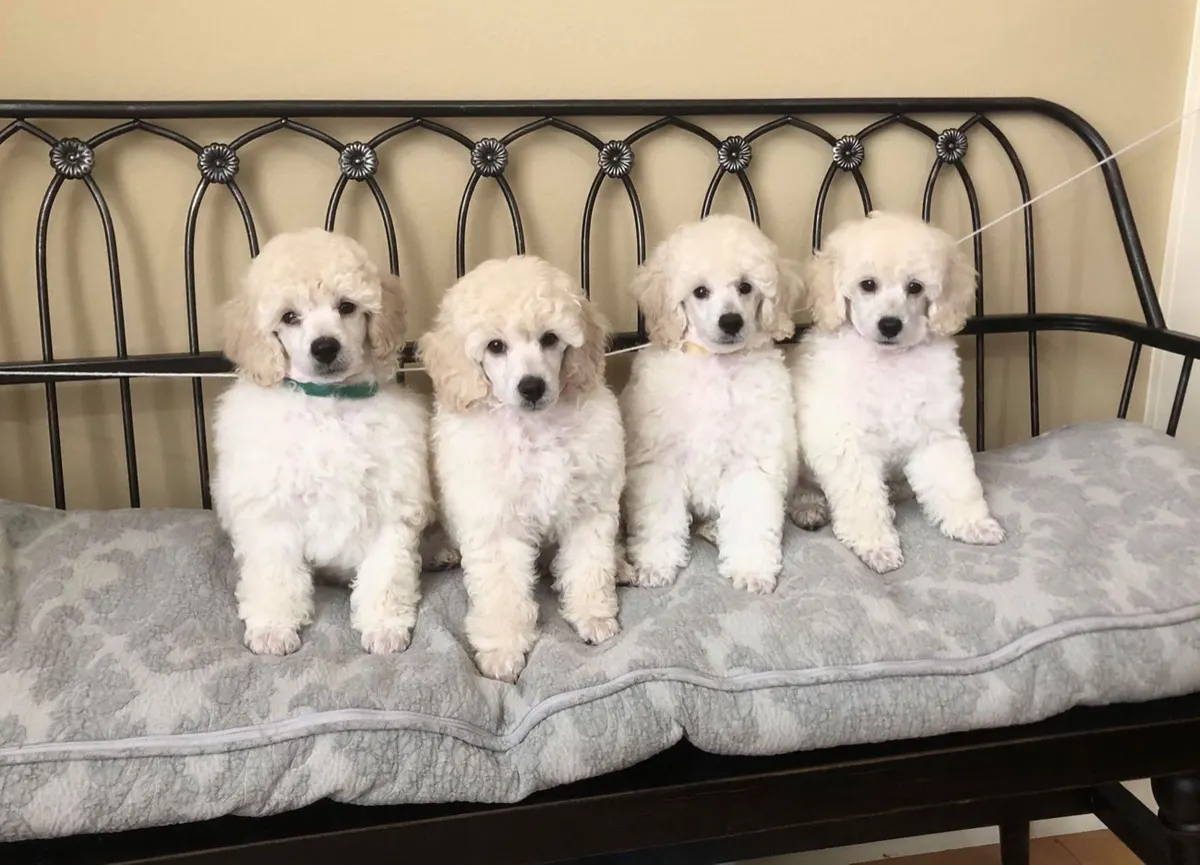
5. How old is the puppy, and when can it come home? A puppy should be at least eight weeks old, weaned and eating solid food before it leaves its mother. Be careful with anyone who offers a younger puppy.
6. Which vaccinations and deworming has it had? Ask for the card with dates and the vet's details. Your own vet will finish the course, so you need to know exactly what was given and when.
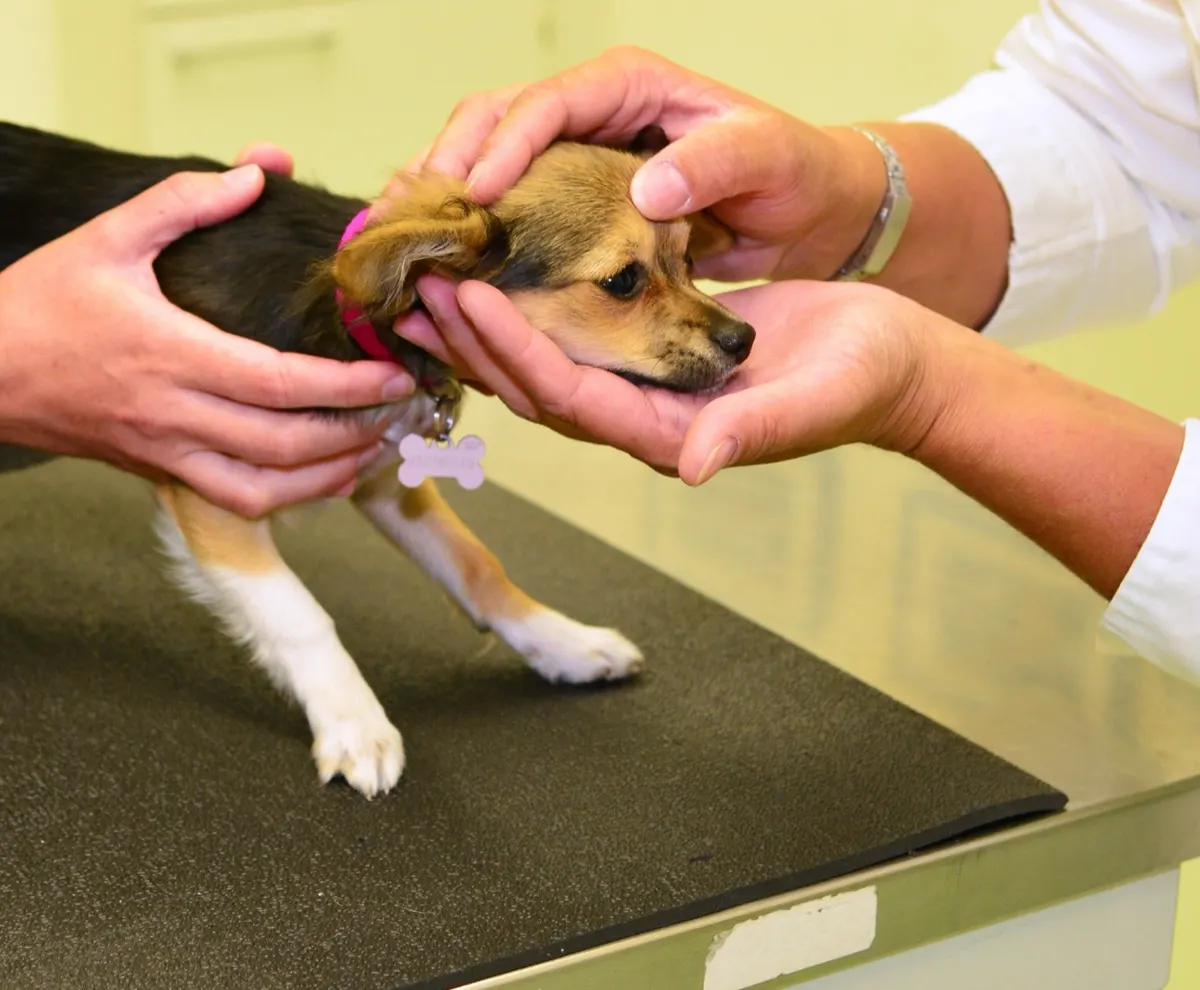
7. Has a vet checked it, and is it microchipped? Ask for the vet check in writing. Where microchips are used, ask for the number and make sure the record moves into your name.
8. How has it been raised? Puppies raised in a home, around everyday sounds and gentle handling, settle faster. Ask what the puppy has met so far: children, other dogs, car trips, a lead.
Questions about the sale
9. What papers come with the puppy? Expect the vaccination card, the deworming record and, for a pedigree puppy, registration papers from the national kennel club. Check that the names and dates match the puppy and its parents.
10. Will you take the puppy back if I cannot keep it? Good breeders say yes for the dog's whole life. A written sale agreement that covers this is a good sign.
11. What do you want to know about me? This one you do not ask: you wait for it. A good breeder asks about your home, your work hours and your experience. A seller who asks nothing cares only about the money.
12. How and when do I pay? Never pay anything to a seller you have not met, or for a puppy you have not seen in person or on a live video call. If you agree a deposit after a visit, get a written receipt that says what happens to it if the sale falls through.
Warning signs to walk away from
- The mother is never available, or the puppy is brought to you.
- The seller has many breeds and always has puppies ready.
- You are pushed to decide fast, or to pay before a visit.
- The vaccination card has no dates or no vet's details.
- The puppy is dull, thin, coughing or has runny eyes.
Some countries have rules on who may sell puppies. In England, for example, a rule known as Lucy's Law means puppies under six months should be bought directly from the breeder or from a rescue centre. Rules differ and change, so check the current rule where you live.
Buying through a classifieds site
Many breeders now advertise on classifieds sites, and the same questions apply. Read the whole ad, then use the site's chat to ask your questions before you travel. Keep the conversation in writing so you have a record. Visit in daylight, take someone with you and pay only when you are holding the puppy and the papers.
Our guide to buying a pet safely covers the common warning signs in more detail. If you are still choosing a breed, our post on the best dog breeds for Pakistan compares heat tolerance, size and family life. Learn the online puppy scam signs before you pay, and plan ahead with our puppy's first week guide.
Where to find puppies for sale
Browse dogs for sale in Pakistan, dogs for sale in the US, dogs for sale in Kuwait or dogs for sale in India. Every ad shows the seller's city, and you can chat with the seller before you visit.



Frequently asked questions
How can I tell if a dog breeder is legit?
A genuine breeder lets you visit, shows you the puppy with its mother, gives you vaccination and health records with dates, answers questions without pressure and asks about your home in return. Be careful with anyone who will only meet in a car park, always has puppies of many breeds or wants money before you have seen the puppy.
What is the difference between a backyard breeder and an ethical breeder?
An ethical breeder plans each litter, health tests the parents, raises the puppies in the home and will take a puppy back if a sale fails. A backyard breeder mates whatever dogs are at hand, skips health tests and sells to anyone who pays.
How old should a puppy be when I bring it home?
At least eight weeks old, fully weaned and eating solid food. Some breeders of small breeds keep puppies a little longer. Be wary of anyone who offers a younger puppy.
Should I pay a deposit to a breeder?
Never pay anything to a seller you have not met or a puppy you have not seen, in person or on a live video call. If you agree a deposit after a visit, get a written receipt that says what happens to it if the sale does not go ahead.
What papers should come with a puppy?
A vaccination card with dates and the vet's details, a deworming record, a microchip number where chips are used and, for a pedigree puppy, registration papers whose details match the puppy and its parents. A written sale agreement is a good sign.