Dog Vaccination Schedule in Pakistan: Puppy to Adult, Shot by Shot
When should a puppy get its first shot? A typical vaccination and deworming schedule for dogs in Pakistan, from six weeks to adult, with the rabies shot.
By Pets Bazar Editorial Team, Editors · Published · 5 min read
Most puppies in Pakistan get their first combined vaccine at six to eight weeks old, a repeat every two to four weeks until they are at least 16 weeks old, a rabies shot at about 12 weeks and a booster before their first birthday. After that, adult dogs need boosters and a yearly check-up. This guide sets out that typical schedule shot by shot. Your vet sets the exact plan for your dog, so treat these ages as a starting point, not a prescription.
The schedule at a glance
| Age | What is given | Notes |
|---|---|---|
| 2 to 12 weeks | Deworming | Every two weeks |
| 6 to 8 weeks | First combined shot | Only if the puppy is healthy |
| 10 to 12 weeks | Second combined shot | Two to four weeks after the first |
| About 12 weeks | First rabies shot | Some vets add a second dose later |
| 16 weeks or older | Last puppy combined shot | Ends the puppy course |
| 6 to 12 months | Combined booster | Your vet picks the timing |
| Every year | Rabies booster and check-up | Or as the vaccine label says |
| Every 1 to 3 years | Combined booster | Your vet decides how often |
Deworming carries on monthly until six months of age, then every three months for life.
What the core vaccines protect against
The combined shot protects against several diseases in one injection. Clinics in Pakistan often call it by a number, such as a "six in one" or "seven in one" shot. The number only counts the diseases in the vial. The core part covers:
- Canine distemper. A virus that attacks the lungs, gut and nerves. Many puppies that catch it die, and survivors can be left with fits.
- Parvovirus. Severe vomiting and bloody diarrhoea. It spreads through infected faeces, survives in soil for months and is often fatal in young puppies.
- Canine hepatitis. A virus that damages the liver.
- Parainfluenza. One of the causes of kennel cough, often included in the same shot.
Your vet may also suggest leptospirosis, a bacterial disease spread by rat urine and standing water, which is a real risk in the monsoon. A kennel cough vaccine is worth asking about if your dog will stay in boarding kennels.
Why a puppy needs several shots
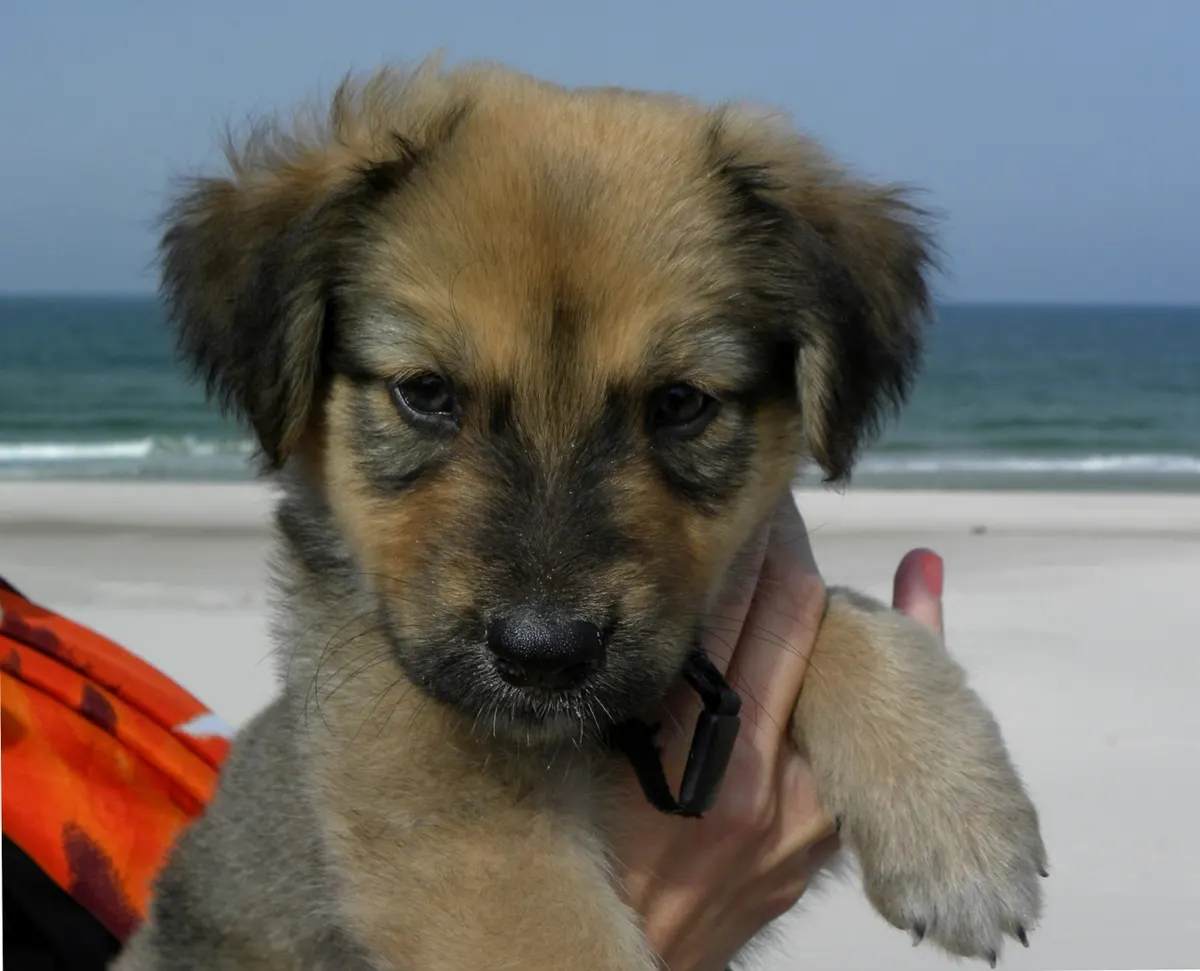
A puppy gets antibodies from its mother's milk. They protect it for its first weeks, but they also block a vaccine. No one can say the exact week they fade in a particular puppy, so vets repeat the shot every two to four weeks until the puppy is at least 16 weeks old. One shot at eight weeks is not enough on its own.
Until the course is complete, keep the puppy away from unknown dogs, parks and street ground where other dogs go. Carry it to the clinic rather than letting it walk on the floor of the waiting area.
The rabies shot in Pakistan
Rabies is present across Pakistan and spreads mainly through dog bites. Once signs appear it is almost always fatal, for dogs and for people. Where rabies is common, vets treat the rabies vaccine as a core vaccine for every dog, guard dog or lap dog.
Most vets give the first rabies shot at about 12 weeks. Some give a second dose a few weeks later. After that, boosters follow the vaccine's label and your vet's advice, which in Pakistan is often every year.
If a dog bites someone, wash the wound at once with soap and running water for about 15 minutes and take the person to a hospital the same day. Then take the dog to a vet and tell them what happened.
Deworming schedule for puppies
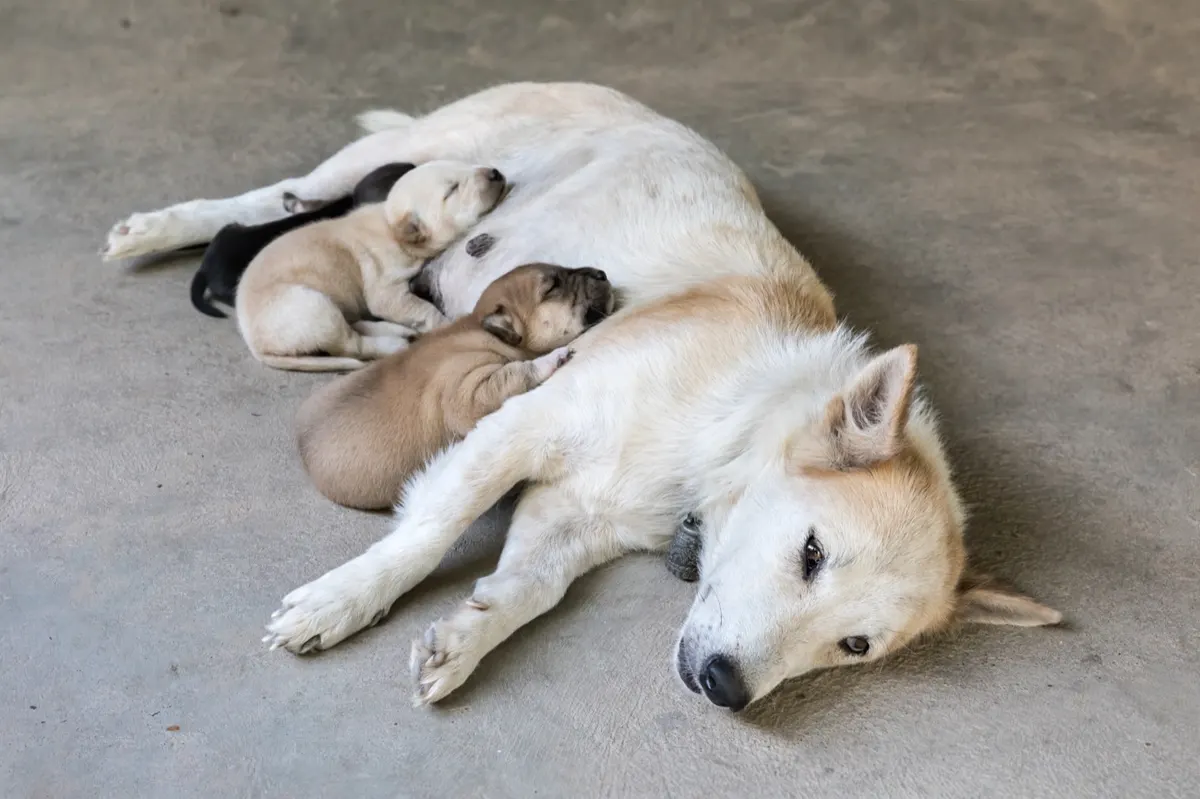
Worms are common in puppies, and some can pass to children. A typical plan is every two weeks from two weeks of age until 12 weeks, then once a month until six months, then every three months for an adult dog. The dose depends on weight, so weigh the puppy and let the vet choose the medicine. Wash hands after cleaning up after a puppy.
The vaccination card
Every clinic keeps a record on a small card or booklet. A real card shows:
- the dog's description and date of birth
- each vaccine with its date and a sticker peeled from the vial
- the clinic stamp and the vet's signature
- the date the next dose is due, and deworming dates
Ask the seller for this card before you pay. Check that the dates fit the puppy's age: a seven-week-old puppy cannot have finished its course. A card with no stickers or stamp proves very little. Our guide to buying a pet safely covers the other checks. Bring the card to every visit so the next vet can carry on.
Cost and finding a clinic
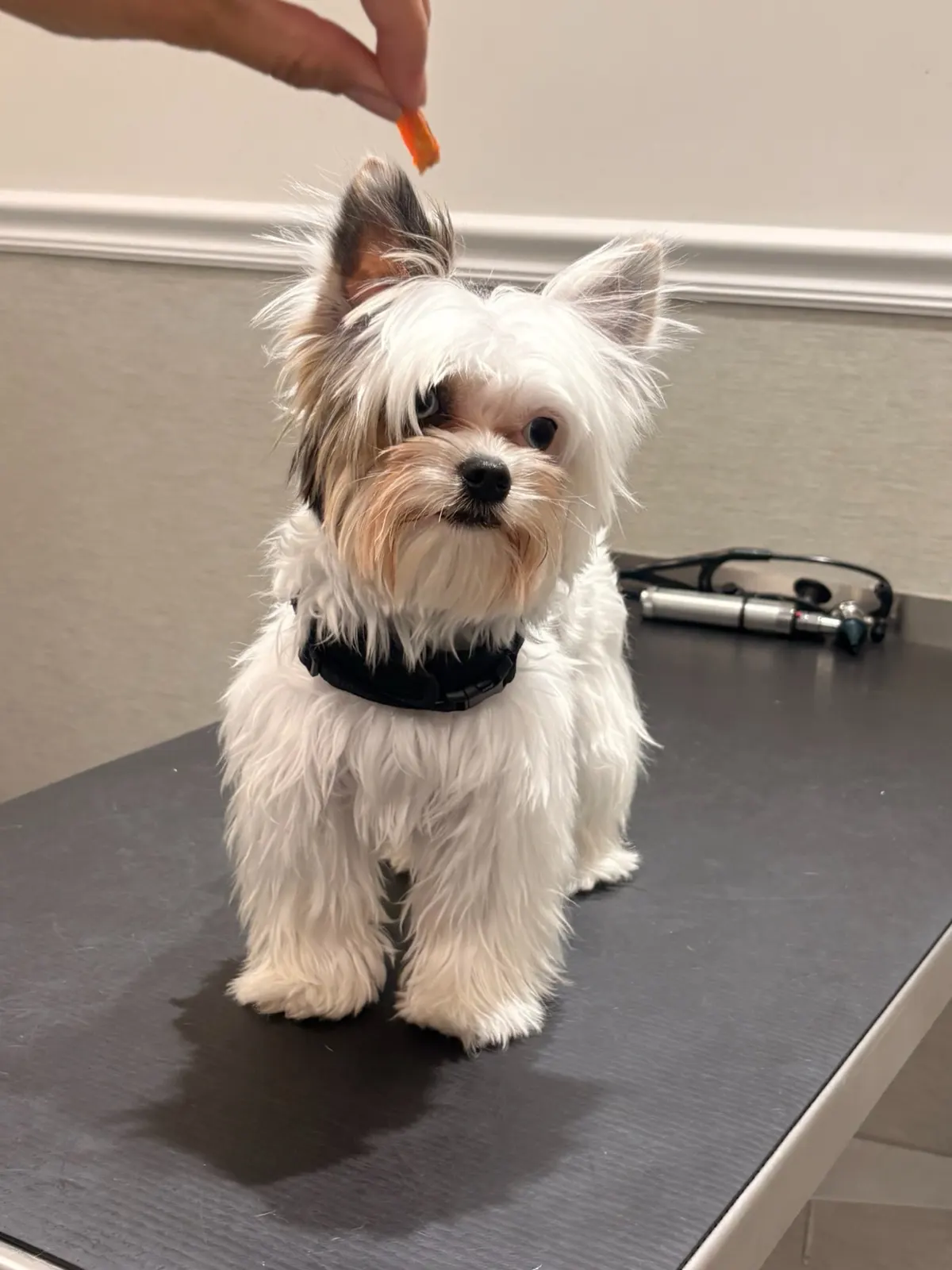
The cost varies by clinic, city and the vaccine used. At the first visit, ask what the full puppy course will cost, not just one shot. You can find a vet near you on our clinics page.
The vet should check the puppy before every shot, because a sick puppy should not be vaccinated. Mild tiredness or a sore spot for a day is normal. Swelling of the face, repeated vomiting or collapse after a shot needs a vet at once.
Adult dogs with no record
If you take on an adult dog with no card, treat it as unvaccinated. Your vet will usually give the combined shot and a rabies shot, sometimes with a second dose a few weeks later, and start a deworming plan. From then on, keep to the booster dates on its new card and ask your vet about anything that worries you. If you are bringing home a puppy, read our puppy's first week guide, and before summer see how to keep cats and dogs cool.
Where to find dogs and puppies
Browse dogs for sale in Pakistan or dogs for sale in Lahore, and ask each seller for the vaccination card before you visit. If you are still choosing a breed, read our guide to the best dog breeds for Pakistan.




Frequently asked questions
At what age should a puppy get its first vaccine?
Most vets give the first combined shot at six to eight weeks old, then repeat it every two to four weeks until the puppy is at least 16 weeks old. Your vet sets the exact dates.
Does my dog really need the rabies shot?
Yes. Rabies is present in Pakistan, spreads through bites and is almost always fatal once signs appear. Most vets give the first rabies shot at about 12 weeks and boosters on the schedule the vaccine needs, often every year.
What does a dog vaccination card look like?
It is a small card or booklet from the clinic. Each entry shows the vaccine, the date, a sticker from the vial, the clinic stamp, the vet's signature and the date of the next dose.
Why should I ask the seller for the vaccination card?
The card shows which shots the puppy has had and when the next one is due. Check that the dates fit the puppy's age and that it carries a clinic stamp, and show it to your vet at the first visit.
When can my puppy go outside and meet other dogs?
Keep it away from unknown dogs and public ground until your vet says the puppy course is complete, usually a week or two after the last shot. Play at home and with healthy, vaccinated dogs you know is fine before then.