Persian Cat in Pakistan: Types, Coat Care and Buying Tips
Doll face or punch face, single or triple coat: how to tell Persian cat types apart in Pakistan, care for the coat in the heat, and choose a healthy kitten.
By Pets Bazar Editorial Team, Editors · Published · Updated · 5 min read
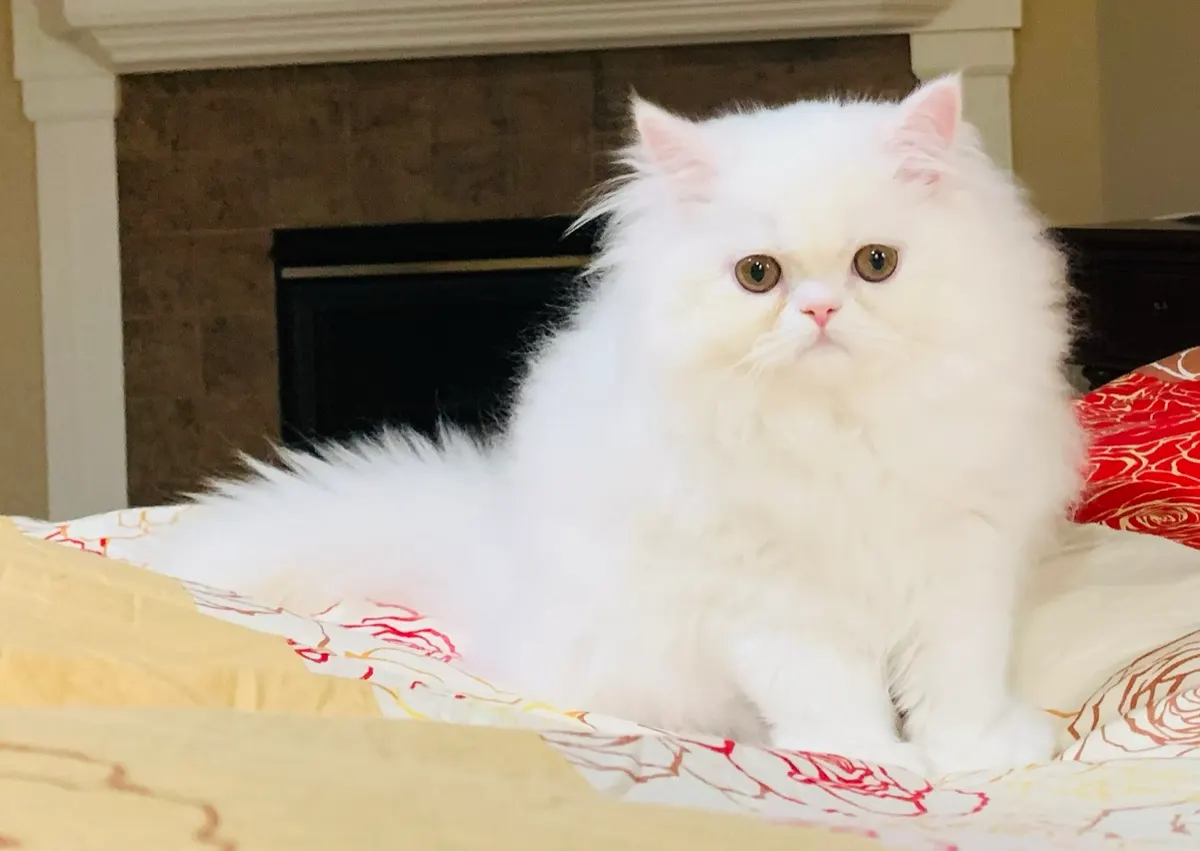
Persian cats are the most popular cat breed in Pakistan, and the most listed cat on Pets Bazar. Their long coats and sweet, round faces make them easy to love. They also need more care than most cats, especially in a Pakistani summer. If you are ready to look, see Persian cats for sale in Pakistan.
This guide explains the words sellers use, from "triple coat" to "punch face", and how to care for a Persian at home. It does not give prices.
Persian cat quick facts
| Fact | Detail |
|---|---|
| Origin | Persia (today's Iran), shaped as a breed in Europe in the 1800s |
| Coat | Long and full; sellers in Pakistan say single, double or triple coat |
| Face | Doll face (natural nose) or punch face (flatter) |
| Size | Medium to large, cobby body on short legs; adults usually 3 to 5 kg |
| Temperament | Calm, gentle, happiest indoors |
| Grooming | Daily brushing and eye cleaning |
| Lifespan | About 14 years on average; many reach their mid teens with good care |
| Best home | Indoors, in a cool room in summer |
What makes a cat a Persian
The Persian is one of the oldest long-haired breeds. Its ancestors came from Persia, today's Iran, and the breed was shaped in Europe in the 1800s. A Persian has a round head, a short, sturdy body, short legs and a long, full coat.
In Pakistani ads "pure Persian" usually means both parents look like Persians. Few cats here have pedigree papers, so the word "pure" alone proves little. What matters is that the kitten is healthy and that you can see its parents.
Coat types: single, double and triple coat
Sellers often describe Persians by coat.
- Single coat. A shorter, flatter coat that is easier to brush and copes a little better with heat.
- Double coat. A fuller coat with a soft undercoat.
- Triple coat. A very thick, fluffy coat that stands out from the body. Sellers use it for the fullest coats.
These are seller terms, not official grades. To judge a coat yourself, part the fur with your fingers: a thick coat shows dense, soft hair close to the skin. Remember that a kitten's coat changes as it grows. The thicker the coat, the more brushing it needs and the harder summer will be.
Double coat vs triple coat: what is the difference?
A double coat Persian has a long top coat over a soft undercoat. A triple coat is a seller term for an even thicker, fluffier coat that stands away from the body. Neither is an official grade, and a thicker coat needs more brushing and copes worse with heat.
| Coat (seller term) | Feel | Brushing | In summer heat |
|---|---|---|---|
| Single coat | Shorter, flatter | Every day, quick | Copes best |
| Double coat | Full, soft undercoat | Every day | Needs a cool room |
| Triple coat | Very thick, stands out | Every day, longer | Hardest; keep cool, never shave without a vet's advice |
Face types: doll face and punch face
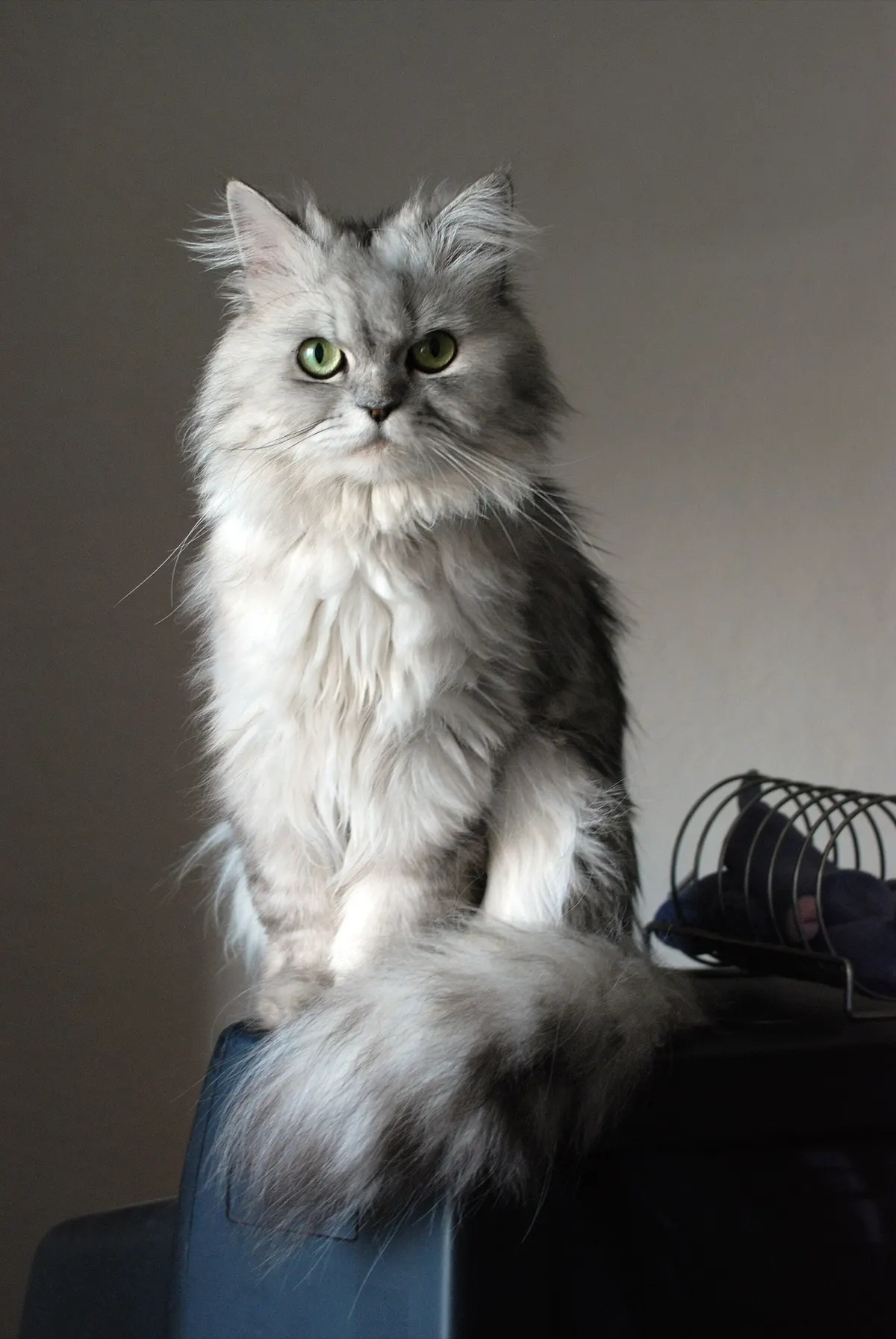
- Doll face. The traditional Persian face, with a visible nose and a slightly longer muzzle.
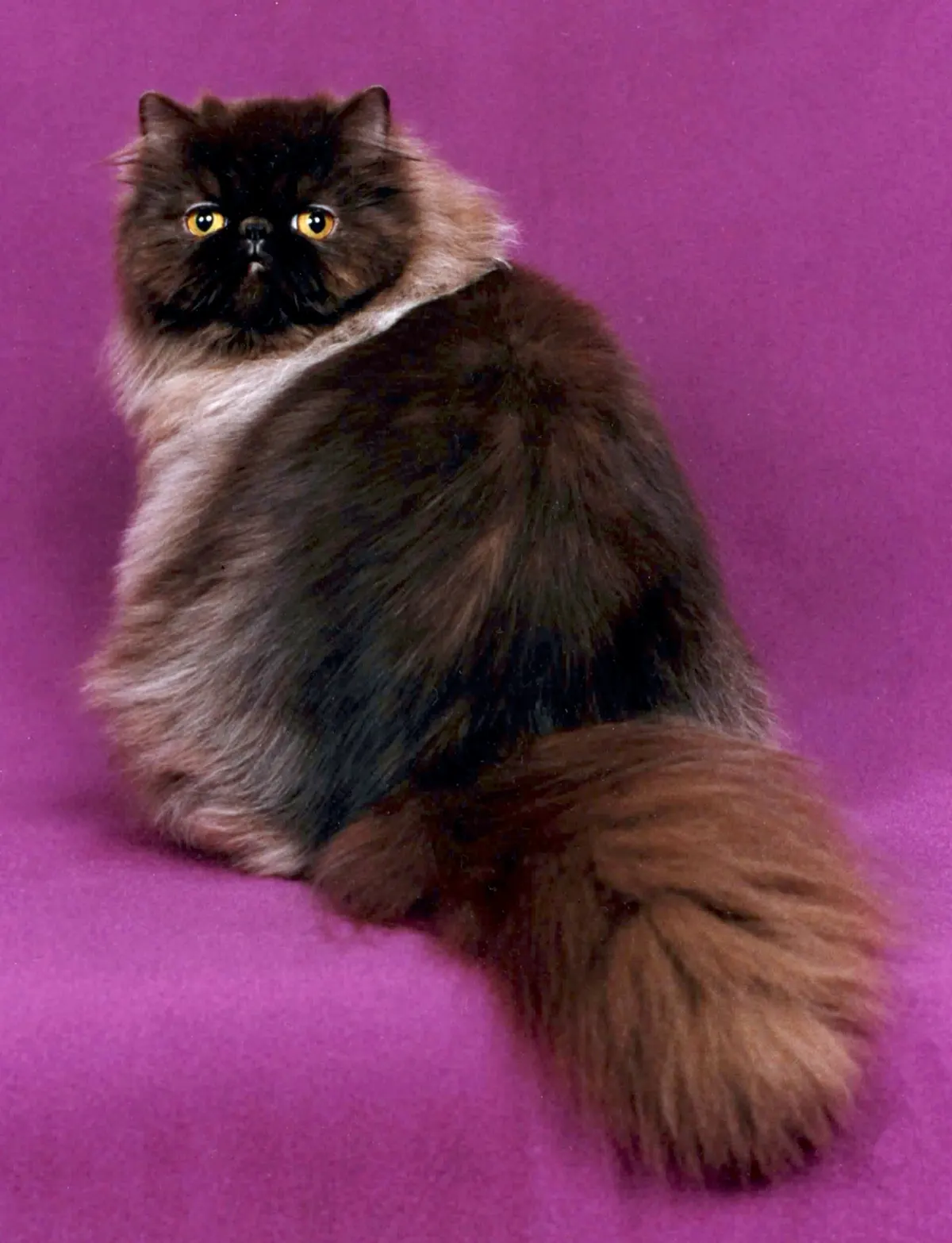
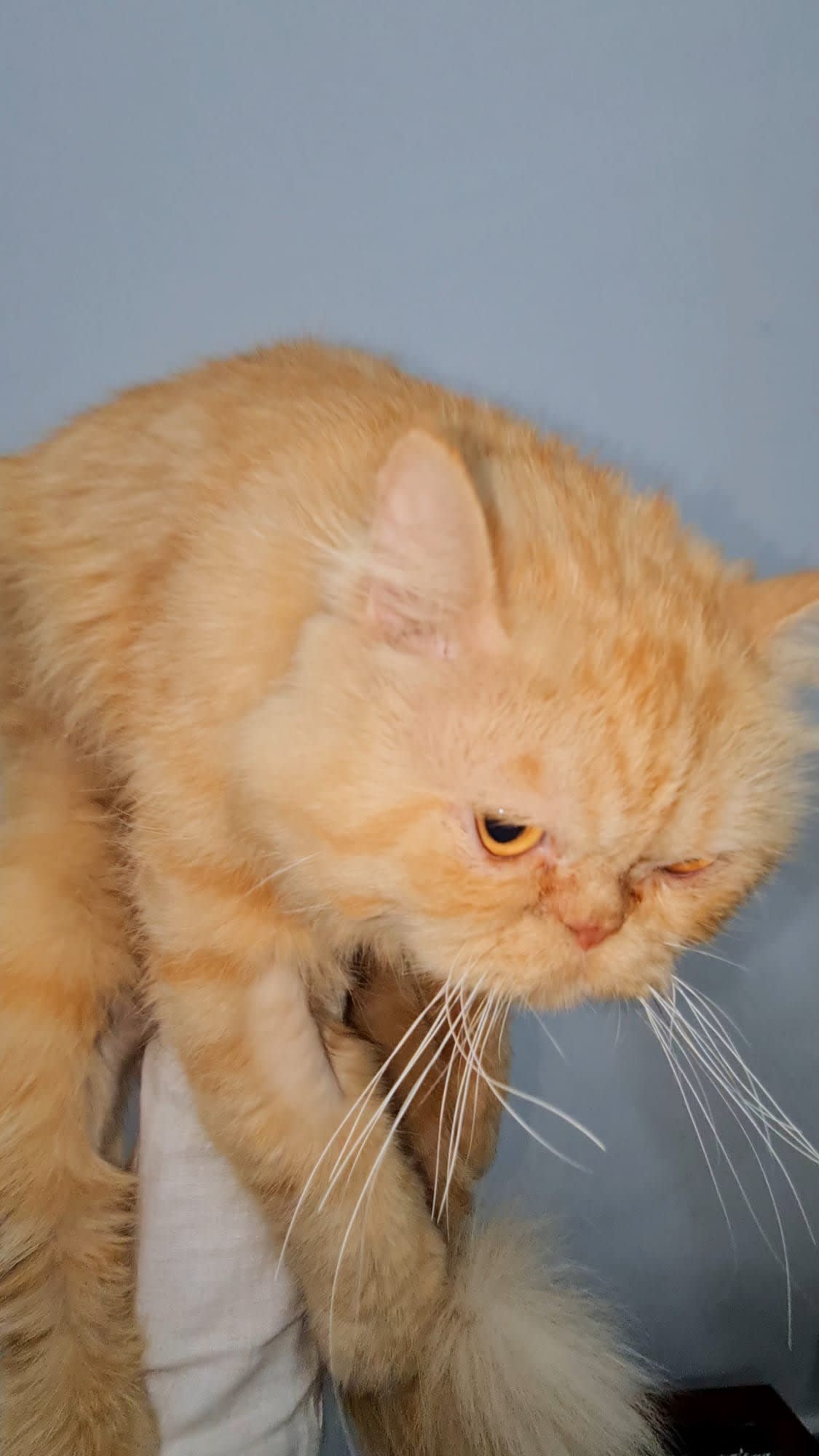
- Punch face. A flatter face, with the nose set higher between the eyes.
- Extreme punch face. A very flat face, the style often seen at cat shows.
The flatter the face, the more likely the cat is to have breathing trouble, runny eyes and blocked tear ducts. This is a real health cost, not a small detail. A doll face Persian is usually the easier pet, especially in heat and dust.
Colours and eyes
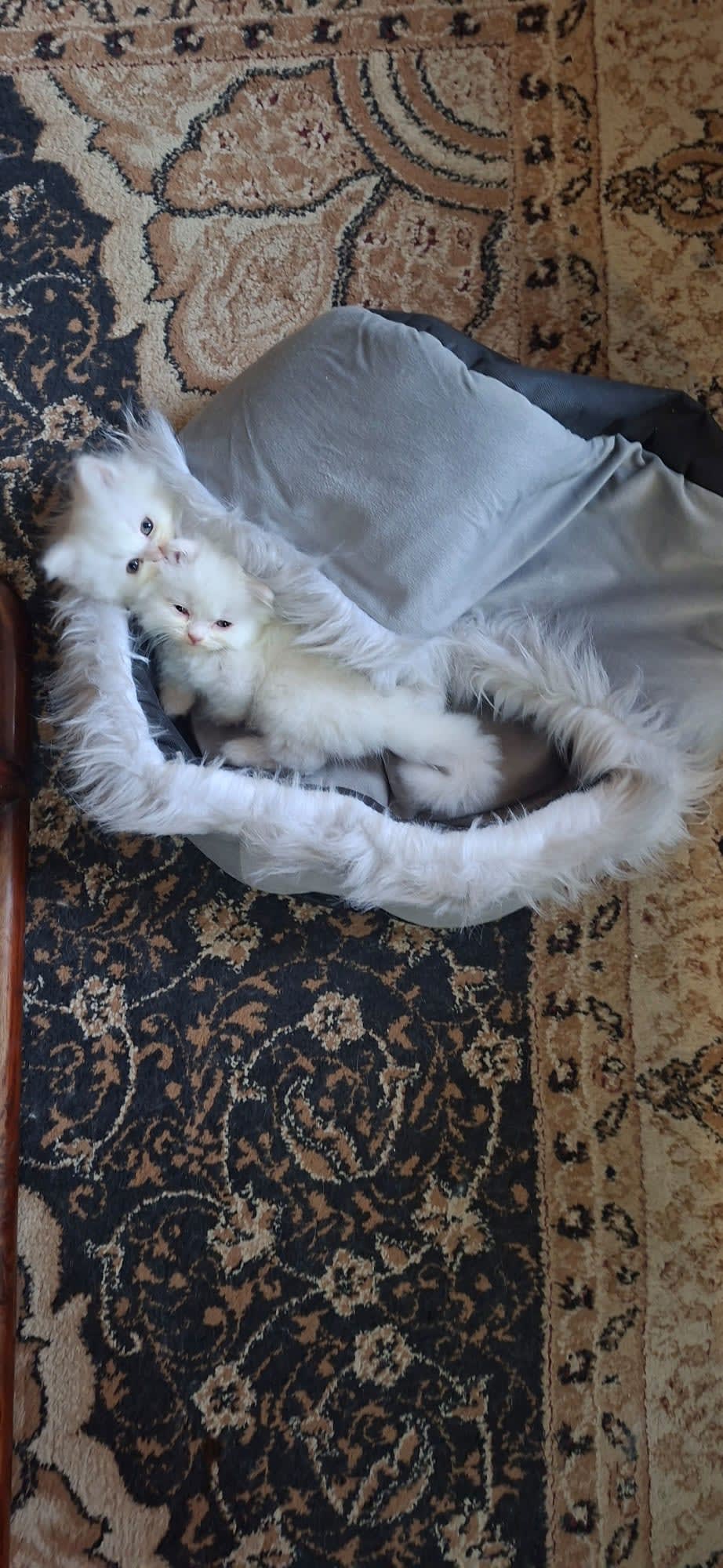
Persians come in many colours: white, cream, blue (grey), red (orange), black, chocolate and mixed patterns. Eye colour varies too, from copper to blue and green.
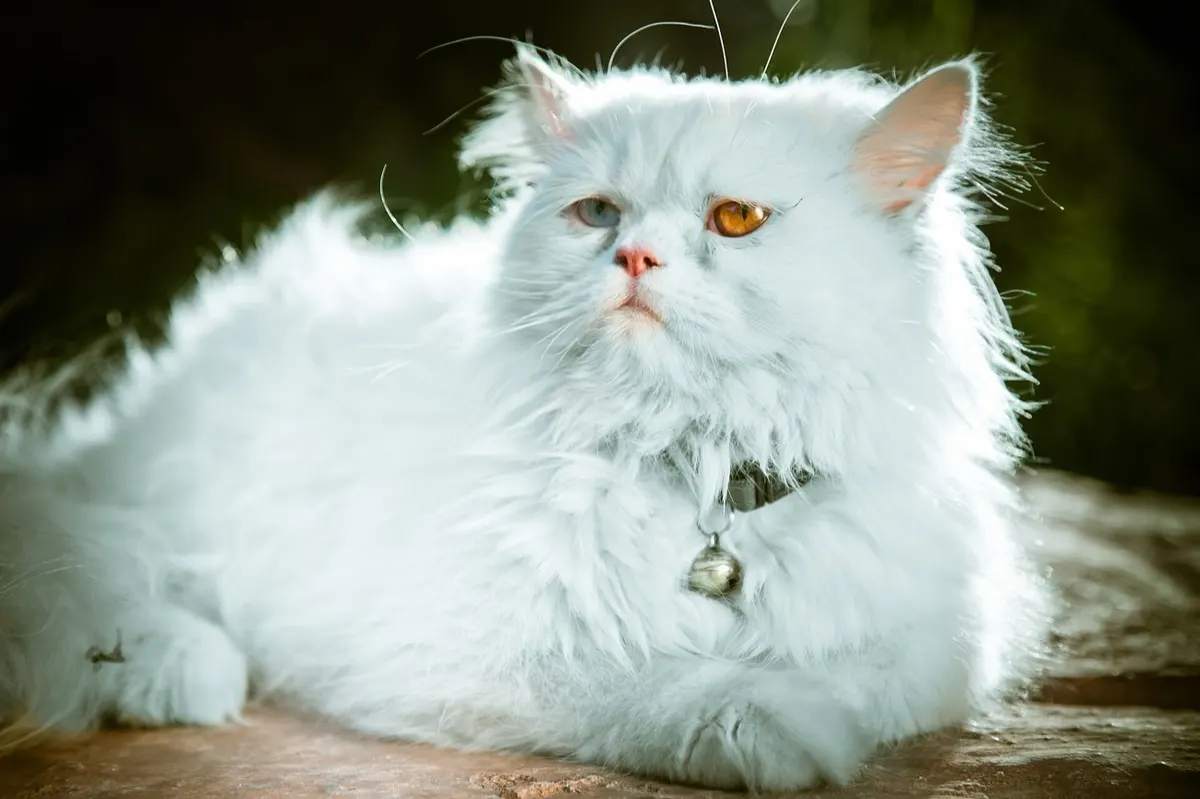
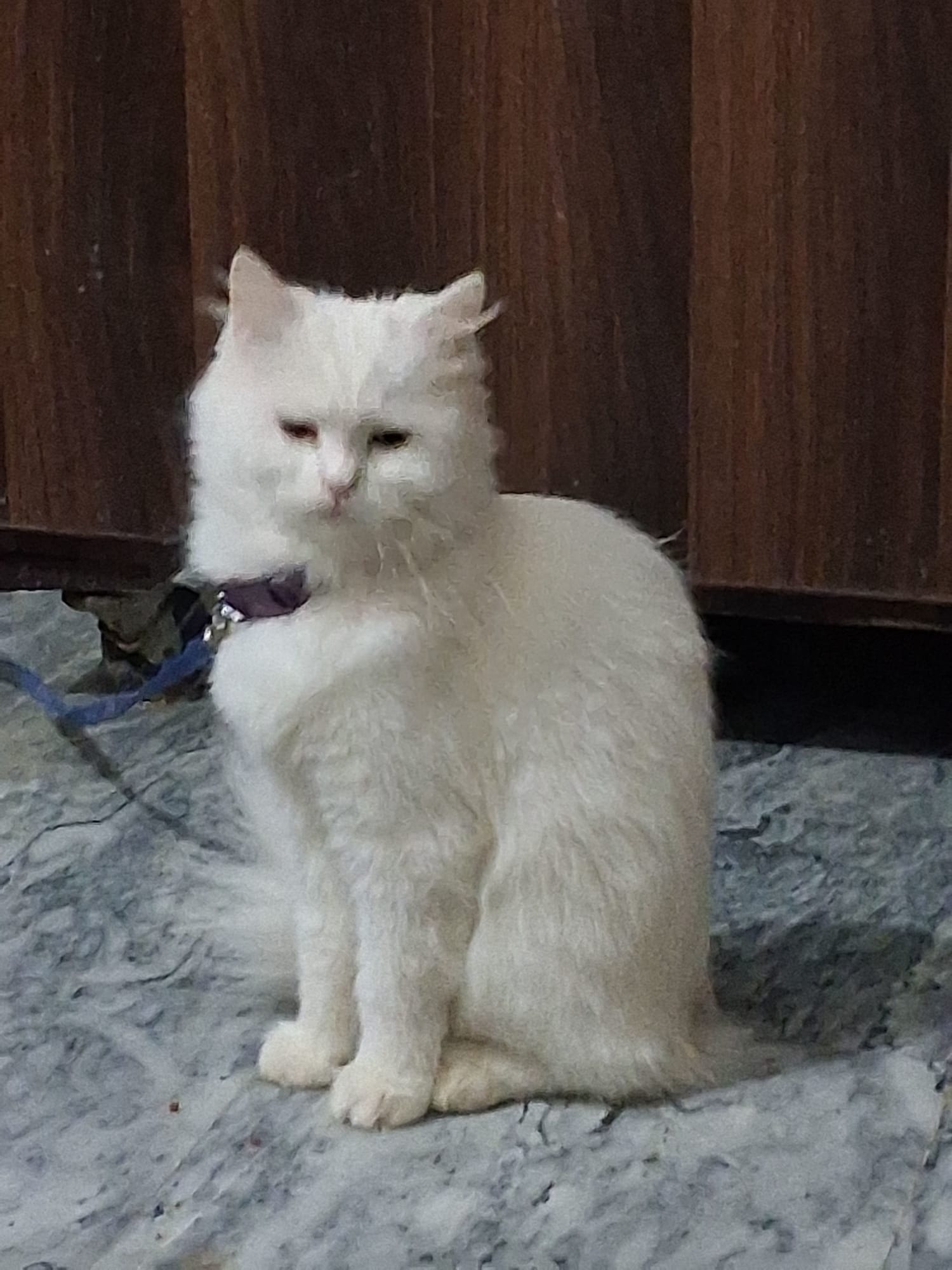
Some white Persians have odd eyes, one blue and one copper or green. They are beautiful, but white cats with blue eyes are more likely to be deaf, sometimes in the ear on the blue-eyed side. A simple test is to make a sound behind the kitten and watch whether it turns.
Cross breed or pure: what to ask the seller
Many cats sold in Pakistan are Persian crosses, and a healthy cross can be a lovely pet. You only need to know what you are buying. Ask the seller:
- Can I see both parents, or at least the mother?
- Are there pedigree papers or breeder records?
- What is the kitten's age, and what has it been eating?
- Has it been vaccinated and dewormed, with dates?
A seller who cannot answer these questions or show the mother is a warning sign. Our guide to buying a pet safely covers what to check before you pay.
Bringing a Persian kitten home
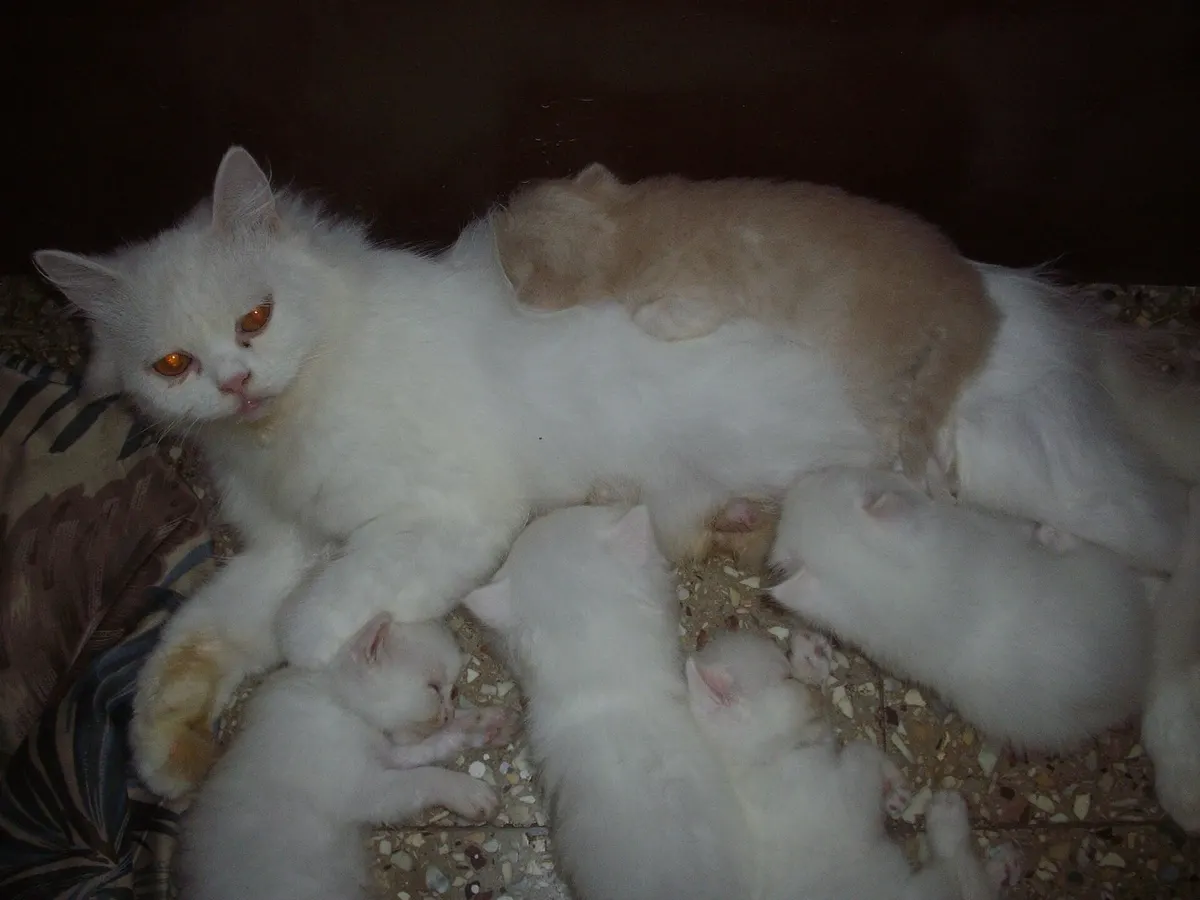
A Persian kitten should stay with its mother until about 12 weeks old. By then it eats solid food, uses a litter tray and has had its first vaccinations and deworming. Before it comes home, prepare a quiet room, a litter tray, food and water bowls, a wide-toothed comb and a soft bed. Book a vet visit in the first week.
Daily care in Pakistan's heat
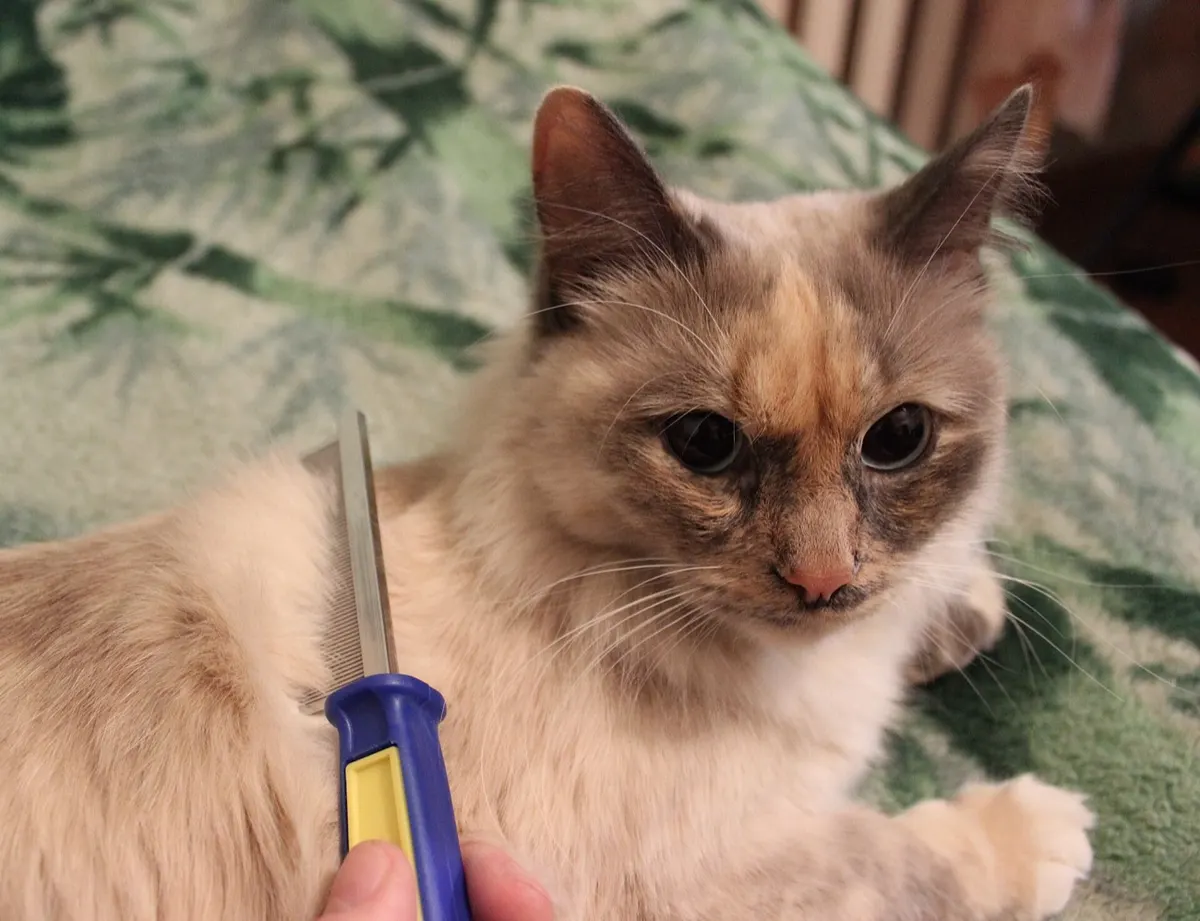
- Brush every day. A wide-toothed comb stops mats forming close to the skin, where they pull and hurt.
- Clean the eyes daily. Wipe away tear stains with a soft, damp cloth.
- Bathe about once a month, and dry the coat fully.
- Keep it cool. A cool room, a tiled floor to lie on and fresh water at all times. Plan for load shedding, when fans and air conditioning stop.
- Think before shaving. A short summer trim by a groomer can help in the hottest months, but a full shave exposes the skin to sun and should be a vet's decision.
- Feed good food. Quality cat food suits a Persian better than leftovers, and its short face makes small kibble easier to eat.
Common health problems
Watch for runny or red eyes, noisy breathing, hairballs and skin problems under a matted coat. Persians can also inherit a kidney disease called polycystic kidney disease, so ask the seller whether the parents were tested. Regular vet visits catch most problems early. Our cat care guide covers everyday care for every breed.
Where to find Persian cats for sale
Browse Persian cats for sale across Pakistan, look for Persian kittens in Lahore, or see all cats for sale in Lahore. Every ad shows the seller's city, and you can chat with the seller before you visit. Have Persian kittens to rehome or sell? Post a free ad on Pets Bazar and buyers can chat with you directly.



Frequently asked questions
Is a Persian cat good for a hot city like Karachi or Lahore?
Yes, if you plan for the heat. Keep it indoors in a cool room, give fresh water all day, brush it daily so the coat does not mat, and have a plan for load shedding such as a cool tiled floor and good airflow.
What is the difference between doll face and punch face?
A doll face Persian has a more natural face with a visible nose and a longer muzzle. A punch face Persian has a much flatter face with the nose set high between the eyes. Flatter faces bring more breathing and eye care.
How can I tell a pure Persian from a cross?
Ask to see both parents, ask for any pedigree papers, and look for the full, long coat, round head and short legs of a Persian. A seller who cannot show either parent or answer simple questions about them is a warning sign.
How often should I groom a Persian?
Brush the coat every day with a wide-toothed comb, wipe the eyes daily, and bathe the cat about once a month or when it gets dirty. Missing a few days lets painful mats form close to the skin.
At what age can a Persian kitten leave its mother?
At about 12 weeks, once it eats solid food, uses a litter tray and has had its first vaccinations and deworming.