Cat Breeds in Pakistan: Persian, Siamese, Maine Coon, Bengal and More
The cat breeds you will meet in Pakistan, how they differ in coat, temper and care, which need extra thought, and why a civet is not a pet.
By Pets Bazar Editorial Team, Editors · Published · Updated · 5 min read
The cat breeds you will meet most often in Pakistan are the Persian, the Himalayan, the Siamese, the Maine Coon, the Ragdoll, the Bengal, the British Shorthair and the Scottish Fold. The ordinary desi cat is still the most common cat of all, and a very good pet.
This guide explains how these breeds differ and which need extra thought in our climate. It does not give prices, which vary by seller and city. To see what is on offer today, browse cats for sale.
The breeds at a glance
| Breed | Coat | Temperament | Grooming |
|---|---|---|---|
| Persian | Long and thick | Calm and quiet | Daily |
| Himalayan | Long, with dark points | Calm and gentle | Daily |
| Siamese | Short | Talkative and busy | Weekly |
| Maine Coon | Long and shaggy | Friendly and gentle | A few times a week |
| Ragdoll | Long and soft | Relaxed and affectionate | A few times a week |
| Bengal | Short and spotted | Very active | Weekly |
| British Shorthair | Short and dense | Easygoing | Weekly |
| Scottish Fold | Short or long | Sweet and quiet | Weekly or more |
Persian and Himalayan
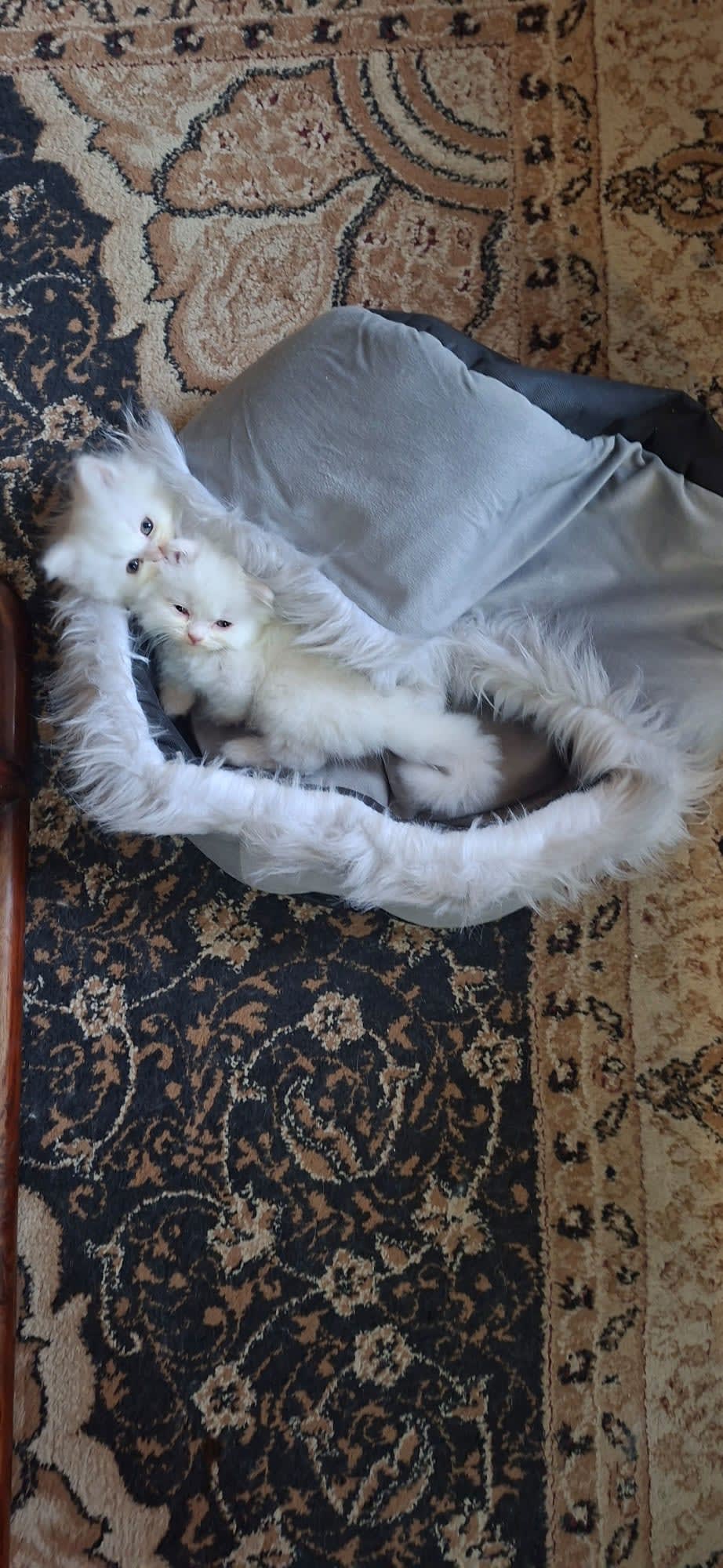
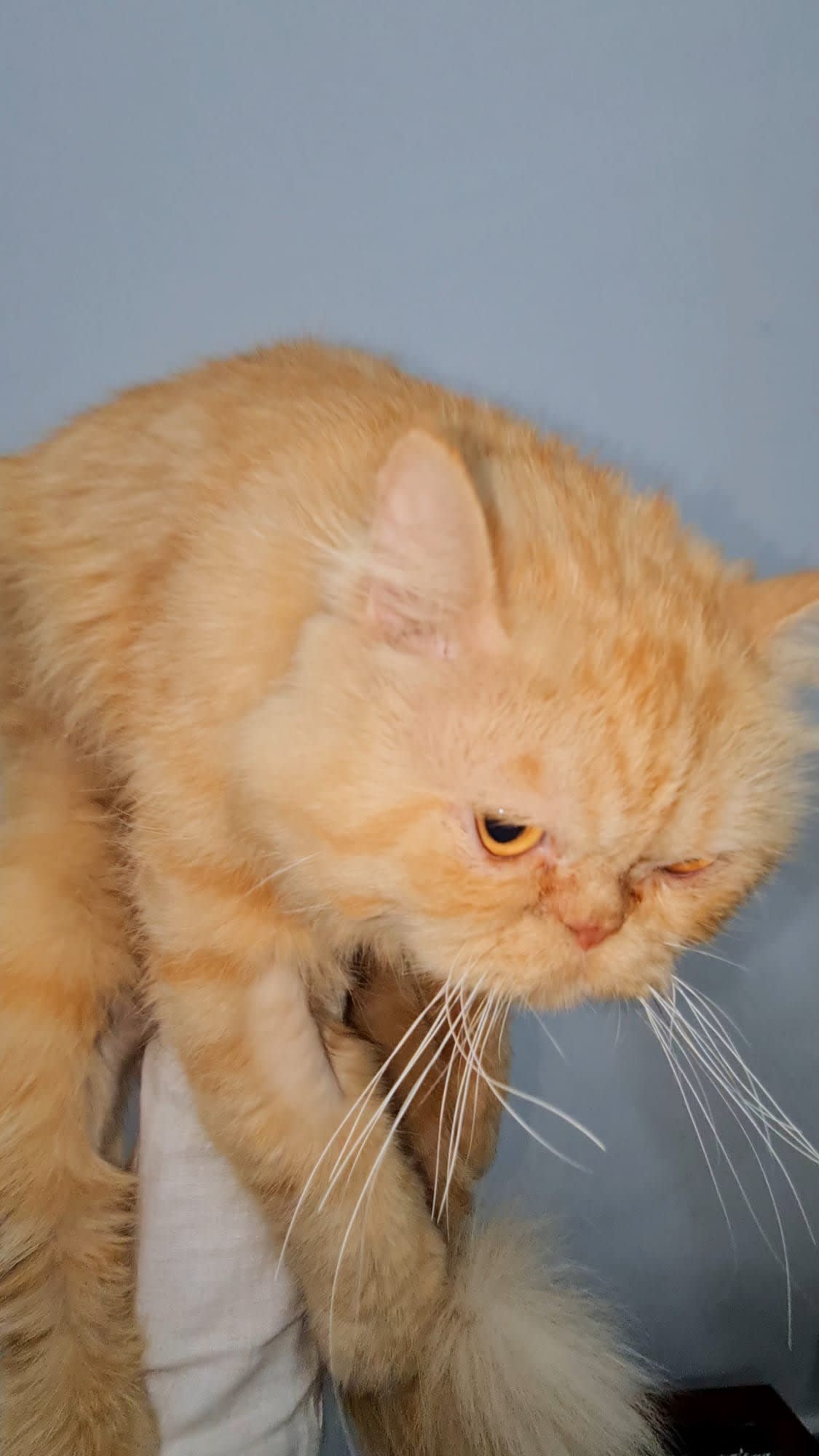
The Persian is the best known cat in Pakistan. It has a round head, short legs and a long coat that mats within days if you skip brushing. Flat faces bring breathing and eye problems, so a doll face Persian, with a visible nose, is usually the easier pet. Our Persian cat guide covers coat types and faces in detail, and you can browse Persian cats for sale.
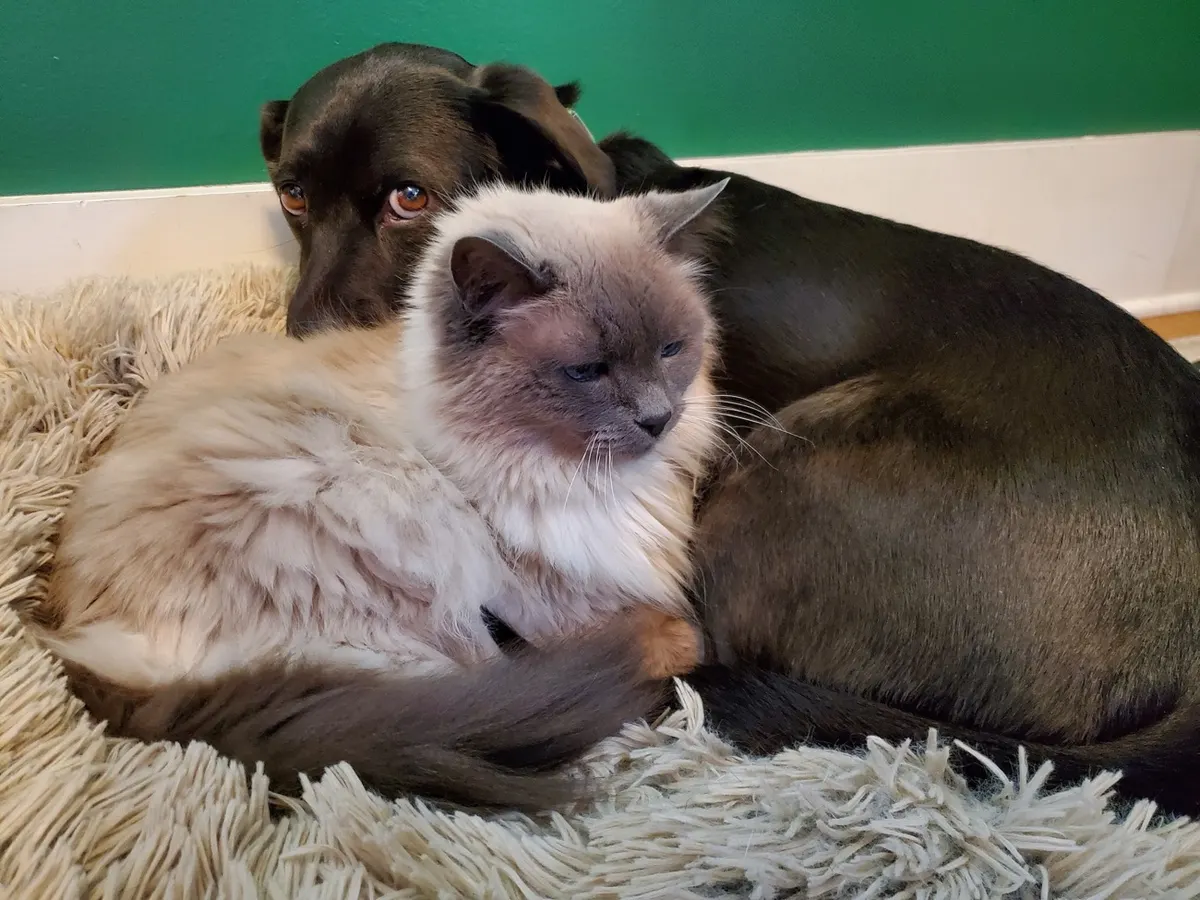
The Himalayan is a Persian with the colour pattern of a Siamese: a pale body, a darker face, ears, legs and tail, and blue eyes. Many breed registries treat it as a Persian colour variety, and it needs the same daily care.
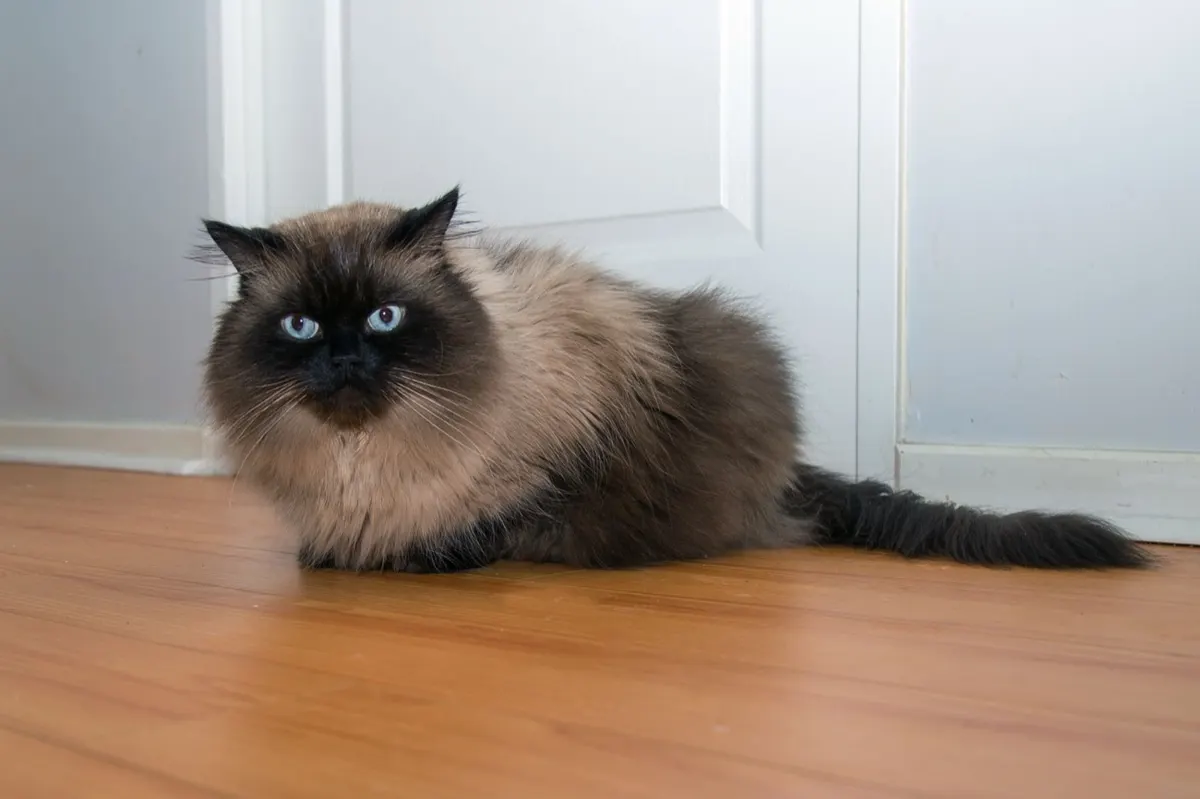
Siamese
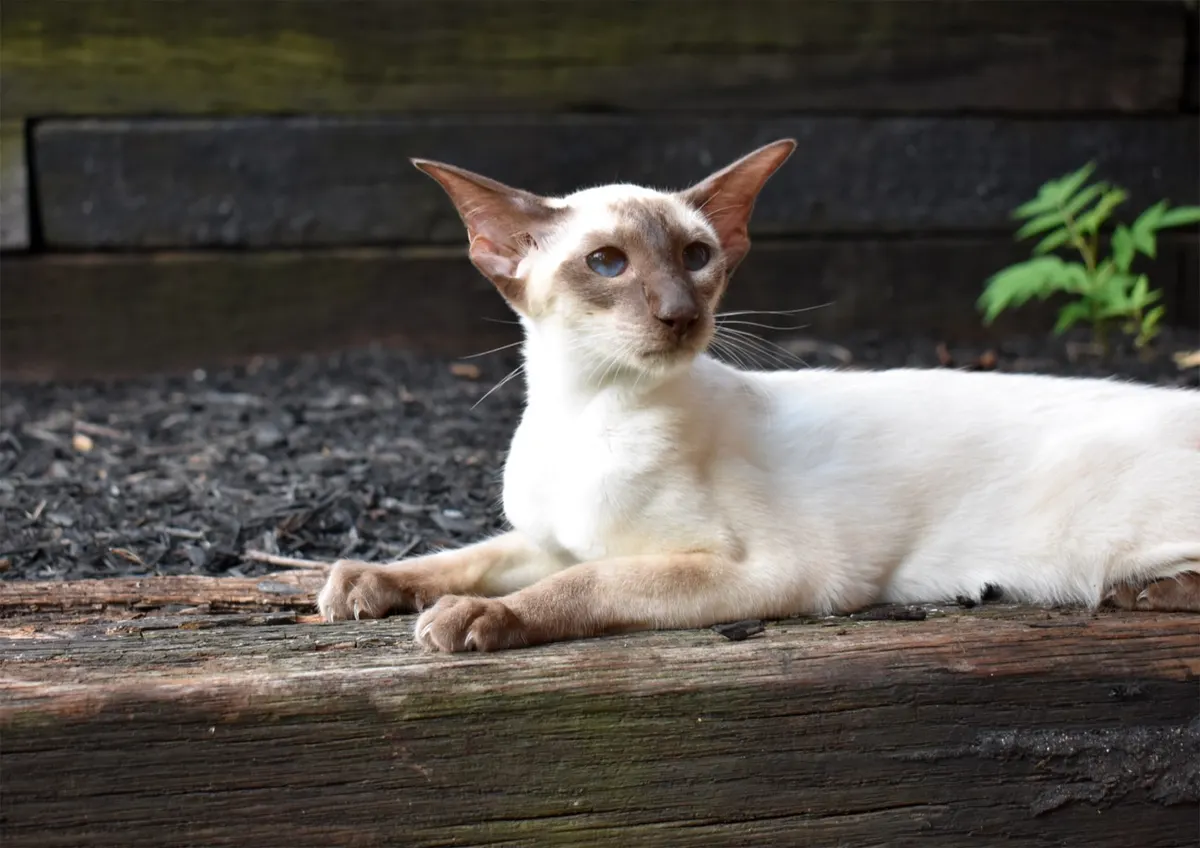
The Siamese comes from Thailand, once called Siam, where it appears in old Thai cat poems. It is slim, short-coated and very vocal. It talks to its owner, follows people from room to room and gets bored when left alone all day. The short coat is easy to keep and copes with heat better than a Persian coat. Look for Siamese cats for sale if you want a cat that is part of every conversation.
Maine Coon and Ragdoll
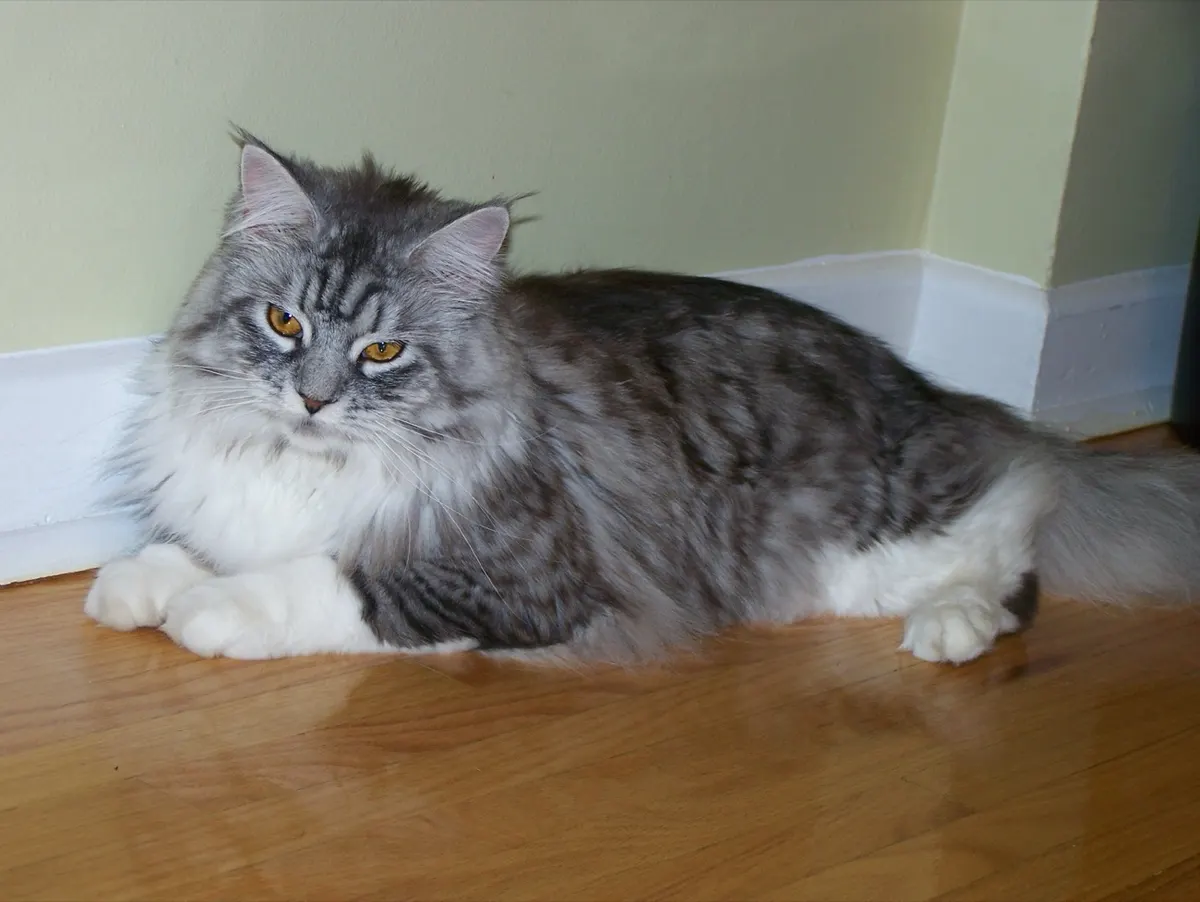
Both are large, gentle, long-coated breeds. The Maine Coon comes from New England in the north-east of the United States and is one of the biggest domestic cats, with tufted ears and a bushy tail. The Ragdoll is soft and relaxed and often goes limp when picked up. Both need brushing a few times a week and a cool room in summer.
Both breeds can carry a heart disease called hypertrophic cardiomyopathy (HCM). DNA tests exist for some forms of it, so ask the seller whether the parents were tested.
Bengal
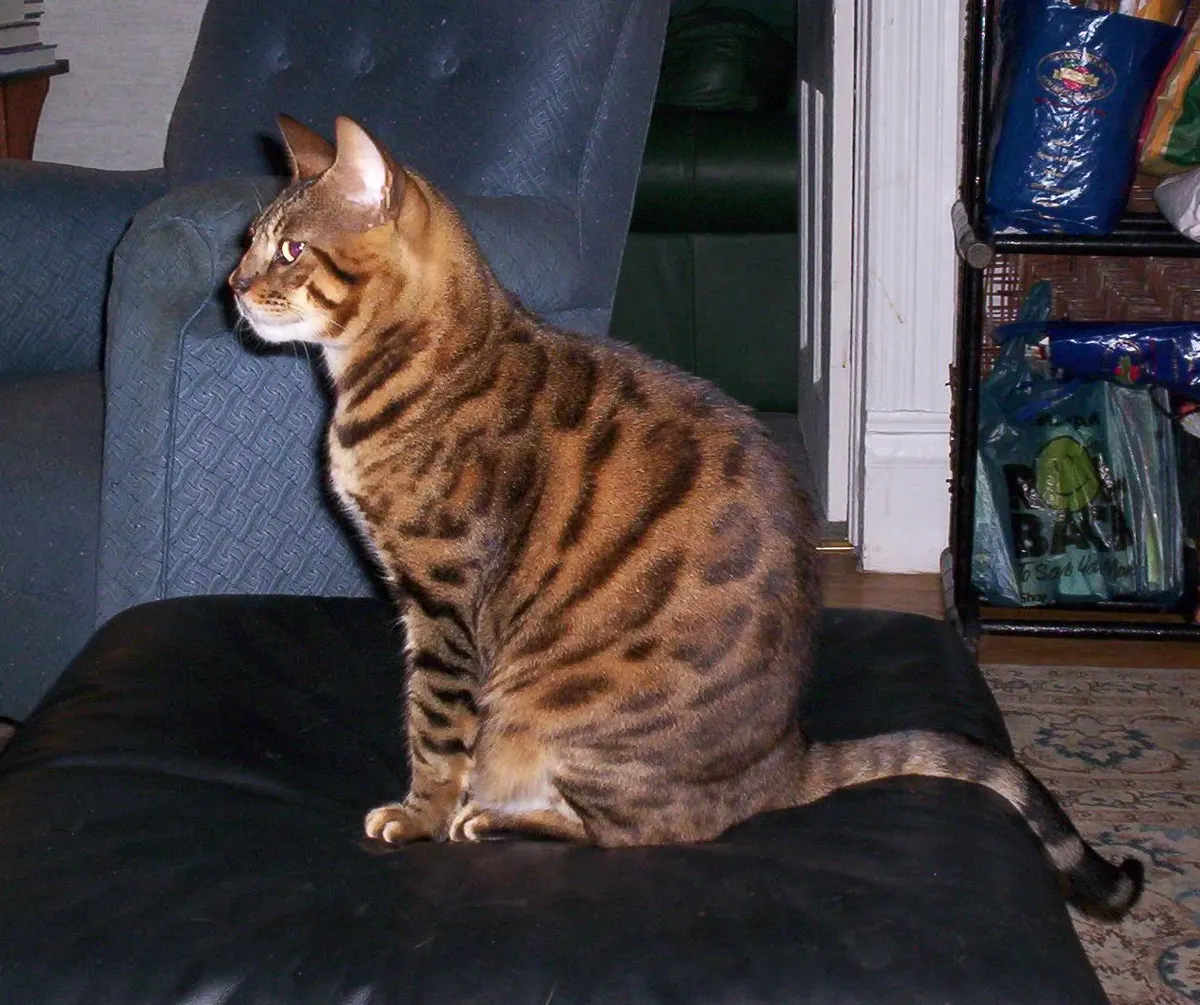
The Bengal was bred from crosses between domestic cats and the Asian leopard cat, a small wild cat. Pet Bengals today are many generations away from that wild ancestor and are domestic cats. They are still very active, love to climb and play with water, and need plenty of space and attention. A bored Bengal can become destructive. It suits an experienced owner with time to play.
Scottish Fold: the ear problem
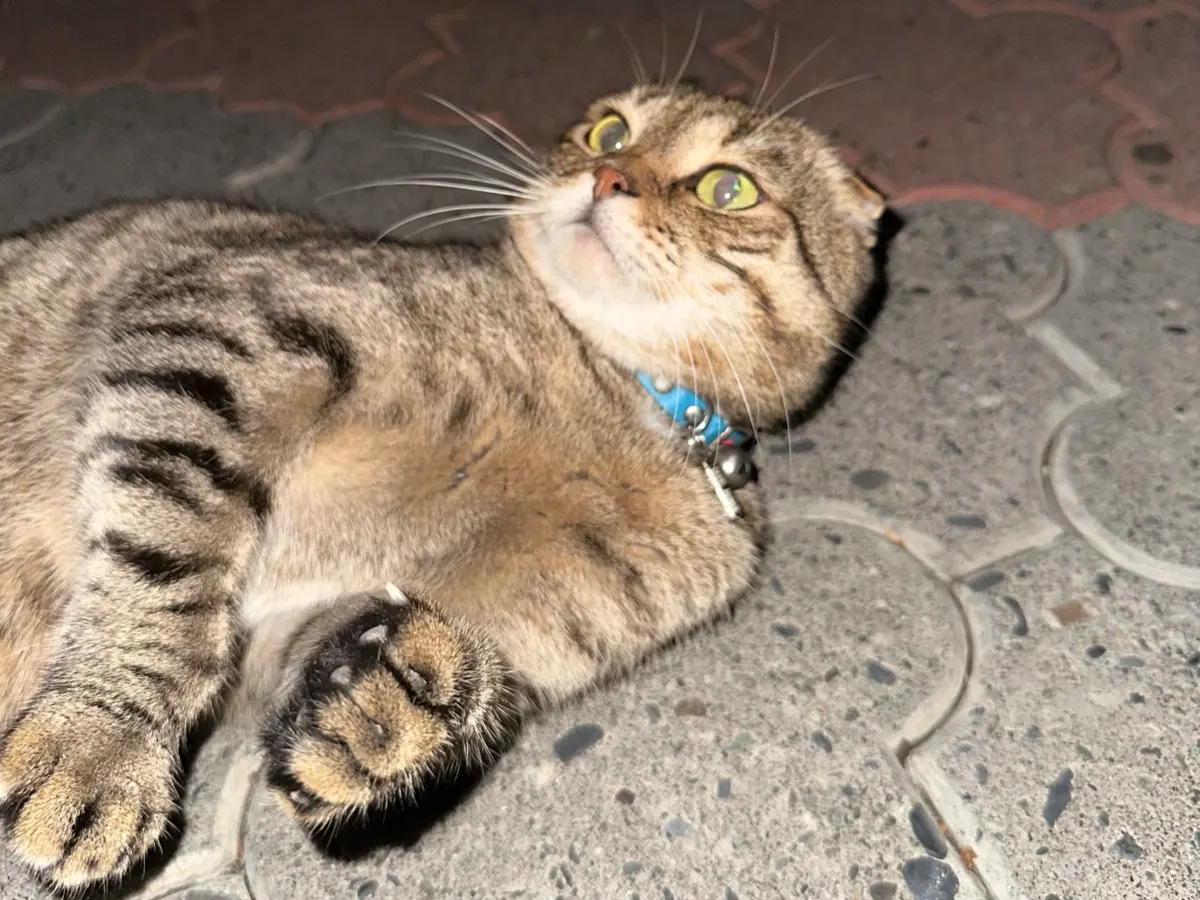
The Scottish Fold's ears fold forward because of a gene that affects cartilage all over the body, not only in the ears. Many Folds develop thickened, stiff and painful joints, sometimes while still young. Breeding two Folds together makes the problem worse. Some vets and animal welfare groups advise against breeding them at all.
If you love the look, talk to your vet before you buy. If you already own a Fold, watch for stiffness, a reluctance to jump or a short, stiff tail, and ask your vet about pain relief.
Other breeds and the desi cat
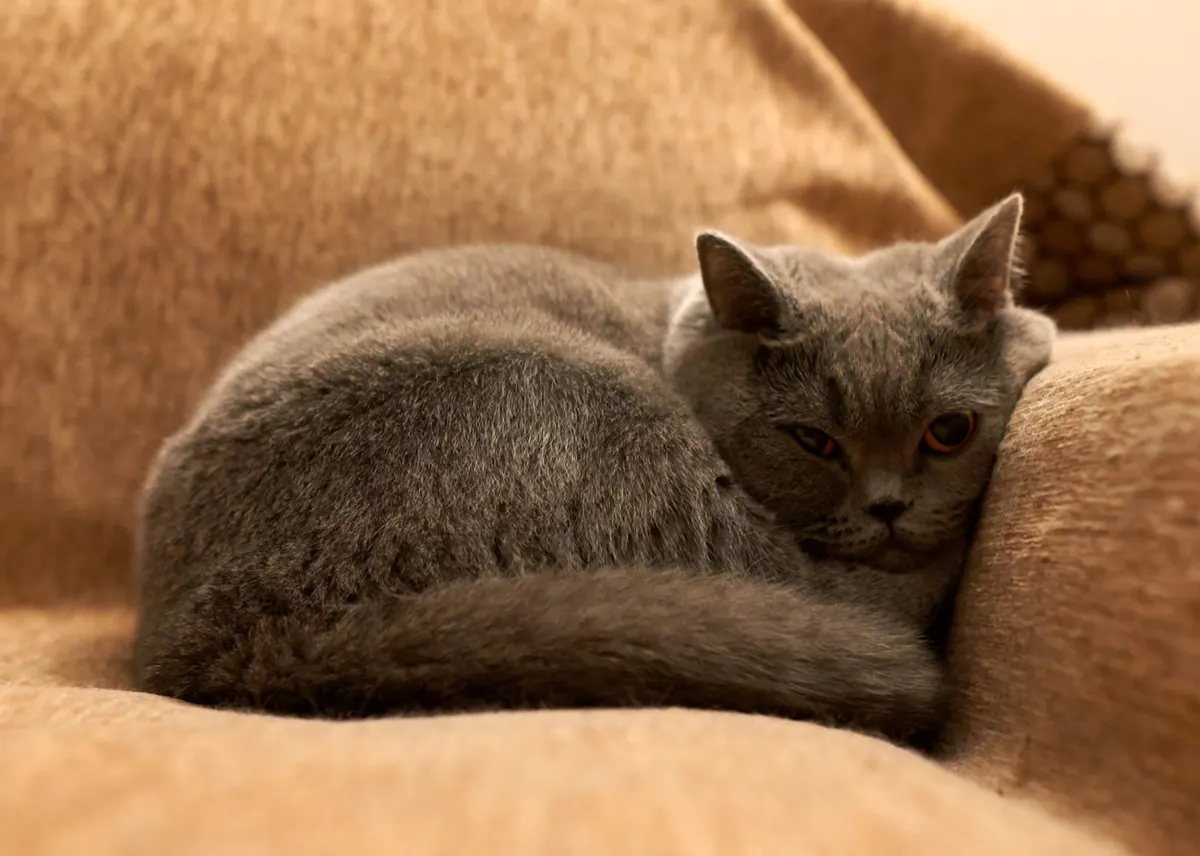
The British Shorthair is round-faced, calm and easygoing, with a dense coat that needs weekly brushing. It gains weight easily. The Russian Blue is quiet and gentle, with a short blue-grey coat. The Sphynx has almost no hair, so it needs regular baths and protection from both sun and cold.
The desi cat is a mixed-breed cat that has lived in Pakistan's homes and streets for generations. It is usually tough, adaptable and suited to the heat. For everyday care for any breed, read our cat care guide.
Civets and leopard cats are not pets
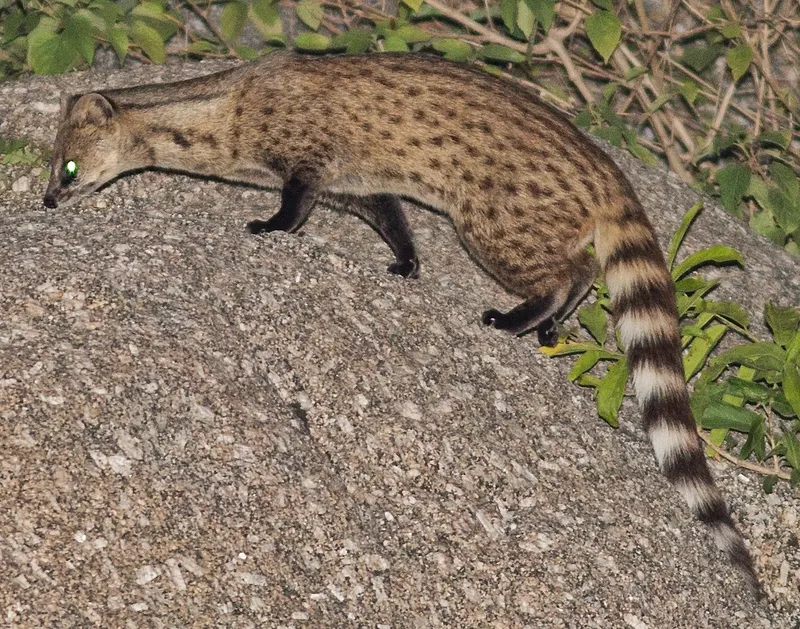
People often ask whether a civet cat, or mushk billi, can be kept as a pet. The answer is no. A civet is not a cat at all. It belongs to a separate family of wild animals, has a strong scent, and needs a diet, space and freedom that no home can give.
The Asian leopard cat and the jungle cat are true wild cats that live in parts of Pakistan. Even a young one raised by hand keeps its wild instincts and can bite and scratch hard. Pakistan's provincial wildlife laws protect many wild species, and catching, keeping or selling a wild animal can be an offence. Check the current rule with your provincial wildlife department. Our post on domestic cats and wild cats explains the difference.
Choosing a breed for a Pakistani home
- Think about the heat. Long coats and flat faces struggle in summer and during load shedding.
- Count your grooming time. A Persian needs daily brushing. A Siamese barely needs any.
- Think about time at home. Siamese, Bengals and Ragdolls dislike long hours alone.
- Meet the mother. Ask about vaccinations, deworming and any health tests on the parents.
- Never pay in advance for a kitten you have not seen. Our guide to buying a pet safely covers what to check.
If this is your first cat, read our best cat breeds for first time owners, and plan its shots with our cat vaccination schedule.
Where to find cats for sale
Browse all cats for sale across Pakistan, Persian cats, Siamese cats or cats for sale in Lahore. Every ad shows the seller's city, and you can chat with the seller before you visit.



Frequently asked questions
Which cat breed is best for a first time owner in Pakistan?
A healthy desi cat, a British Shorthair or a doll face Persian are good starting points. They are calm and easy to handle. Choose by temperament and grooming time, not only by looks.
Which cat breed handles the heat best?
Short-coated cats such as the Siamese, the Bengal and the desi cat cope better than long-coated, flat-faced breeds. Every cat still needs shade, fresh water and a cool room in summer.
Is a civet cat a pet?
No. A civet is a wild animal from a different family, not a cat. It keeps its wild instincts, has a strong scent and needs a diet and space a home cannot give. Leave civets in the wild.
Is the Scottish Fold a healthy breed?
The folded ears come from a gene that affects cartilage across the body. Many Folds develop stiff, painful joints. If you are thinking of one, talk to your vet first.
How can I tell if a kitten is really the breed the seller says?
Ask to see the mother and if possible the father, ask for any pedigree papers, and compare the kitten with the breed's usual coat, head and body. Without papers, treat breed claims with care.