How to Take Care of a Cat: Daily Routine, Vaccines and Best Breeds
How to take care of a cat at home: food, water, litter, grooming, play, vaccines and safety, plus six breeds such as the Persian that suit a family home.

In this article8 sections
A cat needs the same few things every day. Get them right and most problems never start. Here is the routine, then six breeds for family homes.
Food and water
Cats are meat eaters. Give a complete cat food made for the cat's age: kitten food for kittens and adult food for adults. Dog food and table leftovers are not a full diet, and cow's milk is not a treat. Most adults do well on two or more small meals a day. Wet food adds water, which helps because many cats drink little.
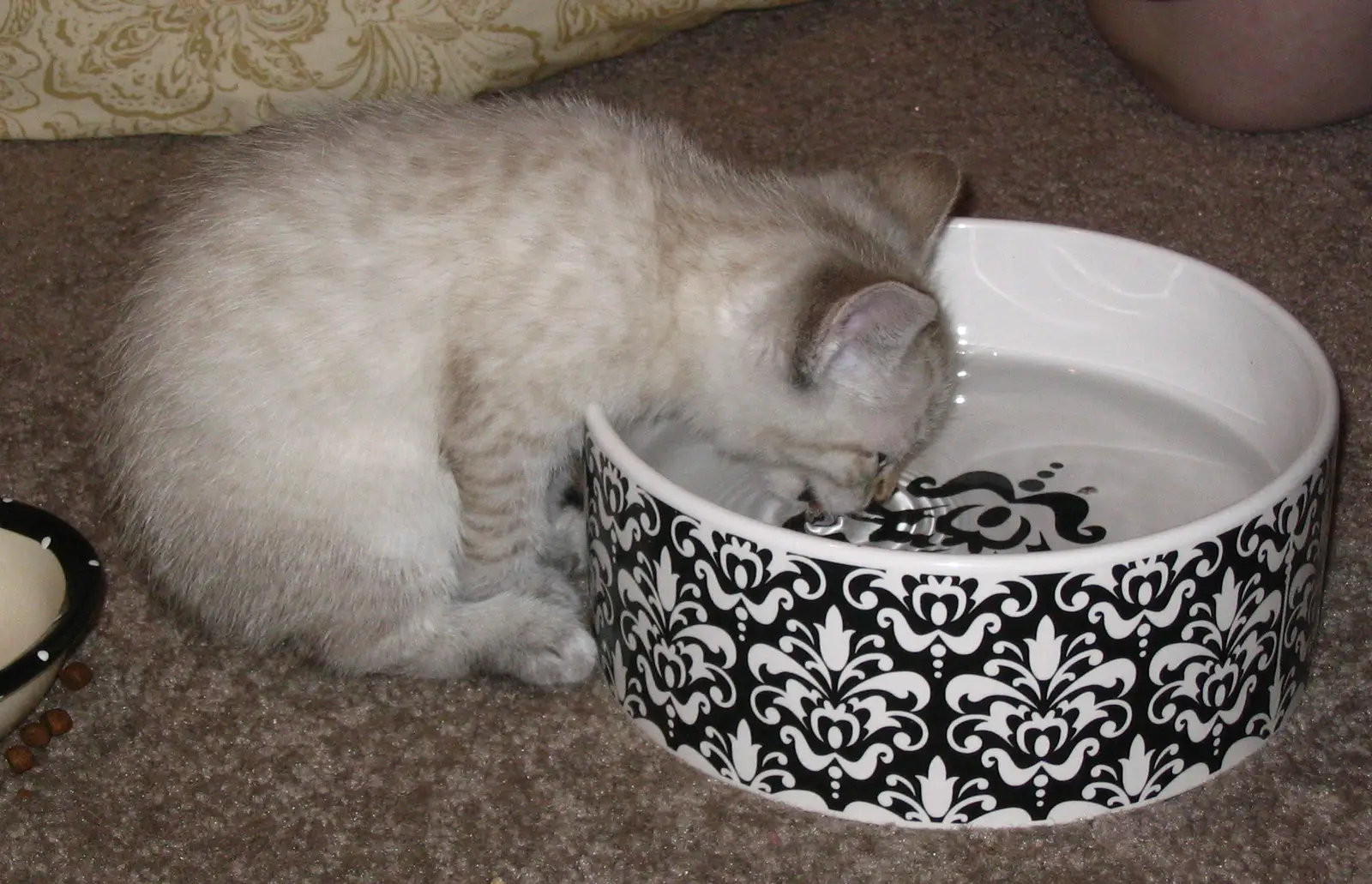
Change the water every day and wash the bowl. Use a wide, shallow bowl away from the food, and check it more than once a day in summer.
The litter tray
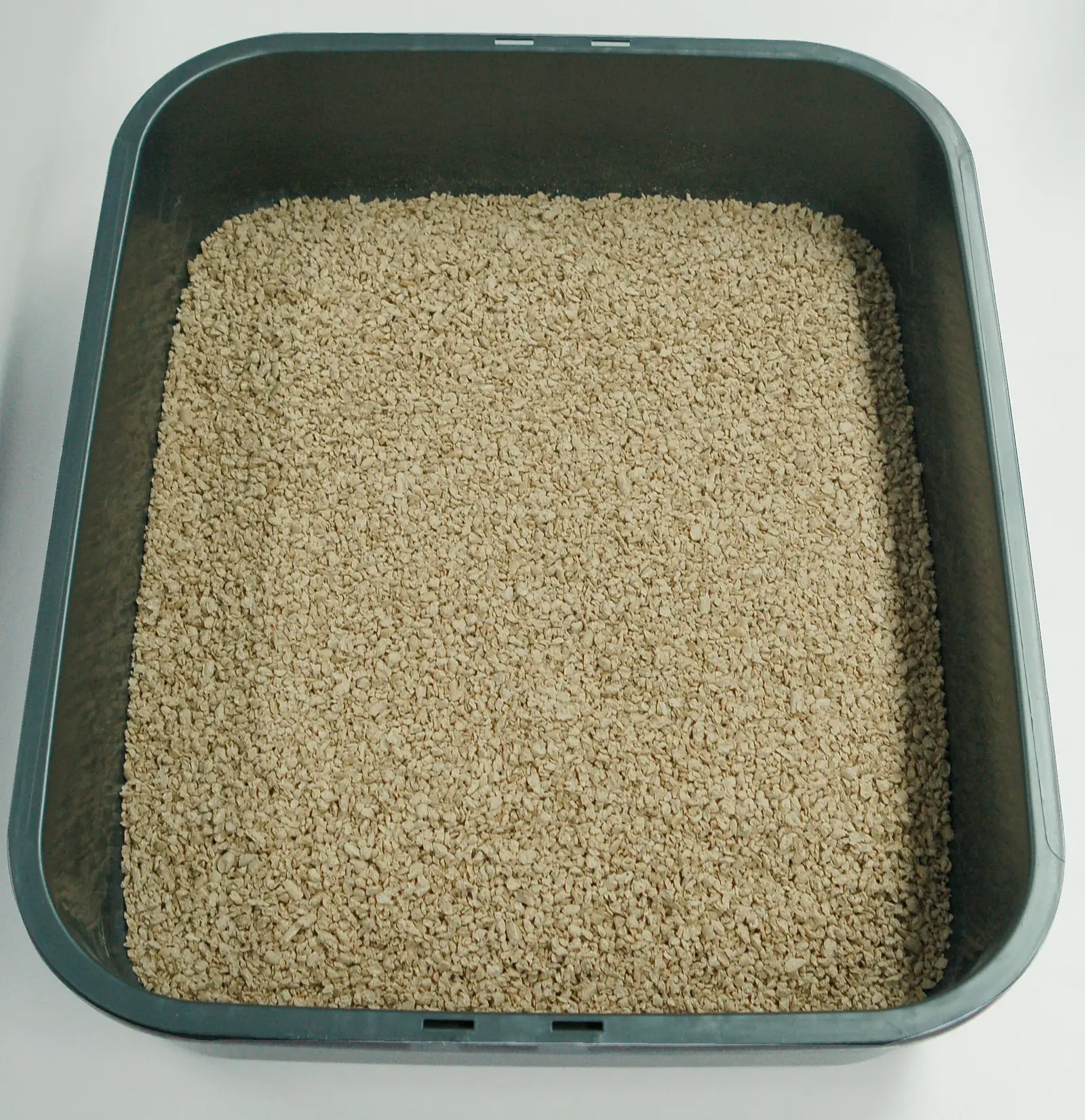
Keep one tray for each cat, plus one extra, in a quiet spot away from food and water. Scoop at least once a day, and once a week wash the tray with plain soap and water. Stay with one kind of litter, because a sudden change can make a cat stop using the tray. If your cat goes outside the tray, do not scold it. Pain and illness are common causes, so see a vet.
Grooming
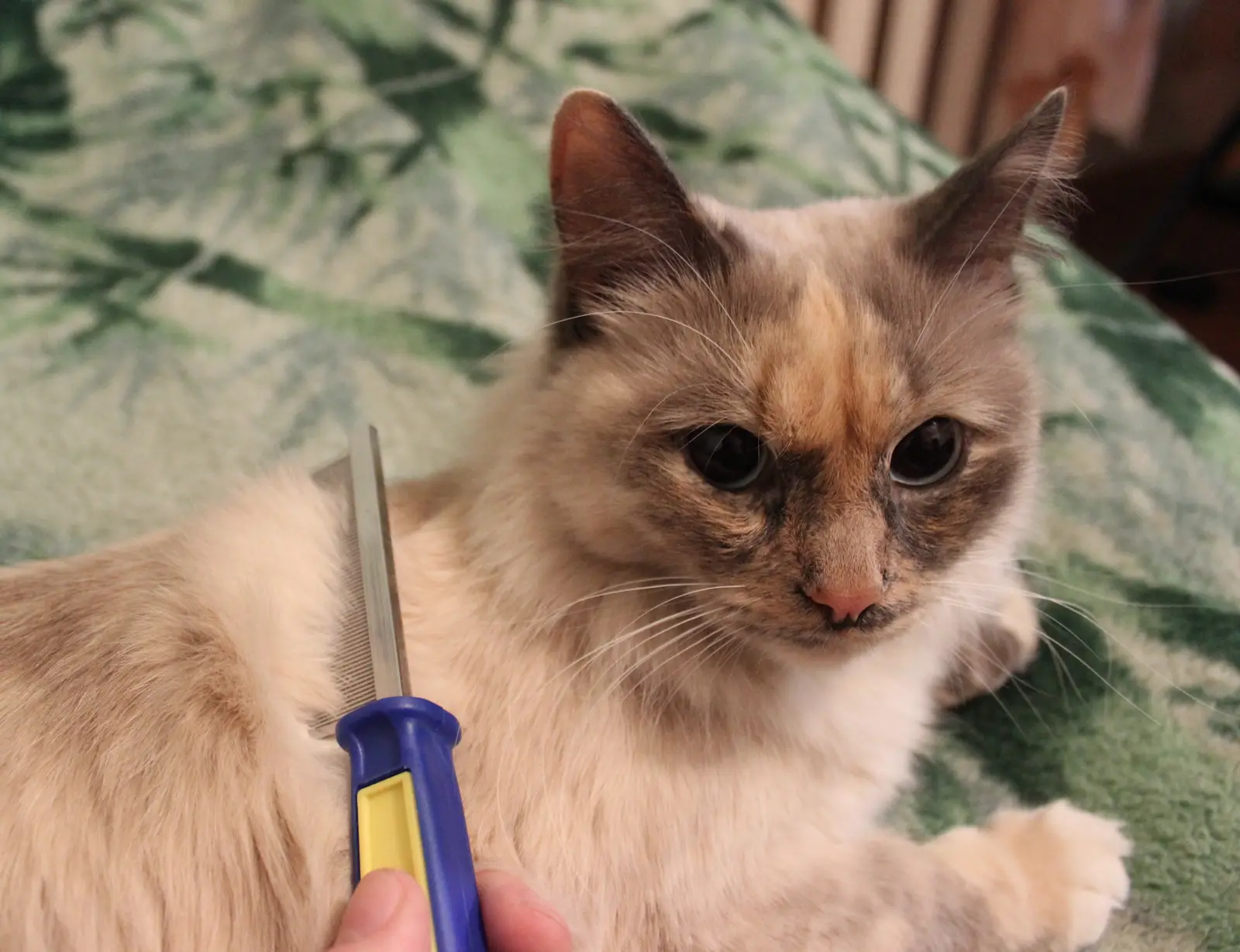
Short-haired cats need a brush about once a week. Long-haired cats need one every day, because the coat tangles behind the ears, under the legs and near the tail. Start when the cat is young, with short, calm sessions.
Play and rest
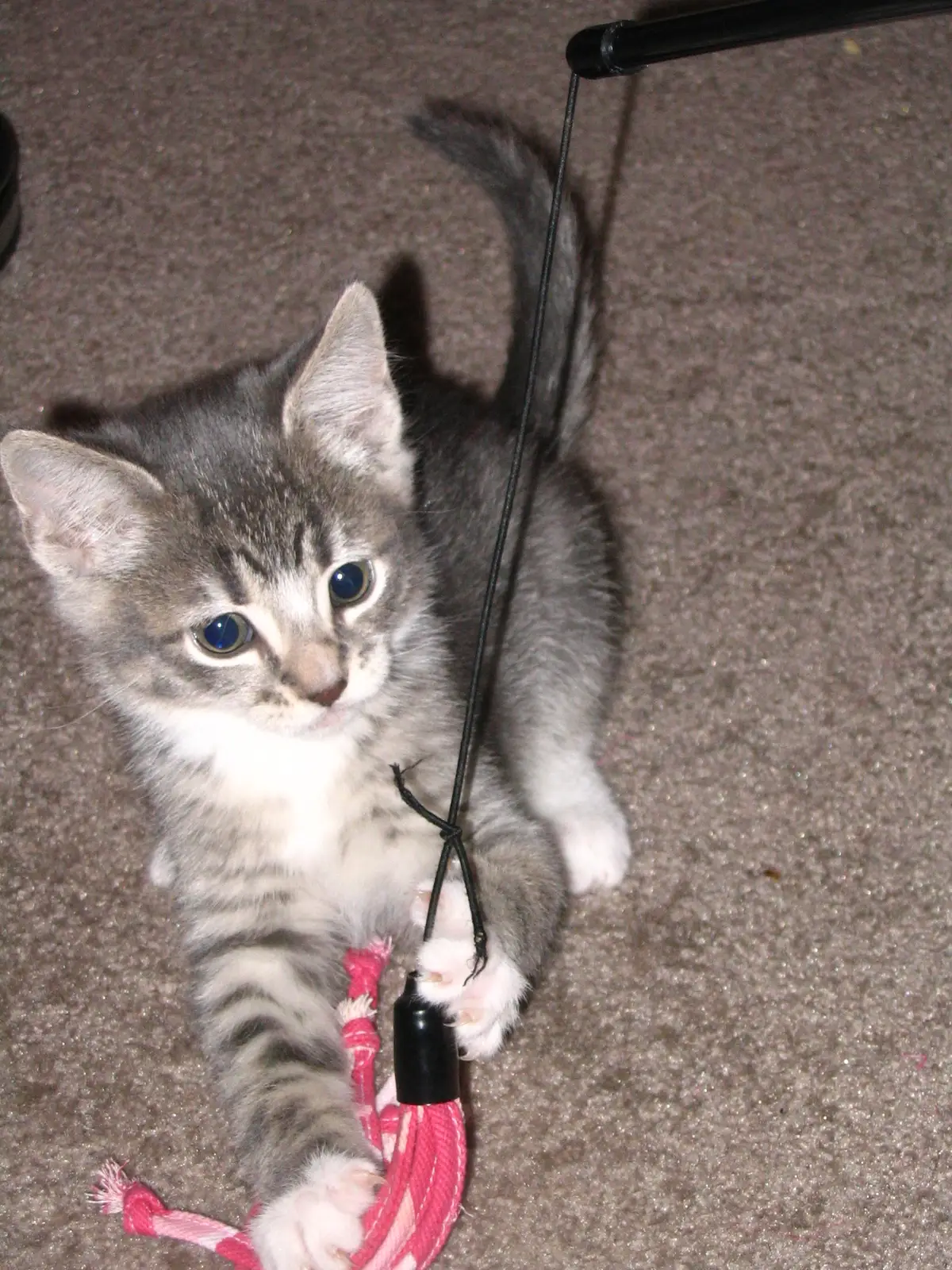
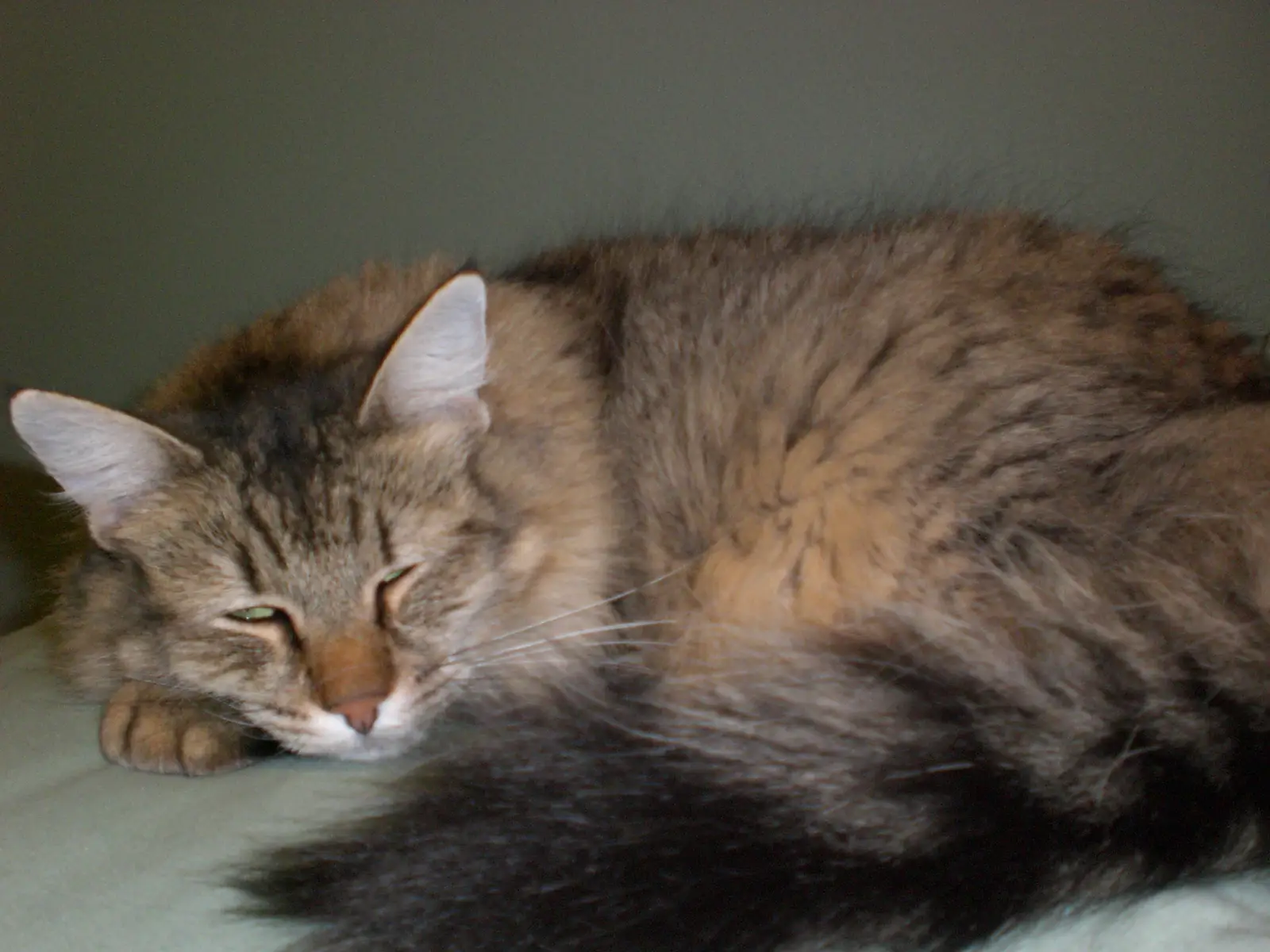
A bored cat becomes a problem cat. Play in a few short sessions every day with a wand toy or a light ball, never with your hands or feet. Give it a scratching post, and a quiet, warm place to sleep, because cats rest 12 to 16 hours a day.
Vet care and vaccines
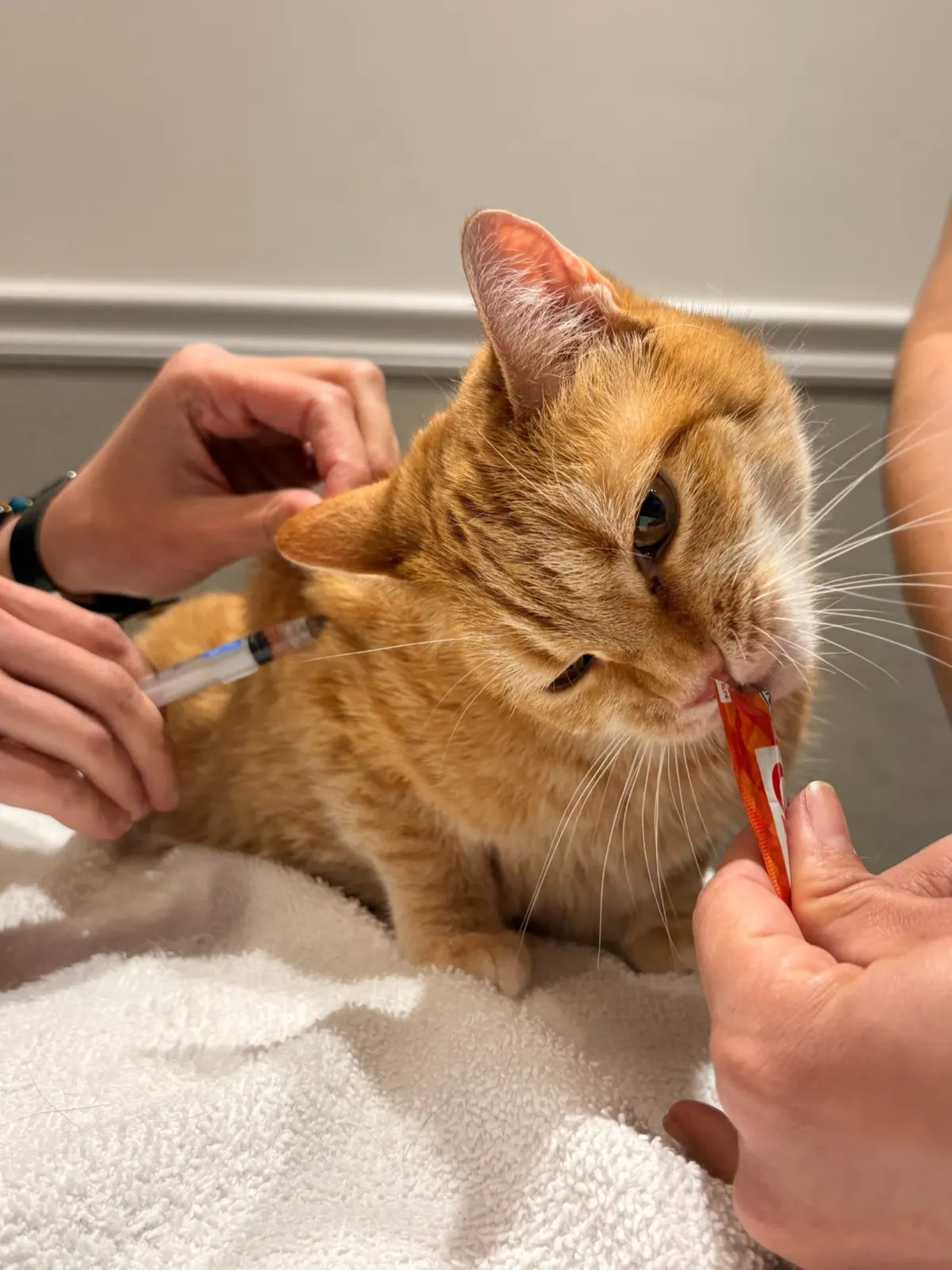
Take a new cat to a vet in the first week, even if it looks healthy. The vet will plan the vaccines, deworming and flea control. The core vaccines protect against feline panleukopenia (distemper), feline herpesvirus, feline calicivirus and rabies, which can pass to people. Kittens usually start at 6 to 8 weeks and get boosters every 3 to 4 weeks until about 16 weeks. Your vet will set the exact dates. Vets often advise spaying or neutering at around five to six months.
Keep your home safe
Keep these out of reach, because they can poison cats:
- Lilies. Any part of the plant can cause kidney failure.
- Onions and garlic.
- Chocolate, grapes and raisins.
- Human medicines, above all paracetamol.
If you think your cat has eaten something harmful, call a vet at once. Do not wait for signs.
Put a net or grille over balconies and open windows, because cats fall from low floors too. Keep string and rubber bands away, as they can block the gut. Never leave a cat in a closed car. Most vets advise keeping a cat indoors.
Breeds that suit a home
Any healthy cat can be a good pet. These six breeds are among the ones people look for most often.
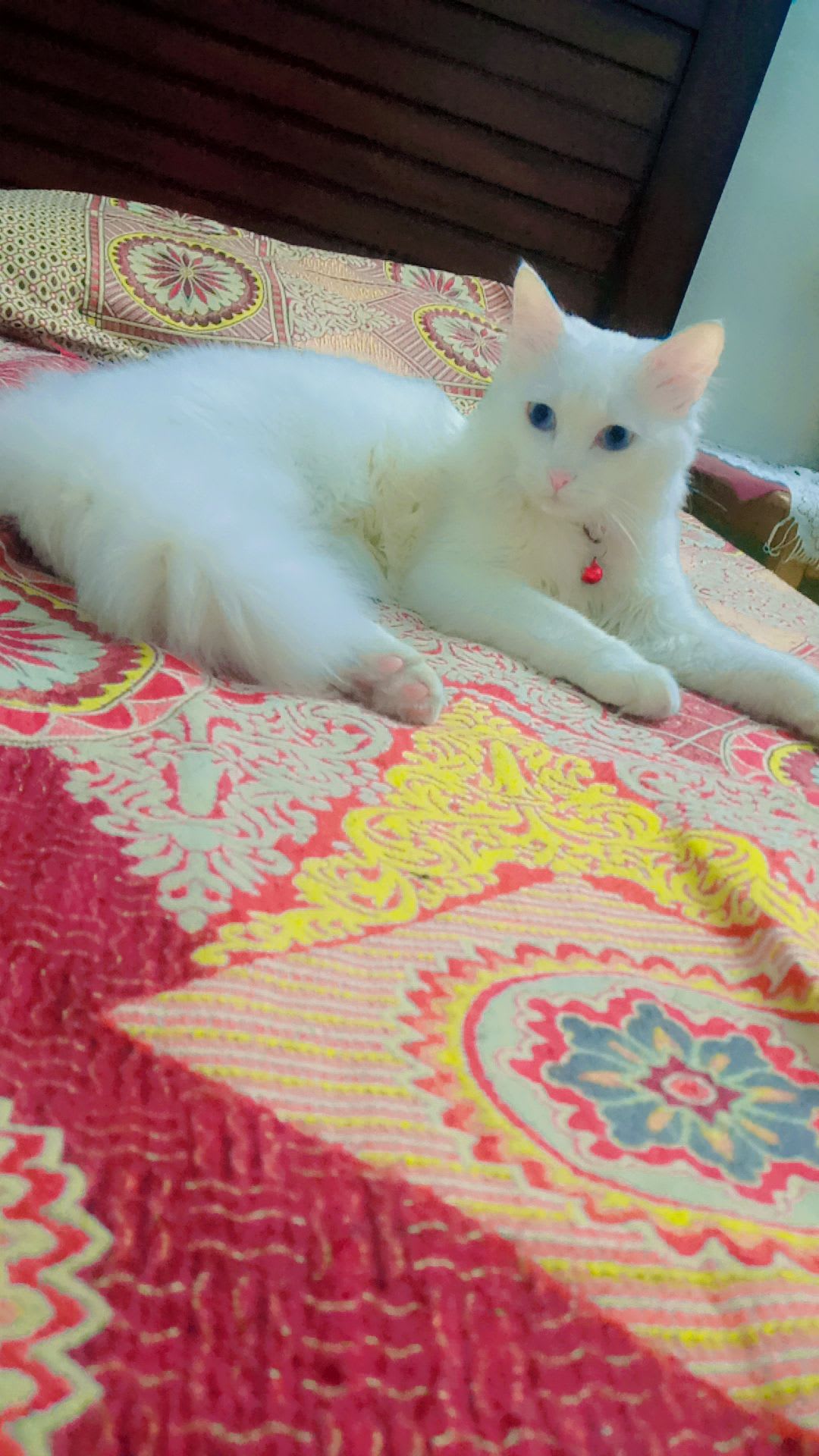
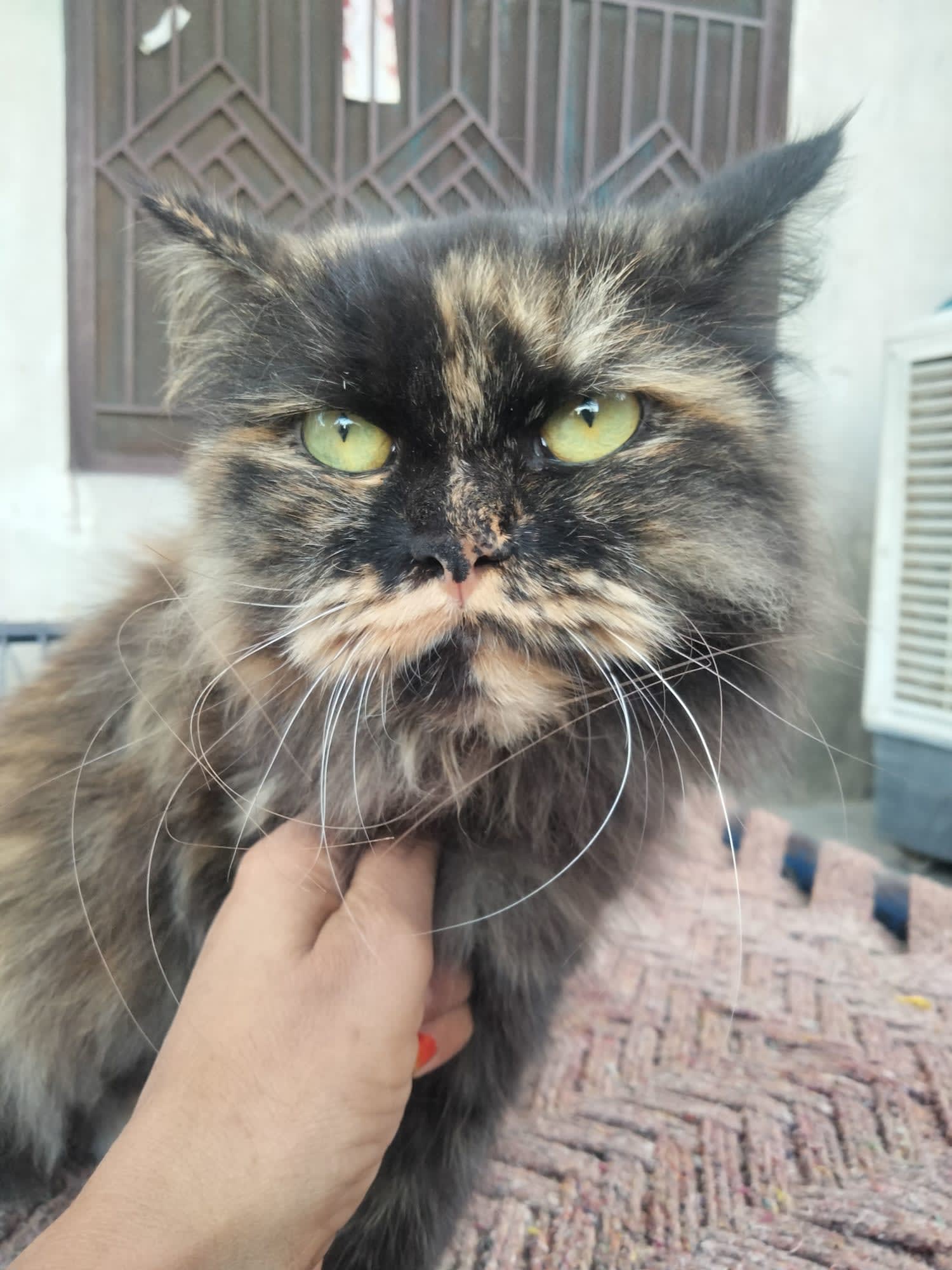
- Persian. Calm and quiet, with a long coat that needs combing every day. The flat face can cause breathing problems, and the breed can carry polycystic kidney disease (PKD). Ask for the parents' PKD test result. Our Persian cat guide covers coat types, faces and summer care.
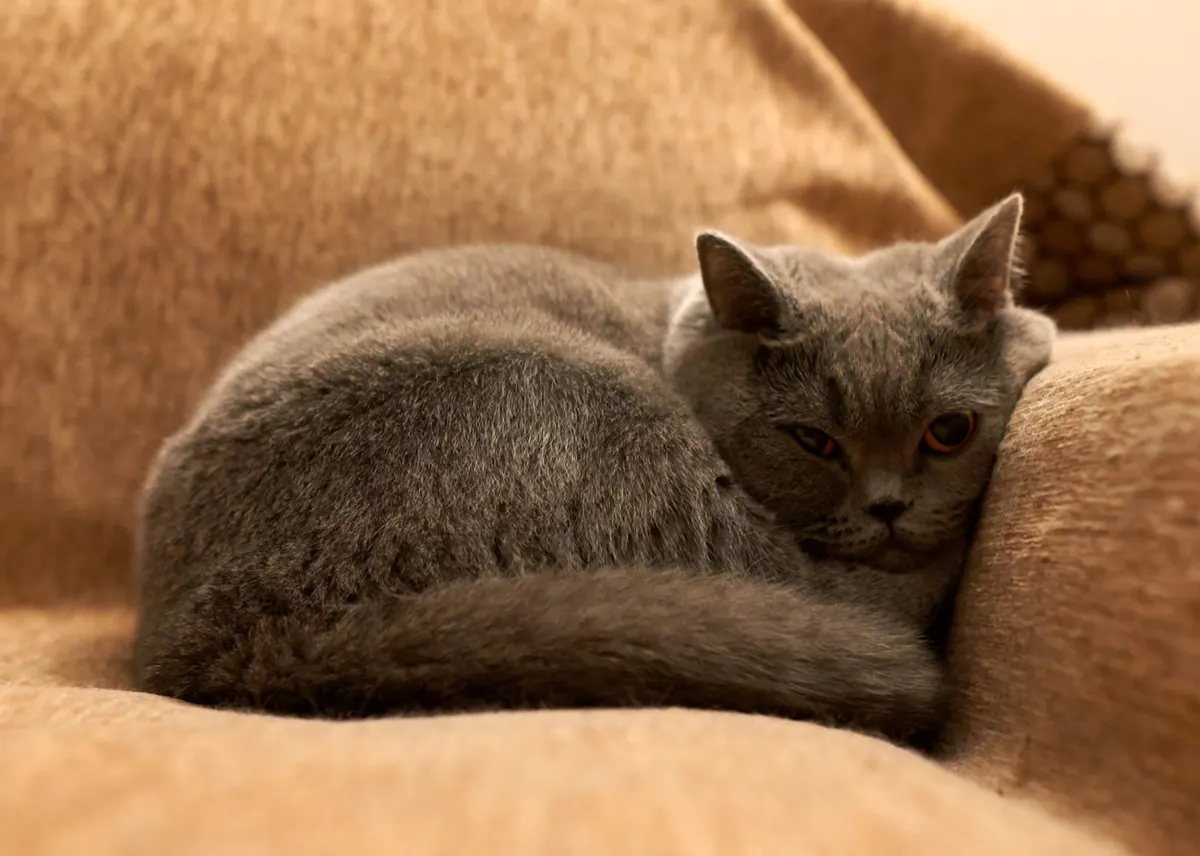
- British Shorthair. Calm and easygoing, with a short coat that needs brushing about once a week. It gains weight easily. Heart disease (HCM) is a concern, so ask about heart screening.
- Maine Coon. One of the largest breeds. Friendly and gentle, with a long coat that needs brushing a few times a week. A DNA test exists for HCM, so ask to see the result.
- Ragdoll. Large, soft and affectionate. It follows its person around and dislikes being alone for long. Ask about HCM screening.
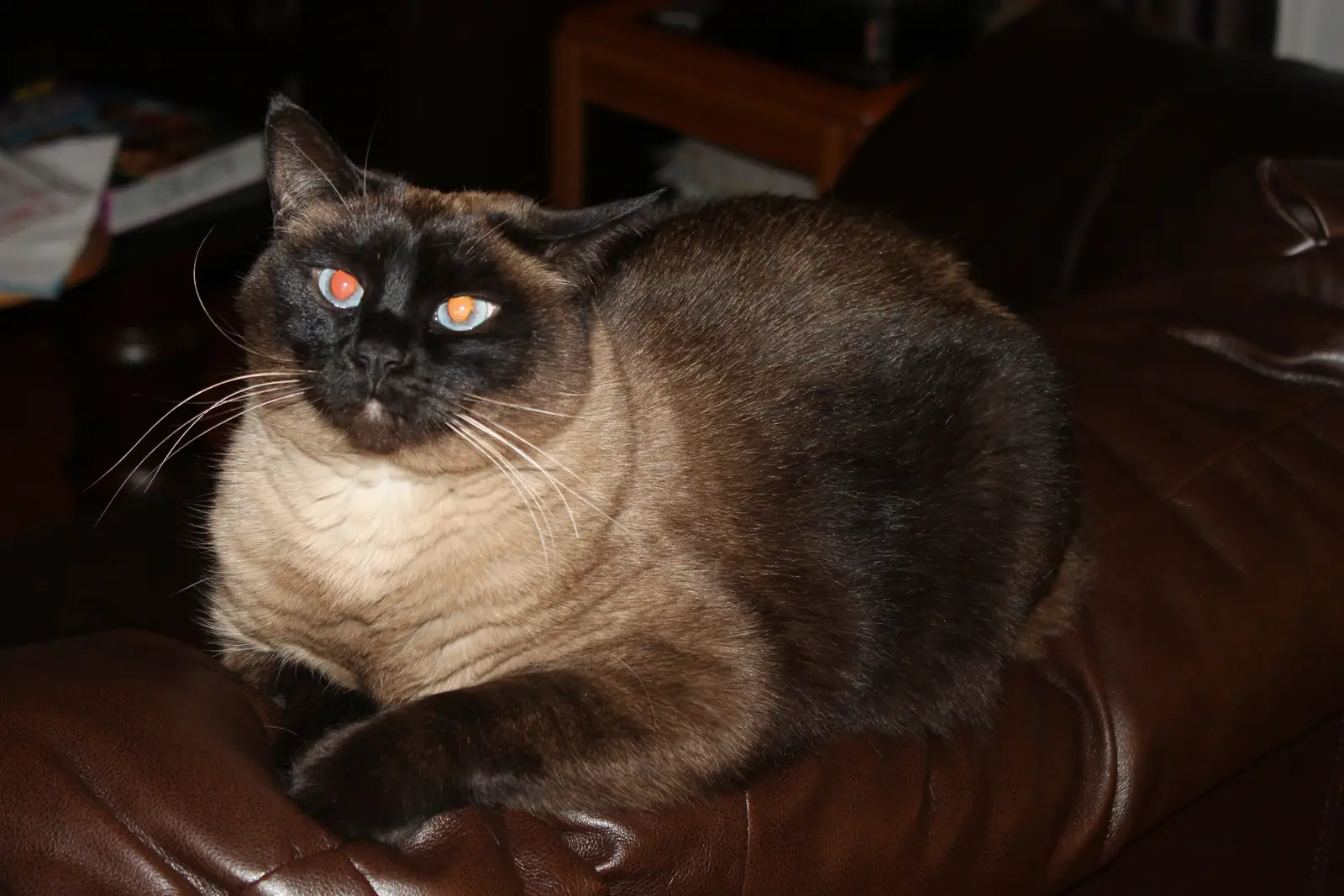
- Siamese. Slim, short-coated and very talkative. It is not a cat to leave alone all day.
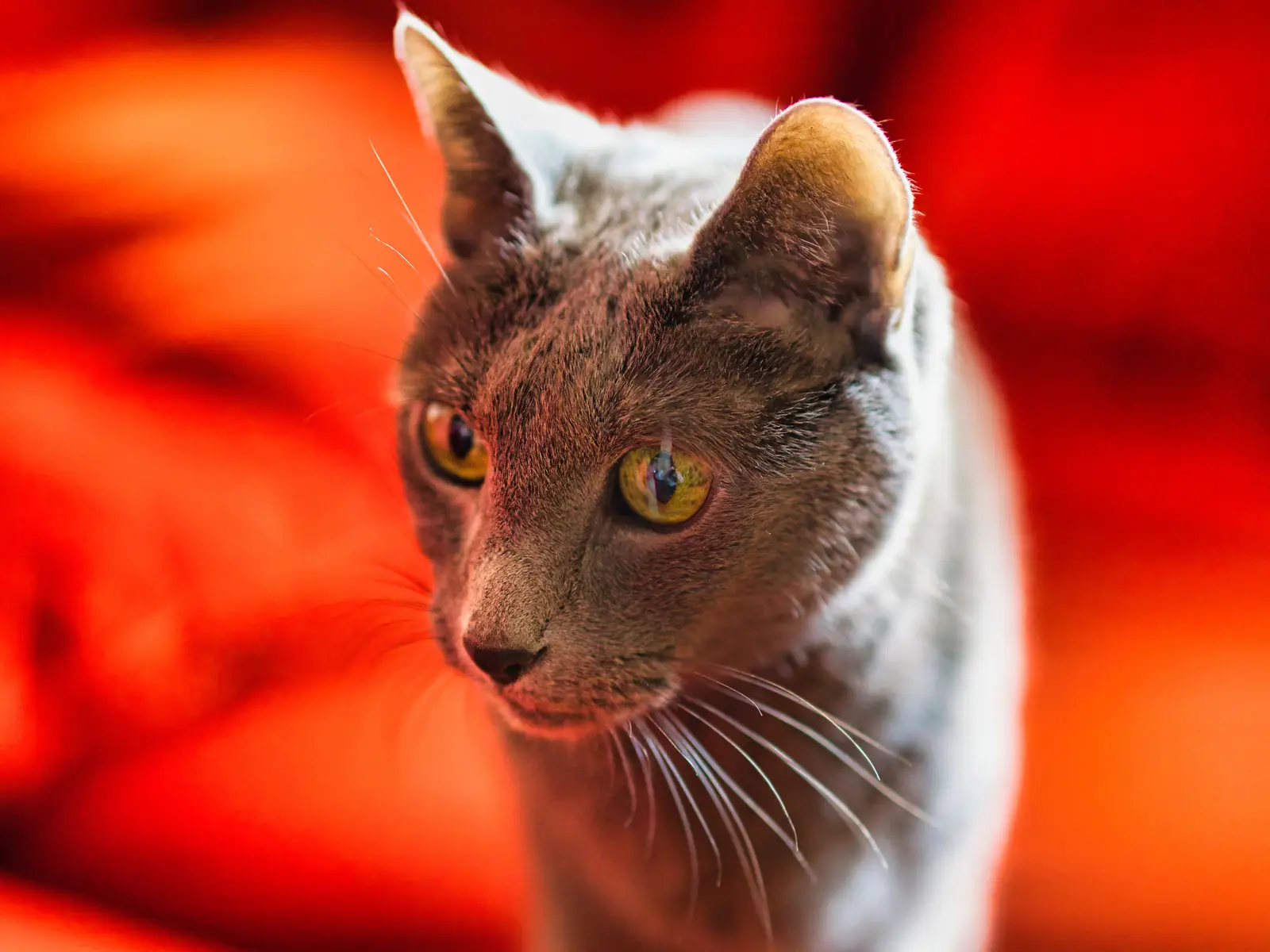
- Russian Blue. A short, dense blue-grey coat. Quiet and gentle, often shy with strangers at first.
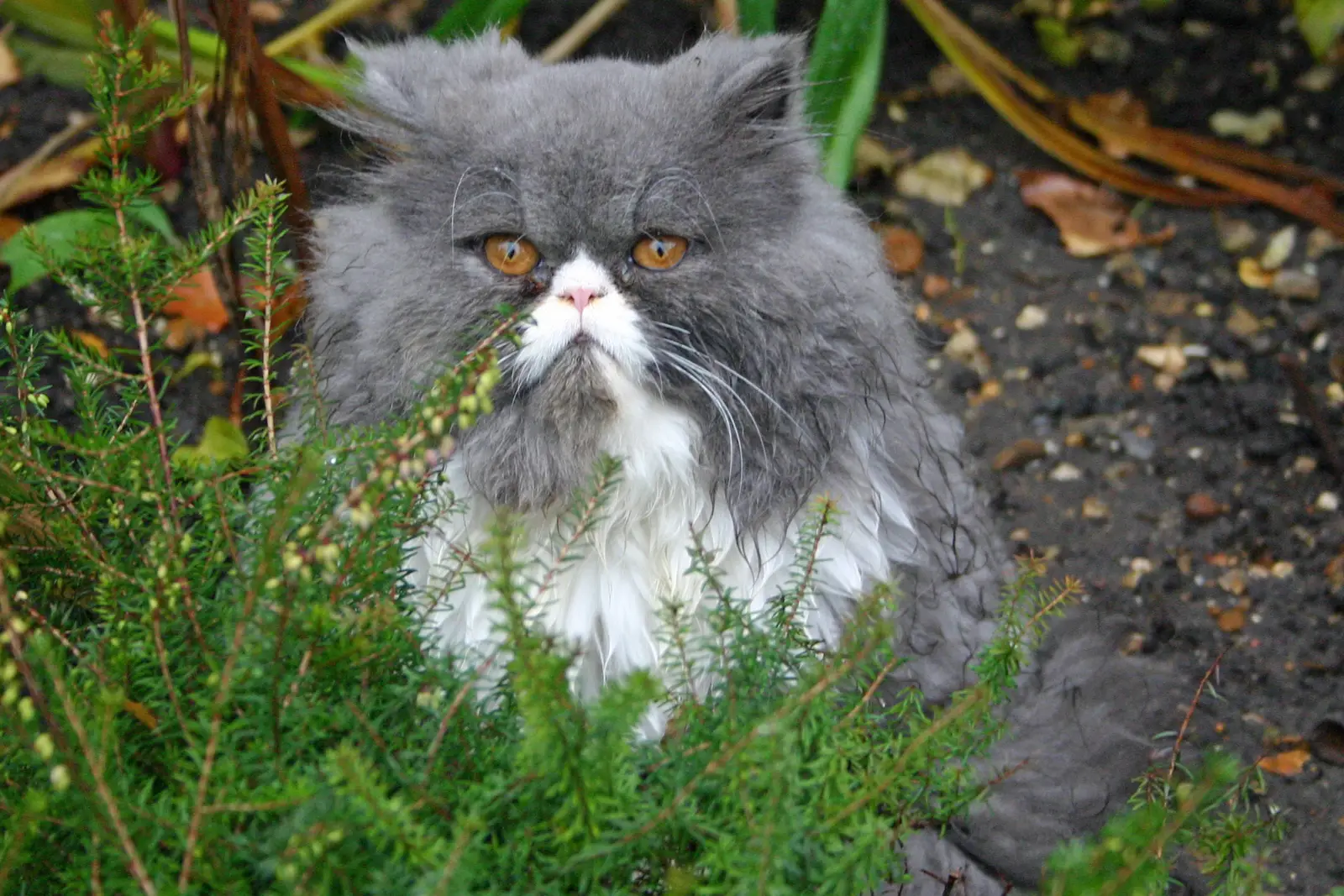
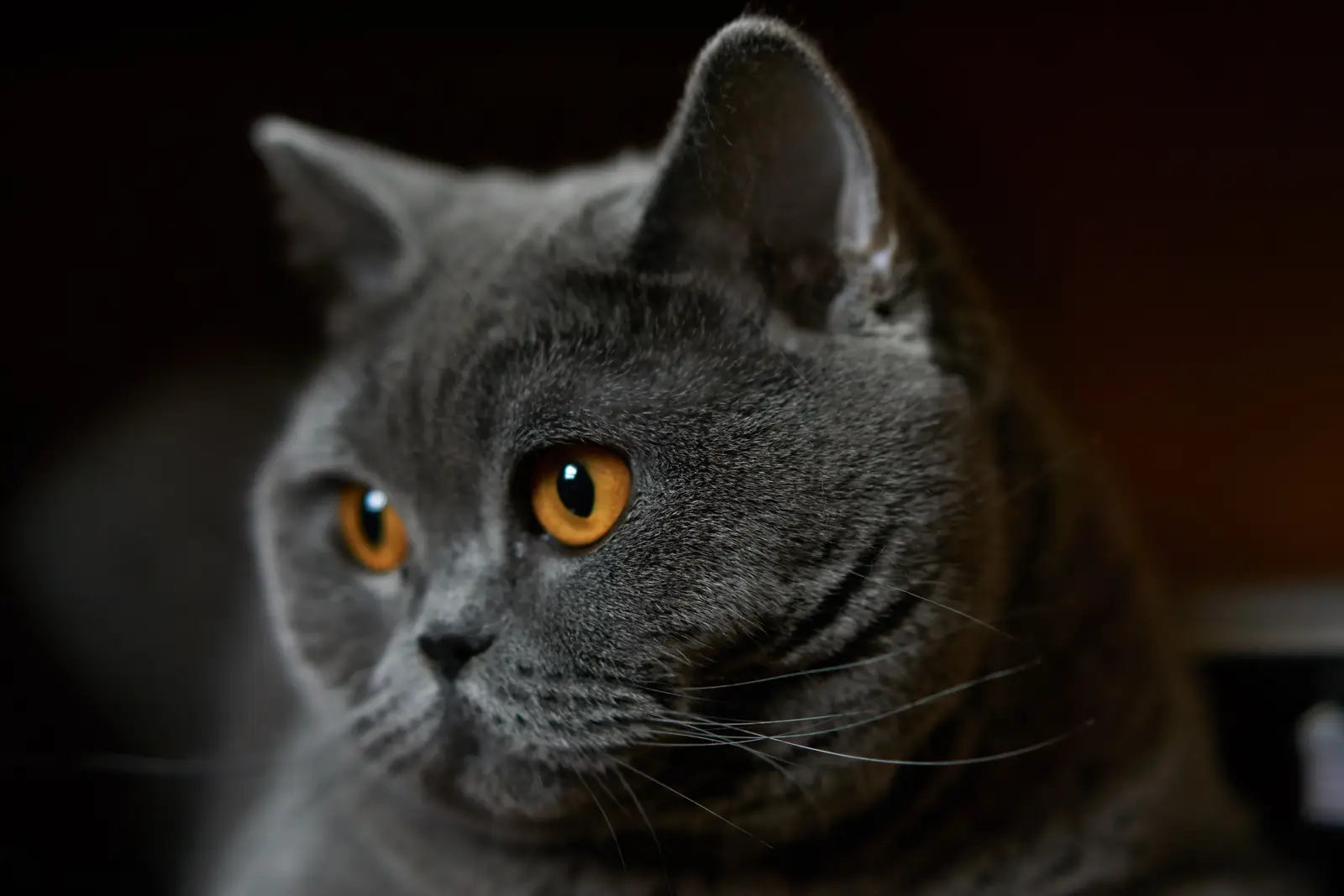
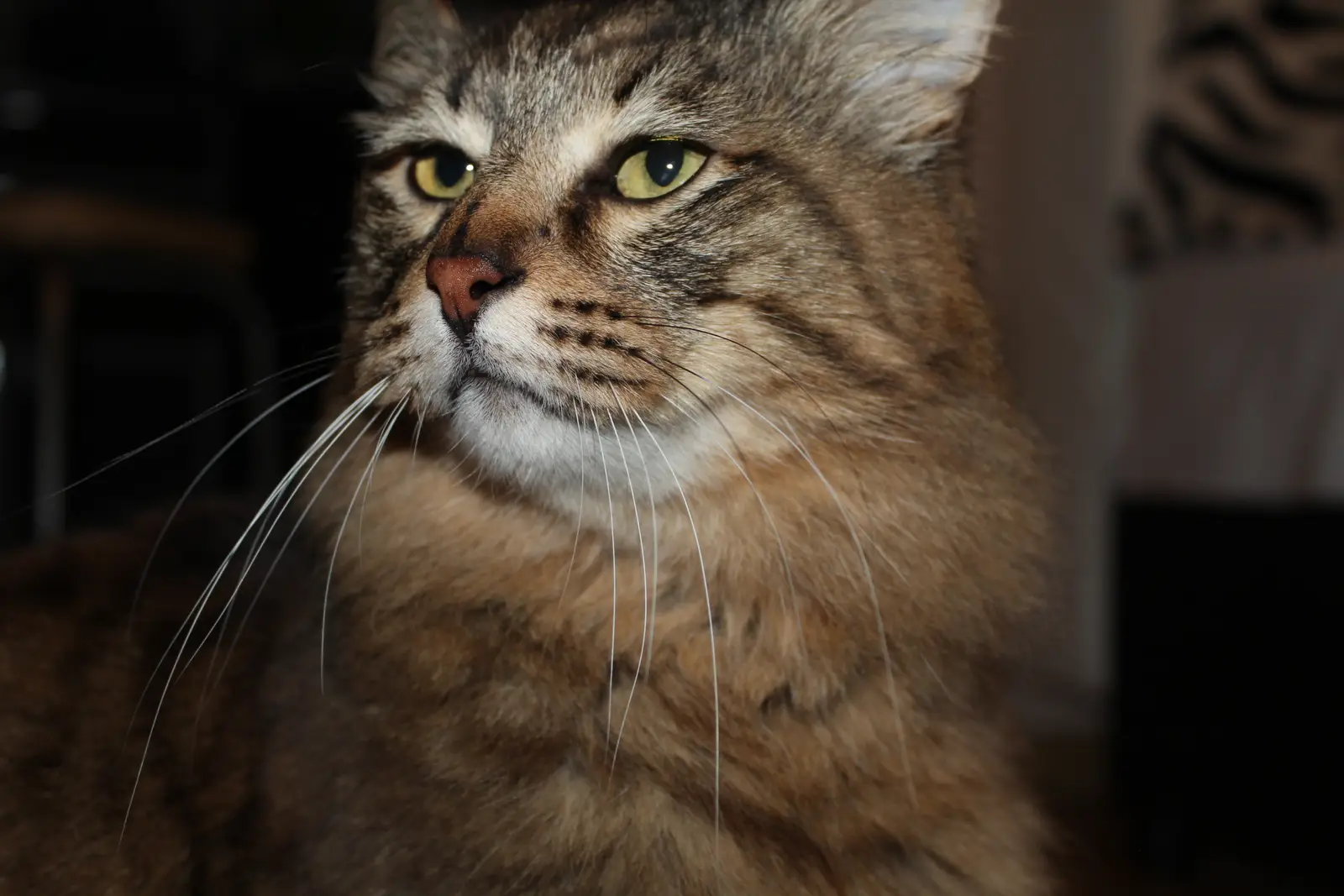
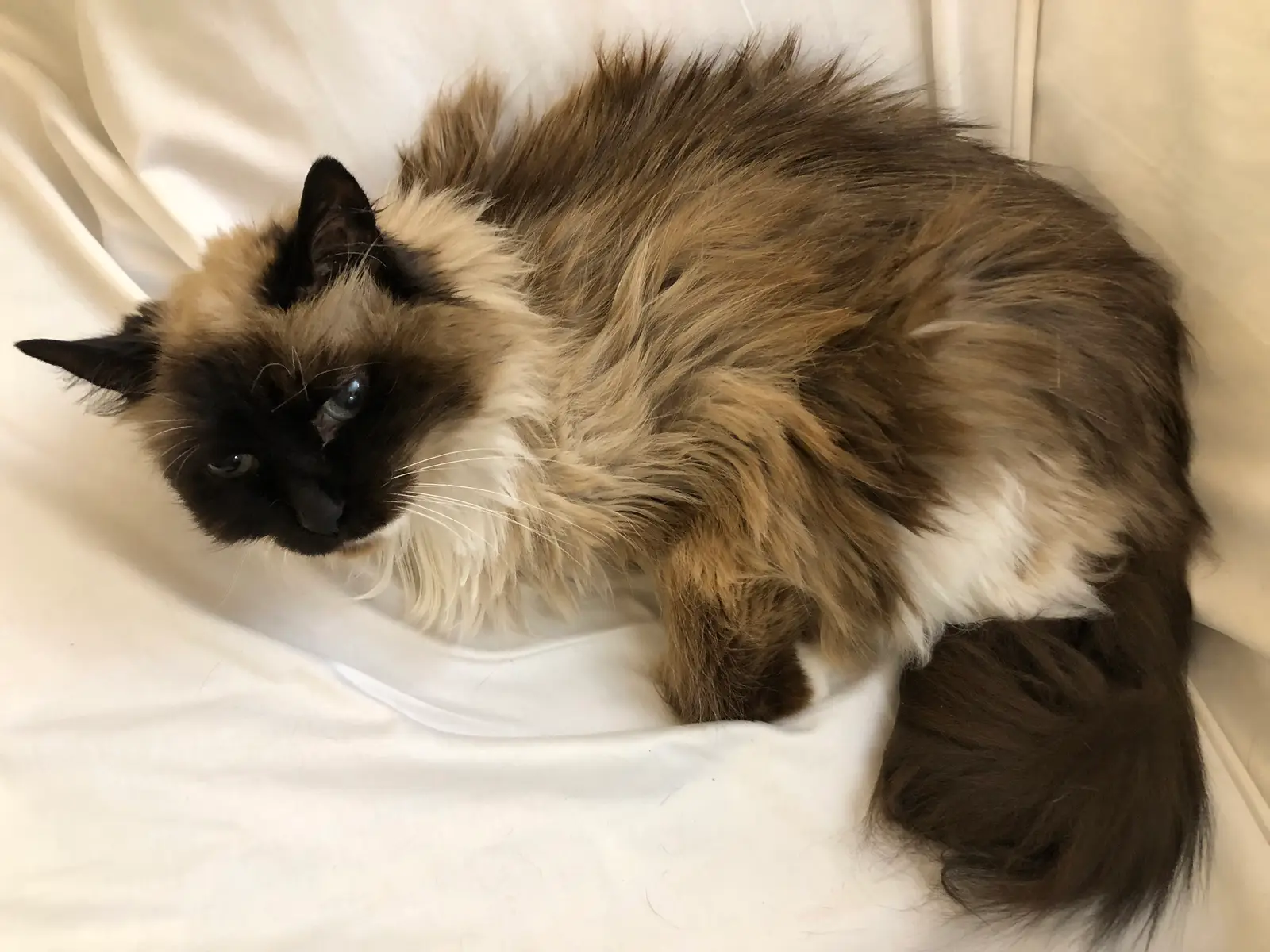
Do not overlook the ordinary house cat, called billi in Urdu. A mixed-breed cat is usually tough and adaptable, and many are wonderful family pets.

The Bengal, Sphynx and Scottish Fold need more experience. The Scottish Fold's folded ears come from a gene that vets link to bone and joint problems. Think twice before choosing any of them as a first cat.
Buying a cat on Pets Bazar
Pick the cat that fits your life, not just the colour. Think about brushing time, whether the cat will be alone all day, and small children. Where the site has enough ads, the price band below shows what sellers are asking now.
Cat price in Pakistan
On Pets Bazar, cats in Pakistan are listed from PKR 5,000 to PKR 30,000, most around PKR 12,500, based on 22 ads. Updated November 2026.
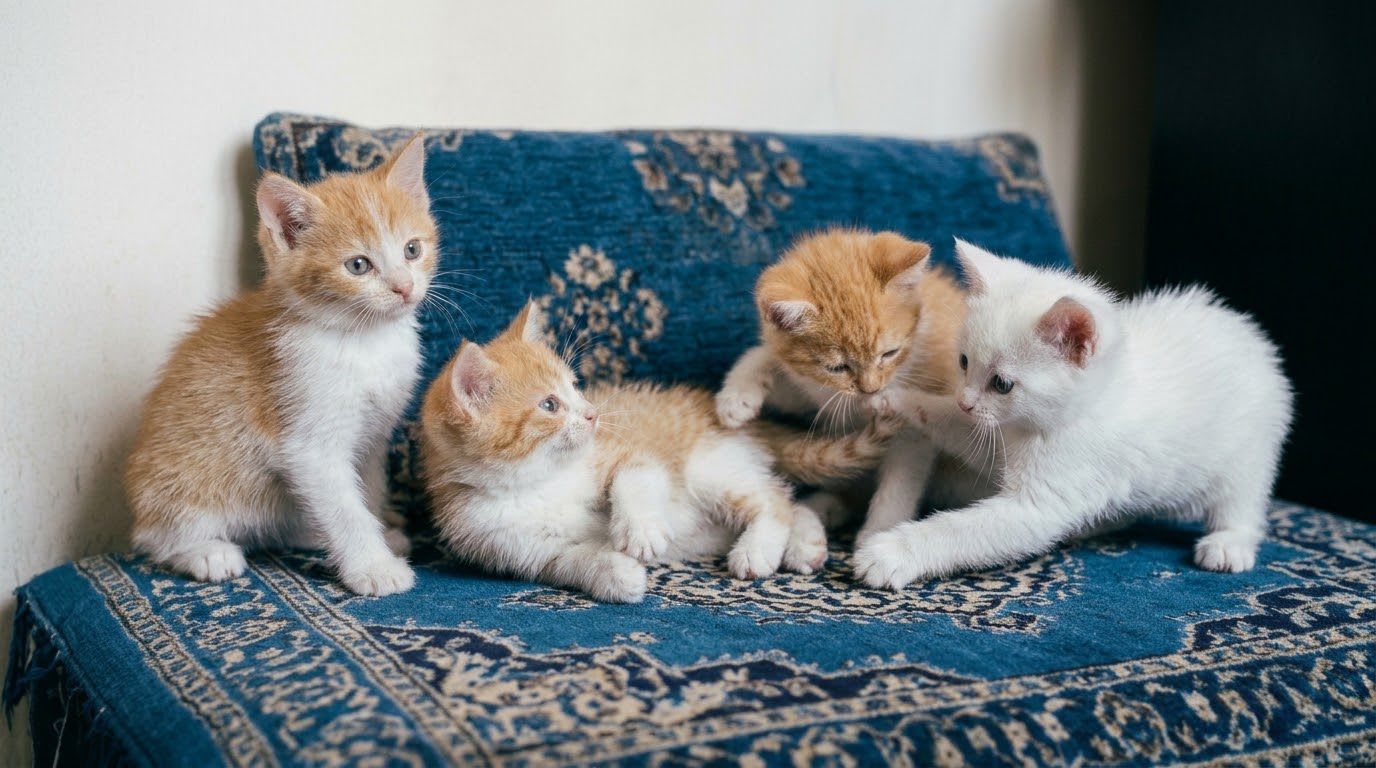
See all cats for saleMeet the kitten and its mother before you pay anything. A kitten should stay with its mother until at least eight weeks old. Look for bright clear eyes, a clean nose and ears, and a kitten that is playful and eats well. Ask to see the vaccination record and the parents' health test results. Never send an advance payment for a kitten you have not seen. Our guide to buying a pet safely in Pakistan covers payments.
Browse all cats for sale on Pets Bazar, or find a vet clinic near you for the first check-up.




Frequently asked questions
What should I feed my cat?
Give a complete cat food made for its age: kitten food for kittens and adult food for adults. Dog food and table leftovers are not a full diet, and cow's milk is not a treat. Most adults do well on two or more small meals a day, and wet food adds water.
When should a kitten get its vaccines?
Take a new cat to a vet in the first week. Kittens usually start their vaccines at 6 to 8 weeks and get boosters every 3 to 4 weeks until about 16 weeks. The core vaccines protect against panleukopenia, herpesvirus, calicivirus and rabies. Your vet will set the exact dates.
Which cat breed is best for a family home?
Any healthy cat can be a good pet, including the ordinary house cat. Persian, British Shorthair, Maine Coon, Ragdoll, Siamese and Russian Blue are breeds people often look for, and each has its own grooming and health needs. Think about brushing time, time alone and children. Bengal, Sphynx and Scottish Fold need more experience.