Buffalo Breeds in Pakistan: Nili Ravi, Kundi and Azi Kheli Compared
Pakistan has three buffalo breeds: Nili Ravi (Punjab), Kundi (Sindh) and Azi Kheli (Swat). How to tell them apart, milk yield and what to check before buying.
By Pets Bazar Editorial Team, Editors · Published · Updated · 6 min read
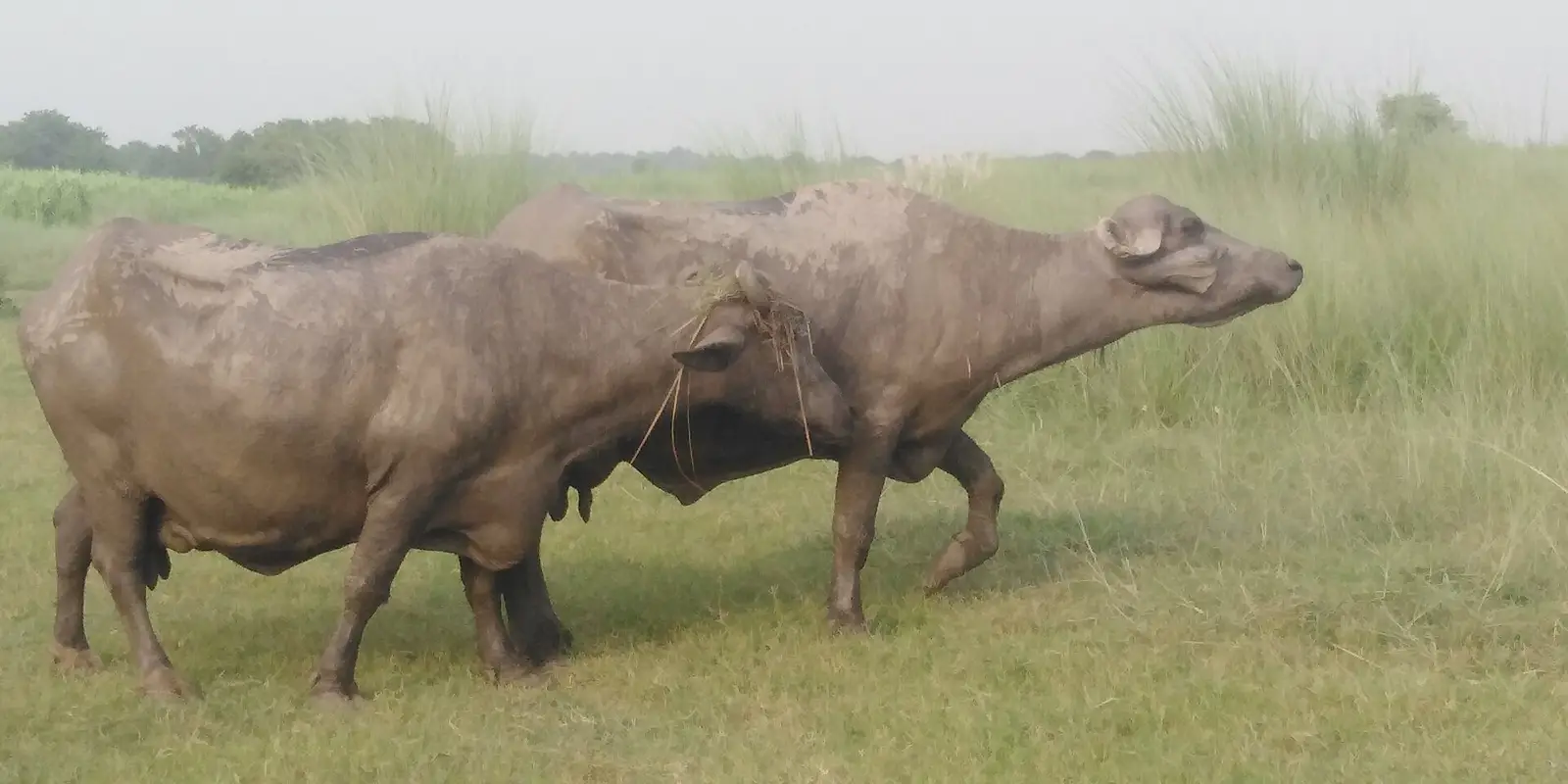
Pakistan has three recognised breeds of water buffalo: Nili Ravi from Punjab, Kundi from Sindh and Azi Kheli from the Swat valley. All three are river buffaloes, kept mainly for milk. Pakistan keeps about 49 million buffaloes, and they give more than half of the country's milk (Pakistan Economic Survey 2025-26). For many families a good milking buffalo is the most valuable animal they own.
This guide shows how to tell the three breeds apart, which one suits which farm, and what to check before you buy. It gives no prices, because they change with the animal, the season and the city. To see what sellers are asking today, browse buffaloes for sale on Pets Bazar.
The three breeds at a glance
| Breed | Home area | Colour | Horns | Milk in one lactation | Best suited to |
|---|---|---|---|---|---|
| Nili Ravi | Punjab, between the Sutlej and Ravi rivers | Black, sometimes brown, with white marks | Small and tightly curled | About 2,400 litres in about 320 days | Dairy farms with good fodder |
| Kundi | Sindh, along both banks of the Indus | Mostly jet black, some brown | Broad at the base, curled like a hook | About 2,300 litres in about 325 days | Dairy in hot plains |
| Azi Kheli | Swat and nearby hill districts | Often brown or golden, some pale or pied | Flat, swept back like a sickle | About 7 litres a day, close to Nili Ravi | Small hill farms and grazing |
Many buffaloes at the mandi are crosses, so treat these as typical features, not strict rules. Milk figures are published averages from Livestock Research for Rural Development; a single animal can give much more or much less.
Nili Ravi: the big milker of Punjab
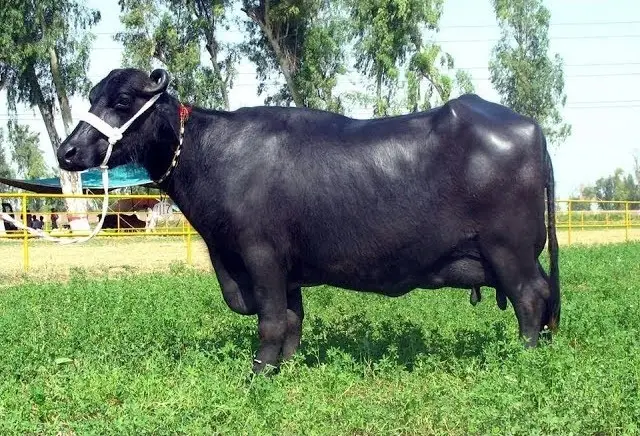
Nili Ravi is the best-known buffalo of Pakistan. Its home tract lies between the Sutlej and Ravi rivers, in districts such as Sahiwal, Okara, Pakpattan, Lahore and Sheikhupura. The name joins two older strains, Nili and Ravi, which were bred together until they became one breed. Across the border, India also registers Nili Ravi as a breed of its Punjab, where it is native to the Ferozepur, Amritsar and Gurdaspur districts.
A Nili Ravi is large and deep-bodied, usually black, with an elongated head and small, tightly curled horns. The mark of the breed is white on the forehead, face, muzzle, lower legs and the tip of the tail. Many also have wall eyes, where the eye shows white. Buyers prize an animal with all five white marks and call it panj kalyan, but few have all five.
Nili Ravi is kept mainly for milk, and the breed has been taken to other countries to improve their dairy herds. It gives its best only with plenty of green fodder, clean water and shade.
Kundi: the dairy buffalo of Sindh
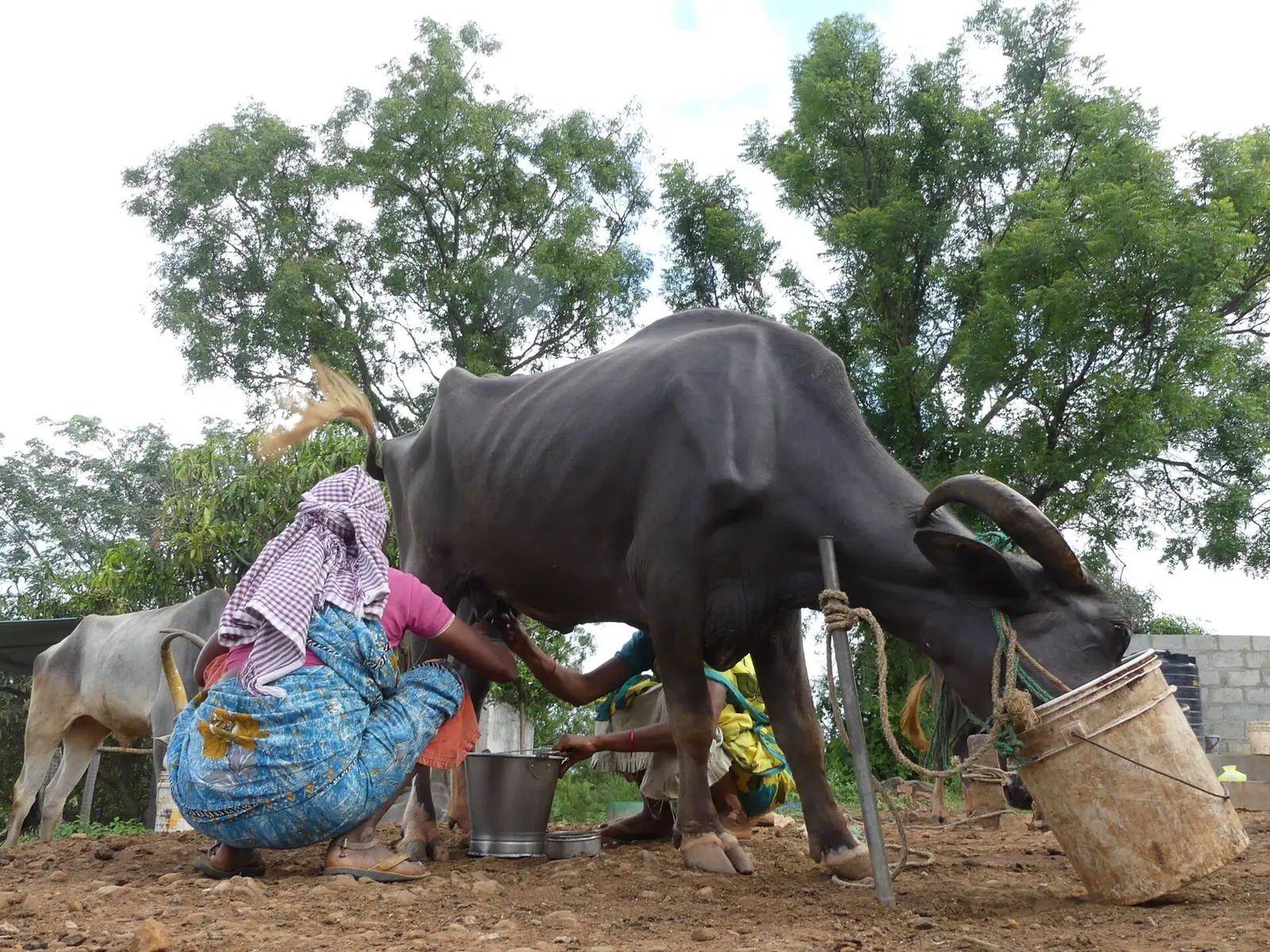
Kundi, also written Kundhi, is the main dairy breed of Sindh. It is found on both sides of the Indus, from the north of the province to the coast, in districts such as Larkana, Dadu, Hyderabad and Thatta.
The name comes from the horns. They are broad at the base, then curve upward and inward in a tight curl like a hook. Most Kundi buffaloes are jet black, though some are light brown, and some have white on the face or tail. The body is compact and heavy. Kundi buffaloes cope well with the heat of the Sindh plains, and some writers treat them as close relatives of the Murrah, the buffalo breed of Haryana in India.
Azi Kheli: the hill buffalo of Swat
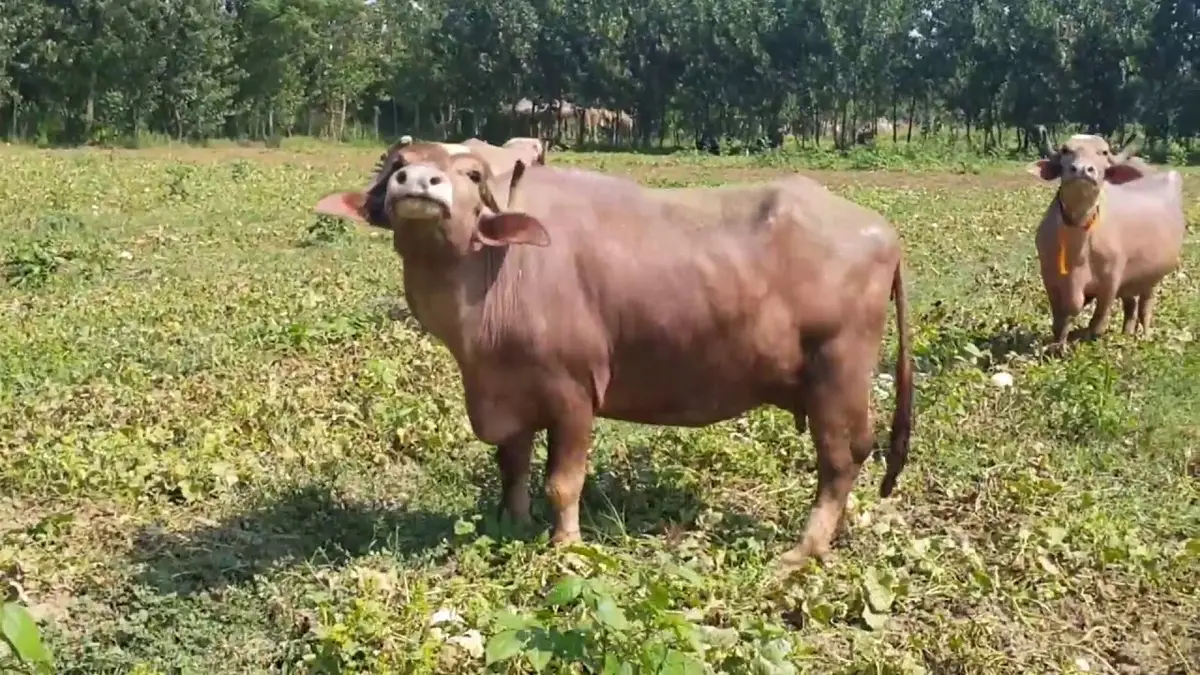
Azi Kheli is the smallest and least known of the three. Its home is the Swat valley, around Khwazakhela, with smaller numbers in Shangla, Malakand, Dir and Bajaur.
A study of the breed in Swat found that most animals have a brown coat, while others are golden, pale or patched. The horns are flat and sweep backward, then slightly upward, without twisting, which gives them a sickle shape. Its small body suits grazing on mountain slopes, where a heavy plains buffalo would struggle. The population is small and has been shrinking, and researchers have called for it to be conserved in its home area. Azi Kheli buffaloes are rarely sold far from Swat.
Which breed suits your farm
- Nili Ravi suits a farmer in Punjab with irrigated fodder who wants a high-milking animal and can feed it well.
- Kundi suits farms in Sindh and other hot plains, where a hardy dairy buffalo matters more than size.
- Azi Kheli suits a family in the hills with grazing land and a small herd.
The breed that already does well in your area is usually the safest choice, because it is used to the climate and local buyers know it. Compare with our guide to goat breeds in Pakistan if you are weighing a smaller animal.
Checks before you buy a milking buffalo
Buy from a seller you can visit and find again. Never pay an advance for an animal you have not seen. Our guide to buying an animal safely explains what to check before you pay.
Care basics: water, shade and calves
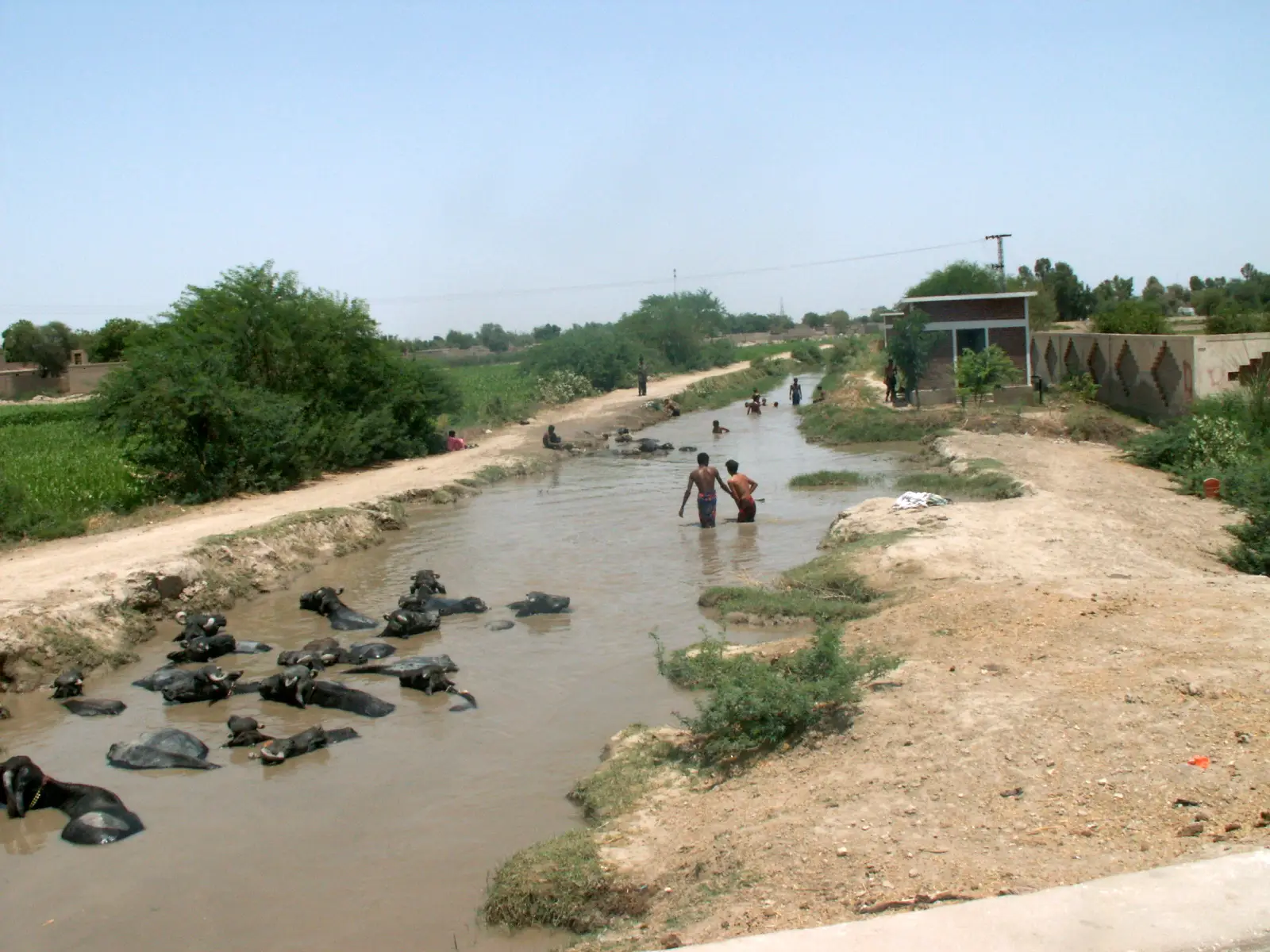
Buffaloes have dark skin and few sweat glands, so give deep shade, clean water and a place to wallow in hot weather.
Signs of heat are often weak in buffaloes, so ask your vet or breeding technician to help time breeding.
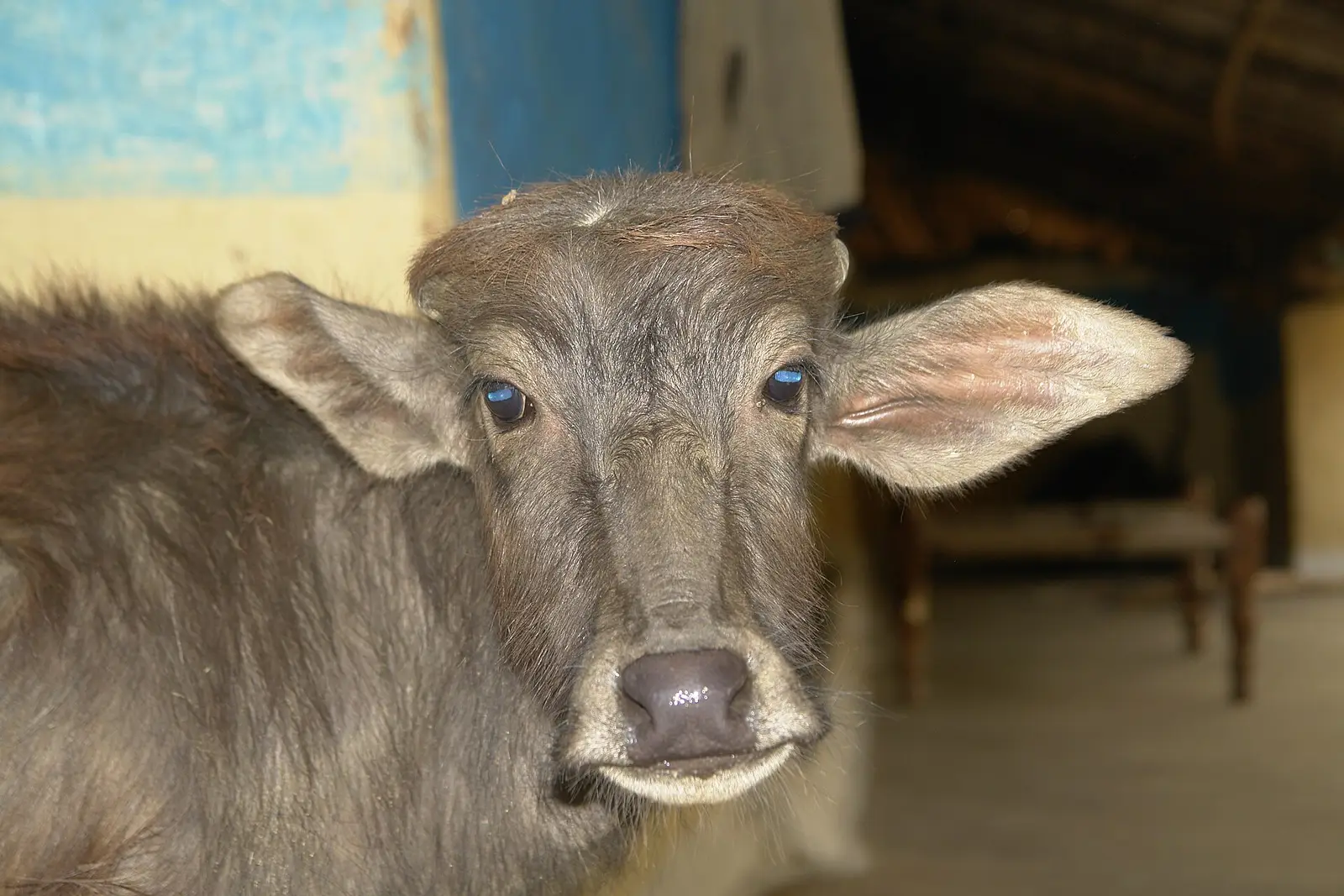
A newborn calf should drink colostrum, the first milk, within hours of birth. Keep calves dry and out of draughts. Vaccinate on a schedule set with your vet or the livestock department, and find a vet clinic near you before you need one. For dairy cattle, our cow breeds guide covers Sahiwal, Cholistani and Red Sindhi. For crossbred dairy cows, see the Friesian Cholistani cross.
Where to find buffaloes for sale
Browse buffaloes for sale on Pets Bazar, or see cows for sale if you are comparing dairy animals. Every ad shows the seller's city, and you can chat with the seller before you visit. If you are selling, you can post an ad with clear photos, the breed, the age and the calving details.
Frequently asked questions
Which buffalo breed gives the most milk in Pakistan?
Nili Ravi, by a small margin: published averages are about 2,400 litres a lactation against about 2,300 for Kundi. Yield depends far more on feeding, health, age and the stage of lactation than on breed, so judge each buffalo by watching her being milked.
How can I recognise a Nili Ravi buffalo?
Look for a large black body, small tightly curled horns and white marks on the forehead, face, muzzle, lower legs and tail switch. Many also have wall eyes, where the eye shows white. An animal with all five white marks is rare and is often called panj kalyan.
What does the name Kundi mean?
Kundi refers to the horns. They are broad at the base and curve upward and inward in a tight curl that looks like a hook. Kundi buffaloes are the main dairy breed of Sindh and are mostly black.
Where is the Azi Kheli buffalo found?
In the Swat valley and nearby hill districts of Khyber Pakhtunkhwa, such as Shangla, Malakand and Dir. It is smaller than the plains breeds, often brown or golden in colour, and suited to grazing on hill slopes.
What should I check before buying a milking buffalo?
Visit in person and watch a full milking, check that all four teats give milk and the udder has no hard lumps, ask when she last calved and how many calves she has had, and ask which vaccines she has had. A vet check before you pay is worth it.
How many types of buffalo are there in Pakistan?
Three breeds are recognised: Nili Ravi in Punjab, Kundi in Sindh and Azi Kheli in the Swat valley. All are water buffaloes kept mainly for milk. Many animals sold in markets are crosses of these breeds.
How much milk does a Nili Ravi buffalo give?
Published figures for Pakistan put a Nili Ravi at about 2,400 litres in a lactation of about 320 days, which is roughly 7 to 8 litres a day on average. A well fed buffalo gives more at her peak and less near the end, so ask to see a full milking.
Are there brown or white buffaloes in Pakistan?
Yes. Azi Kheli buffaloes of Swat are often brown or golden and some are pale or patched. Nili Ravi and Kundi are mostly black, but some are brown, and a Nili Ravi carries white marks on the face, legs and tail.