Cow Breeds in Pakistan: Sahiwal, Cholistani, Red Sindhi and Crossbreds
The main cattle breeds of Pakistan: Sahiwal, Red Sindhi, Cholistani, Tharparkar, Dhanni and Friesian crosses, what each suits and how to check a cow.
By Pets Bazar Editorial Team, Editors · Published · Updated · 6 min read
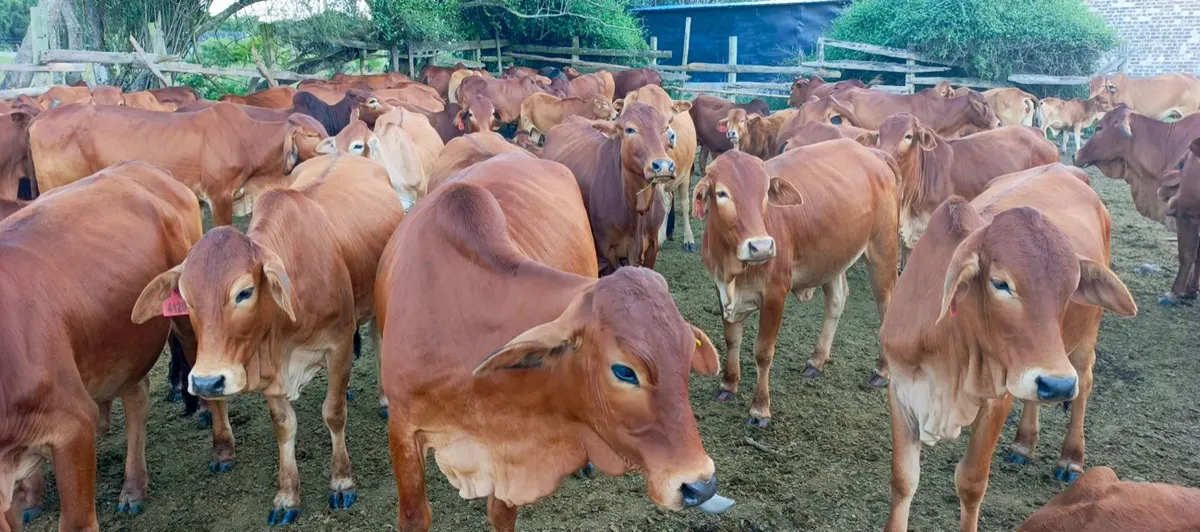
The best-known cow breeds in Pakistan are Sahiwal and Red Sindhi for milk, Cholistani and Tharparkar as hardy desert cattle, and Dhanni and Bhagnari as draught cattle. Alongside them, Friesian and Jersey crossbreds are common on commercial dairy farms.
All of Pakistan's local cattle are zebu, the humped type that copes with heat. A 2008 review from the University of Agriculture Faisalabad listed 15 recognised breeds, yet most cows at the mandi are desi animals of no fixed breed or crosses.
Desi, pure breed or cross: what the words mean
Sellers use three words.
- Pure breed: a cow of one recognised breed, ideally with known parents.
- Desi: a local cow of no fixed breed. Desi cows are hardy and cheap to keep, but their milk varies a lot.
- Cross: usually a local cow bred to a Holstein Friesian or Jersey bull, described by its share of foreign blood, for example half or three quarters.
A breed name in an ad is a claim, not a proof. Judge the animal in front of you.
Sahiwal: Pakistan's best-known dairy cow
Sahiwal comes from central Punjab and is named after Sahiwal district, once called Montgomery. It is the most common breed on government farms.
A Sahiwal is red to reddish brown, sometimes darker on the neck and hump in bulls. It has loose skin, a heavy dewlap, a clear hump and short horns. Cows are calm and easy to handle. The breed copes with heat and ticks better than foreign cattle. In the 1950s Pakistan gave Sahiwal and Red Sindhi cattle to Australia, where they were crossed with Jerseys to create the Australian Milking Zebu. In Queensland, Sahiwals were also crossed with Friesians to breed the Australian Friesian Sahiwal, a dairy cow for the tropics. It suits a small Punjab farm that wants steady milk without the costs of a high crossbred.
Red Sindhi, Cholistani and Tharparkar
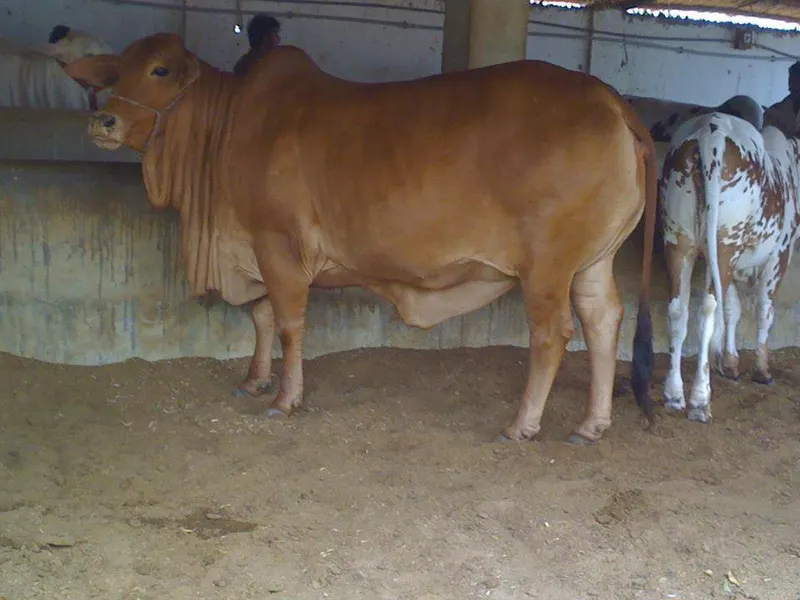
Red Sindhi. The dairy breed of Sindh and parts of Balochistan, also called Malir after its home area near Karachi. It looks like a smaller Sahiwal with a darker red coat. It is hardy in heat and humidity.
Cholistani. The cattle of the Cholistan desert in south Punjab, kept mostly by herders who move with their animals. Cholistanis are white or grey with small reddish speckles. They resist ticks and cope with poor grazing and scarce water better than most breeds.
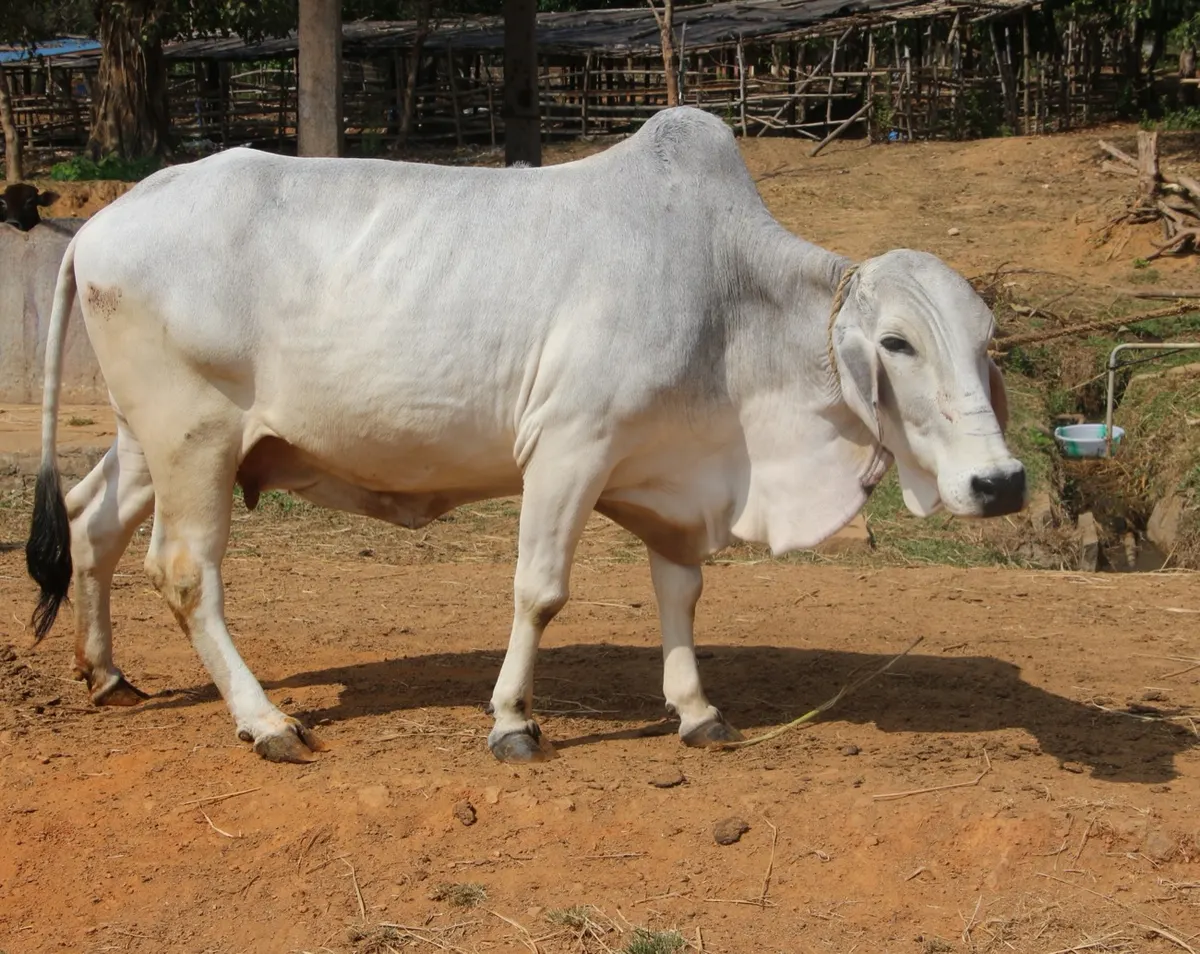
Tharparkar (Thari). From the Thar desert in Sindh, also called Grey Sindhi or White Sindhi. Thari cattle are white to grey and long-legged, with longer horns than a Sahiwal. They are dual purpose: the cows give milk and the bullocks work.
India registers these breeds too: Sahiwal in Indian Punjab and Rajasthan, Tharparkar in Rajasthan, and Red Sindhi on organised farms only.
Dhanni, Bhagnari and the draught breeds
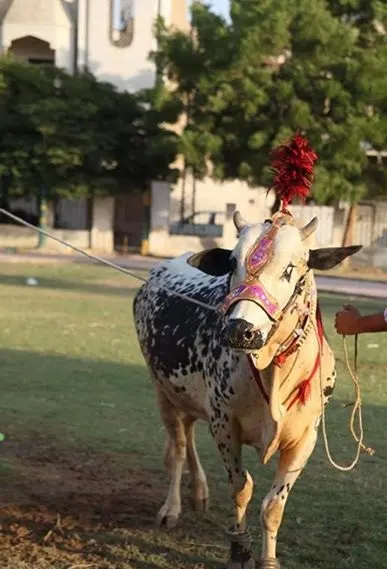
Most Pakistani breeds were bred to pull ploughs and carts, and males of almost every breed were once used for work. Tractors have made draught work rare, but these breeds are still raised, and well-grown bulls of any breed are in demand at Eid-ul-Adha and at cattle shows.
- Dhanni (Pothwari): from the Pothohar plateau, with a white coat spotted in black or red. Researchers call it the best of the draught breeds.
- Bhagnari: a heavy draught breed from Balochistan. Bulls are very large and grey to white, darker on the hump and hindquarters.
- Dajal, Rojhan and Kankraj: draught breeds of south Punjab and Sindh.
- Lohani, Achai and Gabrali: small hill cattle from Khyber Pakhtunkhwa that survive on rough grazing.
Friesian and Jersey crossbreds
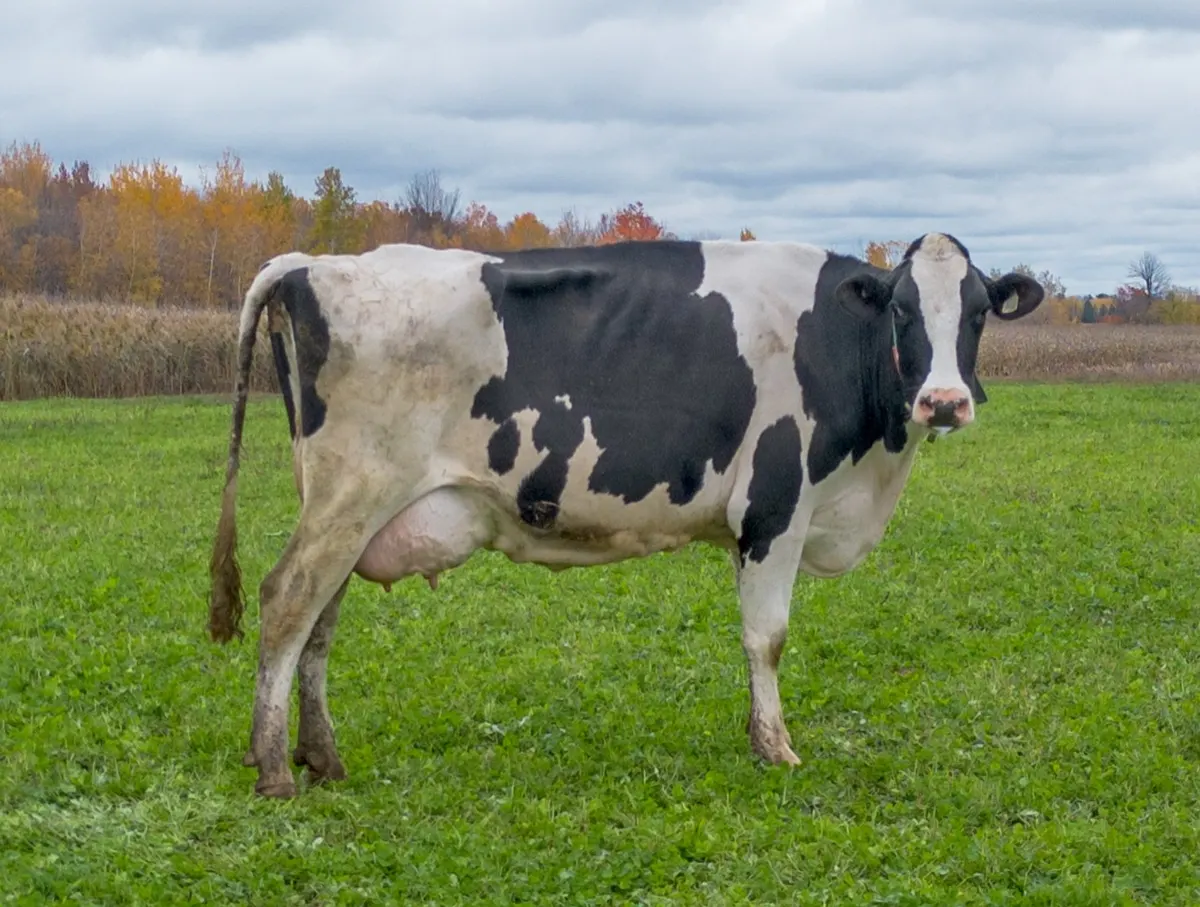
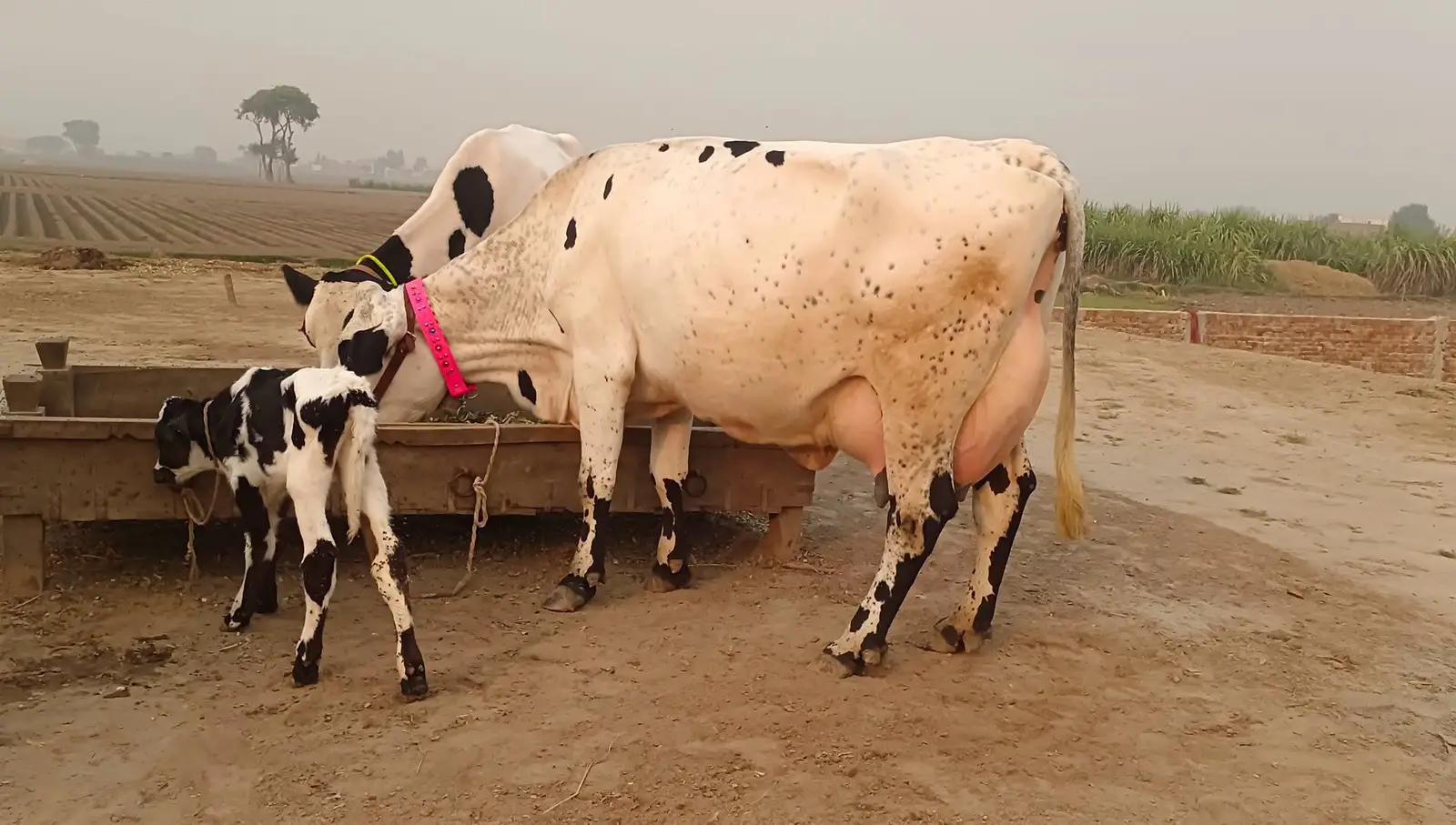
Holstein Friesians are the black and white dairy cattle of cool countries. Jerseys are small and fawn coloured. Pakistan's breeding policy, as described in the 2008 review, allows desi cows to be crossed with Friesians in irrigated areas and with Jerseys in rain-fed areas, aiming for half to three quarters foreign blood. Pure local breeds are not meant to be crossed.
A well-kept cross can give much more milk than a Sahiwal. The catch is care: crossbreds feel the heat more and need steady green fodder and concentrate, clean water, shade, fans and regular vet visits. Without that, a local breed will usually do better. For one popular cross in detail, read our guide to the Friesian Cholistani cross cow.
The breeds compared
| Breed | Home area | Main use | Average milk per lactation in research herds |
|---|---|---|---|
| Sahiwal | Central Punjab | Dairy | About 1,550 litres |
| Red Sindhi | Sindh and Balochistan | Dairy | About 1,350 litres |
| Cholistani | Cholistan, south Punjab | Dairy | About 1,235 litres |
| Tharparkar | Thar, Sindh | Milk and draught | About 1,140 litres |
| Dhanni | Pothohar, Punjab | Draught | Not kept for milk |
| Bhagnari | Balochistan | Heavy draught | Not kept for milk |
The milk figures are averages from institutional herds, quoted in the 2008 review. A village cow may give much less or more, depending on feed and health.
How to choose and check a cow before you buy
Pick a breed that already does well in your area. Then check the animal itself.
- See the cow milked, morning and evening if you can, rather than trusting a figure in the ad.
- Look for bright eyes, a clean nose, a smooth coat, a good appetite and steady walking.
- Feel the udder for lumps or hardness and check all four teats.
- Look at the teeth to judge age and ask how many calves she has had.
- Ask about vaccination against foot-and-mouth disease, haemorrhagic septicaemia and lumpy skin disease, and about deworming. Set your own plan with your local vet.
- Keep a new animal apart from your herd for two to three weeks.
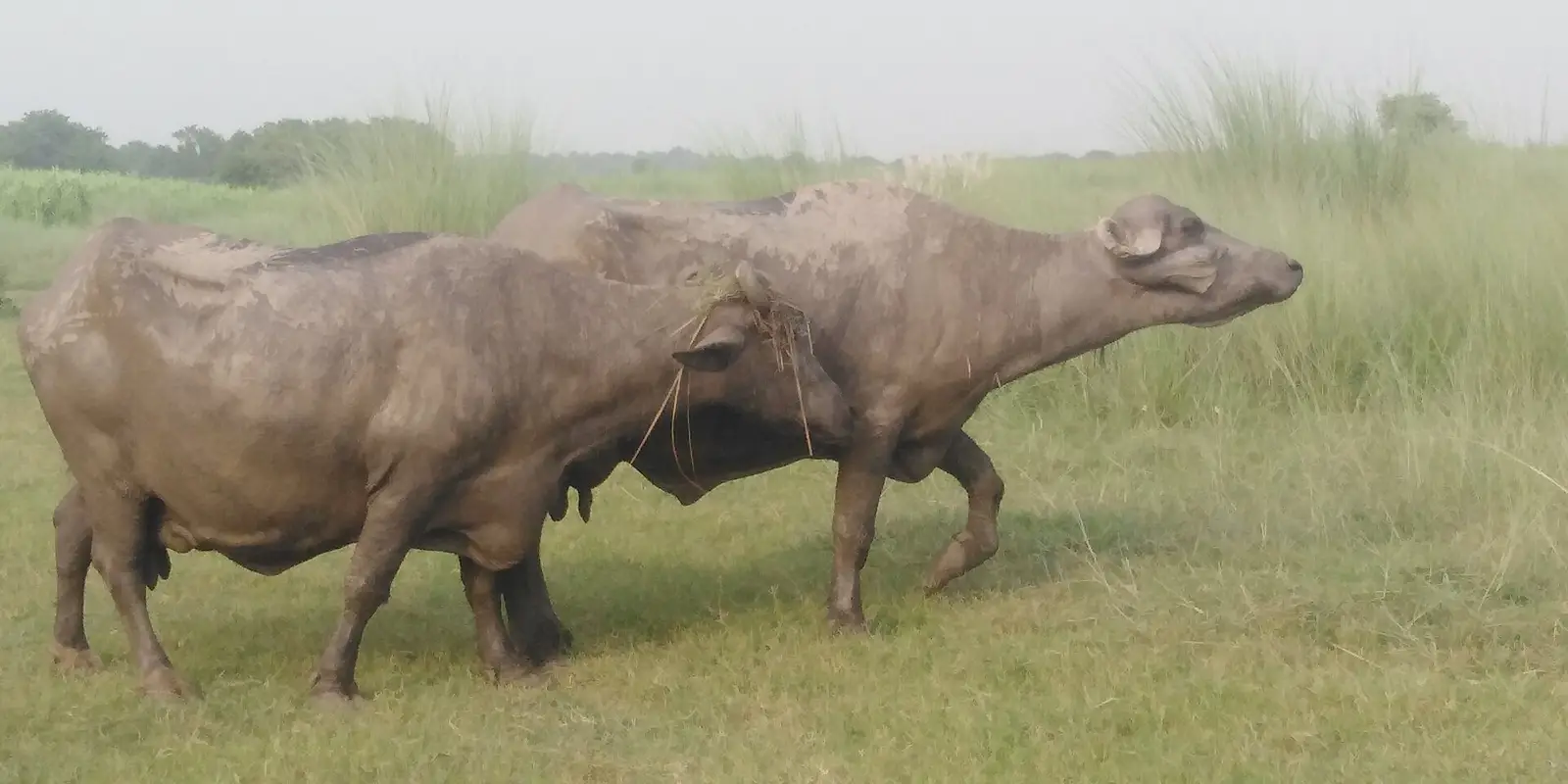
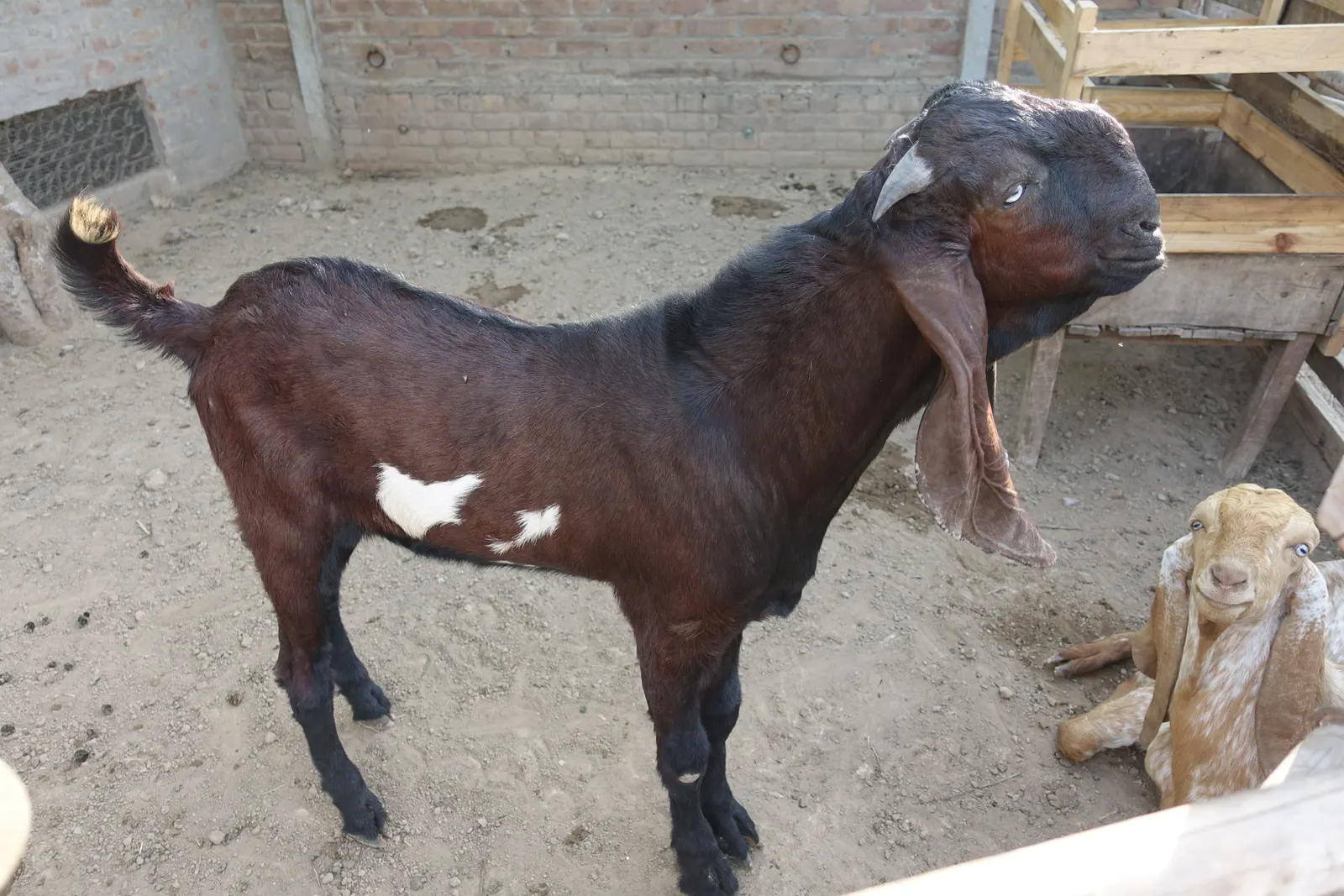
The price varies by breed, age, milk and city, so compare current ads rather than relying on a figure you heard. Read our guide to buying an animal safely in Pakistan before you pay, and find a vet clinic near you. If you also keep goats, our goat breeds guide covers them. If you are also thinking about buffaloes, our buffalo breeds guide compares Nili Ravi, Kundi and Azi Kheli.
References
- Khan, M.S., Rehman, Z., Khan, M.A. and Ahmad, S. (2008). Genetic resources and diversity in Pakistani cattle. Pakistan Veterinary Journal 28(2): 95 to 102.
- Cunningham, E.P. and Syrstad, O. (1987). Crossbreeding Bos indicus and Bos taurus for milk production in the tropics. FAO, section 5.6.
- ICAR National Bureau of Animal Genetic Resources, India. Registered cattle breeds.
Where to find cows for sale
Browse cows for sale on Pets Bazar and filter by breed and city. For dairy buffalos, see buffalos for sale.
Frequently asked questions
Which cow breed is best for milk in Pakistan?
Sahiwal is the best-known local dairy breed and usually the safest choice for a small farm in Punjab. Red Sindhi suits Sindh. Friesian crossbreds can give more milk, but only with good feed, shade, clean water and regular vet care.
What is a desi cow?
In Pakistan desi usually means a local cow of no fixed breed. Desi cows are hardy and cheap to keep, but their milk varies a lot. A seller calling a cow desi is not claiming any breed.
How can I tell a Sahiwal cow from a cross?
A Sahiwal is red to reddish brown with a clear hump, loose skin, a large dewlap and short horns. White patches, a small hump or a black and white coat point to a cross. Ask about the parents and any herd record, and bring someone experienced.
Are Friesian cows good for Pakistan?
Pure Friesians and very high crosses struggle in Pakistan's heat and need intensive care. Crosses with half or more local blood cope better. Choose one only if you can provide shade, cooling, steady green fodder and a vet nearby.
Which vaccines does a cow need in Pakistan?
Cattle are commonly vaccinated against foot-and-mouth disease, haemorrhagic septicaemia and, in recent years, lumpy skin disease. The exact plan depends on your area and the animal's history, so set it with your local vet or livestock department.
What are the top 10 cow breeds in Pakistan?
There is no official top 10, but ten well known local breeds are Sahiwal, Red Sindhi, Cholistani and Tharparkar, kept mainly for milk, and Dhanni, Bhagnari, Dajal, Rojhan, Kankraj and Lohani, which are draught or hill cattle. Friesian and Jersey crosses are also common on dairy farms.