Friesian Cholistani Cross Cow: Milk, History and Best Feed
How the Friesian Cholistani cross was made, how much milk it gives per day and per lactation, where it does well, and what to feed it for more milk.
By Pets Bazar Editorial Team, Editors · Published · 5 min read
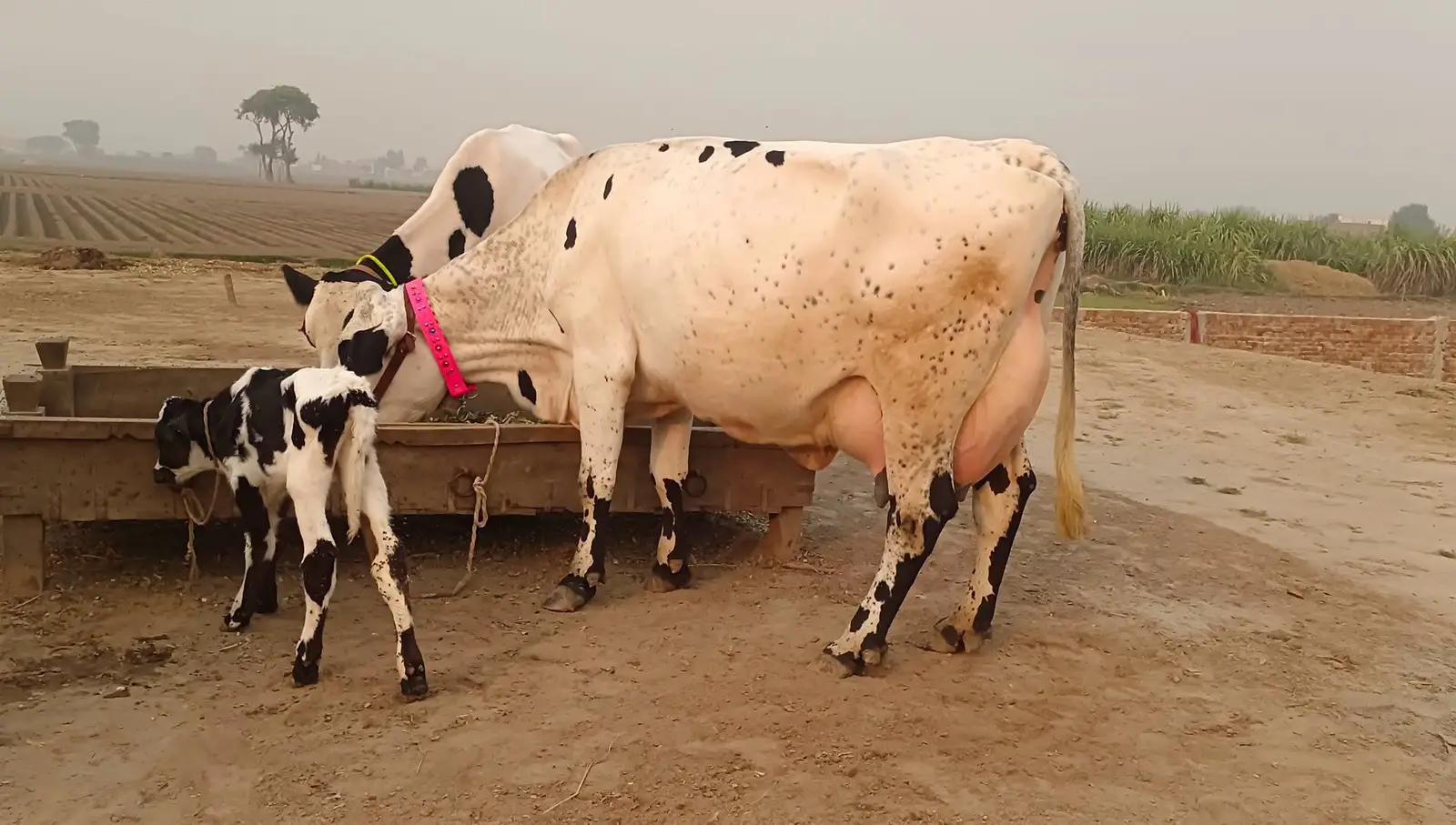
A Friesian Cholistani cross is a Cholistani cow bred to a Holstein Friesian bull. In short: a half-bred cow can give about twice the milk of a local zebu, around 2,000 kg or more per lactation, with richer milk than a pure Holstein. It needs steady green fodder, concentrate, water and shade. Keep the Friesian share near half.
For the pure local breeds, see our guide to cow breeds in Pakistan.
What is a Friesian Cholistani cross
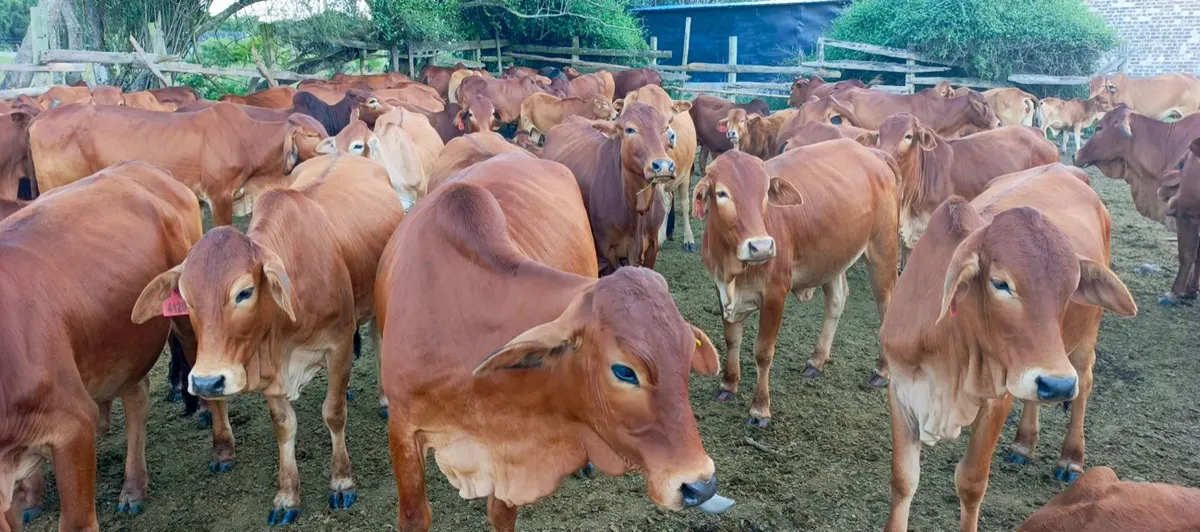
- Cholistani: a humped zebu from the Cholistan desert around Bahawalpur, Bahawalnagar and Rahim Yar Khan. Cows are white with red, brown or black spots. Researchers call it hardy and tick resistant, adapted to scarce water and poor grazing.
- Holstein Friesian: the black and white dairy cow from northern Holland and Friesland. It gives the most milk but is lower in butterfat and suffers in heat.
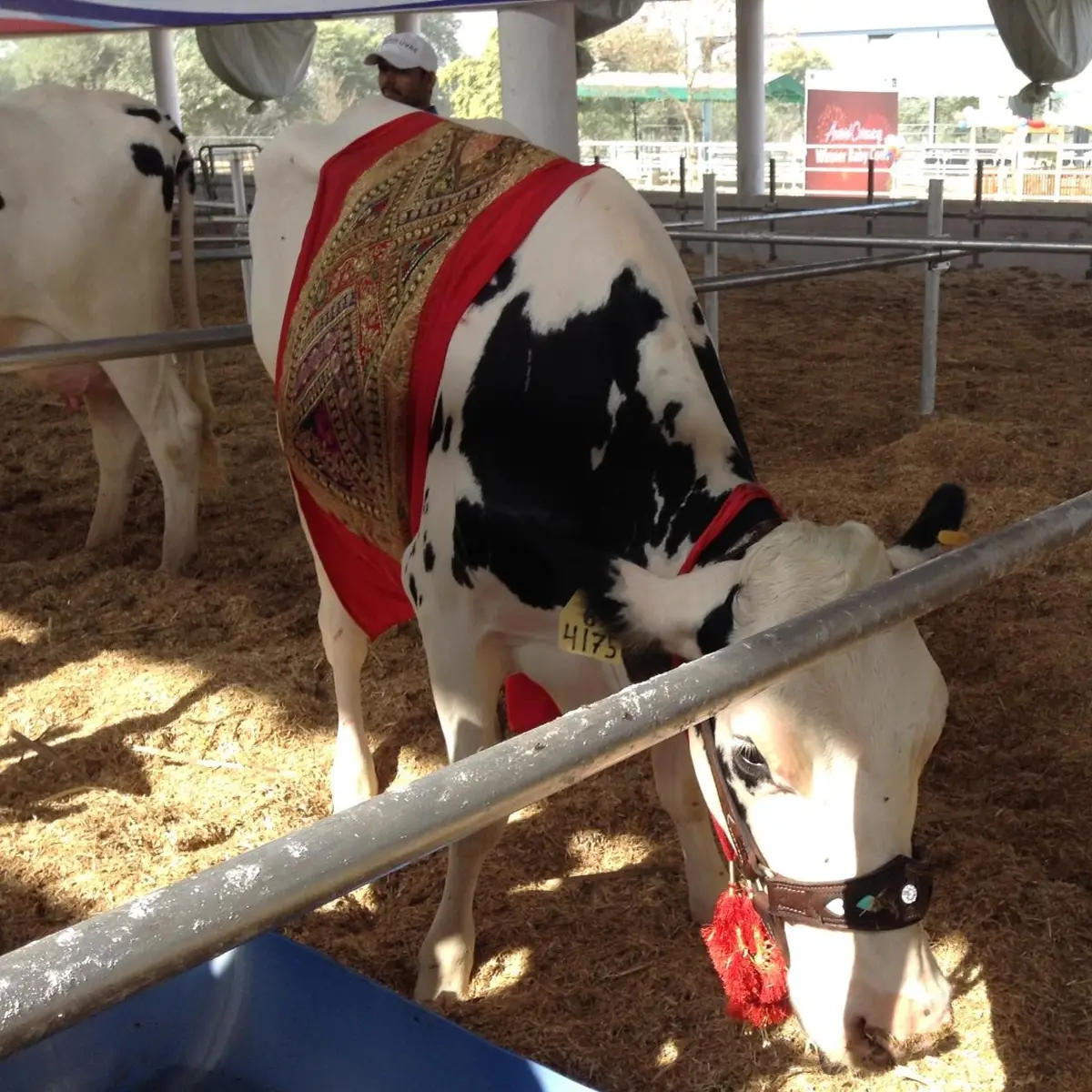
It is not a registered breed. A seller's "Friesian Cholistani" may be half Friesian, three quarters or a later mix, so ask.
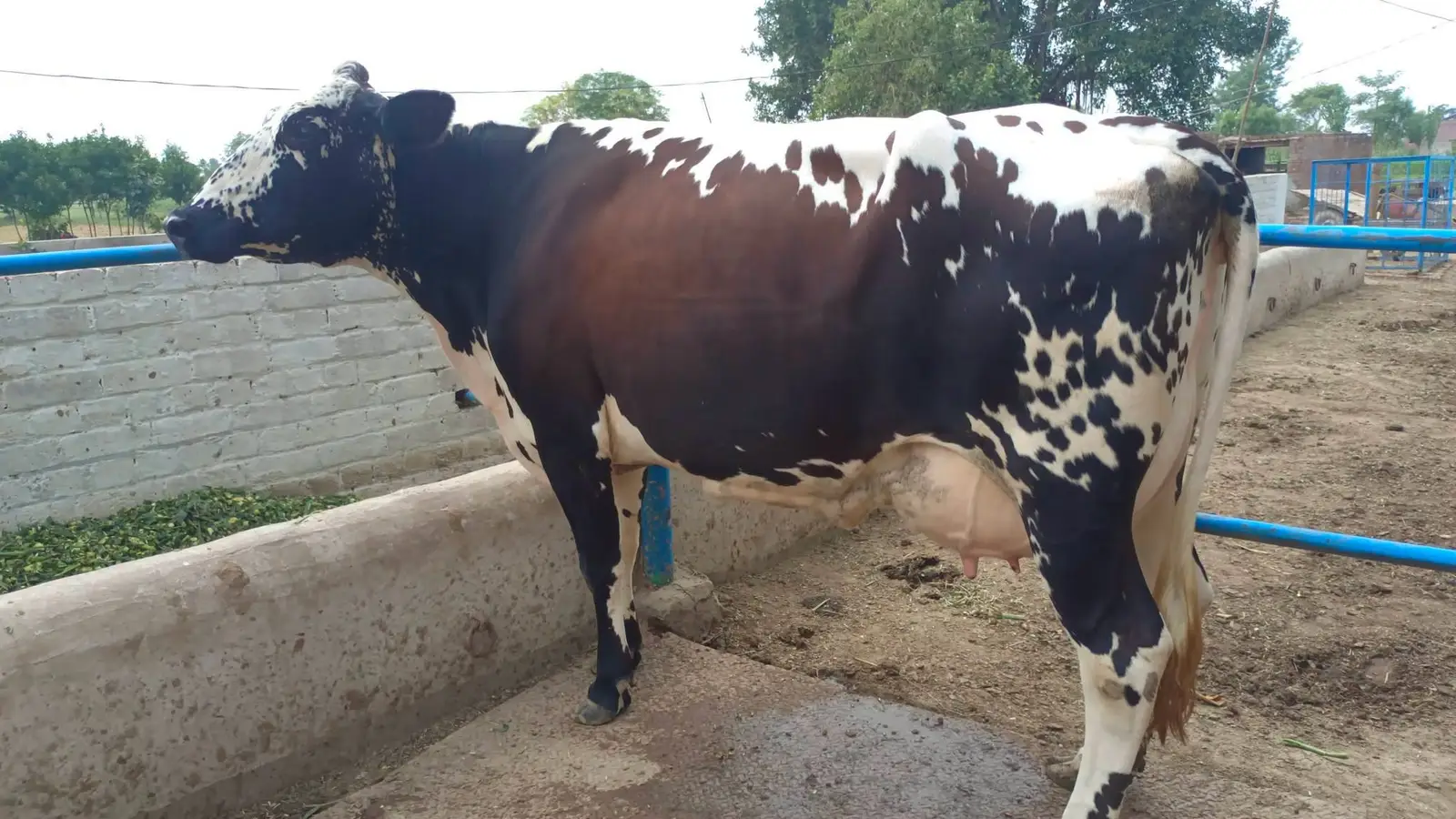
How the cross was developed
Pakistan began artificial insemination with frozen semen in the early 1970s and imported exotic dairy cattle from the early 1980s, according to a 2022 policy review from the Cholistan University of Veterinary and Animal Sciences. National breeding policy allowed desi cows to be crossed with Friesians in irrigated areas, aiming for half to three quarters foreign blood.
Cholistani cows became one of the local bases for these crosses. A 2013 report on Karachi's commercial dairies quoted farmers calling the first-cross Cholistani and Holstein "one of the best choices" for milk and adaptation. By 2018, geneticists were sampling second and later generation Cholistani and Holstein crosses across Pakistan.
How much milk does a Friesian Cholistani cross give
Records for this exact cross are scarce, so the best guide is research on zebu and Friesian crosses in hot countries.
| Cow | Milk recorded | Lactation length | Source |
|---|---|---|---|
| Pure Cholistani | About 1,235 litres a lactation | 165 days | Farooq et al., 2010 |
| Half Friesian on zebu (first cross) | About 2,050 kg a lactation | About 306 days | FAO review |
| Second and later crosses | About 1,540 kg a lactation | About 291 days | FAO review |
| Friesian crosses in Bannu villages | About 7.1 litres a day | About 338 days | Qureshi et al., 2002 |
| Pure Holstein in Pakistan | About 3,500 to 4,000 kg a lactation | Not given | Khan, 2022 |
The FAO averages come from trials across the tropics. A first cross giving 2,050 kg over 306 days averages close to 7 litres a day, with far more at the peak. Sellers often quote the peak, so watch the cow milked morning and evening.
Fat. Cholistani milk was recorded at about 4.8 percent fat. Holstein milk is lower, so a cross usually falls in between. India's Frieswal cross averages about 4 percent fat.
How much Friesian blood is best
About half. The FAO review found milk yield, lactation length and calving interval all improved steadily up to 50 percent Friesian, then results became "variable and often disappointing". Second generation crosses gave about a quarter less milk. Ask your livestock officer which semen keeps the next calf near half.
Where the cross does well
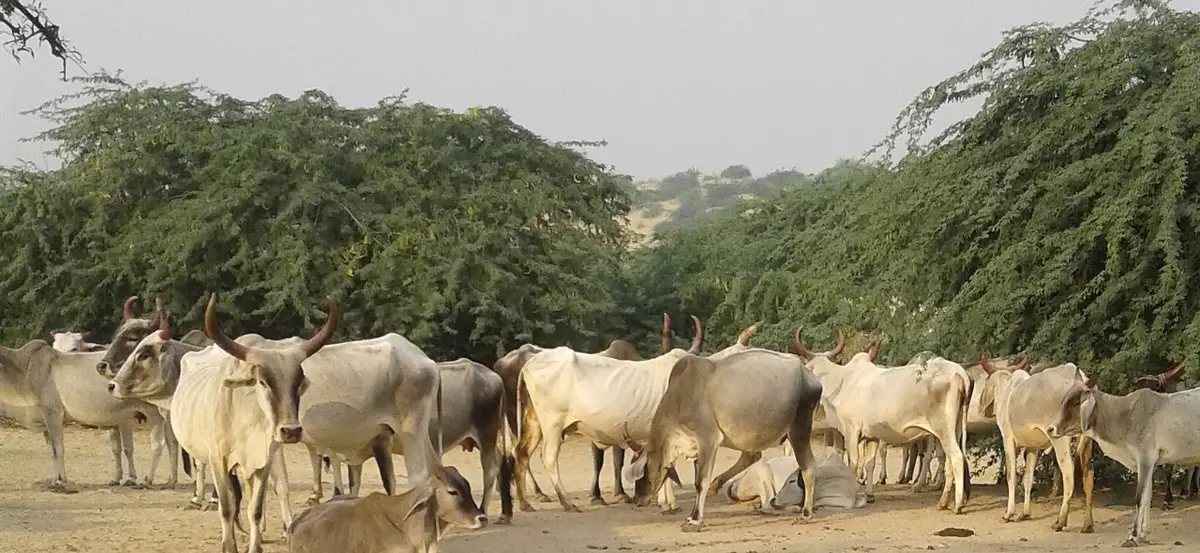
Cholistan and south Punjab. On open desert grazing, keep pure Cholistani cattle. The 2022 review warns that dairy crosses are less likely to survive where communal grazing is the main feed. On irrigated land around Bahawalpur and Rahim Yar Khan, a cross with stall feeding can do well.
Central Punjab and Sindh. Crossbred cattle are now kept across Pakistan and widely in Punjab and Sindh. They suit farms near Lahore, Okara, Multan and Karachi that grow fodder and cool their cows.
Khyber Pakhtunkhwa. Friesian crosses already beat local cows in Bannu village herds, and the cooler hills are easier on Friesian blood.
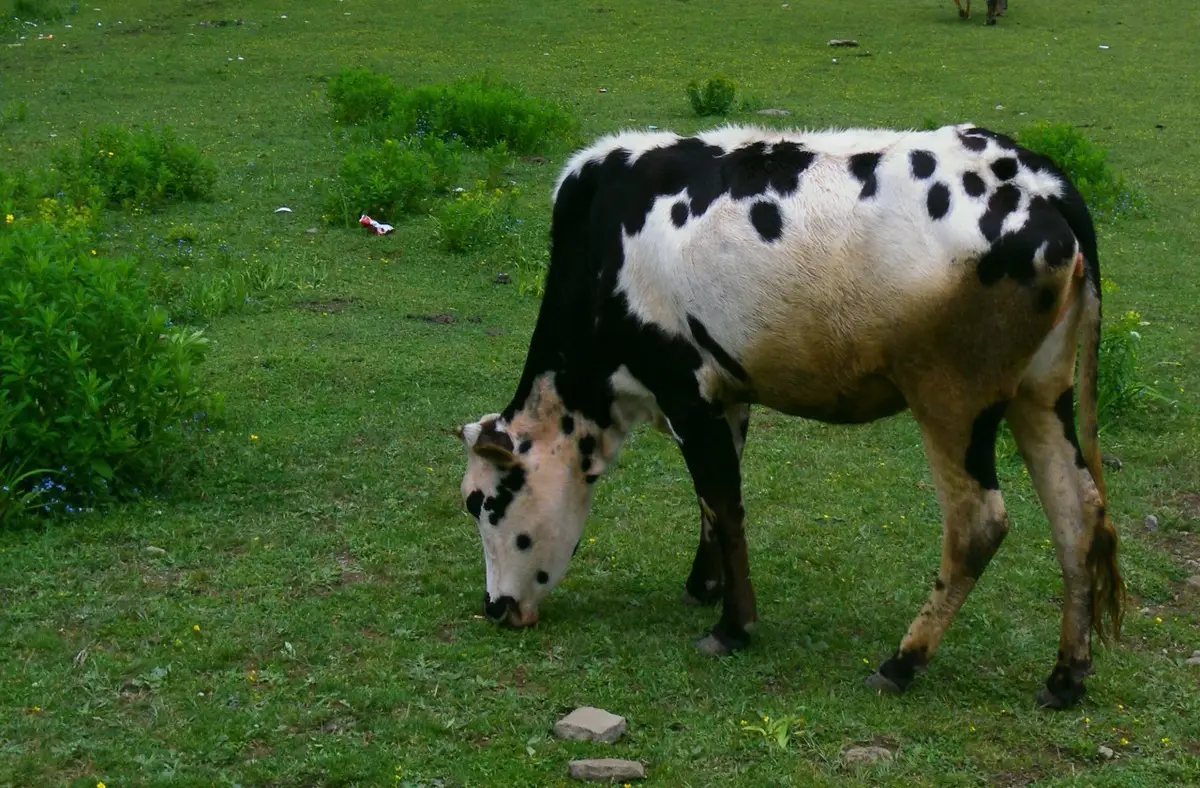
Other countries. India bred similar crosses: the Frieswal (five eighths Holstein, three eighths Sahiwal) gives about 4,000 kg in 300 days, and the Karan Fries (Holstein and Tharparkar) averages about 3,550 litres. Australia's Friesian Sahiwal comes from Pakistani Sahiwal. For India's local breeds, see Indian cow breeds for milk.
Best feed for more milk
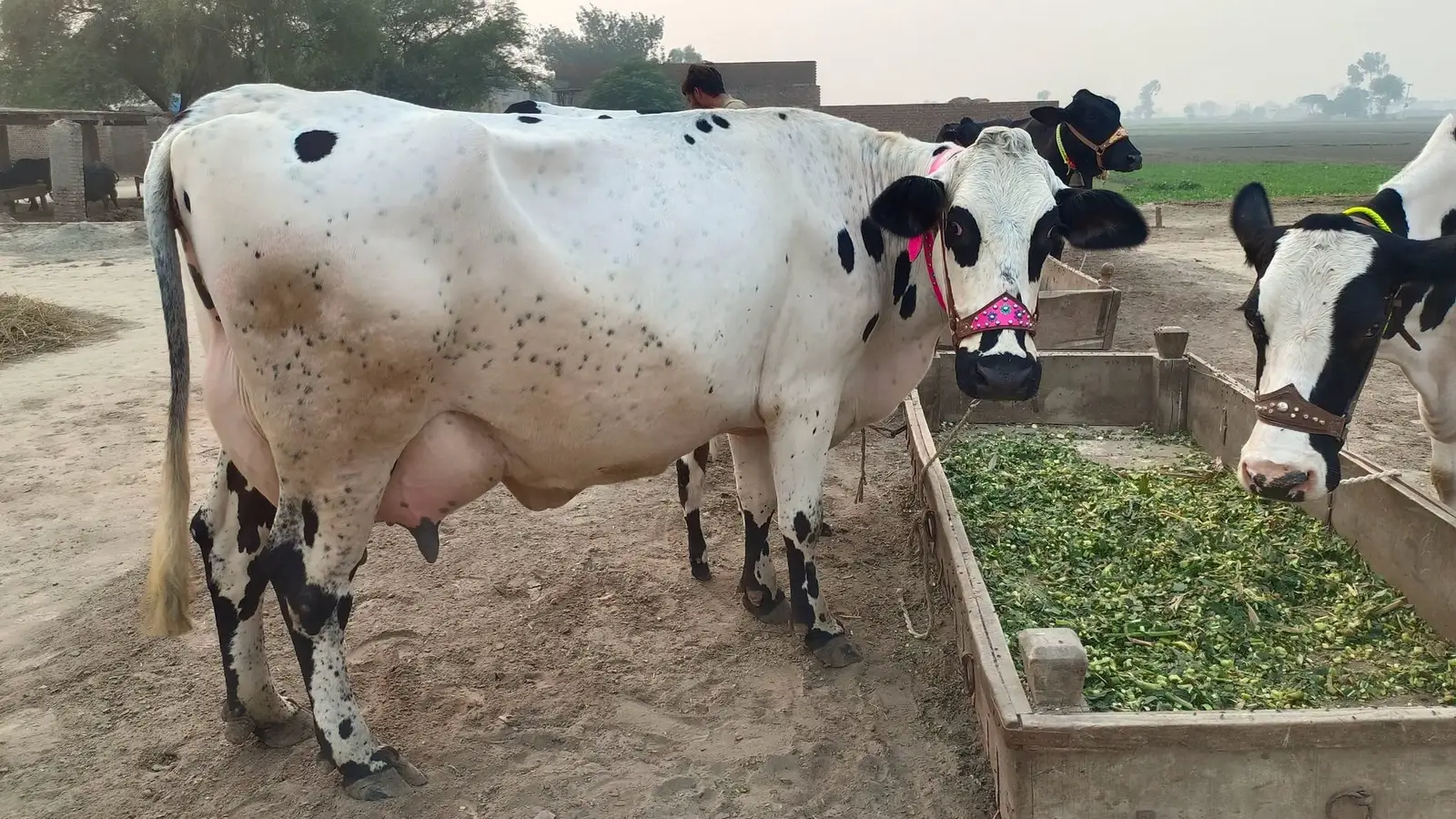
- Green fodder. Berseem and lucerne in winter, maize, sorghum and mott grass in summer. Legumes are richer: Kerala Agricultural University rates 6 to 8 kg of lucerne equal in protein to 1 kg of concentrate.
- Dry roughage. Wheat straw fills the gap when green fodder runs short.
- Concentrate. About 1 kg of a balanced mix for every 2.5 to 3 litres of milk.
- Minerals and salt. A mineral mixture every day, at the amount on the bag or set by your vet.
- Water. Ideally always available. Otherwise give about 1 litre per 10 kg of body weight plus 1.5 litres per litre of milk, and more in heat. Change feed slowly.
Heat. Milking cows feel heat stress from about 20 °C, and crosses suffer more than Cholistanis. Give shade, fans or sprinklers, water near the shade, and feed in the cool hours.
Dry cows. A dry period of 45 to 60 days is usual. Cool dry cows too: research shows heat-stressed dry cows give about 3 to 7.5 kg less milk a day in the next lactation, and their calves are lighter.
Buying tips
Ask the cow's Friesian share, calving date and lactation number, check all four teats, and ask about vaccines. Read our guide to buying an animal safely and find a vet near you. Browse cows for sale, including Cholistani and Holstein ads, or post a free ad.
References
- Farooq et al. (2010), Cholistan and Cholistani breed of cattle, Pakistan Veterinary Journal.
- Farooq, Idris and Rashid (2024), Conservation of Cholistani cattle, Tropical Animal Health and Production.
- Khan (2022), Cattle breeding in Pakistan: policy options; Khan et al. (2008), Pakistani cattle genetic resources.
- FAO (1987), Crossbreeding zebu and European cattle for milk in the tropics.
- Qureshi et al. (2002), Crossbreeding local cattle with Holstein Friesian semen; Malik et al. (2018), Identifying Cholistani cattle.
- Commercial dairying in Karachi (2013); LDDB, Breeds; Britannica, Holstein-Friesian.
- Kumar et al. (2018), Frieswal cattle; The Tribune (2026), Karan Fries.
- Kerala Agricultural University, Cattle feeding; CIMMYT and ILRI, Water for dairy cattle; Penn State Extension, Cooling dry cows.
Frequently asked questions
What is a Friesian Cholistani cross cow?
It is a cow with one Holstein Friesian parent and one Cholistani parent, or a later generation of that mix. Farmers make it to combine the Friesian's milk with the Cholistani's heat tolerance and hardiness. It is not a registered breed, so the Friesian share varies from cow to cow.
How much milk does a Friesian Cholistani cross give per day?
There is little published data on this exact cross. In tropical trials, half Friesian cows averaged about 2,050 kg per lactation of about 306 days, close to 7 litres a day across the lactation. Well-fed cows on good farms give more, and the peak day is much higher than the average day.
What is the best Friesian percentage for a cross cow in Pakistan?
About half. An FAO review of tropical trials found milk yield, lactation length and calving interval improved up to 50 percent Friesian and then became variable and often disappointing. Cows above three quarters Friesian need the same care as a pure Holstein.
What is the fat percentage of Friesian Cholistani milk?
Cholistani milk was recorded at about 4.8 percent fat, and Holstein milk is lower in butterfat. A cross usually falls in between. India's Frieswal cross, which is five eighths Holstein, averages about 4 percent fat.
What is the best feed for a Friesian Cholistani cow for more milk?
Green fodder such as berseem, lucerne, maize, sorghum or mott grass, some wheat straw, a concentrate mix at about 1 kg for every 2.5 to 3 litres of milk, a mineral mixture with salt, and clean water all day. Change feed slowly and ask a vet to set amounts.
Can a Friesian Cholistani cross live in the Cholistan desert?
Not well on open desert grazing. Researchers warn that dairy crosses are less likely to survive where communal grazing is the main feed, as in Cholistan. The cross does best on irrigated farms with steady fodder, shade and water. Pure Cholistani cattle remain the better choice for herders in the desert.
How long should a Friesian Cholistani cow be dry before calving?
A dry period of about 45 to 60 days is usual. Keep dry cows cool as well: studies show cows stressed by heat while dry give less milk in the next lactation and have lighter calves.