Misri Hen Eggs per Year, Laying Season, Feed and Best Breeds
How many eggs a desi Misri (Fayoumi) hen lays, when laying peaks and drops, what to feed for more eggs, and which hens suit Pakistan, India and other climates.
By Pets Bazar Editorial Team, Editors · Published · 5 min read
A desi Misri hen is a small, hardy layer that gives far more eggs than an ordinary village hen. In short: expect about 150 to 180 eggs a year from well-kept birds, starting at about 18 to 20 weeks, with the best laying in the mild months. Feed a layer ration with extra calcium. Misri suits hot plains; in cold hills, pick a heavier breed.
For housing and vaccines, see our guide to keeping hens at home.
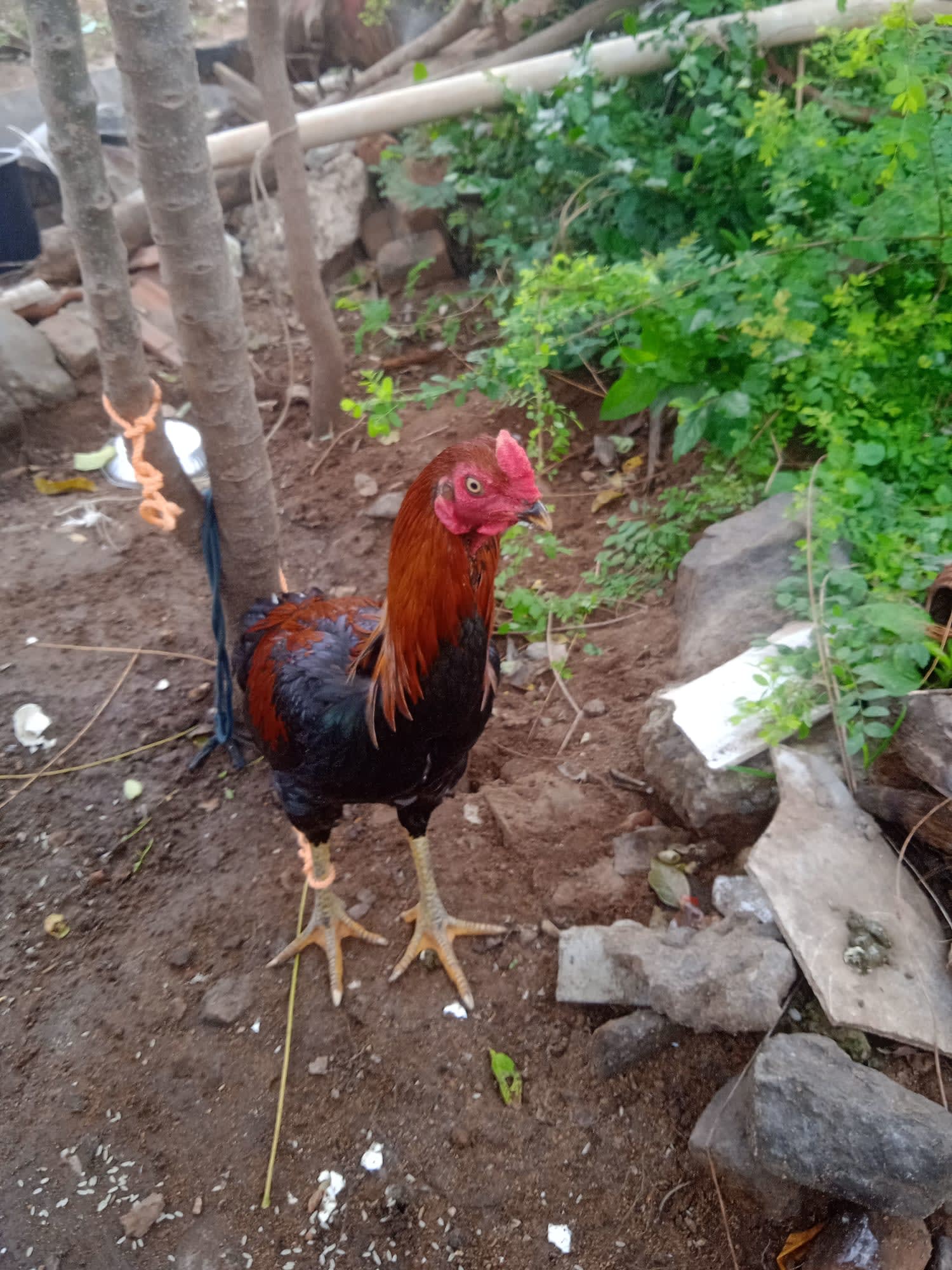
What is a desi Misri hen
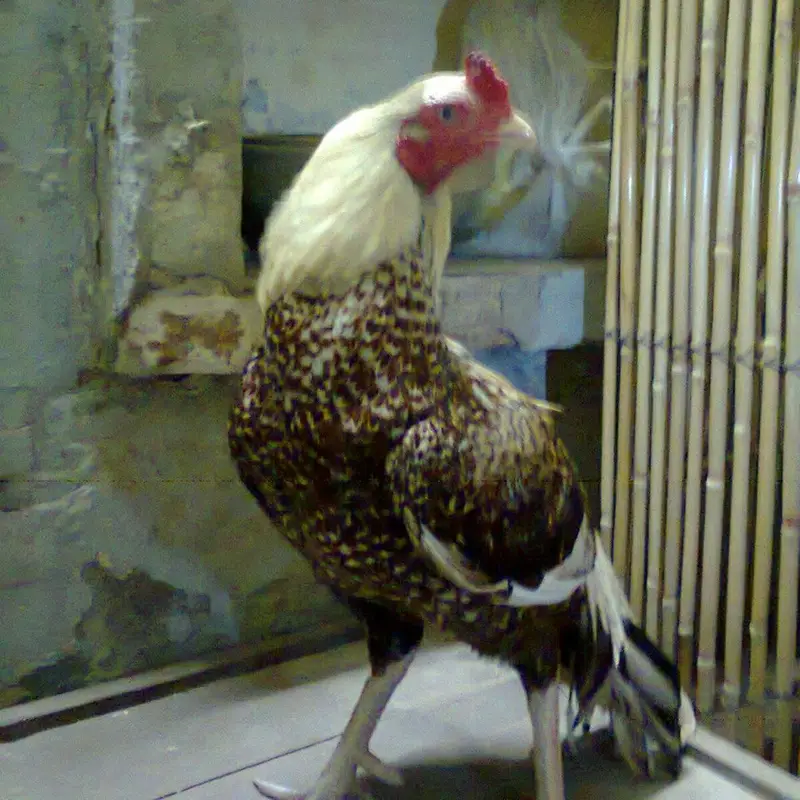
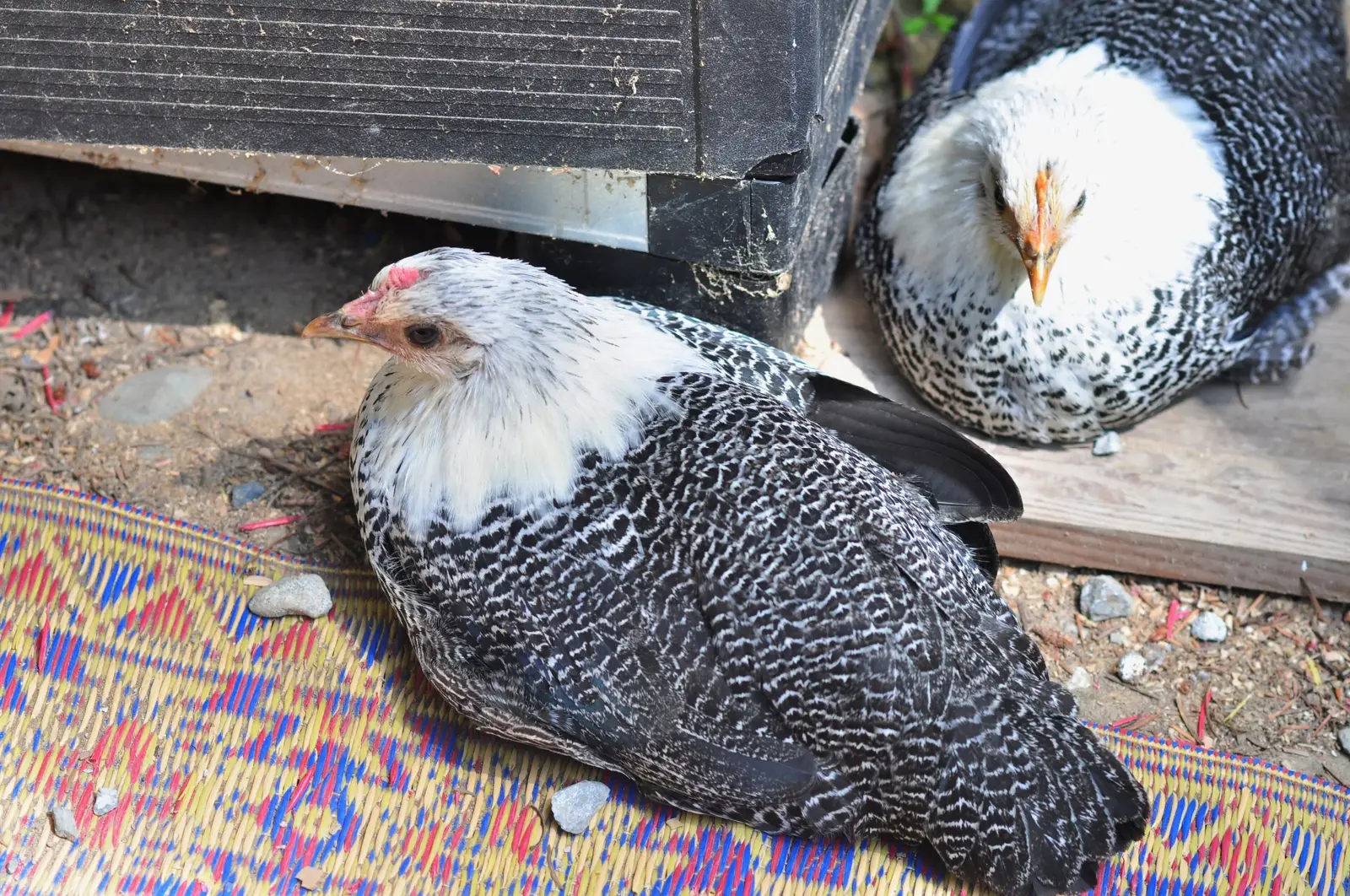
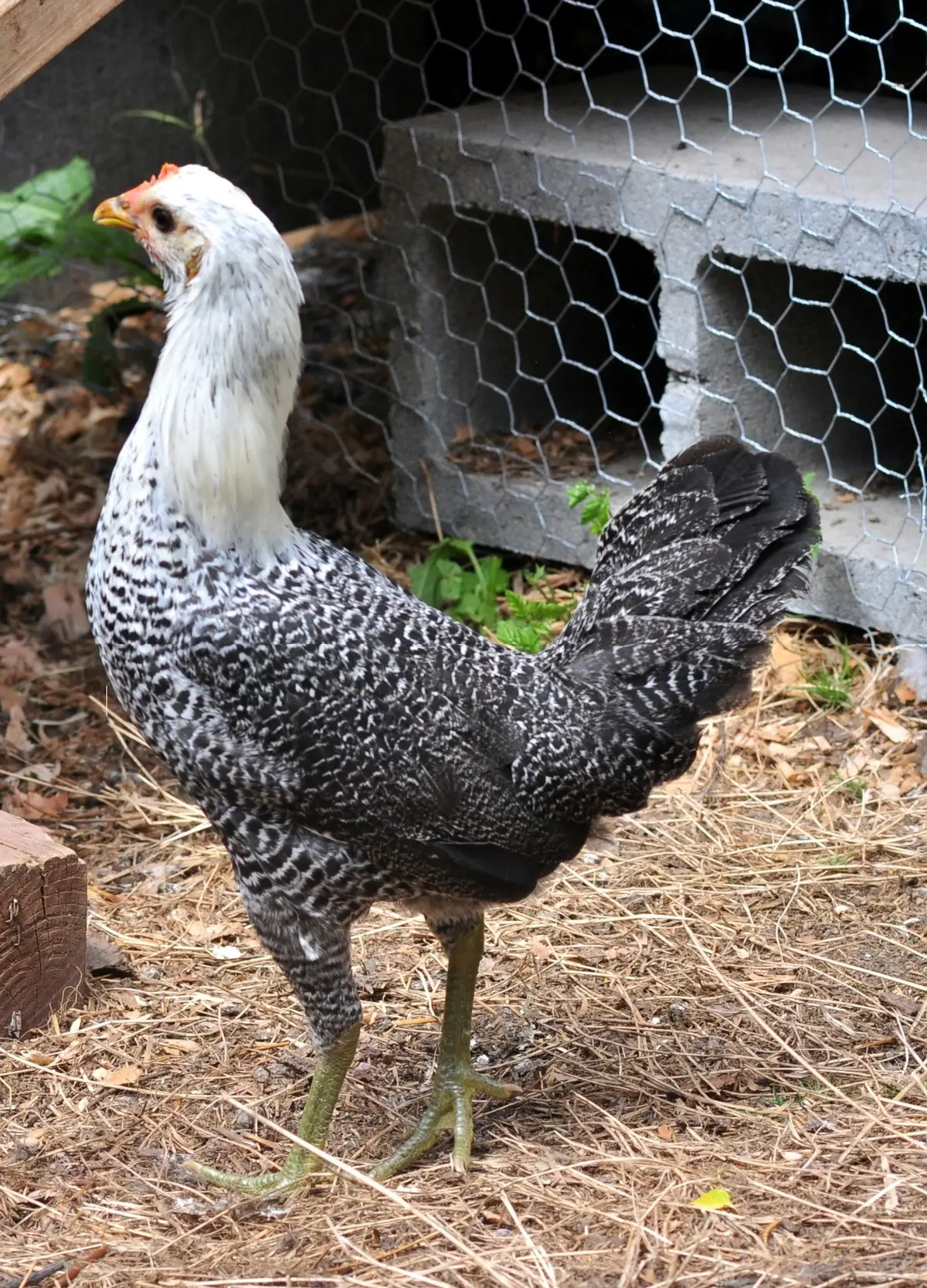
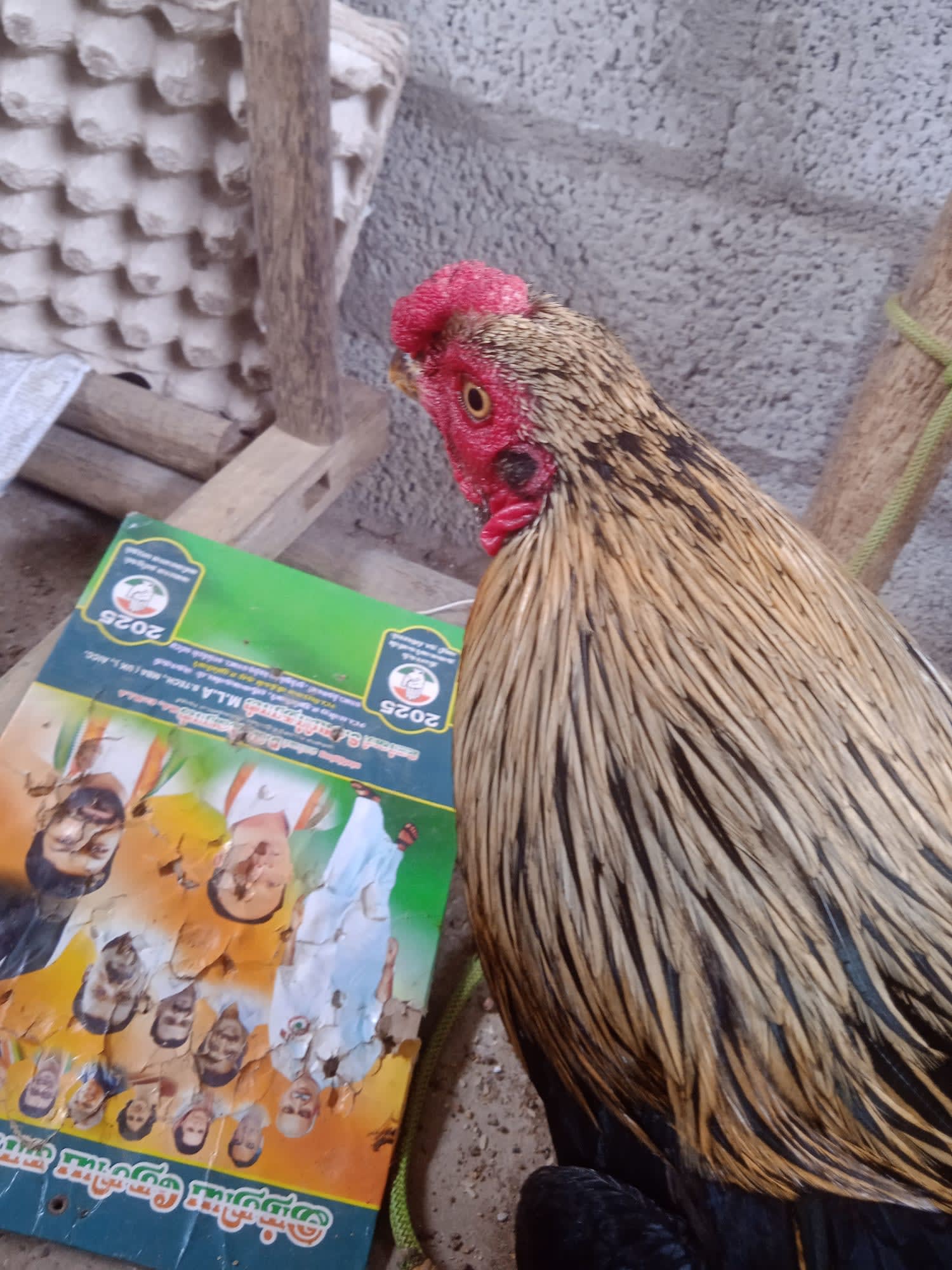
Misri means Egyptian. It is the local name for the Fayoumi, an old breed from the Fayoum region southwest of Cairo, and the University of Veterinary and Animal Sciences (UVAS) Lahore uses it in its poultry advice. Birds have a silver white neck and a black and white barred body. They are light, active and mature early.
"Desi Misri" and "Golden Misri" are seller names, not breeds. They can mean a Fayoumi type, a Rhode Island Red type or a cross, so ask what the parents were.
How many eggs does a Misri hen lay
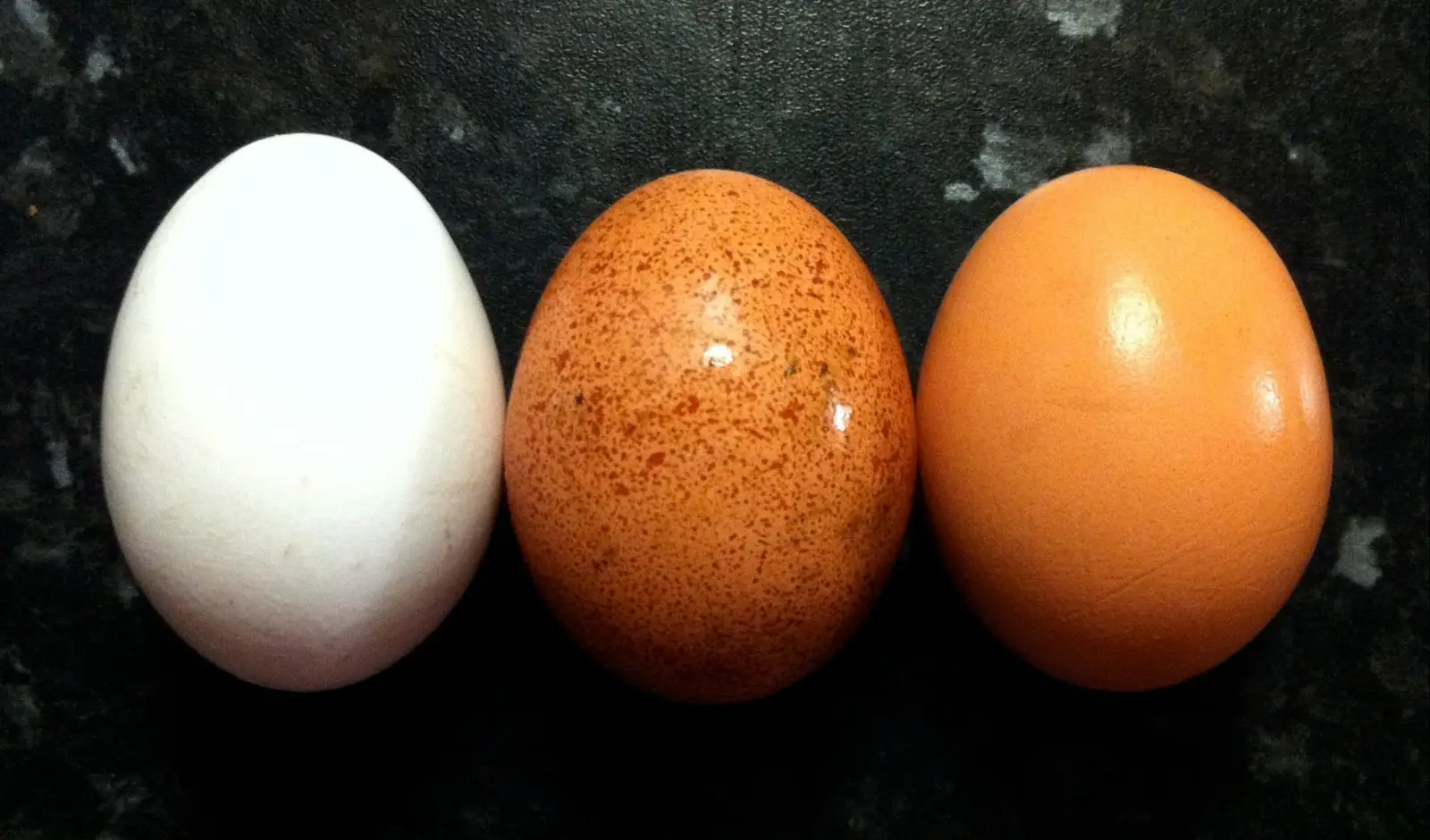
UVAS gives Misri an average of about 180 eggs a year, with an egg of about 46 grams. Tractor Supply's breed guide puts the Fayoumi at about 150. Feed, light, heat and strain all matter, so treat 150 to 180 as a good result, not a promise.
| Hen | Eggs a year | Egg size and colour | Notes |
|---|---|---|---|
| Misri (Fayoumi) | About 150 to 180 | Small, about 46 g, cream or tinted | Eats little, heat hardy |
| Desi | About 80 to 120 | 45 to 55 g, brown or tinted | Hardy, broody, good mother |
| Golden (Rhode Island Red) | About 200 | About 52 g, brown | Needs more feed and shade |
| UniGold (UAF, Faisalabad) | About 179 to 212 | About 52 g | New Pakistani layer |
Desi, Misri and Golden figures are from UVAS. UniGold figures are from the University of Agriculture Faisalabad, as reported by Geo News.
Laying season: when Misri hens lay most
Two things drive the season: day length and heat.
- Light. Hens lay best with about 14 to 16 hours of light a day. In Pakistan and north India, summer days come close to that and winter days are about four hours shorter, so laying slows from about November to January.
- Heat. Hens are comfortable at about 21 to 25 °C. Above about 27 °C they pant and eat less, and in long spells at 32 to 35 °C, laying, egg size and shell strength all fall.
- Moult. Most adult hens moult once a year, usually in autumn, and lay little until new feathers grow.
So on the hot plains, expect the best laying from about February to April and again from October, with dips in the hottest weeks and midwinter. This follows from those three drivers; we found no measured Pakistani curve. In winter add an early morning light, and in summer give deep shade, airflow and cool water.
What to feed Misri hens for more eggs
- Layer feed. Once pullets start laying, at about 20 weeks, switch to a layer ration of about 16 percent protein with 3 to 4 percent calcium. Never give it to growing chicks; the extra calcium harms them.
- Extra calcium. Put crushed oyster shell or limestone in a separate pot. Thin or cracked shells mean the hens need more.
- Grit. Hens that eat whole grain need small stones to grind it. Free range birds usually find their own.
- Treats. Keep grain, scraps and greens to what the hens finish in about 20 minutes. Never feed mouldy or salty food.
- Water. Hens drink about two to three times as much water as feed, and more in summer.
Misri hens eat less than heavier breeds. In hot weather, feed in the cool morning and evening.
Which hen suits your area
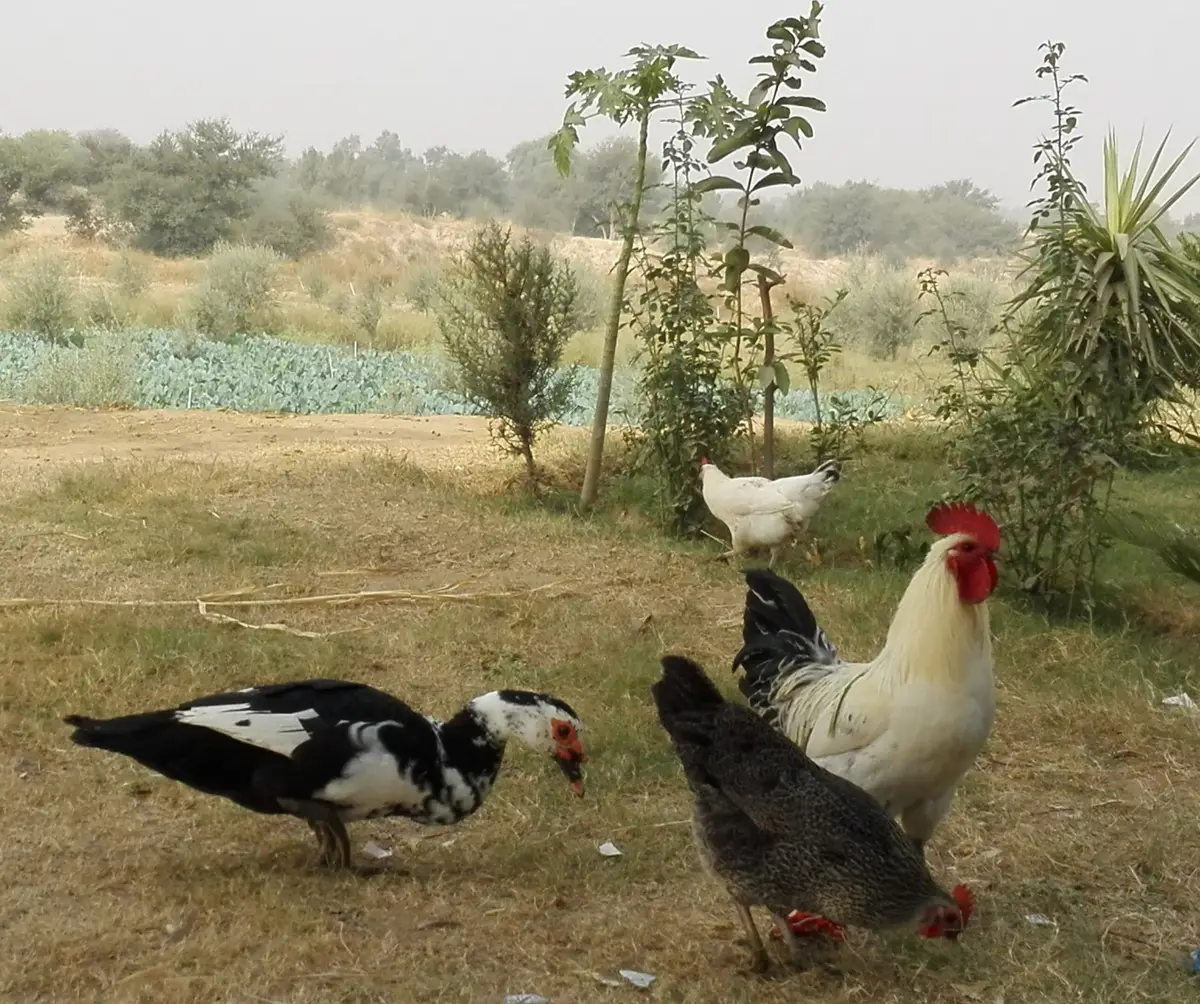
Pakistan. On the hot plains of Punjab and Sindh and on the coast, Misri, desi hens and Misri crosses do best, with shade and airflow. In cold areas such as Gilgit-Baltistan, upper Khyber Pakhtunkhwa, Murree and Quetta in winter, Misri suffers, so choose Golden or hardy desi hens in a dry, closed house.
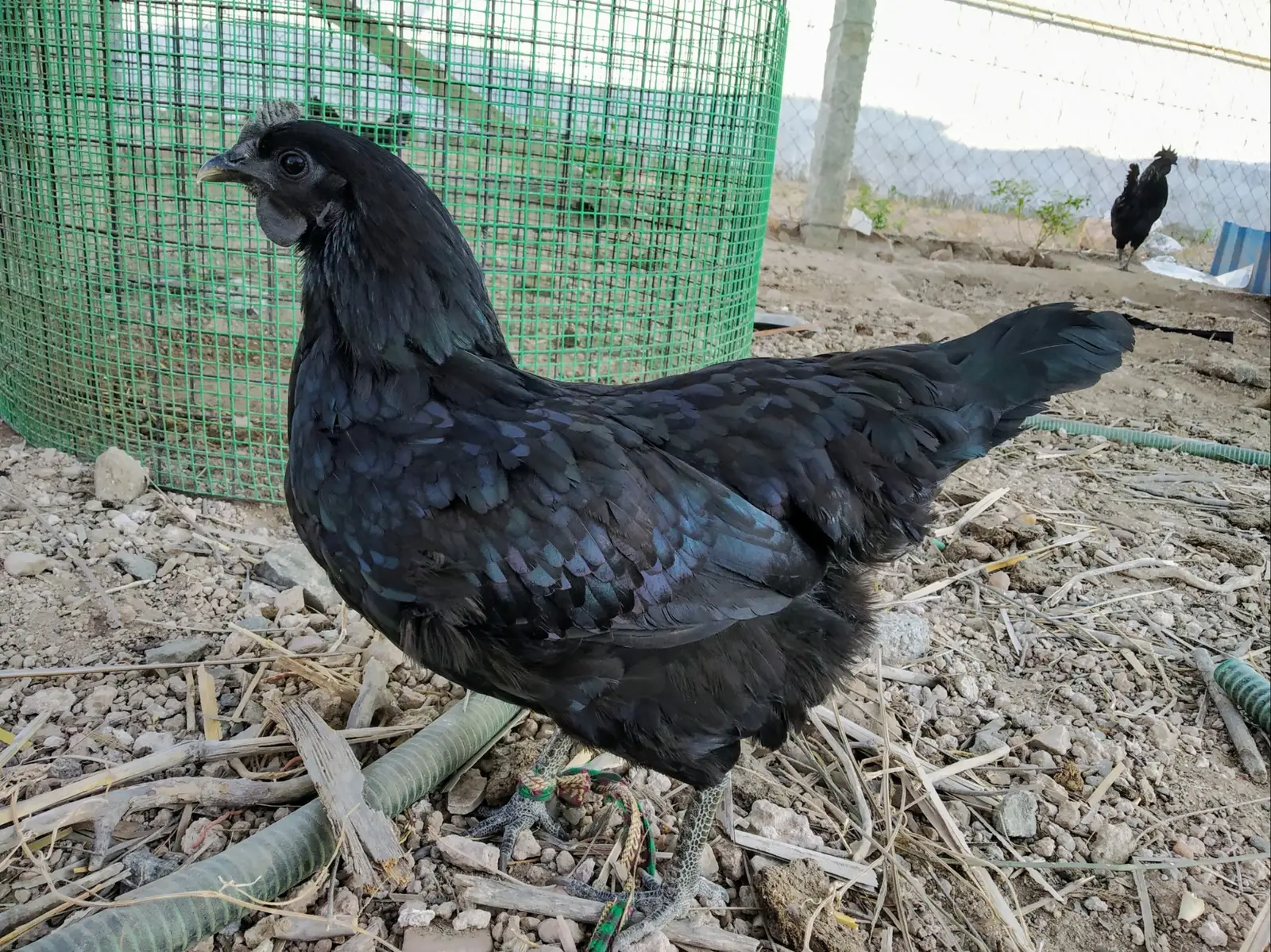
India. Fayoumi-type layers suit the hot north and centre. India's poultry research body, ICAR, has bred backyard birds for village flocks: Gramapriya lays about 150 to 160 eggs a year in farmers' backyards and Vanaraja about 100 to 110 free range. The black Kadaknath of Madhya Pradesh is kept mainly for its meat and lays few eggs.
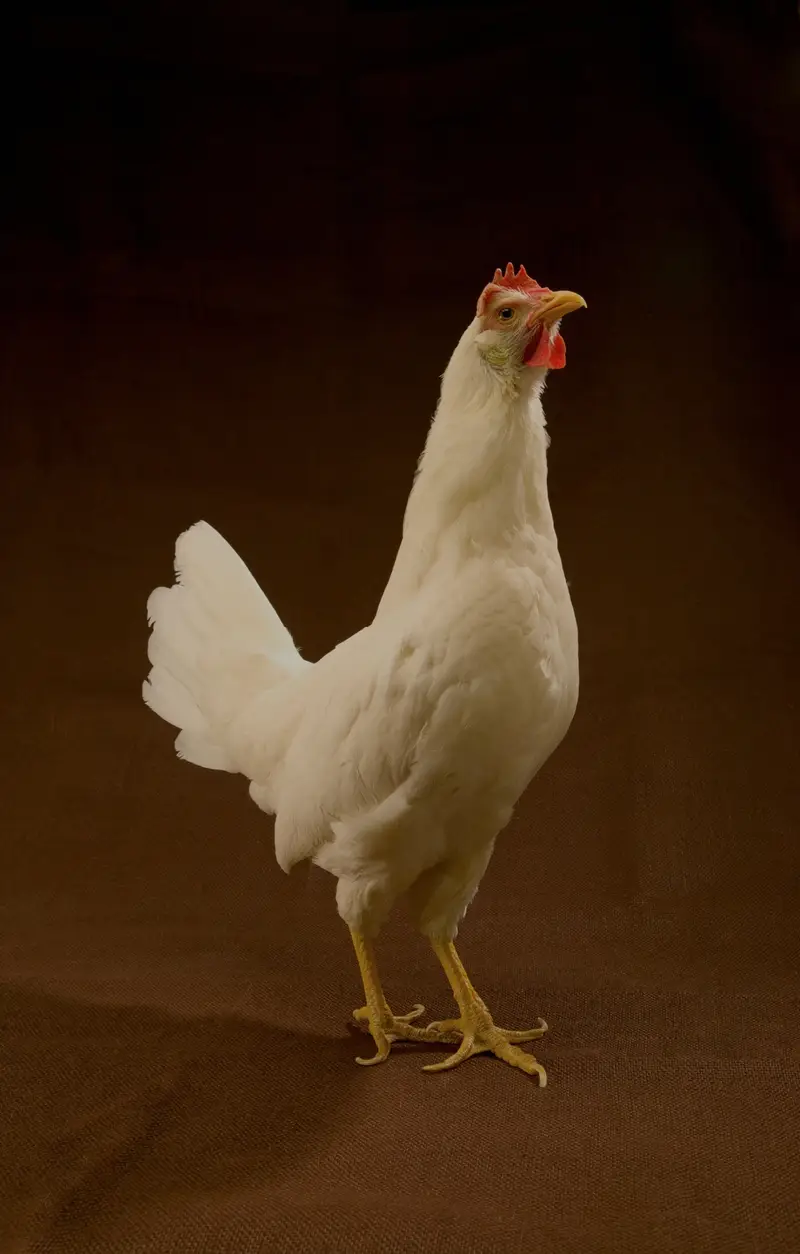
Gulf, Middle East and Africa. Heat favours light breeds. Misri and the Leghorn both cope well, and the Livestock Conservancy credits the Leghorn with about 150 to 320 white eggs a year. In East Africa, the Indian-bred Kuroiler lays about 150 to 200 eggs a year, against about 40 for local hens, according to Arizona State University.
UK, Europe, North America and other cold places. Misri is not cold hardy. Brown egg breeds such as the Rhode Island Red (about 200 to 300 eggs a year) and the Australorp, which holds a record of 364 eggs in 365 days, handle cold far better.
Health and buying tips
Researchers have studied the Fayoumi's resistance to Newcastle disease, and breeders call it resistant to Marek's disease. Resistance is not immunity, so vaccinate on a vet's schedule (find a vet).
When buying, ask the hatch date and check for clear eyes, clean vents and quiet breathing. Read our guide to buying a pet safely, then browse hens for sale or Aseel birds. Have birds to sell? Post a free ad.

References
- UVAS Poultry Advisory Services, Improved desi breeds.
- Geo News, Pakistani scientists develop chicken breed which lays over 200 eggs a year.
- Tractor Supply, Egyptian Fayoumi; My Pet Chicken, Fayoumi.
- University of Arizona Extension, Nine common reasons your hens are not laying.
- Ontario Ministry of Agriculture, Heat stress in commercial layers.
- Oregon State University Extension, How to feed your laying hens; Extension Foundation, Feeding chickens for egg production.
- ICAR Directorate of Poultry Research, Technologies developed.
- Arizona State University, Winged victory: a new chicken brings hope to Africa.
- The Livestock Conservancy, Leghorn and Rhode Island Red; Oklahoma State University, Australorp.
- Penn State, via ScienceDaily (2019), Genes could help create more resilient chickens.
Frequently asked questions
How many eggs does a Misri hen lay in a year?
The poultry advisory service of UVAS Lahore gives about 180 eggs a year for Misri, the local name for the Fayoumi. Other sources give about 150, and free range birds with poor feed lay fewer. Feed, light, heat and age decide where your hens land.
At what age does a Misri hen start laying eggs?
Usually at about 18 to 20 weeks old, according to UVAS. Misri is one of the earliest breeds to mature, so some pullets start a little sooner when they are well fed and the days are long.
Why have my Misri hens stopped laying in winter?
Short days are the usual reason. Hens need about 14 to 16 hours of light to lay well, and Pakistani winter days are far shorter. The yearly moult often falls at the same time. Adding light in the morning helps, as long as feed and calcium are right.
What should I feed Misri hens for more eggs?
Give a layer feed with about 16 percent protein and 3 to 4 percent calcium once they start laying, clean water all day, and a little crushed shell or limestone on the side. Keep grain, scraps and greens to what the hens finish in about 20 minutes.
Is Misri better than desi or Golden hens?
For eggs, Misri lays more than an ordinary desi hen and eats less than a Golden (Rhode Island Red), but its eggs are smaller. Desi hens are better mothers. Golden hens lay a little more but feel the heat and need more feed.
Do Misri hens lay in summer?
Yes, but less in the hottest weeks. Misri copes with heat better than most breeds, yet any hen eats less above about 30 degrees Celsius, so laying and shell quality fall. Shade, cool water and feeding in the cooler hours help.
Which hen is best for eggs in cold areas?
Misri is not cold hardy. In cold hills and cold countries, choose a heavier brown egg layer such as the Rhode Island Red or Australorp, or a hardy local desi hen, and give a dry, draught free house.