Keeping Hens at Home in Pakistan: Desi, Aseel and Golden Misri Basics
How to keep a few hens at home in Pakistan: choosing desi, Misri, Golden or Aseel birds, a safe coop, feed, egg laying and the diseases to vaccinate against.
By Pets Bazar Editorial Team, Editors · Published · Updated · 5 min read
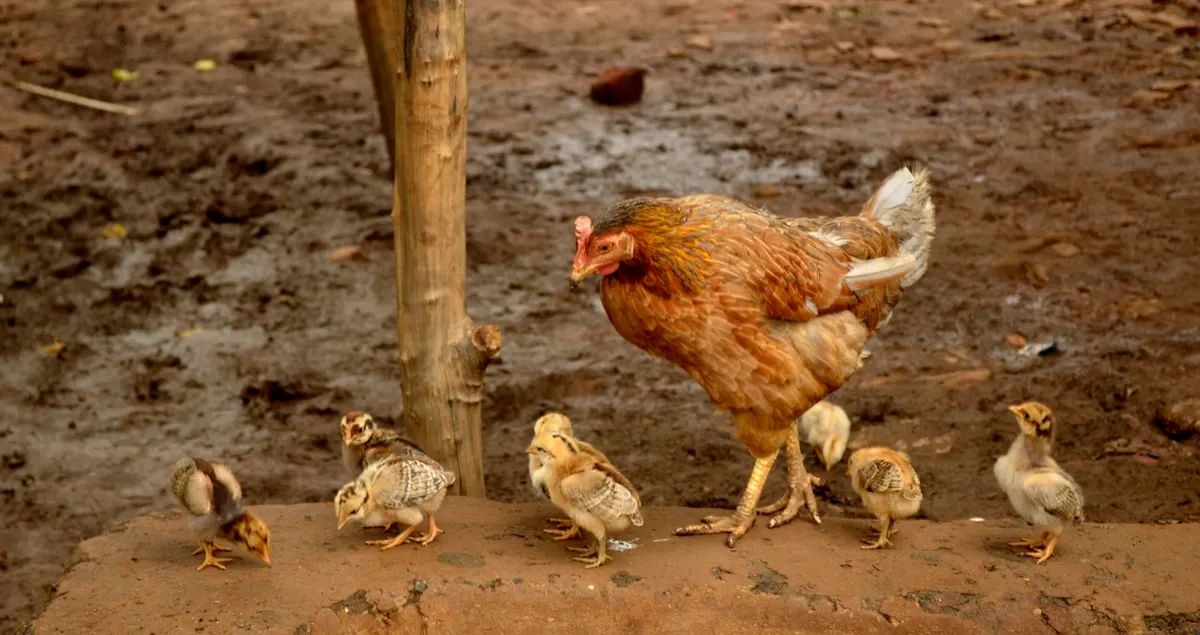
A few hens in the yard give fresh eggs, eat kitchen scraps and teach children how to care for animals. In short: choose the right type of bird for your goal, build a house that keeps predators out at night, feed a balanced diet with extra calcium, and vaccinate against Newcastle disease on a vet's schedule.
This guide is for home keepers with a handful of birds, not commercial farms. It gives no prices. When you are ready to look, browse hens for sale in Pakistan.
Desi, Misri, Golden or Aseel: which hen to keep
Start with what you want from your hens. Egg figures below come from the poultry advisory pages of the University of Veterinary and Animal Sciences (UVAS), Lahore, and assume well-kept birds.
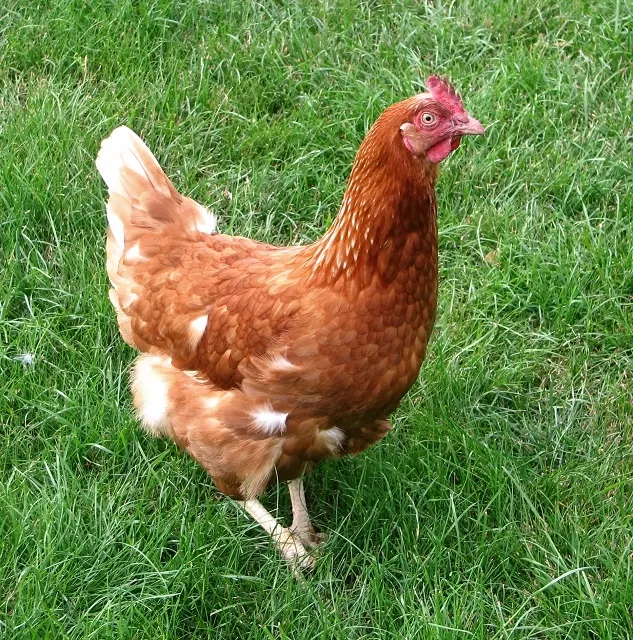
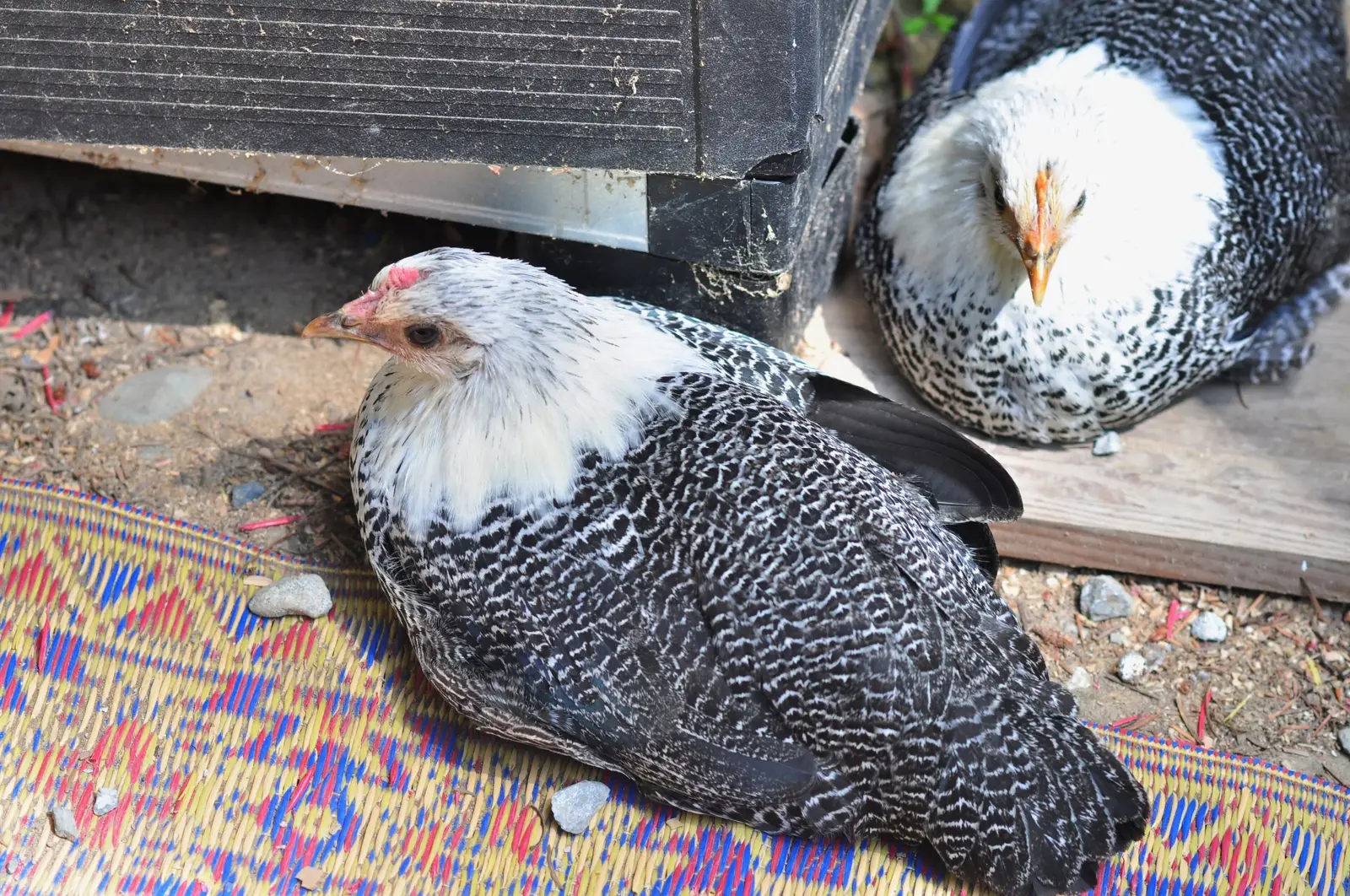
Desi. The local village hen. It is not one breed but a mix, so size and colour vary. Desi hens are hardy, forage well and often go broody, which means they sit on eggs and raise chicks. They lay fewer eggs than imported types.
Misri. UVAS uses this name for the Fayoumi, a light Egyptian breed that has lived in Pakistan for decades. It is active, copes well with local conditions and lays small eggs. See our guide to Misri hen eggs and laying season.
Golden. UVAS uses this name for the Rhode Island Red, an American dual-purpose breed. It lays well and forages, but it feels high summer heat.
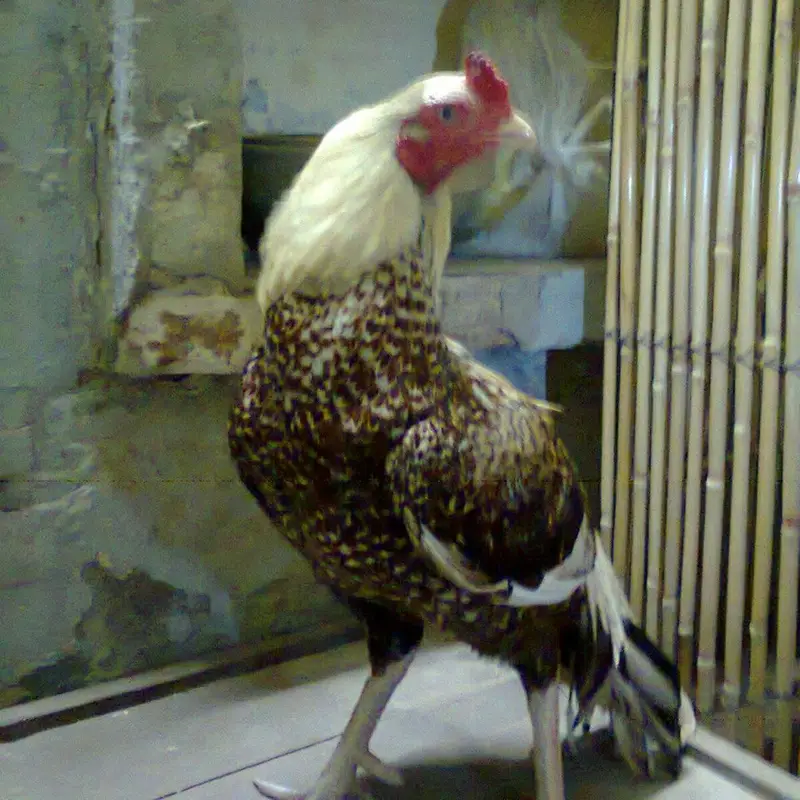
Golden Misri. There is no official breed by this name. Sellers use it loosely for Fayoumi-type birds, Rhode Island Red-type birds or crosses of the two. Ask the seller what the parents were and judge the bird in front of you.
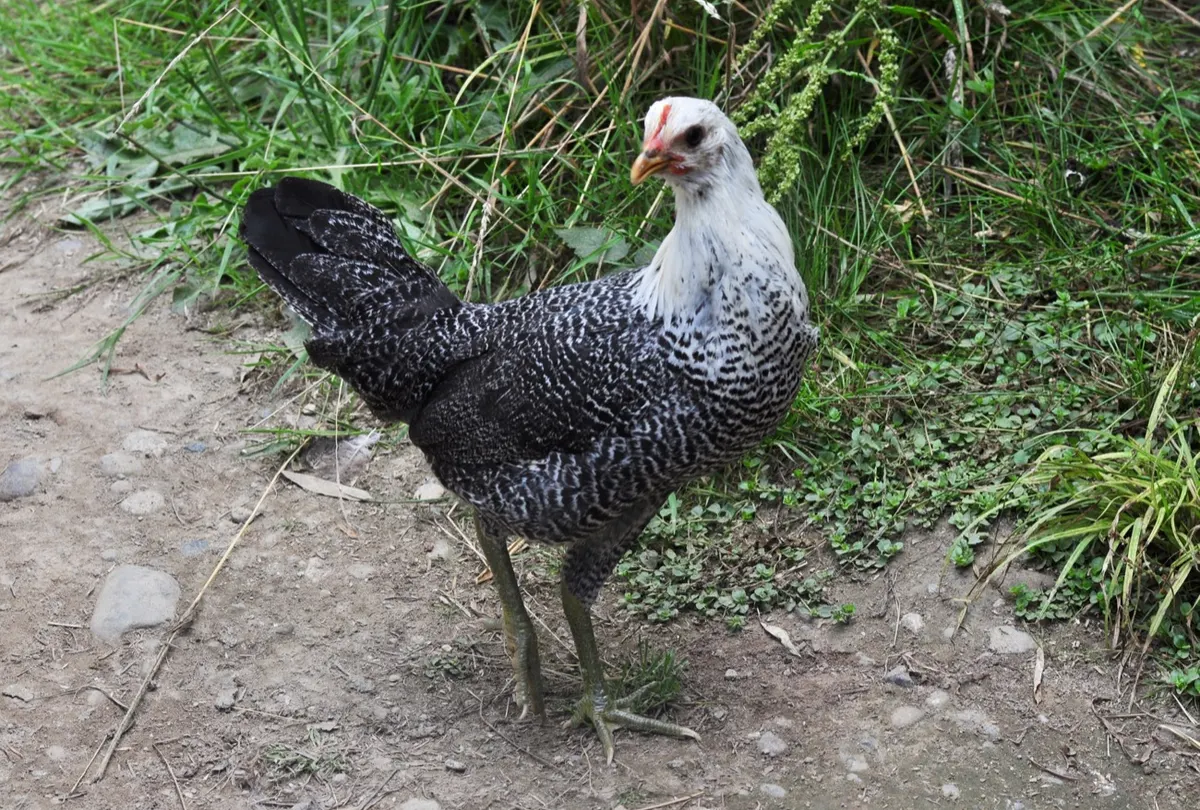
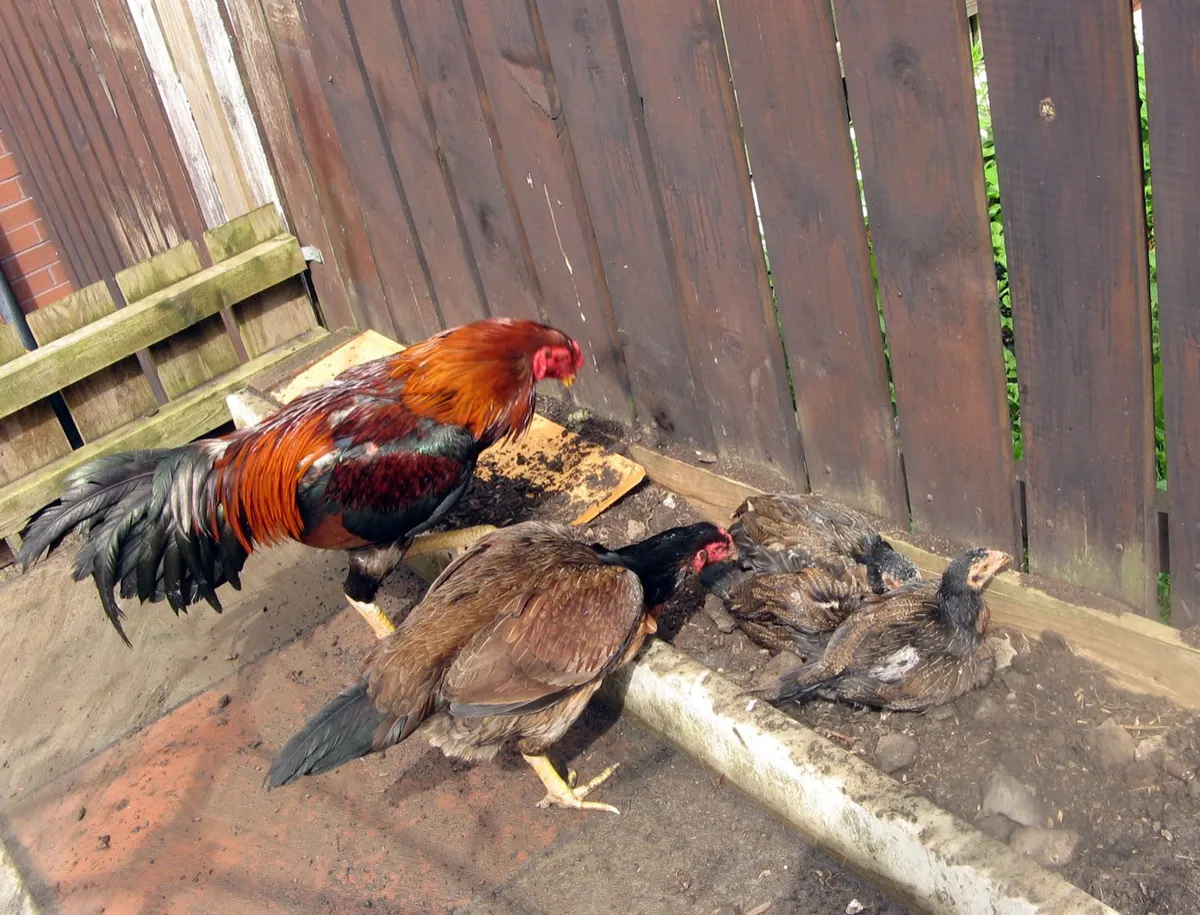
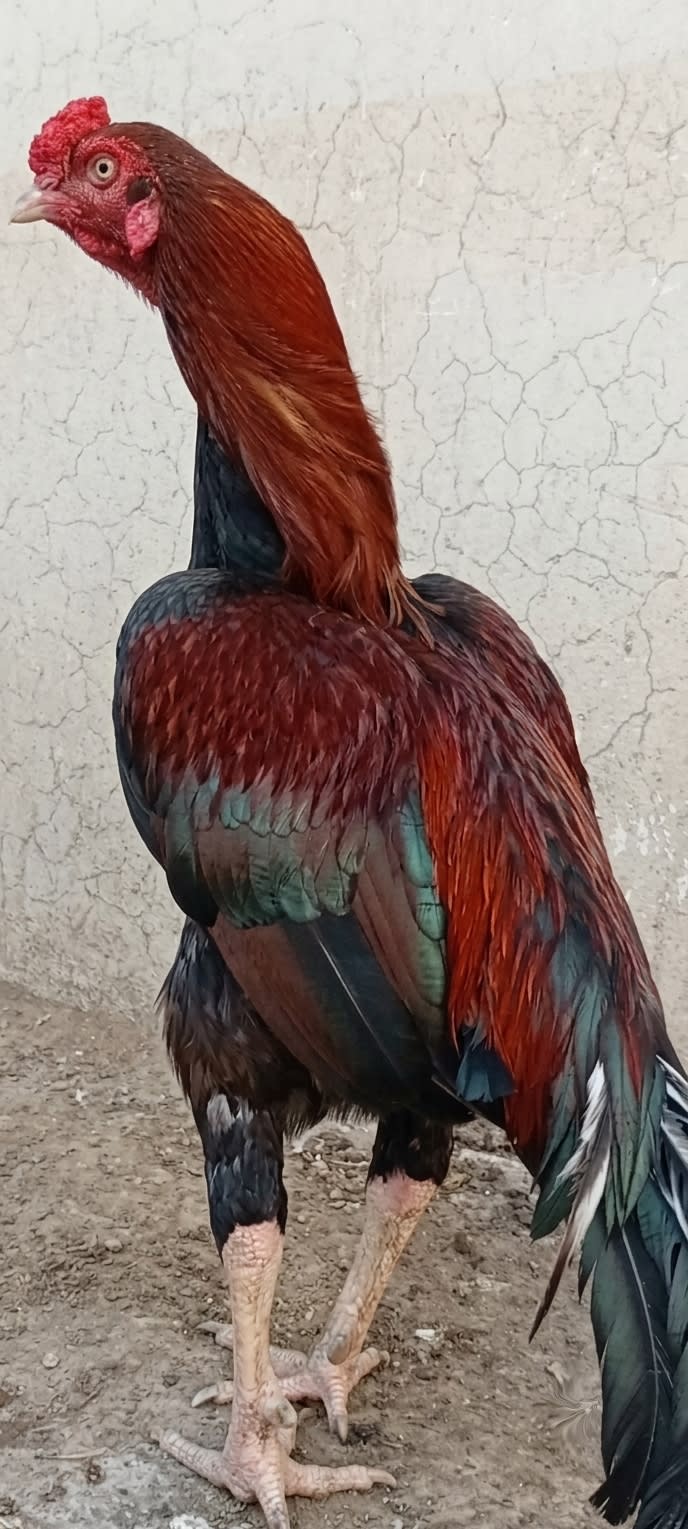
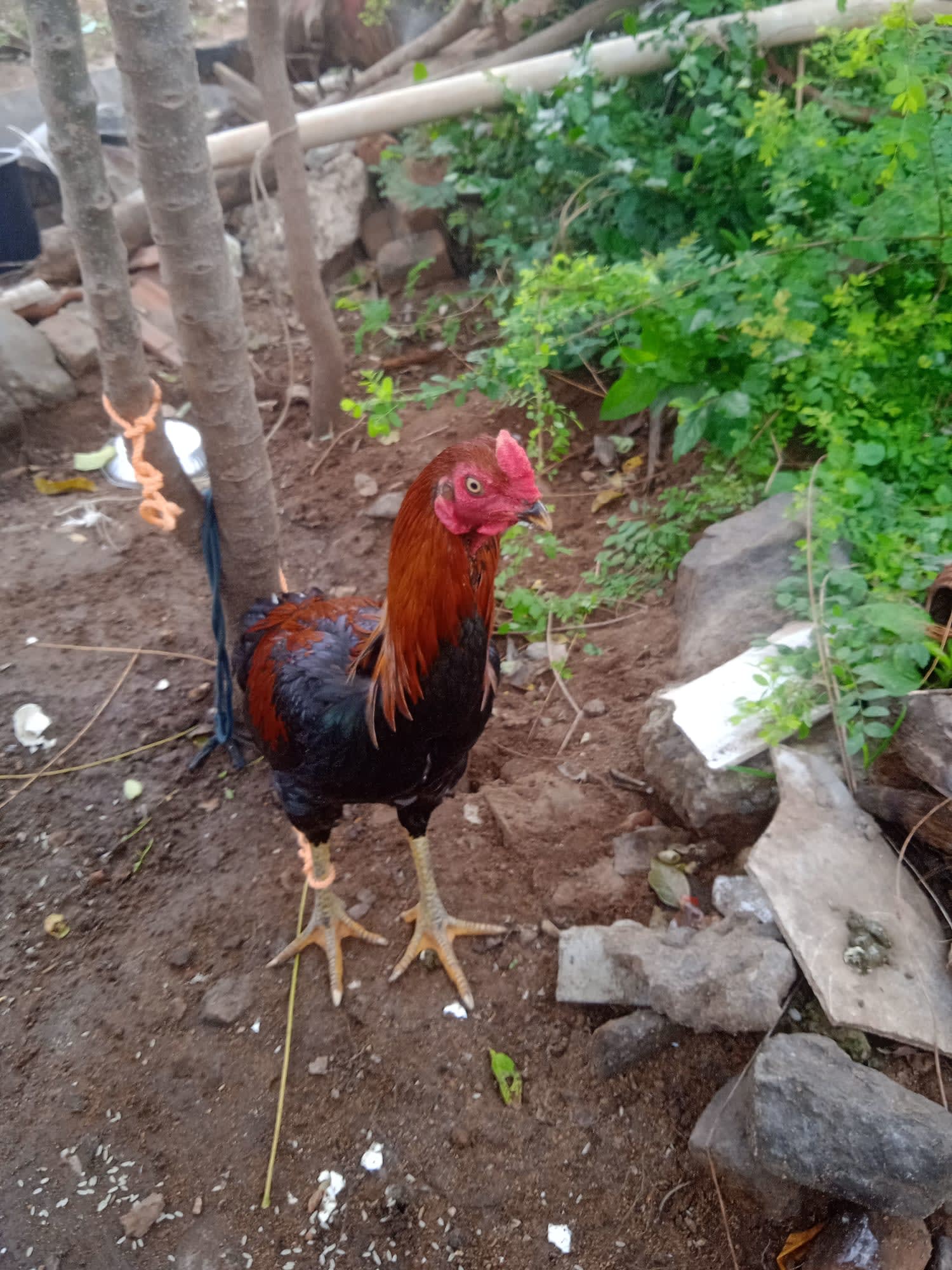
Aseel. A game breed of our region, kept for its meat and its looks. Aseel hens are strong, protective mothers but lay very few eggs, and adult cocks fight each other, so each needs its own pen. Read our guide to Aseel types and imported bloodlines before you buy.
| Type | Eggs a year (UVAS) | Best for | Keep in mind |
|---|---|---|---|
| Desi | About 80 to 120 | Hardiness and hatching chicks | Size and colour vary |
| Misri (Fayoumi) | About 180 | Eggs | Small eggs, flighty |
| Golden (Rhode Island Red) | About 200 | Eggs | Needs shade in summer |
| Aseel | About 40 to 60 | Meat and as mothers | Adult cocks fight |
Housing: a safe house for the night
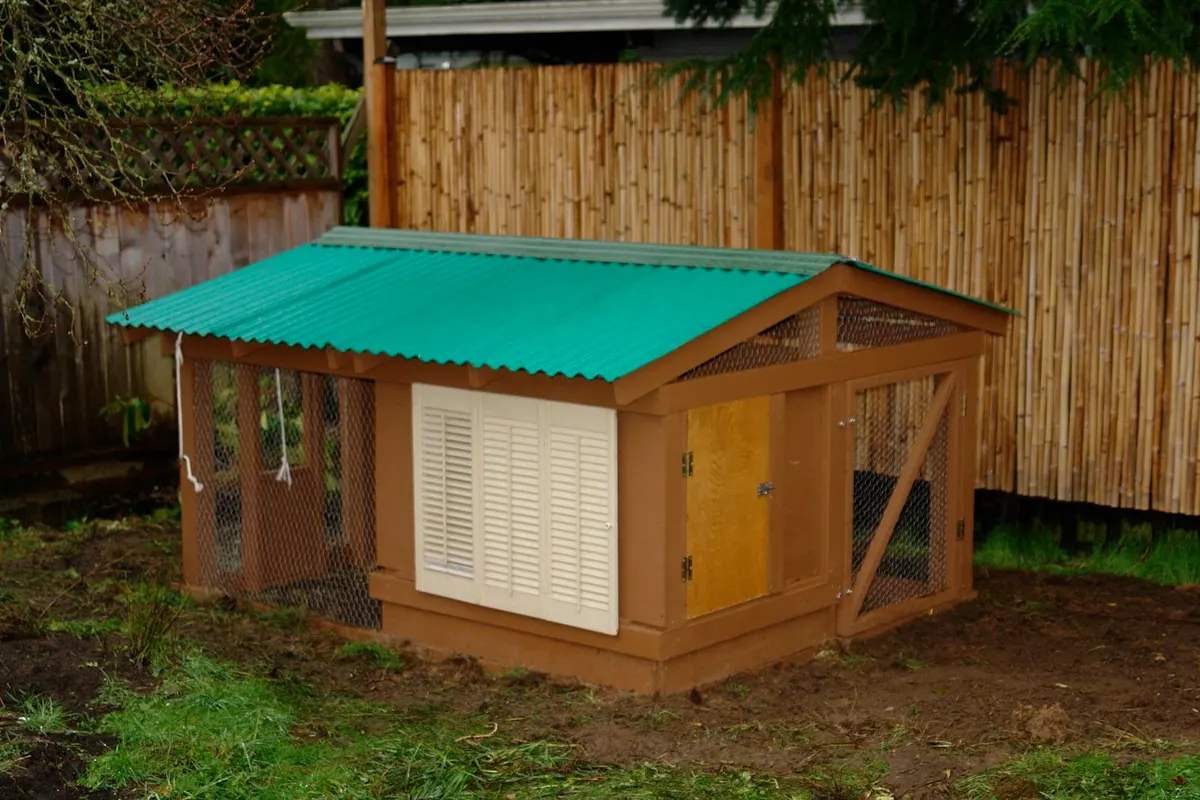
Cats, dogs and mongooses take many backyard hens after dark. Let the birds out by day and shut them in a safe house at night.
- Space. UVAS advises at least about a tenth of a square metre of floor per bird in the night house. More is better, and a netted area to roam by day keeps them fit.
- Walls and mesh. Use strong chicken mesh with no gaps, a solid roof and a door that latches. Check for holes every week.
- Litter. Spread 8 to 10 cm of rice husk, sawdust or wheat straw on the floor. Replace wet patches straight away.
- Perches and nests. Give a perch to sleep on and a dark, quiet nest box with straw for laying.
- Heat and cold. In summer give shade, airflow and cool water, and watch for panting with wings held away from the body. In winter block cold draughts but keep some air moving.
Feed and water
Hens need clean water all day, every day. A laying hen drinks more in summer, so check the water twice a day.
UVAS suggests that home keepers mix commercial poultry feed, about 40 to 50 percent of the diet, with grain, kitchen scraps and greens such as lucerne, spinach and cabbage. Laying hens need plenty of protein and calcium, or their shells turn thin. A ready-made layer feed covers this. Never feed mouldy bread or grain, or salty and spicy leftovers.
Eggs and broody hens
Misri and Golden pullets usually start laying at around 18 to 20 weeks old. Laying slows when the days get short, in hard summer heat and when hens moult. UVAS advises about 16 hours of light a day for laying birds, so keepers often add a bulb in the house after sunset.
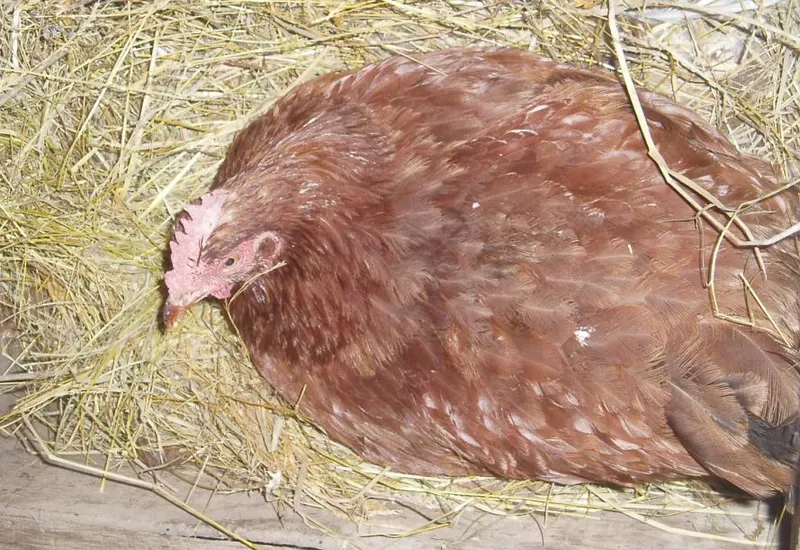
A hen does not need a cock to lay. You only need one to hatch chicks, and leaving him out spares your neighbours the dawn crowing. A broody desi or Aseel hen will hatch her own eggs in about 21 days.
Common diseases and vaccination
The most dangerous disease for backyard hens in Pakistan is Newcastle disease, often called ranikhet. It spreads fast and can kill a whole flock. Other common problems are fowl pox (scabs on the comb and face), coccidiosis (bloody droppings, worst in young birds on wet litter), breathing infections, worms, lice and mites.
Vaccine choice and timing depend on your area and the birds' age, so ask your vet and keep a written record. Find a vet near you on our clinics page. For buying safely from a seller, read our guide to buying a pet safely. If you also keep livestock, see our guide to cow breeds in Pakistan. If you also want to keep pigeons, our pigeon keeping guide covers loft basics.
Where to find hens for sale
Browse hens for sale in Pakistan, see Aseel birds for sale, or look closer to home with hens for sale in Lahore. Every ad shows the seller's city, and you can chat with the seller before you visit. If you have birds to sell, post an ad.

Frequently asked questions
Which hen lays the most eggs in Pakistan?
Of the common backyard types, the Rhode Island Red, sold as Golden, and the Fayoumi, sold as Misri, lay the most. UVAS advisory figures put them at about 200 and 180 eggs a year. Desi hens lay about 80 to 120, and Aseel hens far fewer.
What is a Golden Misri hen?
It is a seller's name, not an official breed. UVAS calls the Fayoumi Misri and the Rhode Island Red Golden. Sellers use Golden Misri loosely for either type or a cross of the two, so ask what the parents were and judge the bird you see.
Do hens need a cock to lay eggs?
No. Hens lay without a cock. You only need one if you want fertile eggs to hatch chicks. Leaving the cock out also keeps the peace with neighbours, since cocks crow at dawn.
How much space do backyard hens need?
UVAS advises at least about a tenth of a square metre of floor per bird in the night house, with an open, netted area to roam in by day. More space means less fighting and cleaner birds.
Which vaccines do backyard hens need?
The main one is against Newcastle disease, which can wipe out a flock. Fowl pox and other vaccines may also be advised for your area. Ask a vet or your provincial livestock department for a schedule and keep a written record.