Pakistani Aseel vs Imported Bloodlines: Types, Traits and Crosses
The Aseel varieties of Pakistan, the imported game lines sold here, how they compare with local breeds, and what crossing them really gives.
By Pets Bazar Editorial Team, Editors · Published · 10 min read
The Aseel is an old game breed from our region. Today it shares the market with game birds from abroad and with many crosses, and sale ads use many names. This guide explains what research says about Pakistani Aseel, how imported lines differ, and what crossing with local breeds gives.
What makes an Aseel an Aseel
The Aseel comes from the Indian subcontinent, and its name comes from the Arabic for pure or purebred. In England, Aseel-type birds helped create the Indian Game, or Cornish, which is an ancestor of today's broiler.
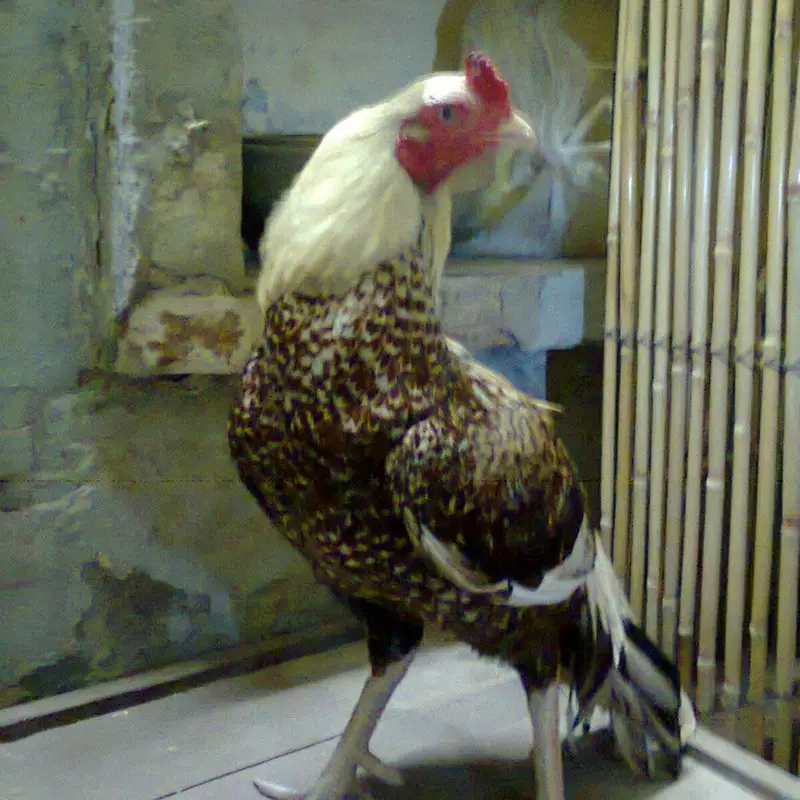
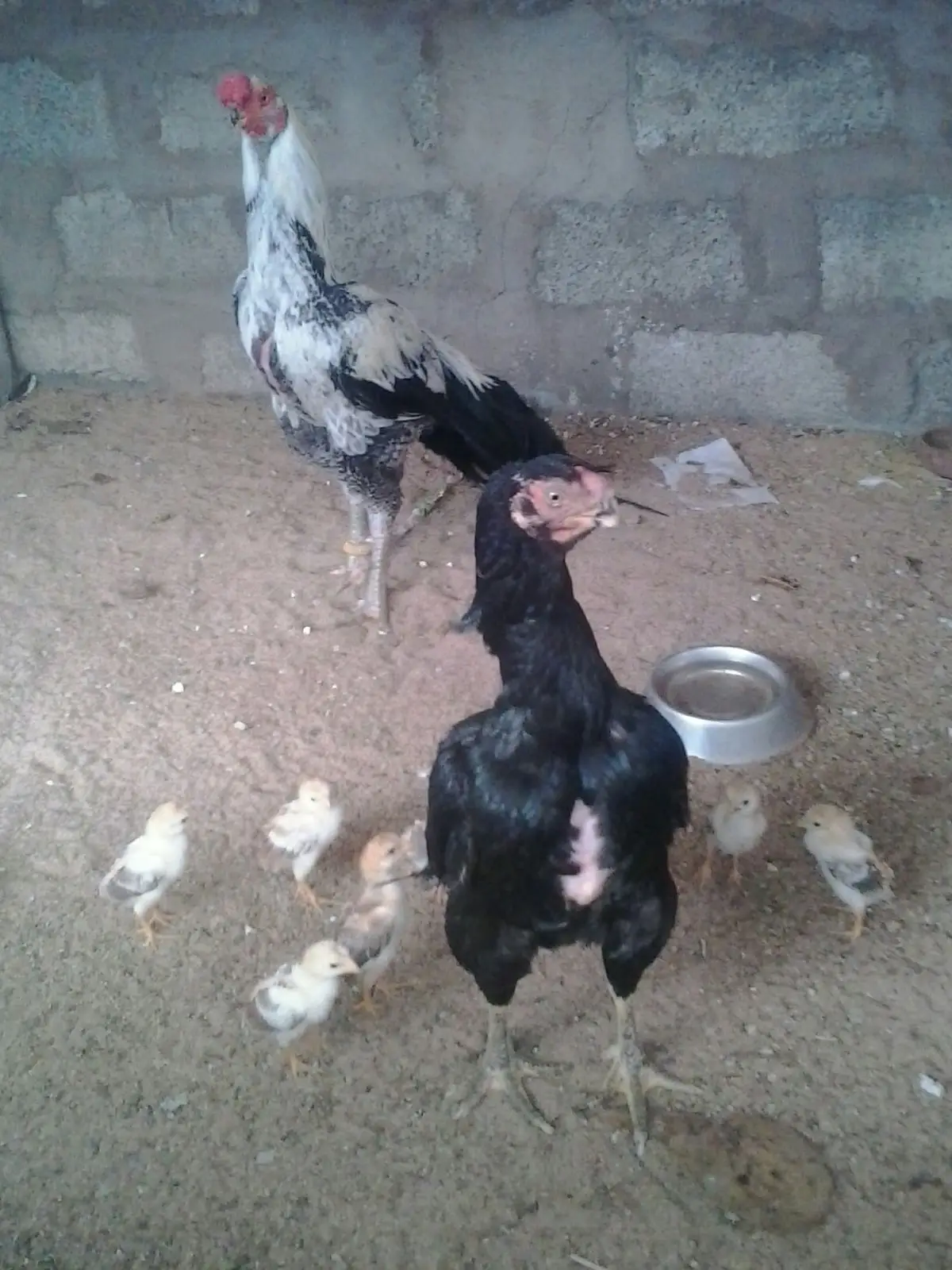
An Aseel stands tall and upright. It has prominent shoulders, hard muscular thighs and strong legs. The comb is usually a small pea comb, and the wattles are small or missing. The feathers are hard, tight and sparse.
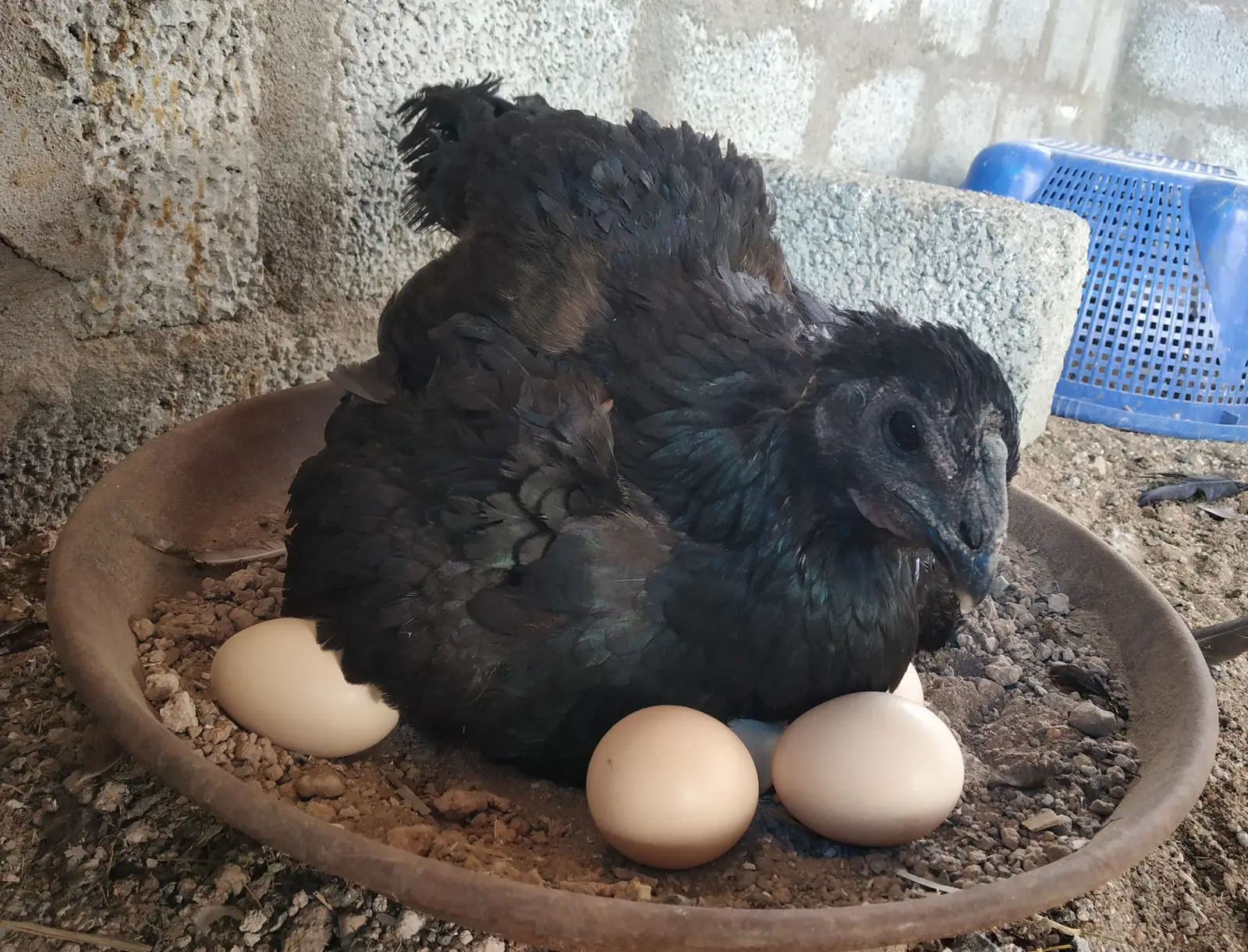
The breed is hardy and copes with harsh climates. Its weak points are slow growth and few eggs. Indian figures give a hen about 70 small eggs a year. Aseel hens make up for this as mothers, since they sit well and guard their chicks.
Aseel are usually calm with their keepers but very aggressive with other chickens.
The Pakistani varieties
Pakistani researchers recognise at least four distinct varieties, and one has suggested there may be more than 16. The University of Veterinary and Animal Sciences (UVAS), Lahore, keeps five varieties at its centre at Pattoki. Much of the research on Pakistani Aseel comes from that flock.
- Lakha (Cheena). White dots over the head and body give a mottled look. It has the largest frame. Cocks weigh about 3 to 3.8 kg and hens about 2.5 to 3.2 kg.
- Mushki (Siyah). Black or greenish-black feathers, white eyes and red earlobes. Cocks weigh about 2.6 kg and hens about 1.9 kg. Research calls it the most aggressive variety. It also grew fastest in UVAS trials.
- Peshawari (Peela, meaning yellow). Wheaten or light feathers, yellow shanks and no wattles. It comes from Peshawar. Cocks reach about 2.5 kg and hens about 1.7 kg. In two UVAS trials its hens laid the most eggs.
- Mianwali. Chocolate or dark brown feathers, from Mianwali in Punjab. Research describes it as small in stature, with cocks at about 2.5 to 3 kg and hens at about 2 kg.
- Sindhi. Studied at UVAS, but the research does not describe its feathers. In one trial its hens were the heaviest, at about 2.4 kg. One farming website describes wheaten and speckled Sindhi birds.
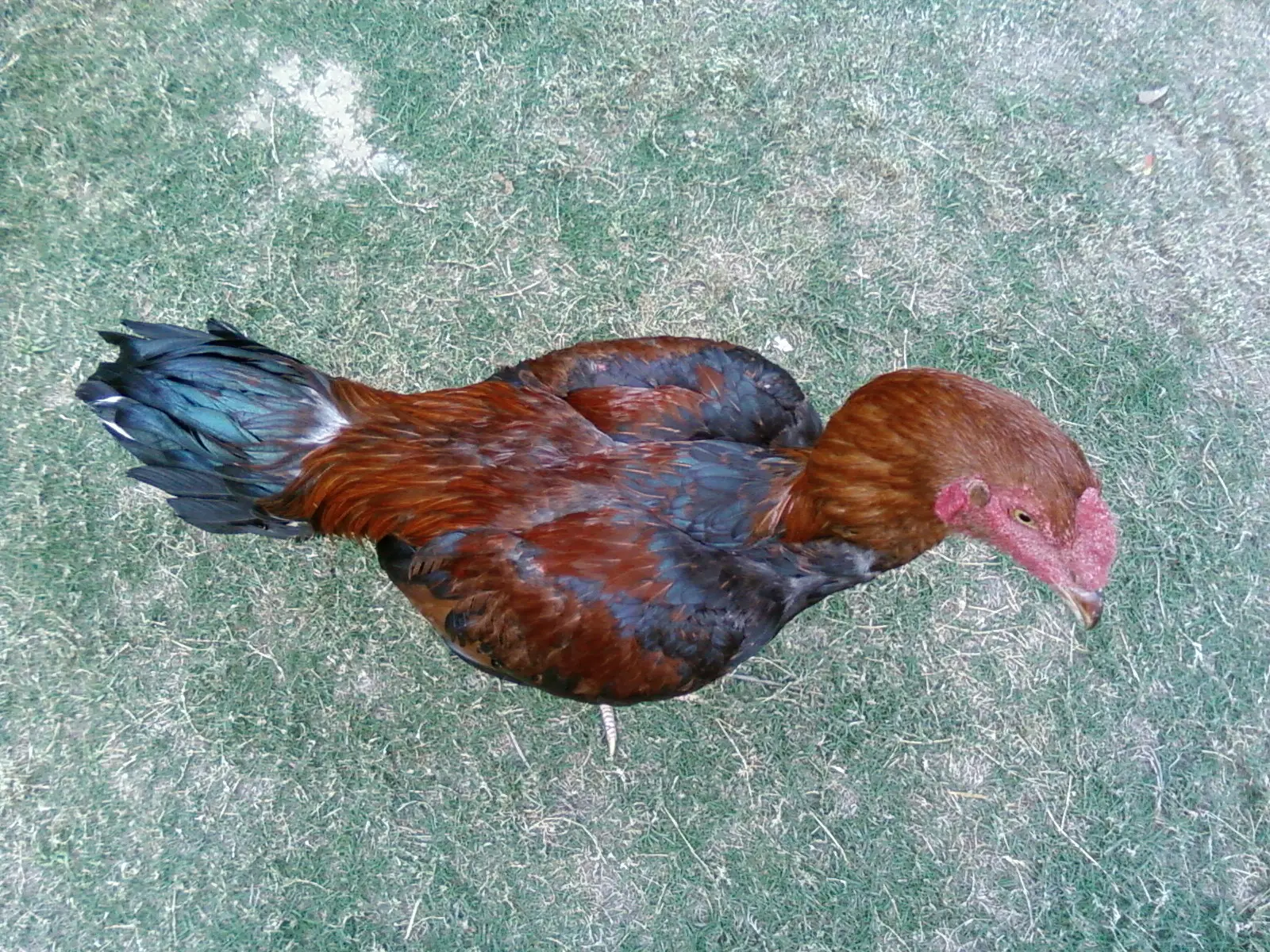
Ads use many more names, such as Java, Hyderabadi and Amroha. No Pakistani research describes these as varieties, so treat them as labels.
Imported lines sold in Pakistan
No research or government record shows which foreign game birds come into Pakistan. Sale ads, and one Pakistani keeper writing in the Express Tribune, name birds from Thailand, Japan and Turkey. Keepers here cross them with Aseel.
Only Thai Game and Shamo show up often in Pakistani ads. We found no Pakistani ads or sources for the other five, so if a seller offers one, ask for proof.
- Thai Game (Gai Chon). A hard-feathered bird from Thailand, like a lighter, less upright Shamo with a fuller tail. Gai chon is a Thai word for such chickens in general, not one breed.
- Shamo. A Japanese breed from birds brought from Thailand in the early 1600s. It is tall, upright and very muscular, with shoulders that stand out from the body. Shamo is the import name seen most often in Lahore ads.
- Ko-Shamo. The small, bantam form of the Shamo, listed in Japan as a Natural Monument.
- Malay. Developed partly in England from large Asian game birds. It can stand over 90 cm, and a cock weighs about 5 kg.
- Sumatra. A light, long-tailed bird with black feathers that have a green sheen. It still flies well.
- Indio Gigante. A very tall Brazilian type from around 1990.
- American Game. A small bantam made in the United States in the 1940s.
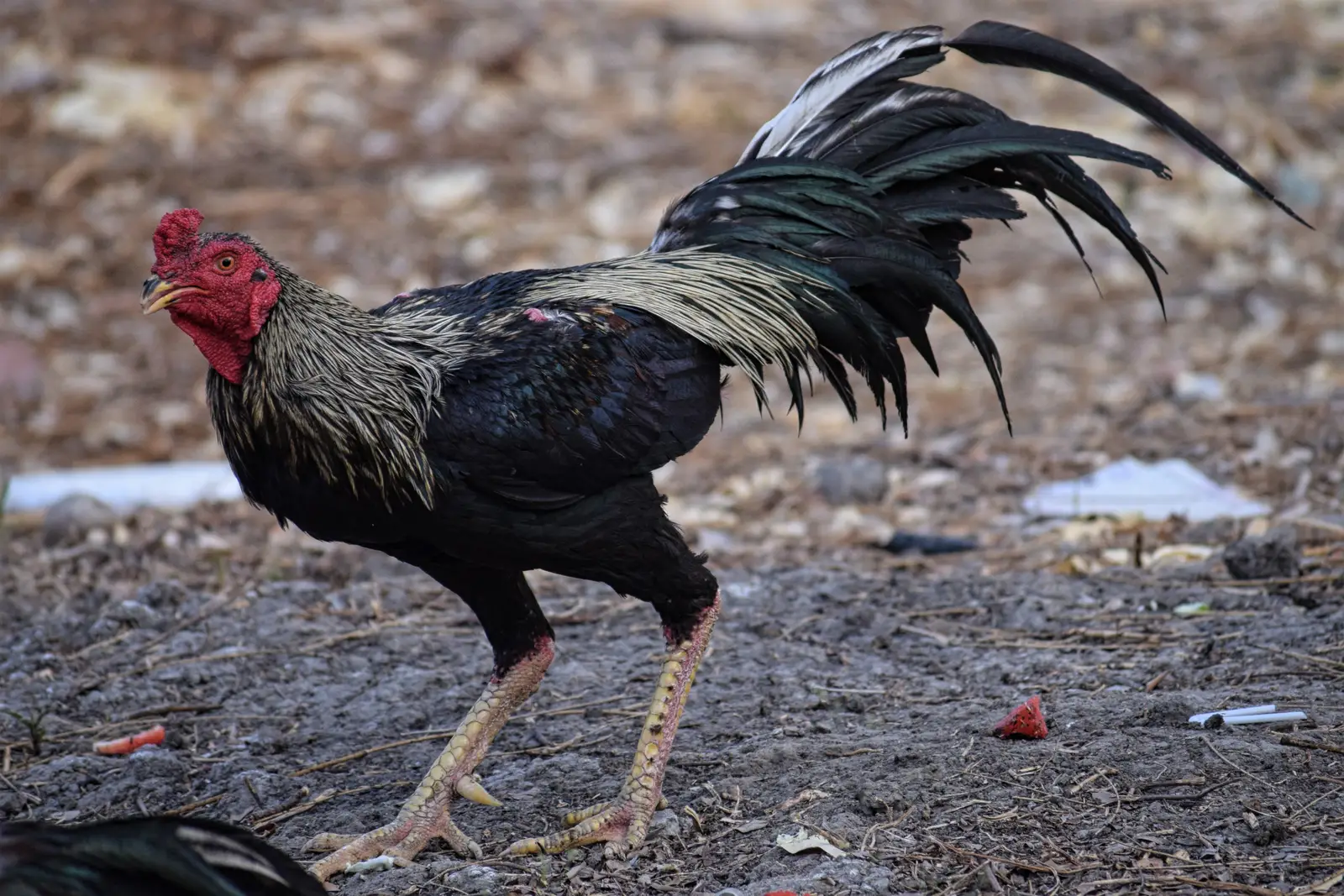
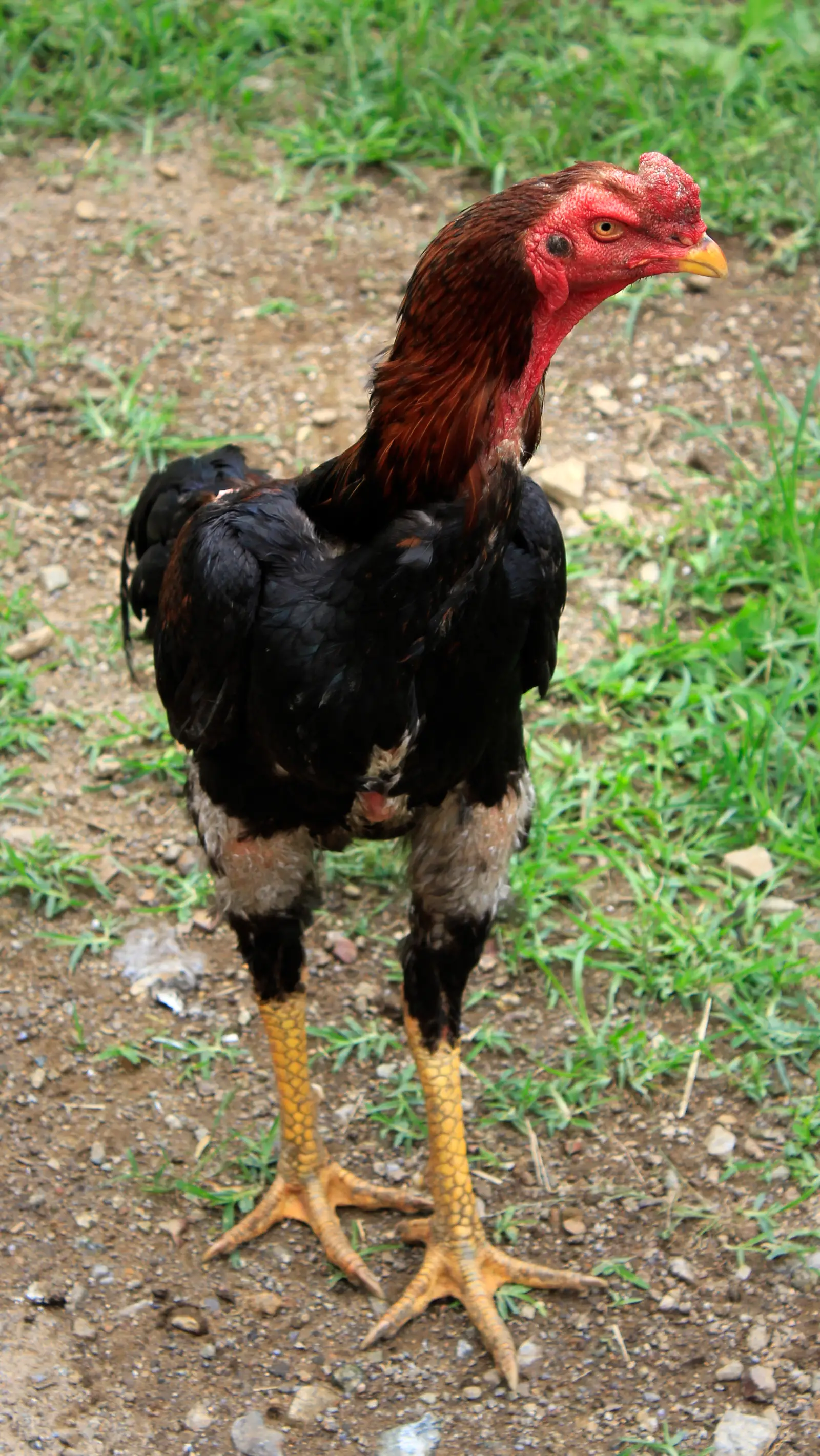
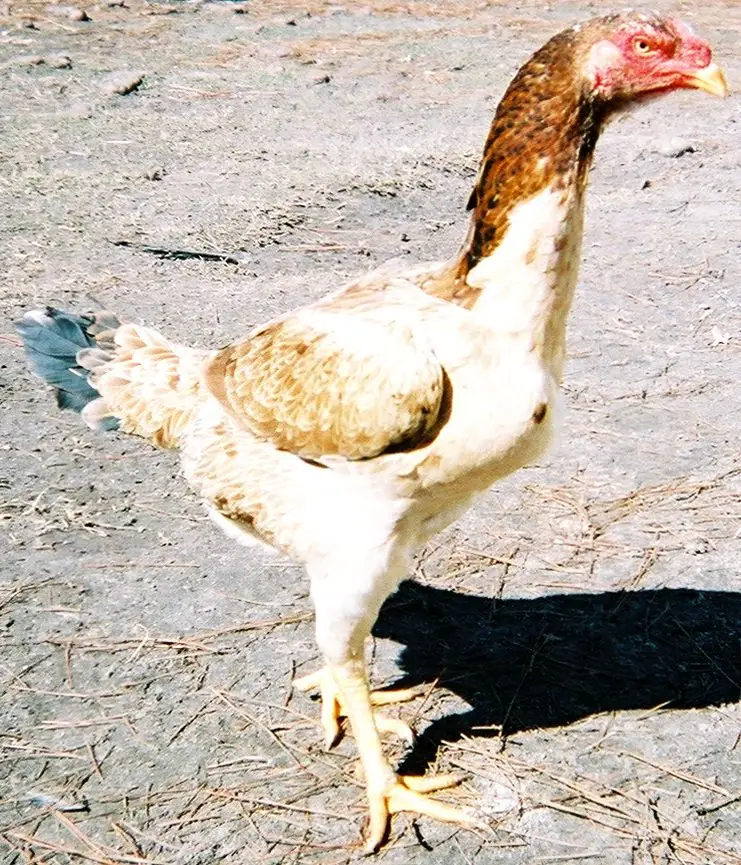
Ads also say German Shamo, King Shamo, dragon aseel and Burmi aseel. These are names sellers use, with no breed standard behind them. One Pakistani keeper writes that most imported lines trace back to Pakistani and Indian Aseel. A 2025 genome study found that game birds have more than one origin, so Aseel-type birds are only part of their ancestry.
Build and temperament: how breeders describe the lines
Historically, Aseel was kept mainly for cockfighting, which is illegal in Pakistan. Breeders traditionally describe a line's "fighting style", but the words describe build and temperament. Lines are also named by colour, region and character.
Breeders also sort Aseel into two size groups. The compact Reza type stays under about 3 kg, while the large Kulang type weighs about 3.5 to 6 kg.
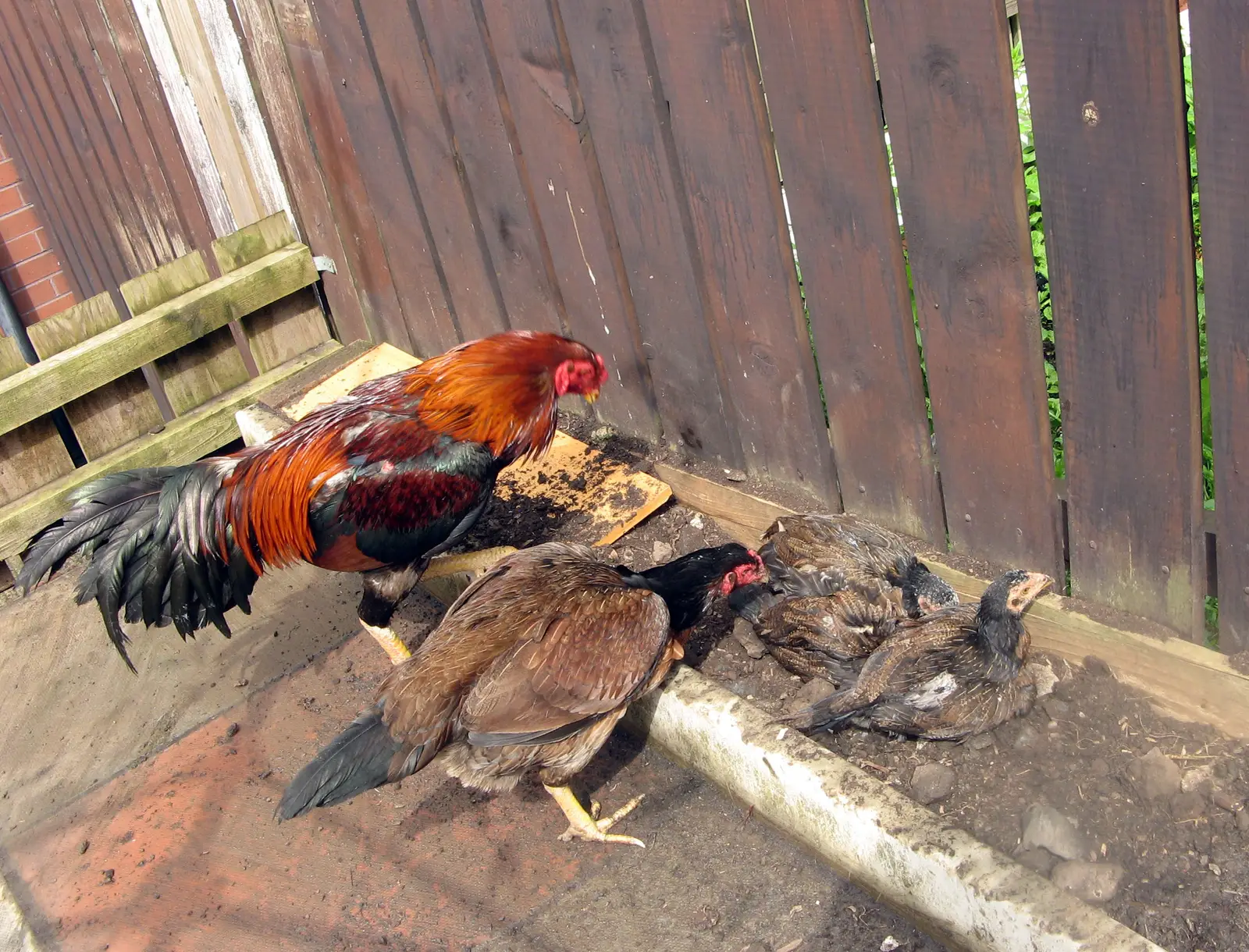
In Pakistan, one keeper describes Mianwali-area birds as lighter, smaller and quicker. The same keeper describes birds from North Punjab and Sahiwal as heavier and taller, with strong legs. Research fits this in part, as it calls Mianwali small and Lakha the largest.
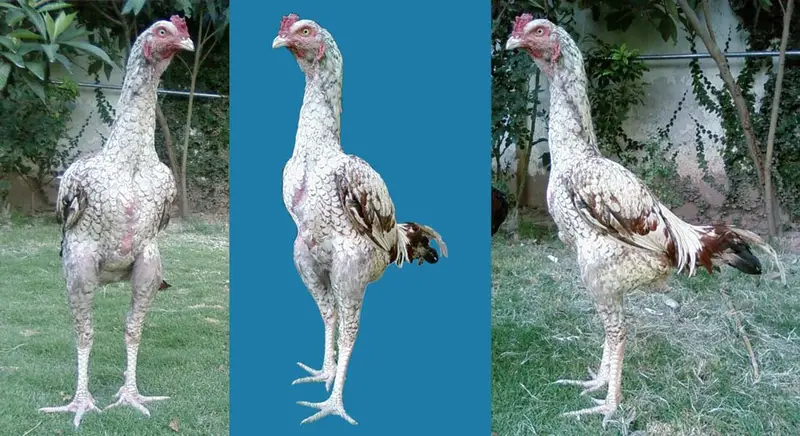
Imported lines are described in the same way. Shamo is the tall, heavy, upright type, and one breed guide calls the lighter Thai Game the most agile. None of these words is a breed standard, and breeders use them loosely.
For a keeper, Aseel aggression is a care problem. Adult cocks cannot share a pen, and hens and young birds can fight too. UVAS keeps its trial birds one to a pen so they do not hurt each other.
Pakistani Aseel compared with imported lines
- Size. Pakistani cocks weigh about 2.5 to 3.8 kg. Foreign game breeds range from the small Ko-Shamo to the Malay at about 5 kg.
- Build. Aseel is upright with prominent shoulders. Shamo is taller. Thai Game is lighter than Shamo, with a fuller tail.
- Temperament. Aseel is known to be calm with its keeper but aggressive with other chickens. We found no research on the temperament of imports kept here.
- Heat tolerance. Aseel copes with harsh climates. We found no research on imports in Pakistani summers.
- Egg laying. Aseel hens lay few eggs but sit well. We found no egg figures for imports kept here.
- Availability and paperwork. Pakistani varieties are described in research and kept at UVAS. Imports have no public records here, and ads mix labels such as Lakha Shamo freely.
Aseel compared with local breeds
Small flocks in Pakistan are mostly Desi, Aseel, Naked Neck and Lyallpur Silver Black. Some keepers also have foreign breeds such as Fayoumi and Rhode Island Red. Egg figures come from different studies, so treat them as rough guides.

- Aseel. Kept for meat, as a heritage bird and for hatching. Cocks weigh about 2.5 to 4 kg, and hens lay about 70 eggs a year by Indian figures. Hardy, and an excellent broody hen.
- Desi. The village chicken, not a fixed breed, since village birds are crossed at random with Fayoumi, Aseel and others. UVAS gives about 80 to 120 eggs a year and hens of about 1.2 kg. Farmers value Desi birds because they forage, resist disease and hatch their own chicks.
- Naked Neck (Nangi gardan). One gene gives it about half the usual feathers, which helps it cope with heat. In one Pakistani trial its hens laid more eggs than every Aseel variety tested.
- Fayoumi (Misri). From Egypt, brought to Pakistan around 1980. UVAS gives about 180 small eggs a year. It lays early, suits hot weather and rarely goes broody.
- Rhode Island Red (Golden). An American breed. UVAS gives about 200 eggs a year. Cocks weigh 3 to 3.8 kg. It suffers in high heat.
- Lyallpur Silver Black. Developed at the University of Agriculture, Faisalabad, in the mid-1960s, according to one source. Hens weigh about 1.3 kg, and its eggs have strong shells.
- UniGold. A new layer from the same university, announced in 2025. Press reports say it lays about 179 to 212 eggs a year.
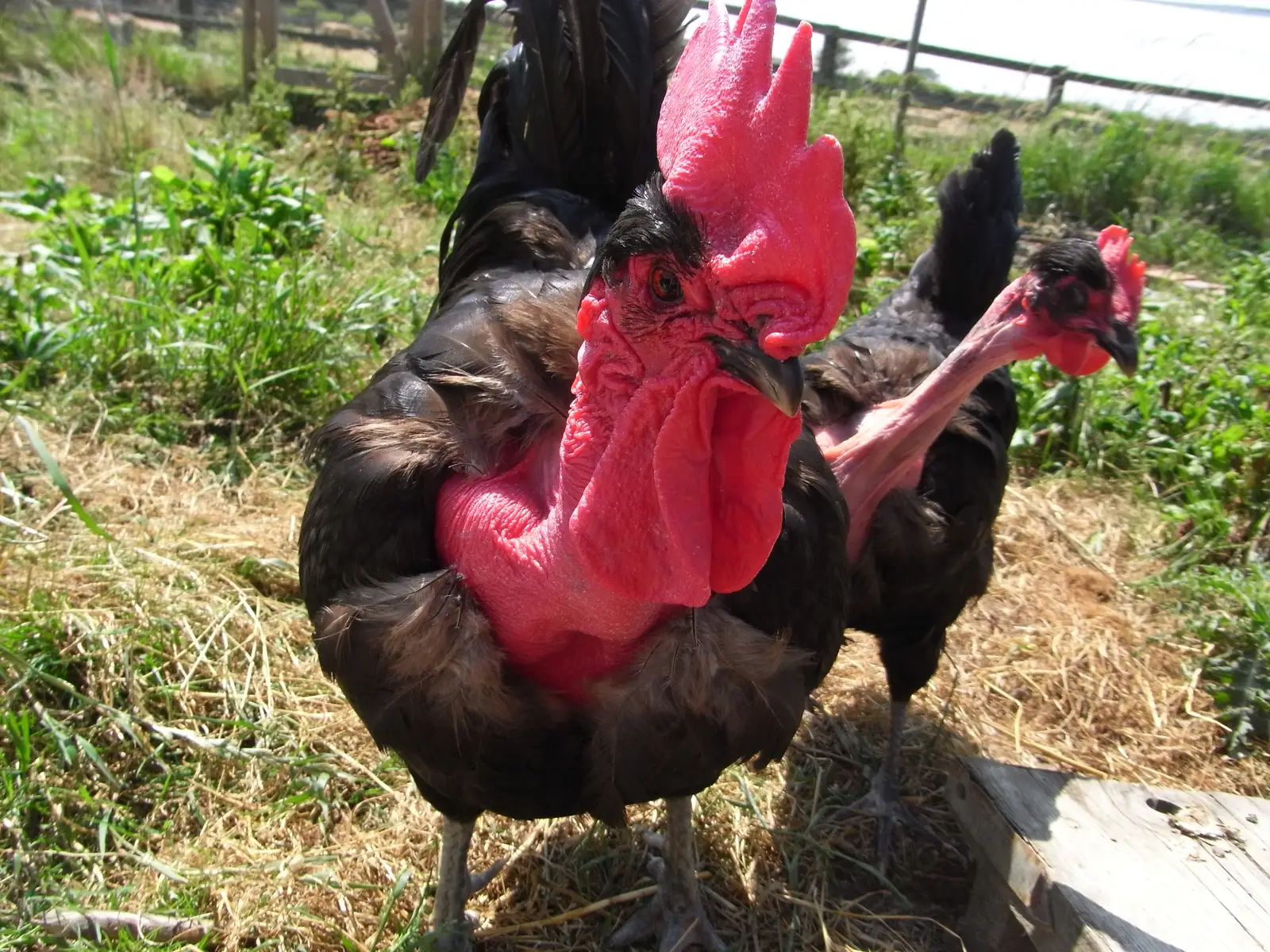
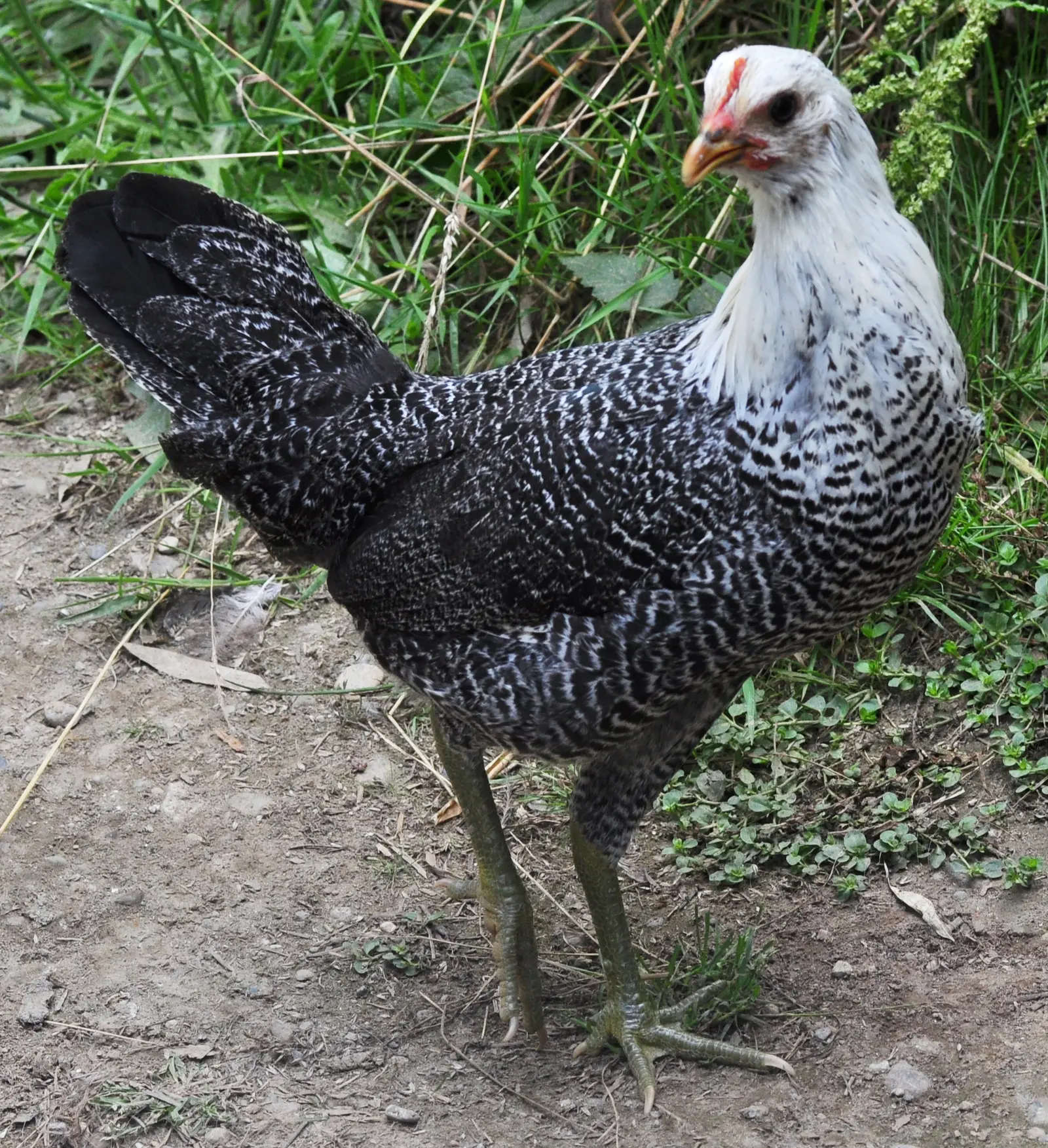
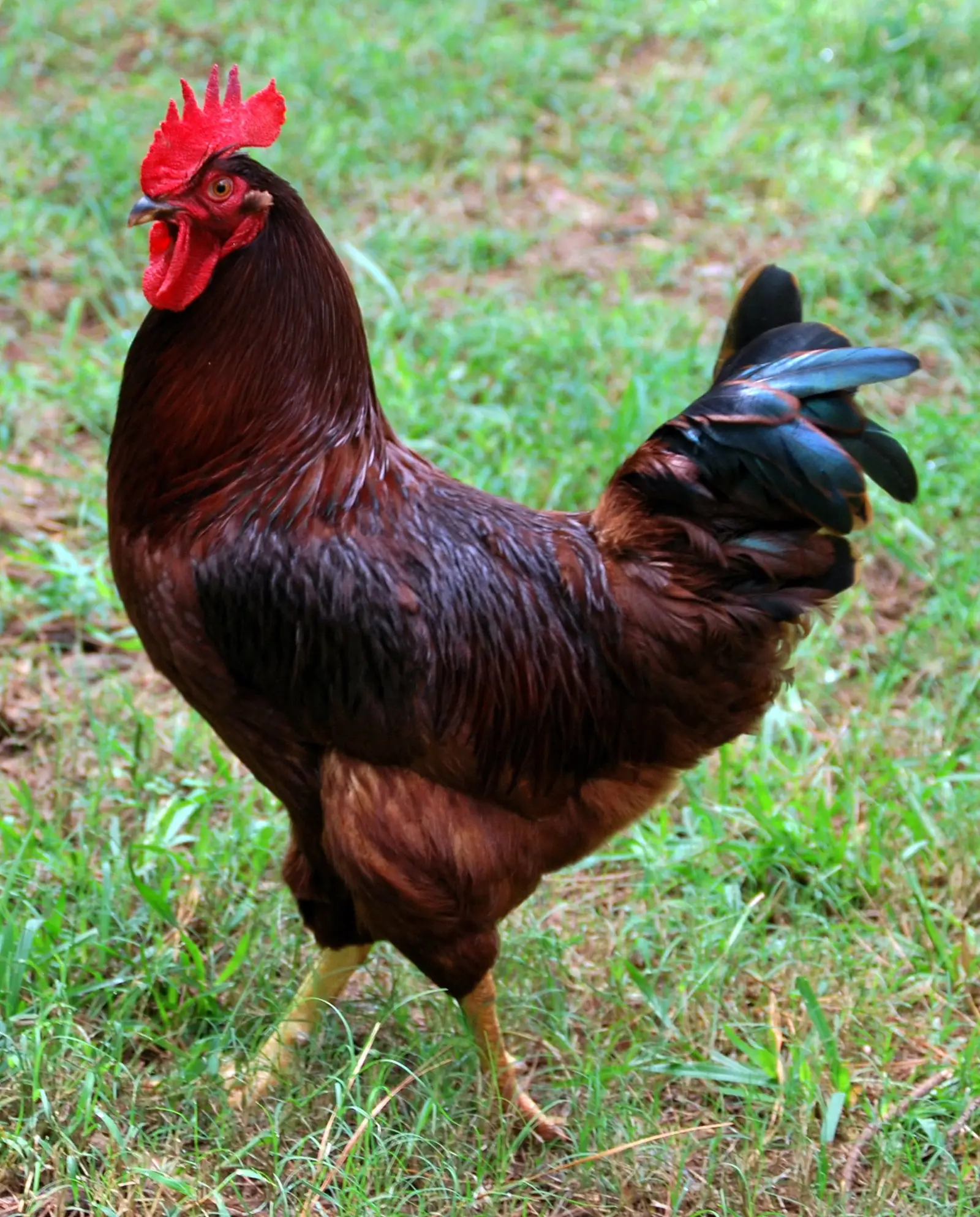
Aseel lays fewer eggs than any of these. Its strengths are hardiness, brooding and build.
Cross-breeding with local breeds
We found no published Pakistani trial of Aseel crossed with Desi, Fayoumi or Rhode Island Red. The best evidence comes from India, so read these results as Indian data.
- India's Central Avian Research Institute made improved village birds from Aseel, such as CARI-Nirbheek. In two field studies its hens laid about 162 to 168 eggs by 72 weeks of age, far more than pure Aseel.
- In one Indian study of 837 birds, Aseel crossed with coloured broiler lines grew the heaviest of the crosses.
What can a farmer expect? A cross with a layer should lay more and grow faster than pure Aseel, but usually fewer eggs than the layer parent. Aseel temperament carries over, so crossbred cockerels will need their own space. Aseel is regarded as hardy, but no study proves its crosses resist any particular disease.
Keep pure lines apart. A Pakistani keeper warns that mixing in imported birds is wearing away pure Pakistani Aseel. Keep pure birds in their own pens, and record the parents and hatch date of every chick. Sell a cross as a cross.
Caring for Aseel in Pakistan
We found no Pakistani care guide made for Aseel, so this joins Aseel research with general poultry advice.
Heat. Parts of Punjab reach 45 to 50°C in summer. Give shade and cool, fresh water all day, keep air moving, and use fresh, coarse bedding, since old litter gives off heat. Signs of heat stress are open-beak panting, wings held away from the body, a pale comb and loose droppings.
Space. Give each adult cock its own pen. Move young cockerels to grow-out pens before they mature. One UVAS free-range trial gave each hen about 5 m², with shade trees and a high fence against predators.
Feed. Aseel chicks grow slowly, so start them on a proper chick starter, then grower feed. In UVAS trials, laying hens did best on a breeder-layer feed with about 16% protein.
Health. Newcastle disease is common in unvaccinated backyard flocks in Punjab. In a 2020 survey, about 59% of birds tested had antibodies to it. Ask a vet about vaccination.
Buying Aseel on Pets Bazar
Pets Bazar is a marketplace where sellers post their own birds and set their own prices. When the site has enough Aseel ads, the price band below shows what sellers are asking now.
Browse all Aseel for sale on Pets Bazar. Read our guide to buying a pet safely in Pakistan, and find a vet clinic near you for a first check-up.