Pigeon Keeping in Pakistan: High Flyers, Fancy Breeds and Loft Basics
A plain guide to keeping pigeons in Pakistan: high flyers and fancy breeds, a safe loft, feed and water, health, flying in the heat and your neighbours.
By Pets Bazar Editorial Team, Editors · Published · 5 min read
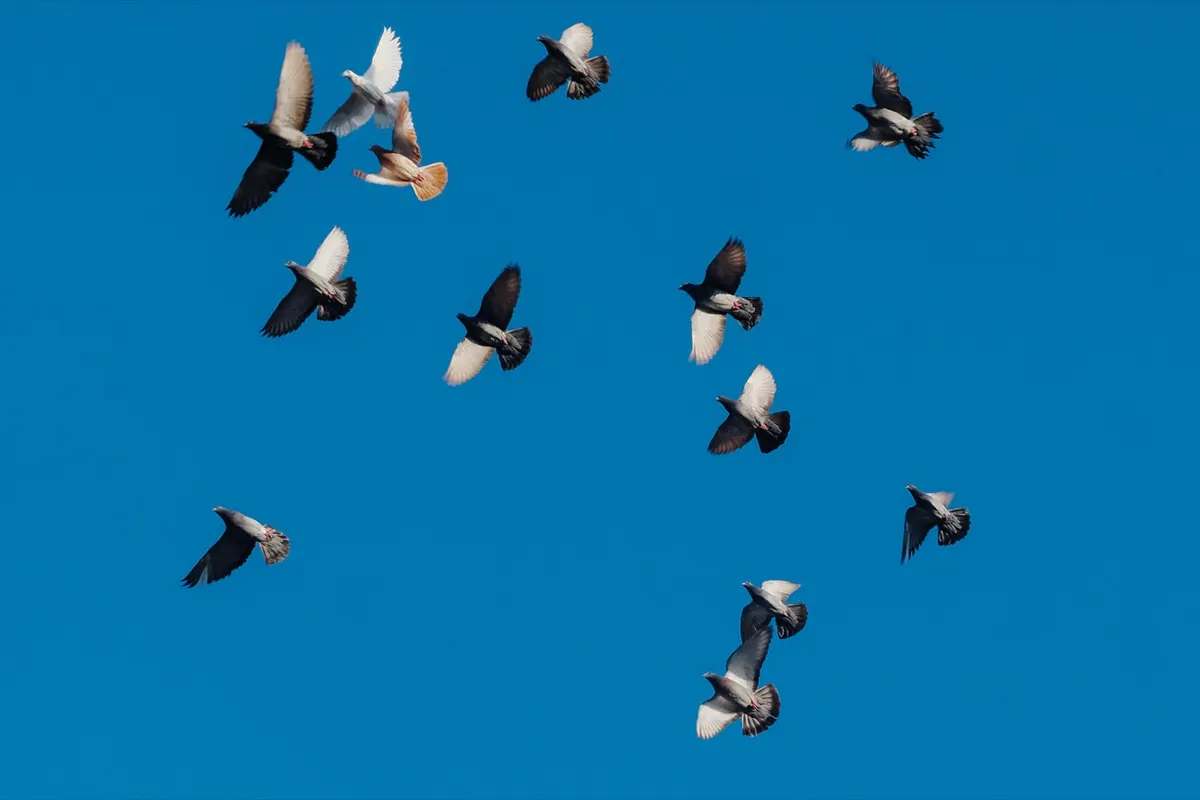
Pigeon keeping, or kabootar bazi, is one of the oldest hobbies in Pakistan. On rooftops from Lahore to Peshawar, keepers fly flocks at dawn and breed fancy birds for their feathers and shape. This guide covers the main kinds of pigeon, a safe loft, feed, health and how to fly your birds without harming them or annoying the street. It does not give prices. If you want to see birds now, start with birds for sale in Pakistan.
Three kinds of pigeon keeping
Most keepers fall into one of three groups. Each needs a slightly different loft and routine.
| Type | Kept for | What to look for |
|---|---|---|
| High flyers | Endurance flying from a rooftop | Fitness, strong wings, a calm return to the loft |
| Fancy breeds | Looks, shows and breeding | Feather, shape and the breed's standard |
| Homers | Racing home from a distance | Ringed birds, trained in steps |
High flyers
High flyers are a long tradition in Pakistan. They are bred to circle high above the loft for hours and then come home. Keepers time the flock, and competitions are often held in the warmer months. Names you will hear include Teddy, Kasuri and Sialkoti. These are keepers' names for local lines, not official breeds, and birds sold under the same name can differ a lot.
A good flyer comes from flying parents. Ask how the parents fly, and see the young birds settle at the seller's loft. A bird that has never left a cage is not a flyer yet, whatever its line.
Fancy breeds
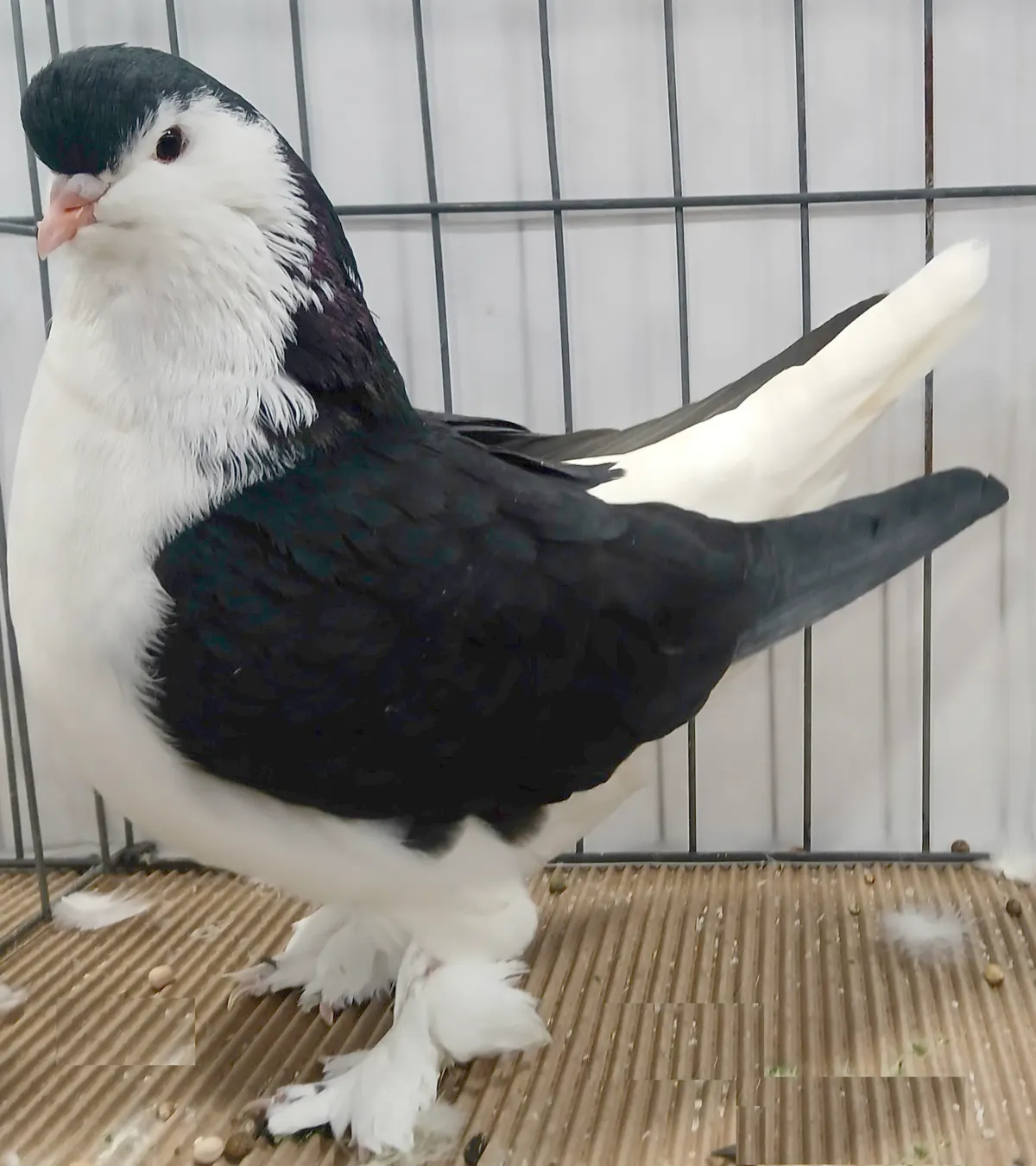
Fancy pigeons are kept for looks. Popular ones include fantails, Lahores, Jacobins with their feather hood, and owls with a short beak and a frill on the chest.
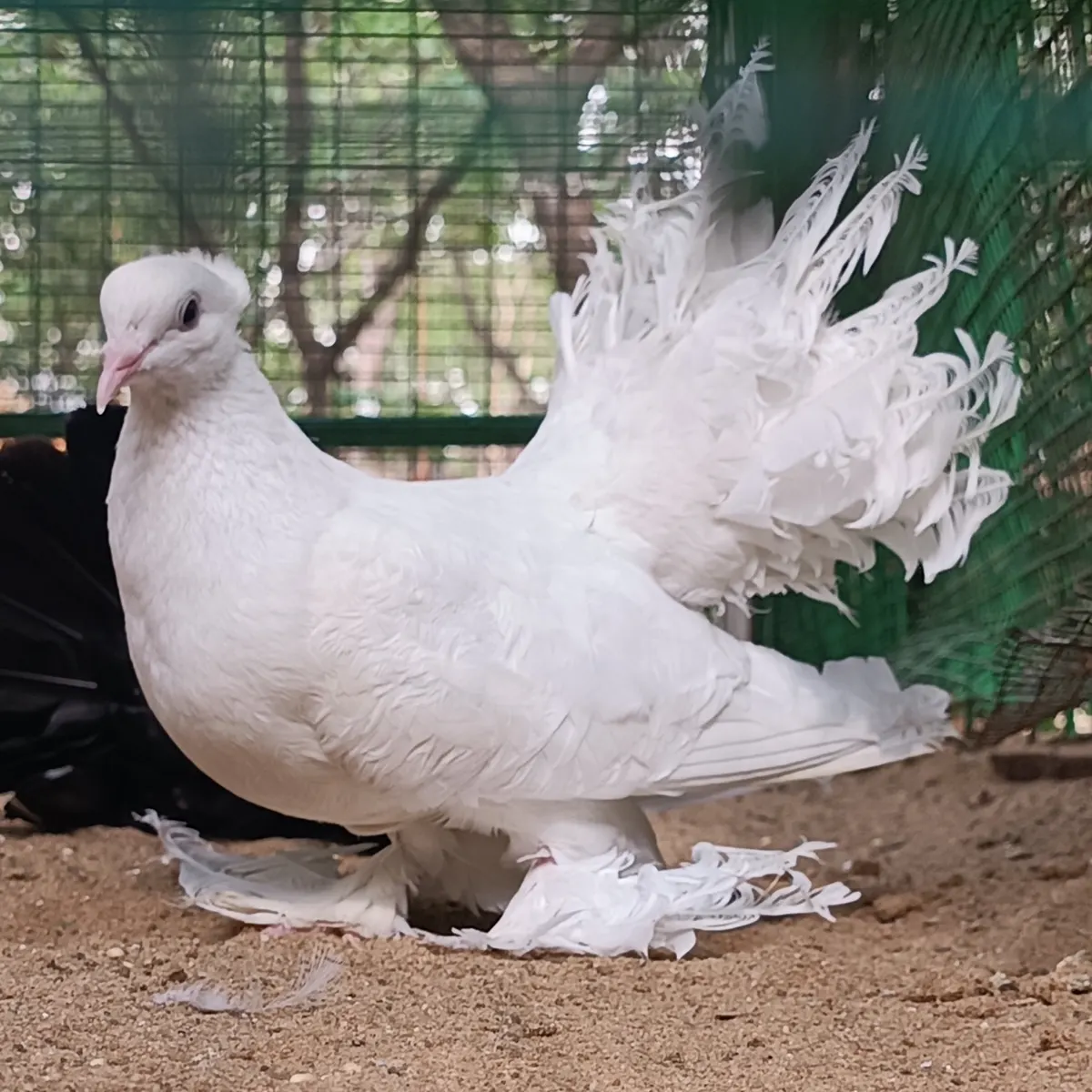
The Indian fantail spreads its tail into an upright fan and often has feathered feet. Feathered feet and heavy tails stay clean only on a dry floor, so these breeds need a tidy loft, and most are poor flyers.
Loft basics
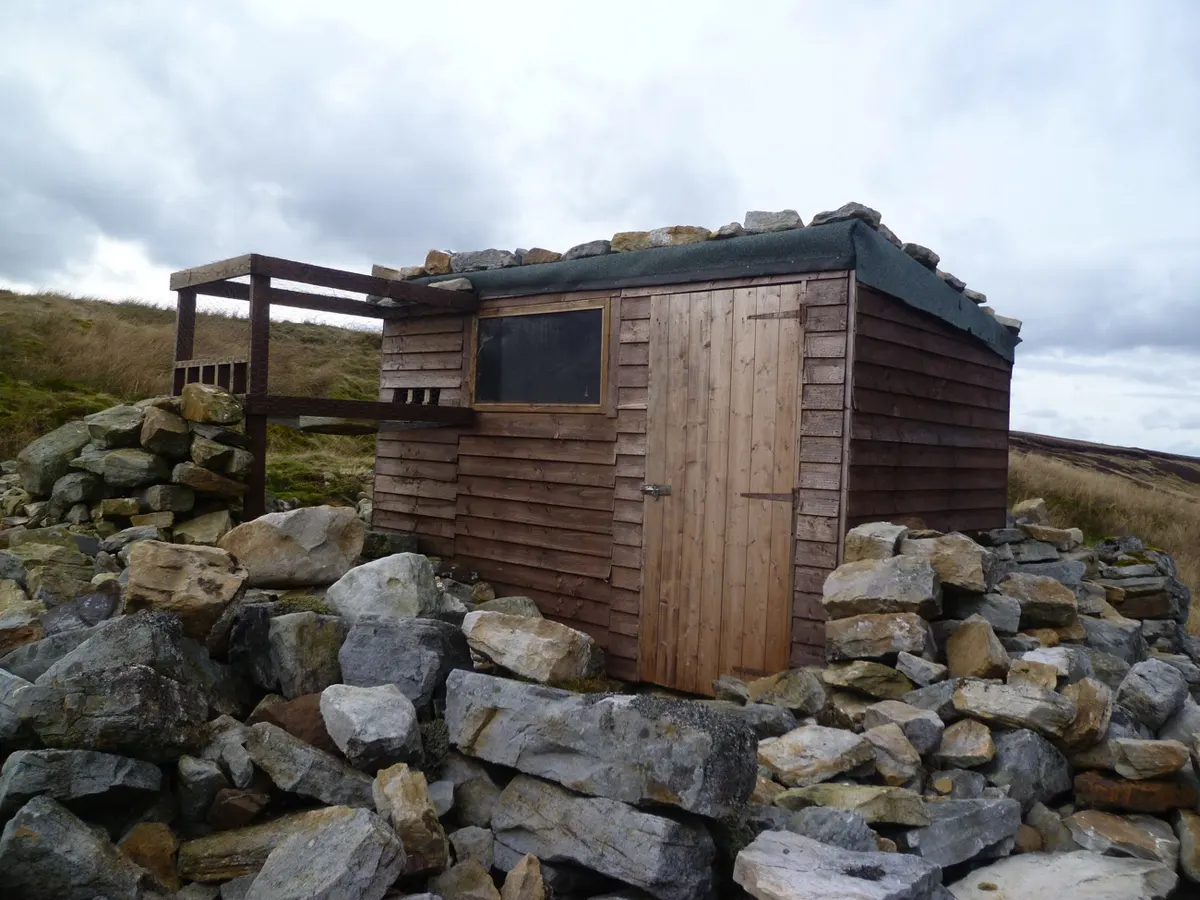
A loft can be a wooden or brick room on the roof, but it must do four jobs.
- Keep birds dry. Wet floors and damp corners breed disease.
- Let air move. Vents high on the walls let hot air and dust out without a draught on the birds.
- Keep predators out. Cats, rats, snakes and hawks all take pigeons. Use small-gauge mesh and close the loft at night.
- Stay cool in summer. A bare metal roof turns a loft into an oven. Shade it, insulate it or plant a creeper over it.
Give each pair its own nest box, about 60 cm wide and 30 to 40 cm high and deep, with a clay or plastic nest bowl inside. Fit a perch for every bird, plus some spare ones, so they do not fight. A small trap or landing board lets flyers come in without letting them out.
Feeding and water
Feed a mix of grains and pulses, such as wheat, maize, millet, peas and lentils. Flyers need more energy in the flying season, and breeding pairs need more protein while they feed young. Give grit and a mineral mix so the birds can grind food and lay strong eggs. Do not feed bread, salty food or mouldy grain.
Clean water matters most. Wash the drinker and refill it every day, more often in summer. Dirty, shared water is how canker and other infections spread. A shallow bath a few times a week keeps feathers in good order.
Health and hygiene
Watch your birds every day. A healthy pigeon is alert, with tight feathers, clean eyes and nostrils and firm droppings. Warning signs include fluffed feathers, a wet or dirty vent, yellow patches in the mouth, a twisted neck and heavy breathing.
- Keep new birds apart for a few weeks before they join the flock.
- Ask a vet about vaccination. Vets often advise vaccinating the loft against paramyxovirus.
- Treat for worms and mites on a vet's advice, not on a guess.
Pigeon dust can harm people too. Wear a mask when you clean the loft, and wash your hands afterwards. Find a vet clinic near you that treats birds, and ask it for a regular check.
Flying responsibly
Pakistan's summer heat is the biggest risk to a flying bird. In the hot months, release birds at first light or in the evening, never in the afternoon. Keep a bird at home if it is sick, moulting, breeding hard or out of condition. Train young birds in short flights around the loft before you let them fly long.
Hawks hunt pigeon flocks, so watch the sky and keep birds in when hunting birds are about. A leg ring with your phone number helps a lost bird come home. If a stray ringed bird lands on your roof, return it.
Keeping neighbours on side
Droppings, feathers and dust from a loft land on the roofs and washing next door. Scrape the loft daily, keep feed off open roof space and talk to neighbours before you build. Some housing societies have rules about rooftop lofts, so check yours first. If children use the roof, put a railing round it.
Buying pigeons
See the birds in person before you pay. Check for clear eyes, a clean vent, smooth feathers and quiet breathing. Ask the age, the ring and how the parents fly or show. Read our guide to buying a pet safely in Pakistan before you meet a seller, and never send money to someone you have not met. If you keep parrots too, our lovebird guide covers their care. For other birds, see our guides to budgie, lovebird and cockatiel breeding and keeping hens at home.
Where to find pigeons for sale
Browse birds for sale in Pakistan and chat with the seller before you visit. Prices vary by seller, line and city, so compare a few ads. If you breed pigeons yourself, you can post an ad for your spare birds.


Frequently asked questions
What is the best pigeon for a beginner in Pakistan?
A pair of healthy, common birds from a nearby keeper is the best start, either local high flyers or a hardy fancy breed. Learn to house, feed and keep them well for a season before you buy costly birds or start flying competitions.
How big should a pigeon loft be?
It depends on how many birds you keep. Give each pair its own nest box of about 60 cm wide and 30 to 40 cm high and deep, plus a perch for every bird and some spare ones. If birds fight for space or the floor stays wet, the loft is too crowded.
What do pigeons eat?
A mix of grains and pulses such as wheat, maize, millet, peas and lentils, with grit and a mineral mix. Give clean water every day and a bath a few times a week. Do not feed bread, salty food or mouldy grain.
Why is my pigeon twisting its neck?
A twisted neck, circling or falling over can be a sign of paramyxovirus, a serious infection that spreads between birds. Move the bird away from the flock at once and ask a vet. Vets often advise vaccinating the whole loft against it.
Is it safe to fly pigeons in summer?
Only in the cool hours. Release birds at first light or in the evening, never in the afternoon heat, and keep a sick, moulting or unfit bird at home. A bird pushed to fly in strong heat can collapse.