Low Maintenance Pets for Kids and First Time Owners
Budgies, fish, guinea pigs, rabbits or a cat? An honest guide to easy first pets for children, the daily care each one needs and the jobs adults keep.
By Pets Bazar Editorial Team, Editors · Published · Updated · 5 min read
The easiest first pets for most children are a pair of budgies or a pair of guinea pigs. Fish and a calm adult cat can suit too. But no pet is truly low maintenance. Every animal needs food, water, cleaning and a vet, every day, for years.
This guide is for families in Pakistan, India, the Gulf, the UK and the US. It does not give prices, because they vary by seller and city.
No pet is truly low maintenance
"Low maintenance" really means "fits your home and routine". Before you choose, ask three questions:
- Who does the work when the child loses interest? In most homes it is a parent. Choose a pet you are happy to care for yourself.
- How long will it live? A budgie or rabbit can live close to ten years, and a cat often fifteen or more.
- Can you cope with the heat? Rabbits and guinea pigs suffer badly in hot weather. In a Pakistani or Gulf summer they must live indoors in a cool room.
Budgies: a cheerful first bird
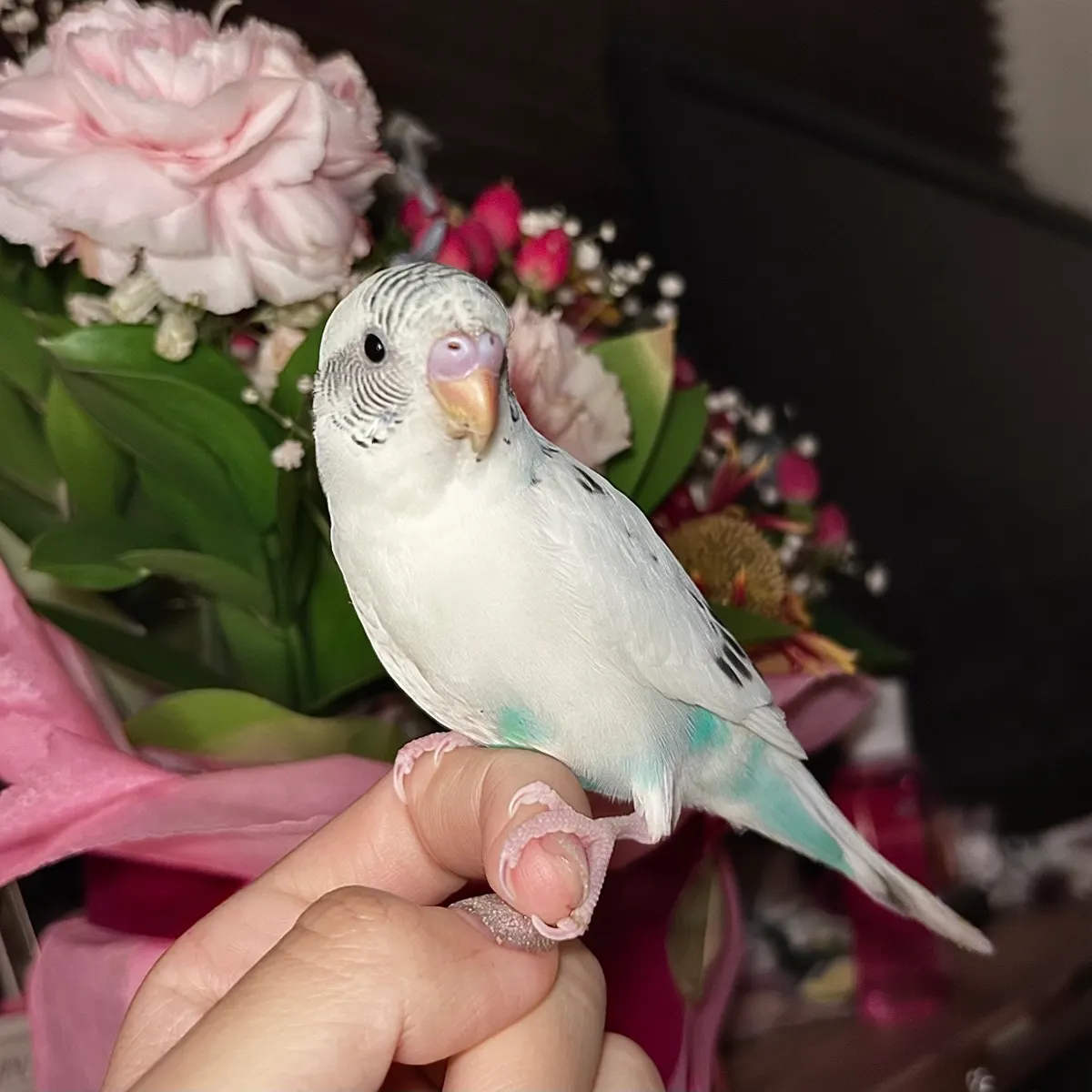
Budgies (budgerigars) are small, gentle and easy to house in a flat. A tame budgie will step onto a finger, and many learn a few words. They are a good first pet for children of about six and up, with an adult in charge.
- Keep two. Budgies are flock birds and get lonely alone, unless someone spends a lot of time with a single bird. In the wild, they live in flocks across much of Australia.
- Give space. Choose the largest cage you can, wide enough for short flights between perches, and let them out in a safe room each day.
- Feed more than seed. A seed or pellet mix plus fresh vegetables, clean water and a cuttlebone.
- Watch the kitchen. Fumes from overheated non-stick pans can kill pet birds, so keep birds out of the kitchen.
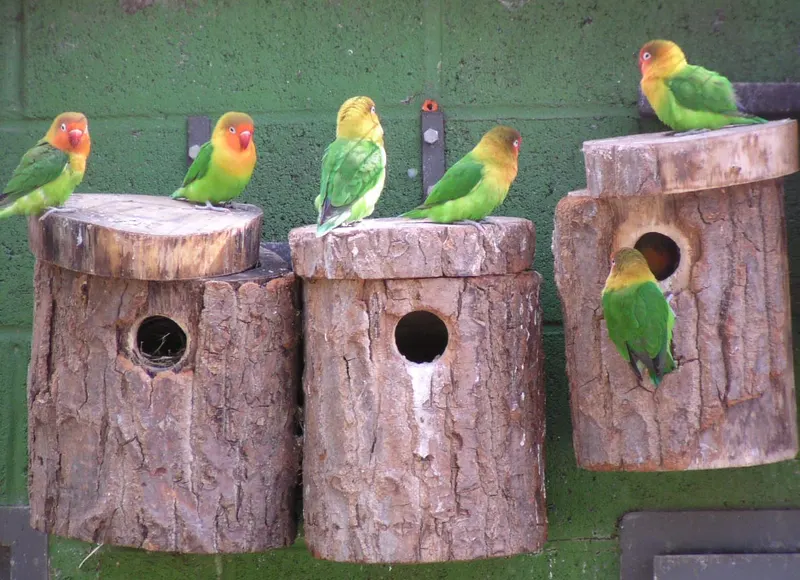
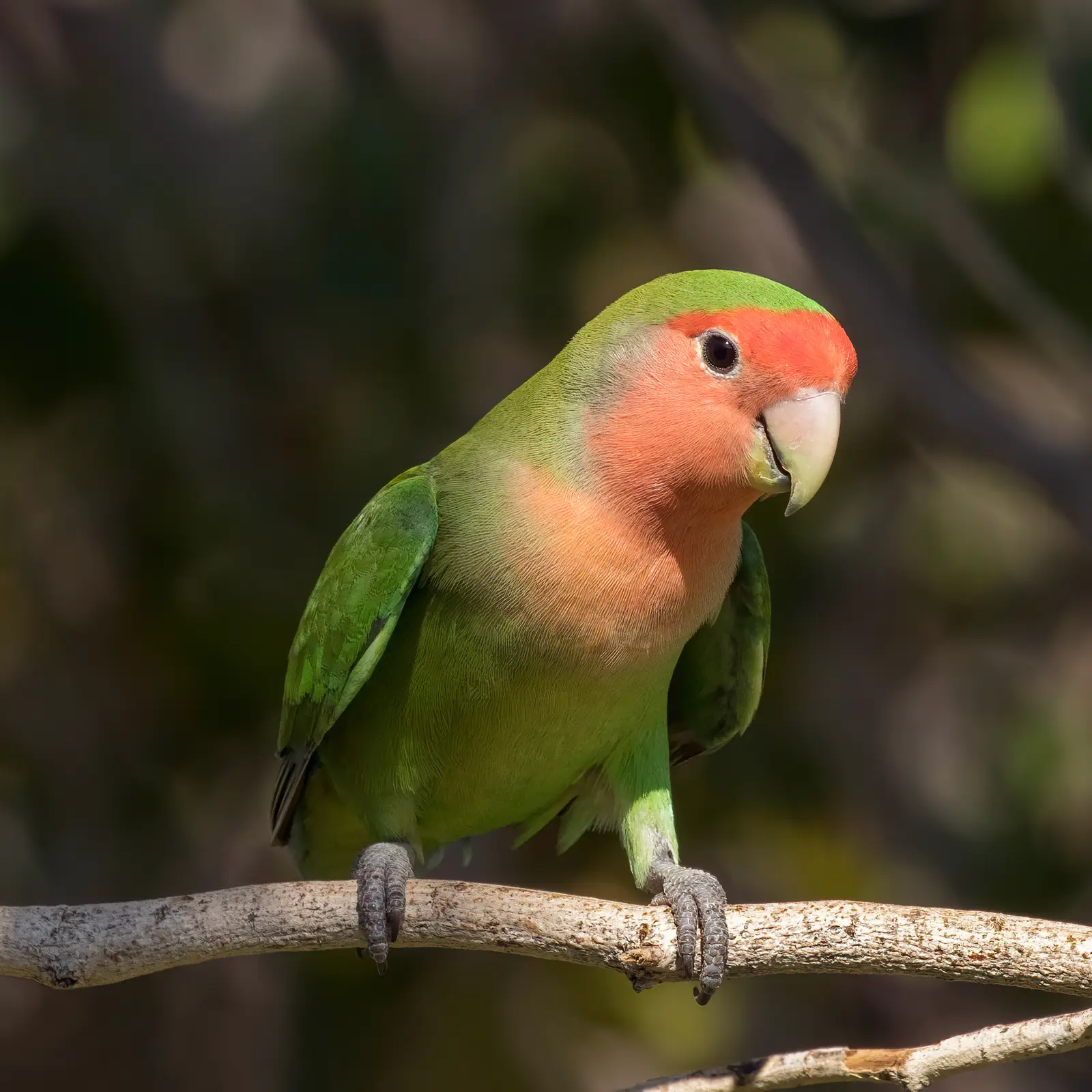
Lovebirds and cockatiels are the next step up. Our lovebird colour guide explains the colours sellers describe.
Fish: calm to watch, an adult job to keep
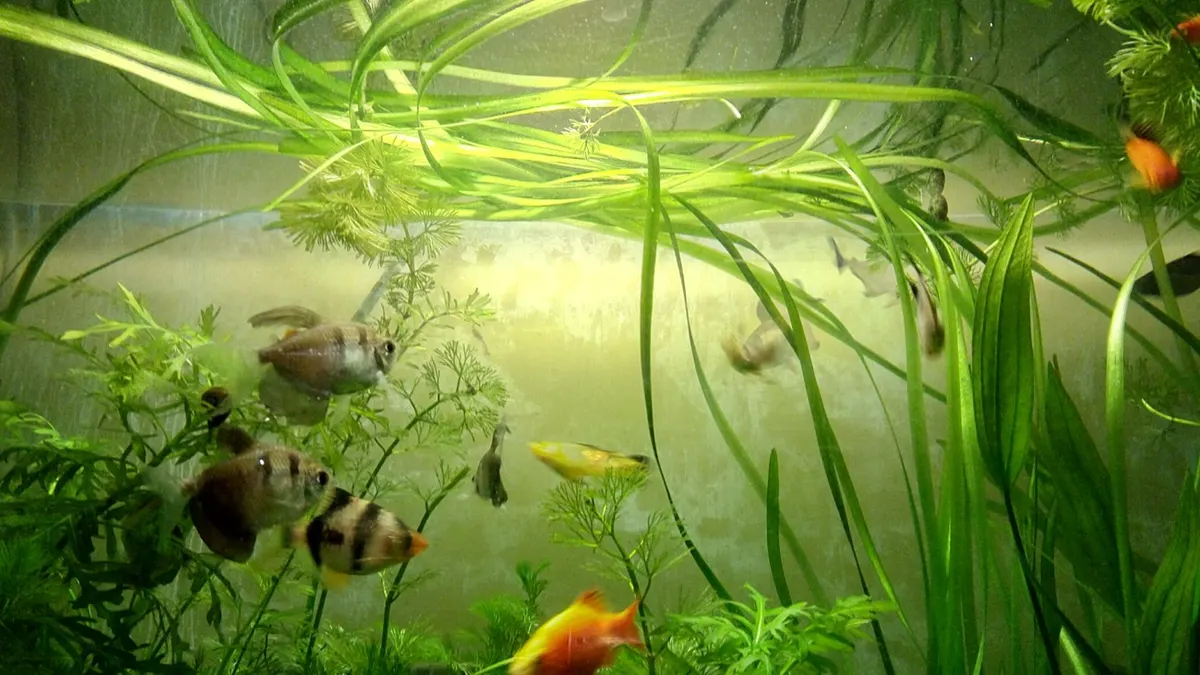
Fish are quiet and children love watching them. They are not a set and forget pet. Goldfish grow far bigger than people expect, live for many years and make a lot of waste, so they need a filtered tank, not a small bowl.
Set the tank up and let the filter run for a few weeks before adding fish. Use a water conditioner to remove chlorine from tap water, change part of the water every week and feed only what the fish eat in a couple of minutes. A child can do the feeding; the water work is for an adult.
Guinea pigs: gentle and chatty
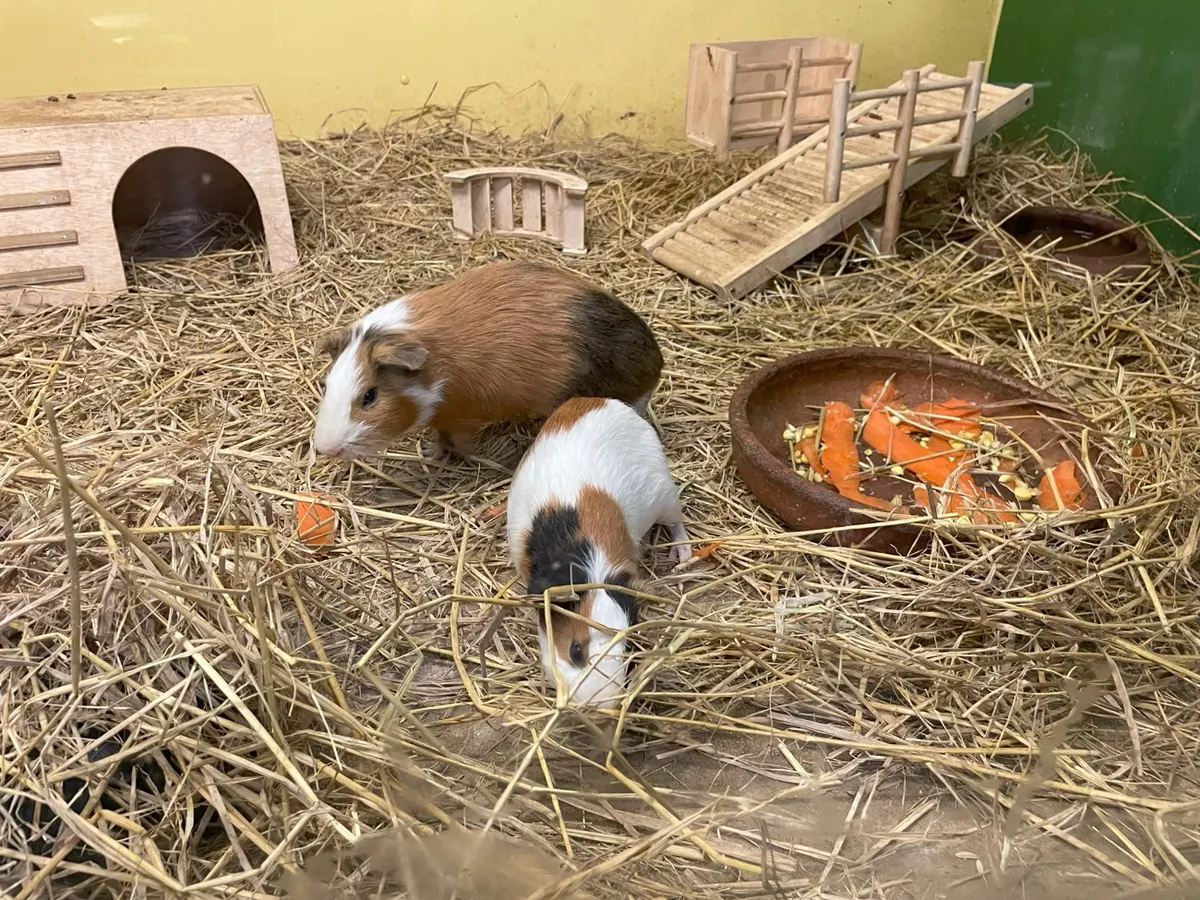
Guinea pigs rarely bite, squeak to greet their people and are easy for a child to hold while sitting on the floor. They are one of the best first pets for children.
- Keep a pair of the same sex. A single guinea pig is often lonely.
- Hay first. Unlimited hay, a little fresh vegetable each day and guinea pig pellets.
- Vitamin C every day. Guinea pigs cannot make their own, so their food must supply it. Ask your vet how.
- Keep them cool. They overheat quickly, so keep them indoors away from sun in summer.
They usually live five to seven years.
Rabbits: harder than they look
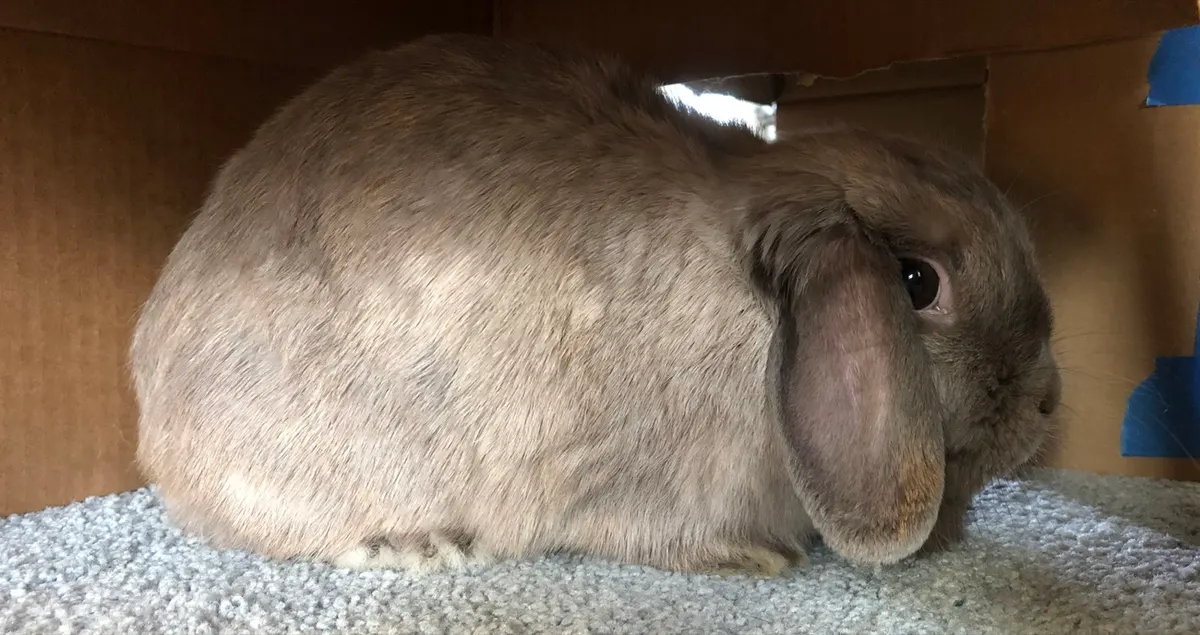
Rabbits are often sold as easy starter pets. They are not. Most dislike being picked up, a frightened rabbit can kick and scratch hard, and a rabbit dropped by a child can break its back.
Rabbits need room to run every day, a diet that is mostly hay, and a home safe from chewing, since they bite through wires. They feel heat badly, and many vets recommend neutering. Rabbits suit calm families who enjoy sitting on the floor with a pet, with older children.
Cats: easy for the right family
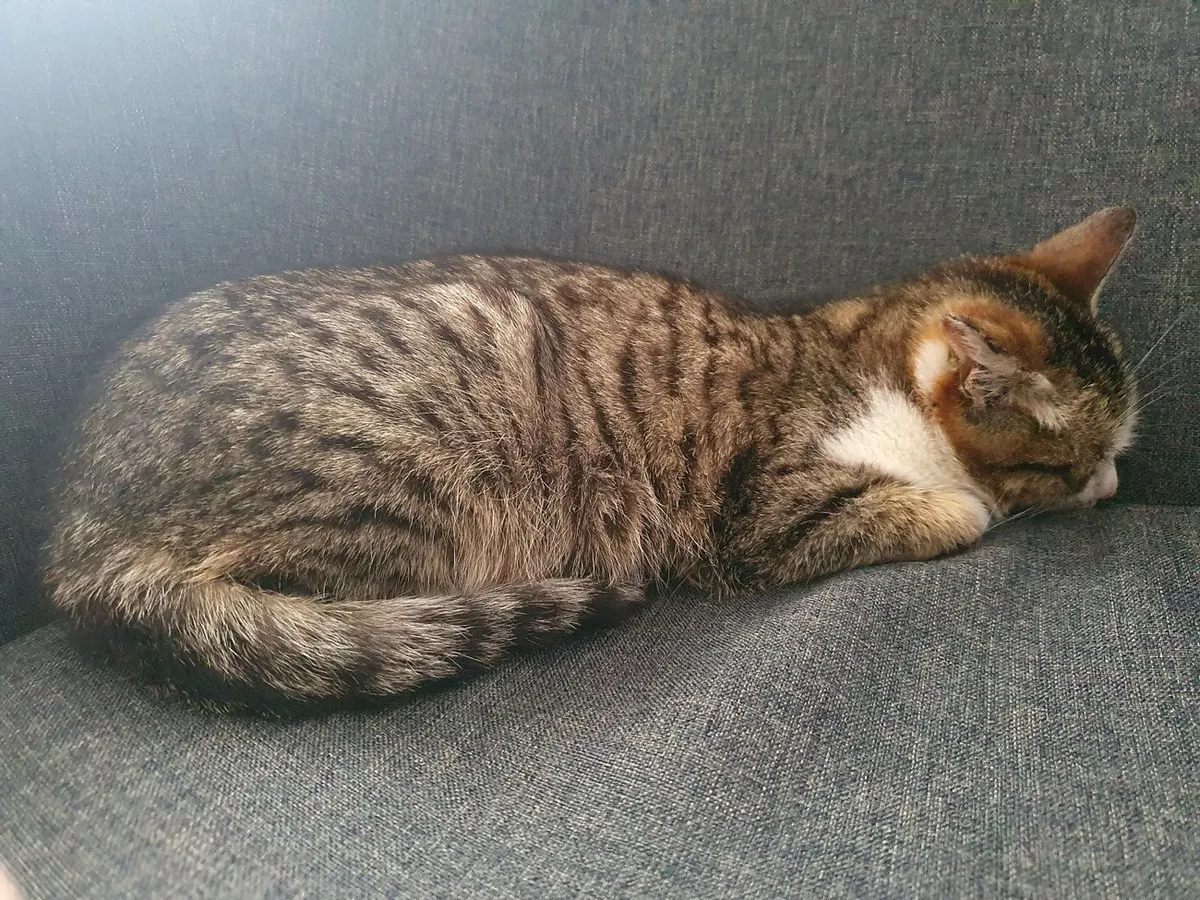
A cat is independent, uses a litter tray and does not need walks, so many families find one easier than a dog. A calm adult cat often suits young children better than a tiny kitten, which is fragile and scratches a lot in play.
Plan for vaccinations, neutering, a clean litter tray every day and a vet you can reach. Pregnant women should leave litter cleaning to someone else, or wear gloves and wash their hands. Our cat care guide covers daily care.
Quick comparison
| Pet | Daily care | Typical life | Best for |
|---|---|---|---|
| Budgies | Food, water, out of cage time | 5 to 10 years | Children six and up, flats |
| Fish | Feeding; weekly water change by an adult | Goldfish often 10 years or more | Calm homes, younger children watching |
| Guinea pigs | Hay, vegetables, vitamin C, cleaning | 5 to 7 years | Children six and up |
| Rabbits | Hay, space to run, cleaning | 8 to 12 years | Calm families with older children |
| Cats | Food, litter tray, play | 12 to 18 years | Families ready for a long commitment |
Pets to think twice about
- Hamsters are awake at night and often nip when woken, which upsets young children.
- Turtles and other reptiles can carry salmonella, and many vets advise against them for children under five.
- Puppies are the biggest job of all: training, walks and a lot of time.
Before you buy
Meet the animal, ask its age and what it eats, and check it is alert with clear eyes and a clean coat or feathers. Find a vet who treats small pets before you bring it home; see vets and clinics. Never send money before you have seen the animal; our guide to buying a pet safely explains what to check. If you choose birds, read our guide to budgie, lovebird and cockatiel breeding, and for a cat, see the best cat breeds for families.
Where to find birds, rabbits and cats
Browse birds for sale, including budgies, lovebirds and cockatiels, rabbits for sale and cats for sale. Every ad shows the seller's city, and you can chat with the seller before you visit.


Frequently asked questions
What is the easiest pet for a child?
For most families a pair of budgies or a pair of guinea pigs is the easiest place to start. Both are gentle, fit in a flat and let a child help every day. An adult still has to check food, water, cleaning and health.
At what age can a child look after a pet?
As a rough guide, children under about five can watch and help with an adult, children of six to nine can do simple daily jobs with a reminder, and children of ten and over can take on more. No child should be the only carer.
Is a goldfish a good first pet?
It can be, but not in a small bowl. Goldfish grow bigger than people expect, live for many years and need a filtered tank and regular water changes, which are an adult job.
Are rabbits good pets for young children?
Usually not as a first pet. Most rabbits dislike being picked up, can scratch or kick hard, and can hurt their back if dropped. They suit families who enjoy watching and sitting with a pet on the floor.
Should we get a kitten or an adult cat for our children?
With young children a calm adult cat is often the safer choice. Kittens are fragile and scratch a lot while playing. Meet the cat first and choose one that is relaxed around people.