Rabbits as Pets in Pakistan: Breeds, Housing and Summer Care
Are rabbits good pets? The best rabbit breeds for a home in Pakistan, how to house and feed them, and how to keep them safe in a hot summer.
By Pets Bazar Editorial Team, Editors · Published · 5 min read
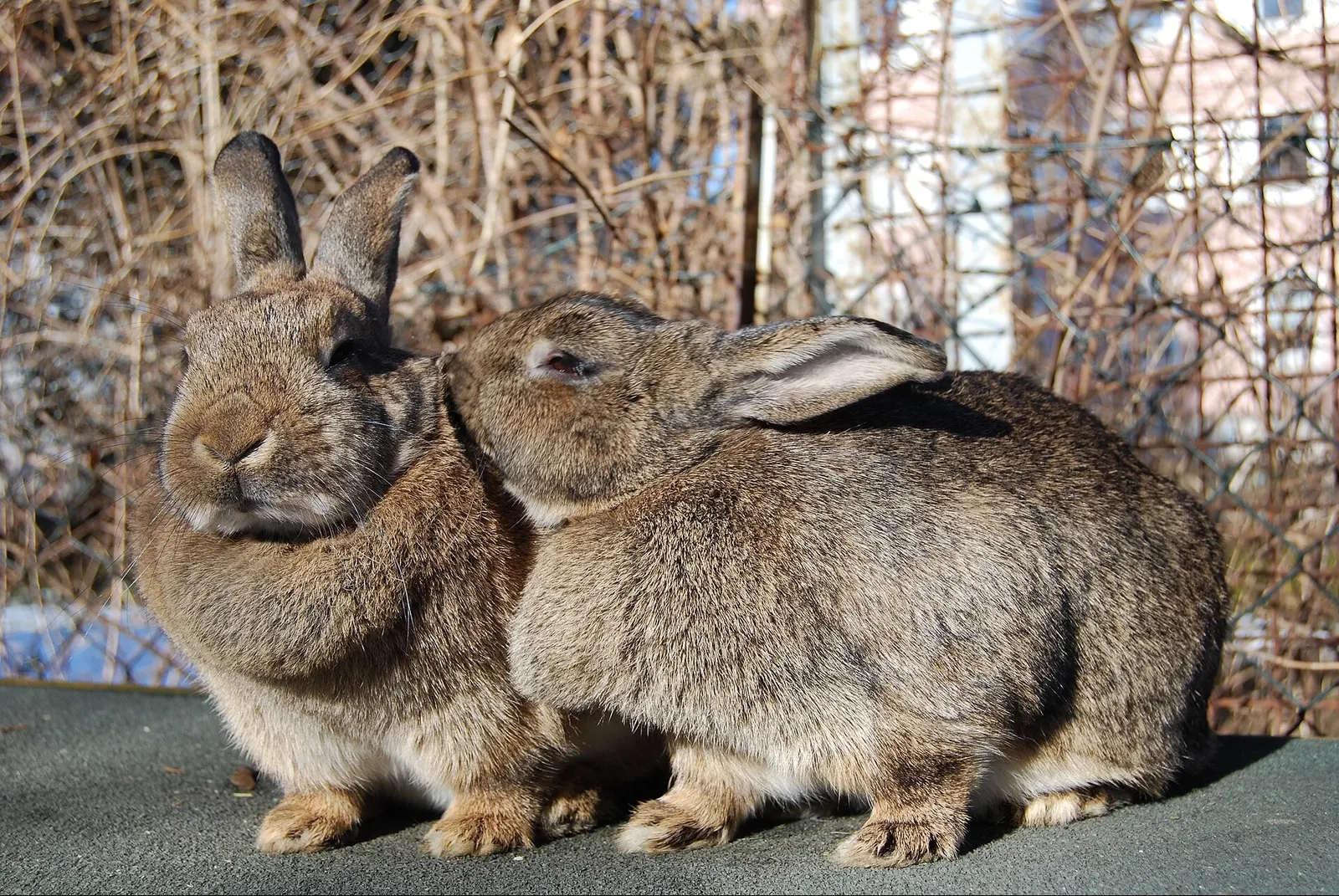
Rabbits can be good pets in Pakistan for a family that is ready for daily care. In short: choose a small, short coated breed, keep two together, feed mostly hay and give them a cool indoor room in summer, because heat is the biggest danger to a pet rabbit here. A healthy rabbit can live 8 to 12 years.
Rabbits, or khargosh, are easy to find for sale in Lahore, Karachi, Islamabad and most other cities. This guide covers what to know before you bring one home.
Are rabbits good pets?
The good side:
- Quiet and clean. Rabbits make little noise, and many learn to use a litter tray.
- Good in a flat. A small breed needs a pen, not a garden.
- Gentle company. A settled rabbit will follow you around the room and enjoy being stroked on the floor.
The harder side:
- A long promise. Pet rabbits can live 8 to 12 years, according to Blue Cross.
- They need company. Rabbits are social, and welfare groups advise keeping at least two.
- They chew. Wires, shoes and furniture need protecting.
- They breed early. Rabbits can breed from about four months old.
If you want an easier first pet for a child, read our guide to low maintenance pets for kids.
Rabbit breeds you will find in Pakistan
These are the breeds most often named in ads. Many market rabbits are local or mixed rabbits with no breed name, and they can make fine pets too.
| Breed | Adult size | Coat | Best for |
|---|---|---|---|
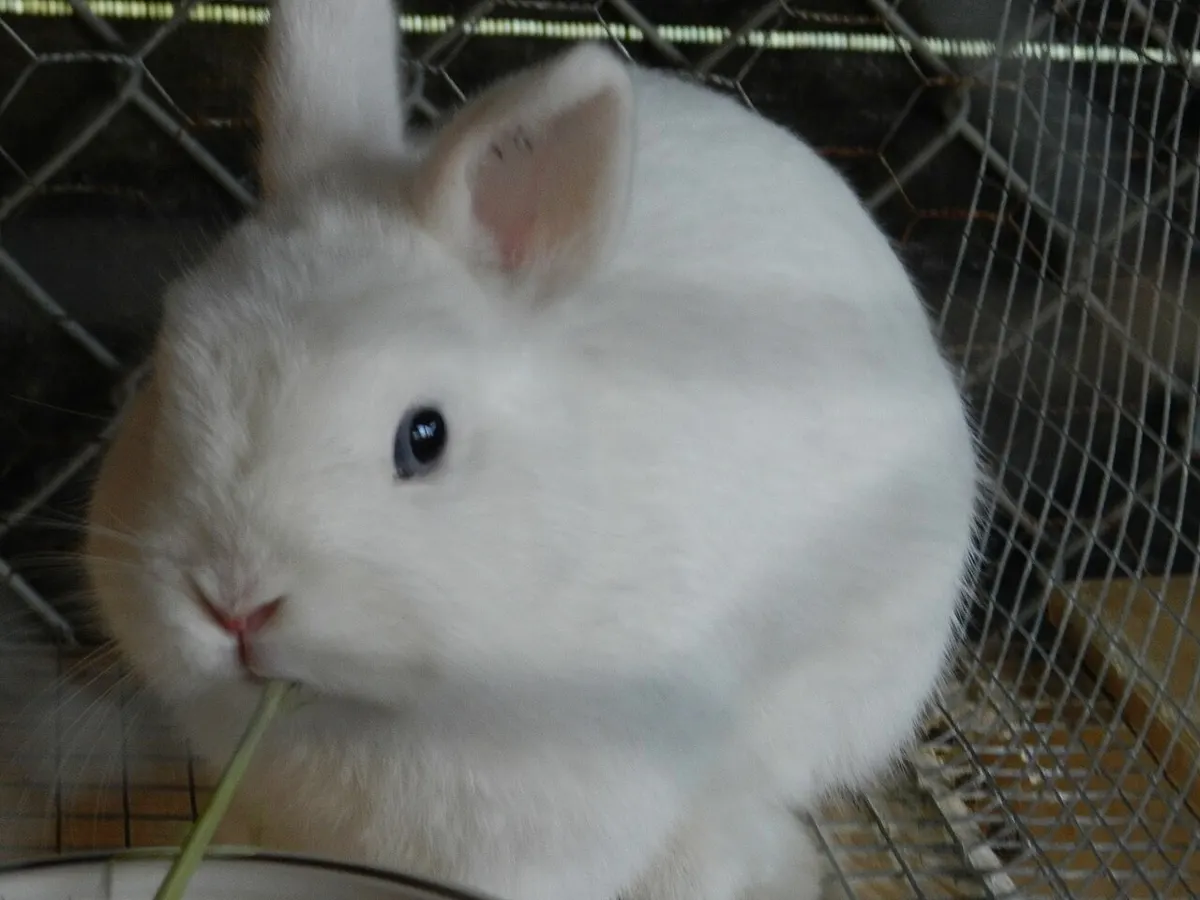
| Netherland Dwarf | About 1 kg | Short | Flats; the smallest breed |
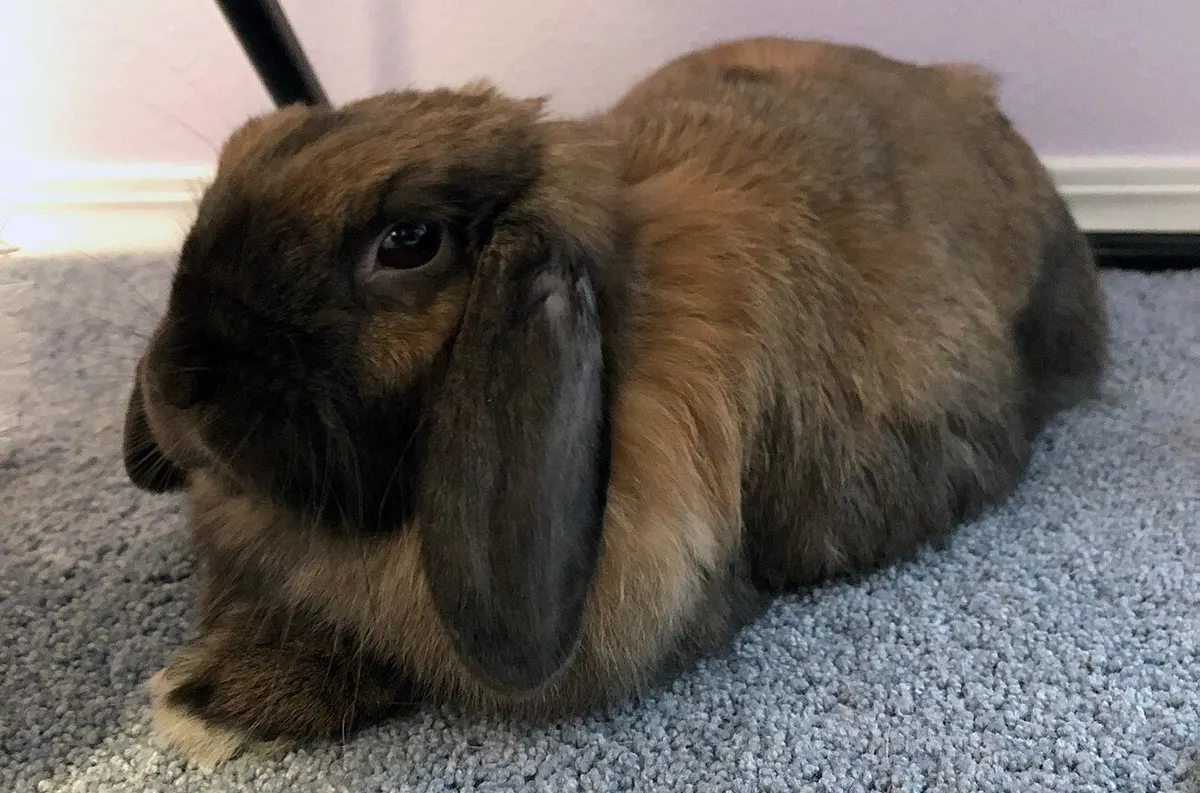
| Holland Lop | About 1.5 to 2.5 kg | Short, ears hang down | Families |
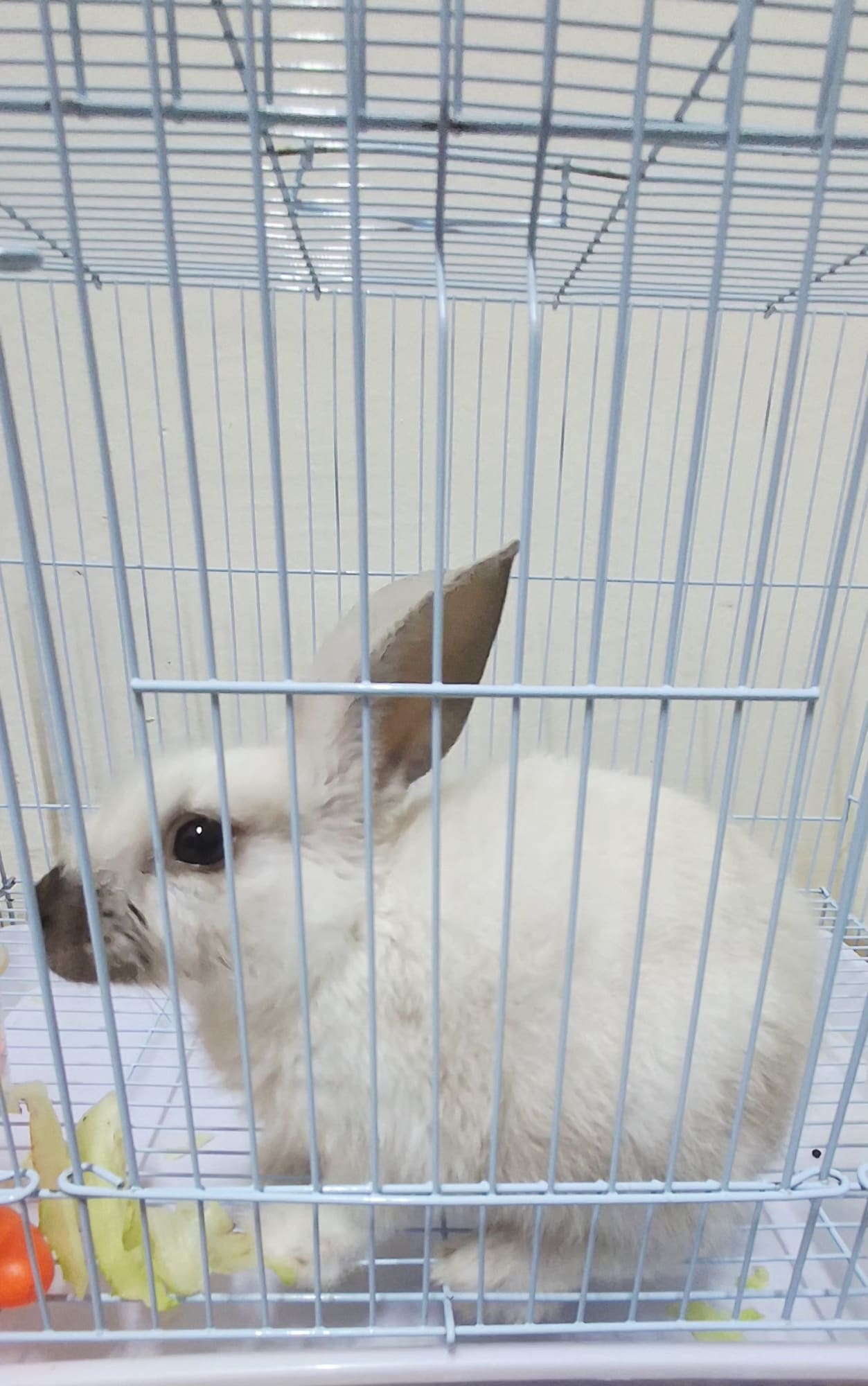
| Mini Rex | About 1.5 to 2.5 kg | Short and velvety | Hot cities, easy grooming |
| Lionhead | Small | Mane around the head | Owners who brush often |
| Angora | Medium | Long wool | Cooler areas, daily grooming |
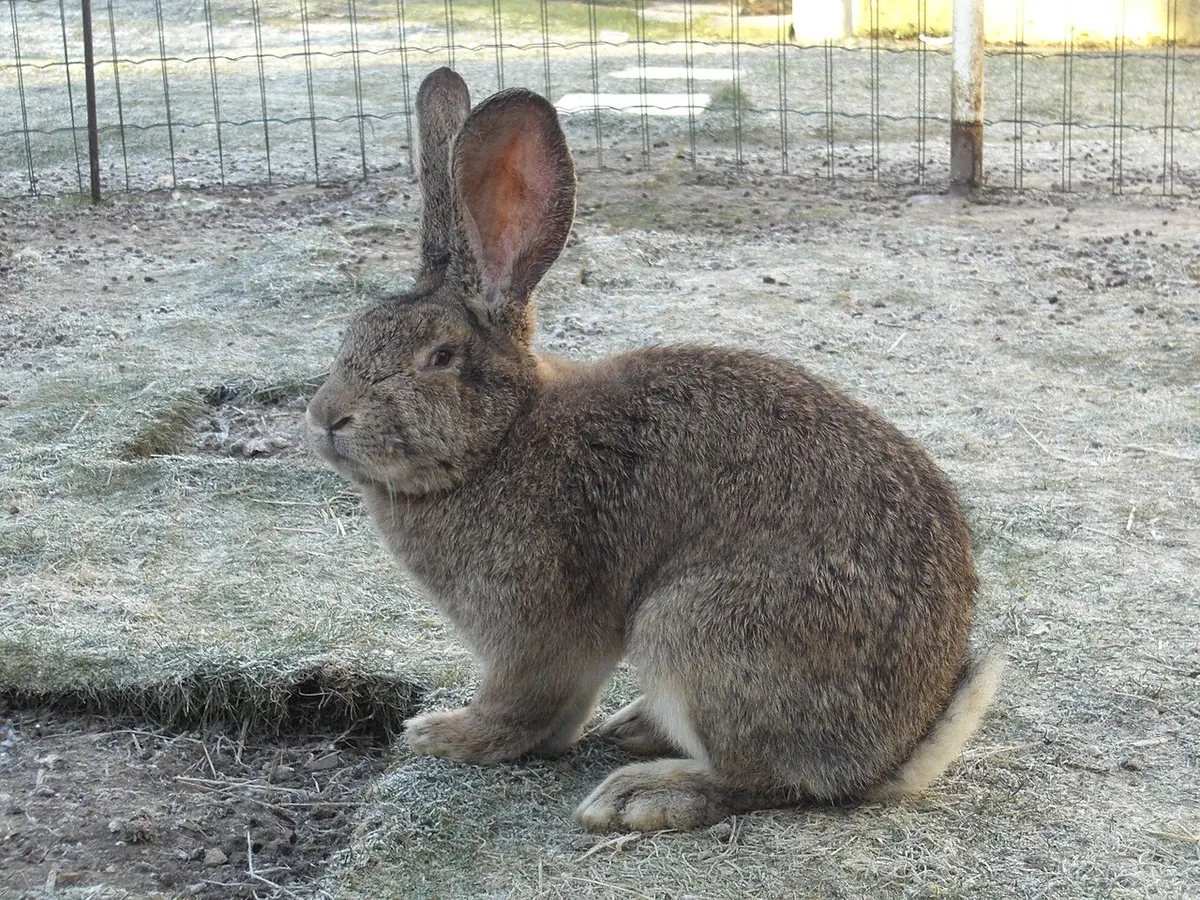
| Flemish Giant | About 6 kg or more | Short | Big homes with lots of space |
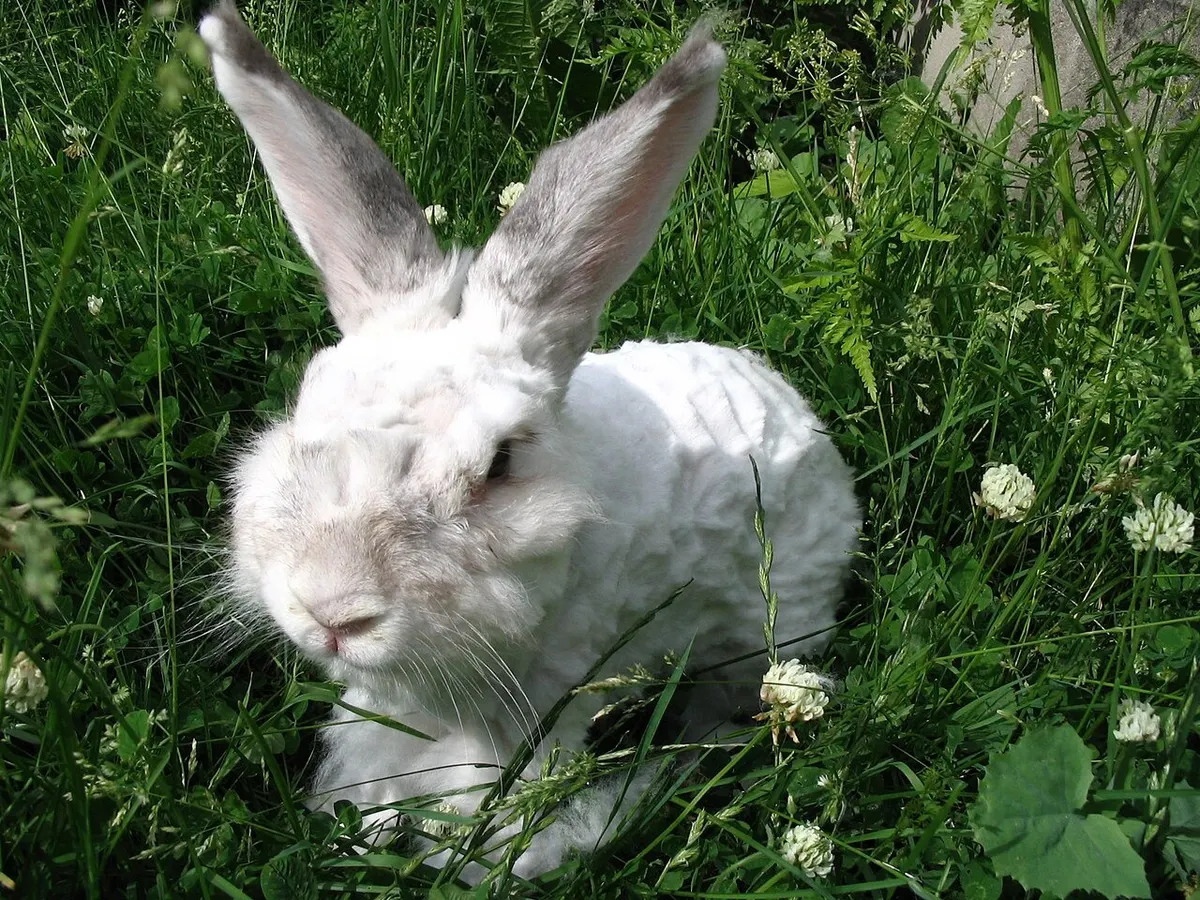
Angora. Pakistan's National Agricultural Research Centre (NARC) brought Angora rabbits from Nepal around 2010 for wool. Its flocks are kept in Islamabad and cooler hill areas such as Mansehra, Murree and Swat, because the breed does poorly in heat. A pet Angora in the plains needs a summer trim and daily brushing.
How to house a pet rabbit
- Space. Blue Cross advises at least 3 m by 2 m, and 1 m high, for two rabbits, plus a sheltered sleeping area. A hutch alone is not enough.
- Indoors is best. In Pakistan a pen inside a cool room is safer than a cage on the roof or in the courtyard, away from sun, stray cats and dogs.
- Solid floors. Young rabbits can damage their teeth biting cage wire, says the Merck Veterinary Manual. Give a mat or rug to sit on.
- Rabbit proof the room. Cover wires and keep house plants out of reach.
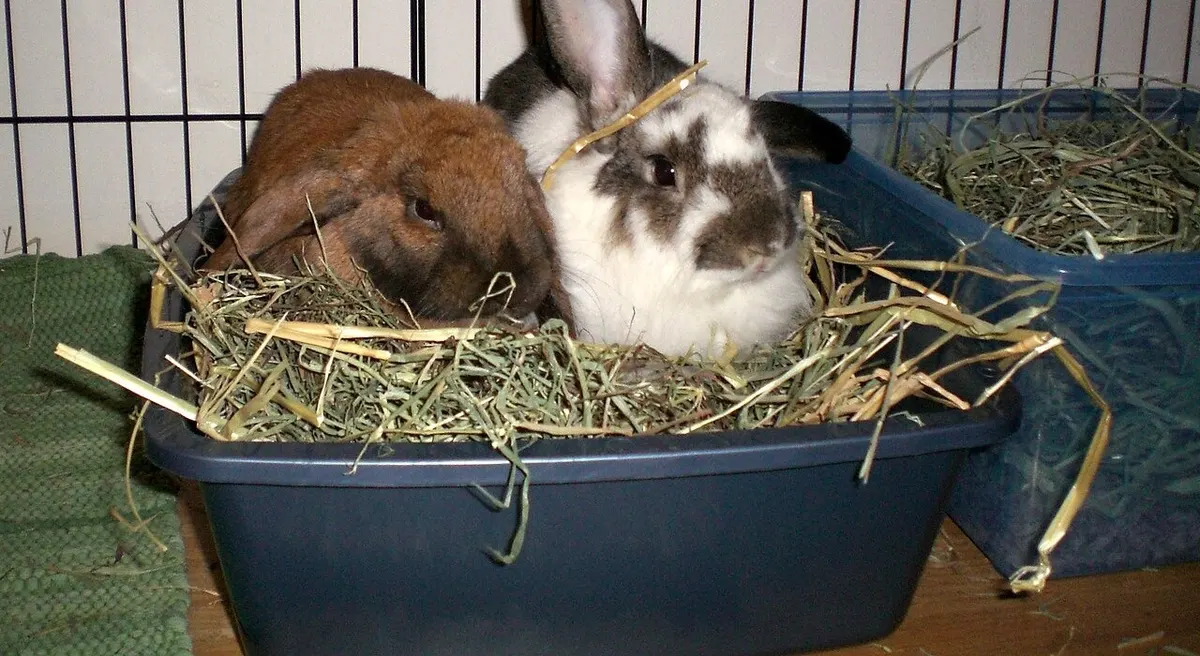
- A litter tray. Fill it with hay. Many rabbits learn to use it quickly.
What to feed a rabbit
The RSPCA gives this daily guide:
- Hay or grass, about 85 percent. A bundle at least as big as the rabbit, every day. Rabbit teeth never stop growing, and chewing hay wears them down.
- Leafy greens, about 10 percent. A large handful of washed greens and herbs, such as coriander, mint, carrot tops and dark lettuce leaves. Add new greens slowly.
- Pellets, about 5 percent. About 25 g per kilogram of body weight, roughly an egg cup. Do not keep the bowl topped up.
- Water. Fresh water at all times, changed twice a day.
Carrots and fruit are treats, not meals. Never feed bread, roti, rice, biscuits, sweets, potato, onion, garlic, chocolate or muesli style mixes.
Keeping rabbits cool in summer
Researchers in Rahim Yar Khan followed local rabbits for a year. The farm's summer average was about 36 °C, against an ideal of about 15 to 20 °C. In summer the rabbits sat still more and breathed faster, at about 132 breaths a minute against 107 to 115 in other seasons. The same risk applies in Karachi, Delhi, Dubai or Riyadh.
PDSA advises keeping rabbits near 18 to 20 °C. Heatstroke starts when body temperature passes 40.5 °C.
- Keep rabbits indoors in the coolest room, out of direct sun.
- Move air with a fan or cooler, but not straight at the rabbit.
- Give cold water in more than one bowl, away from sunlight.
- Offer a ceramic tile to lie on and a frozen water bottle wrapped in a towel.
- Brush out loose fur, keep rabbits at a healthy weight, and never leave one in a car.
Signs of heatstroke: red, hot ears, fast shallow breathing, breathing with the mouth open, weakness, trembling and collapse. Move the rabbit somewhere cool, wet its ears with cool water, offer water and go to a vet at once. For dogs and cats, see keeping pets cool in a Pakistani summer.
Health and vet care
- Neutering. It prevents unplanned litters and makes pairs easier to keep.
- Teeth. Watch for drooling, uneven or very long front teeth, or trouble eating.
- Disease. Rabbit haemorrhagic disease was first reported in Pakistan in 2013, in two Angora rabbits at NARC in Islamabad. Ask your vet which vaccines are available in your city.
Find a vet near you before you buy.
Buying a rabbit
See the rabbit in person, ideally with its mother. Look for clear eyes, a clean nose, a dry bottom and healthy teeth, and ask its age and what it has been eating. Read our guide to buying a pet safely, then browse rabbits for sale in Lahore, Karachi, Islamabad and other cities, or post a free ad.

References
- RSPCA, What do rabbits eat?
- PDSA, Heatstroke in rabbits
- Blue Cross, Six things you need to know before getting rabbits
- Merck Veterinary Manual, Dental care of rabbits
- Khan, Lashari and Farooq (2022), Effect of season and housing systems on local rabbits in Southern Punjab, Brazilian Journal of Biology.
- Farooq et al. (2013), Rabbit haemorrhagic disease in two cases, Research Journal for Veterinary Practitioners.
- INP WealthPK (2022), Angora rabbit farming in Pakistan
- Breed sizes: Dwarf rabbit, Wikipedia; Rabbit weights by breed, Creatures.
Frequently asked questions
Are rabbits good pets in Pakistan?
Yes, for a family ready for long term daily care. Rabbits are quiet, many learn to use a litter tray and they suit flats. They live 8 to 12 years, need a companion, room to run and a cool room in summer, and they can fall ill quickly, so find a vet who treats rabbits before you buy.
Which rabbit breed is best for a home in Pakistan?
For most homes, a small, short coated breed such as Holland Lop, Mini Rex or Netherland Dwarf is easiest. Long coated Angoras need daily brushing and a summer trim, because thick wool makes heat worse. Flemish Giants are gentle but need a lot of floor space.
What do pet rabbits eat?
Mostly hay or fresh grass, about 85 percent of the diet, plus a large handful of washed leafy greens and about 25 g of pellets per kilogram of body weight each day. Fresh water should always be available. Do not feed bread, roti, rice, biscuits, sweets, onion, garlic or chocolate.
How do I keep my rabbit cool in summer?
Keep it indoors in the coolest room, out of direct sun, with air moving from a fan or cooler but not blowing straight at it. Give cold water in more than one bowl, a ceramic tile to lie on and a frozen water bottle wrapped in a towel. Brush out loose fur, and never leave a rabbit in a car.
What are the signs of heatstroke in a rabbit?
Red ears that feel hot, fast shallow breathing, breathing with the mouth open, weakness, trembling, confusion and collapse. Move the rabbit somewhere cool, wet its ears with cool water, offer water and take it to a vet straight away.
Should I keep one rabbit or two?
Two, if you can. Rabbits are social, and welfare groups advise at least one rabbit companion. A neutered male and a neutered female is usually the easiest pair. Rabbits can breed from about four months old, so neuter them or keep males and females apart.
How long do pet rabbits live?
Usually 8 to 12 years with good food, housing and vet care. Plan for that whole time before you buy.