Best Cat Breeds for First Time Owners, Families and Allergy Sufferers
Calm cats for a first home, gentle breeds for children, and the honest truth about allergies: no cat is fully hypoallergenic.
By Pets Bazar Editorial Team, Editors · Published · Updated · 5 min read
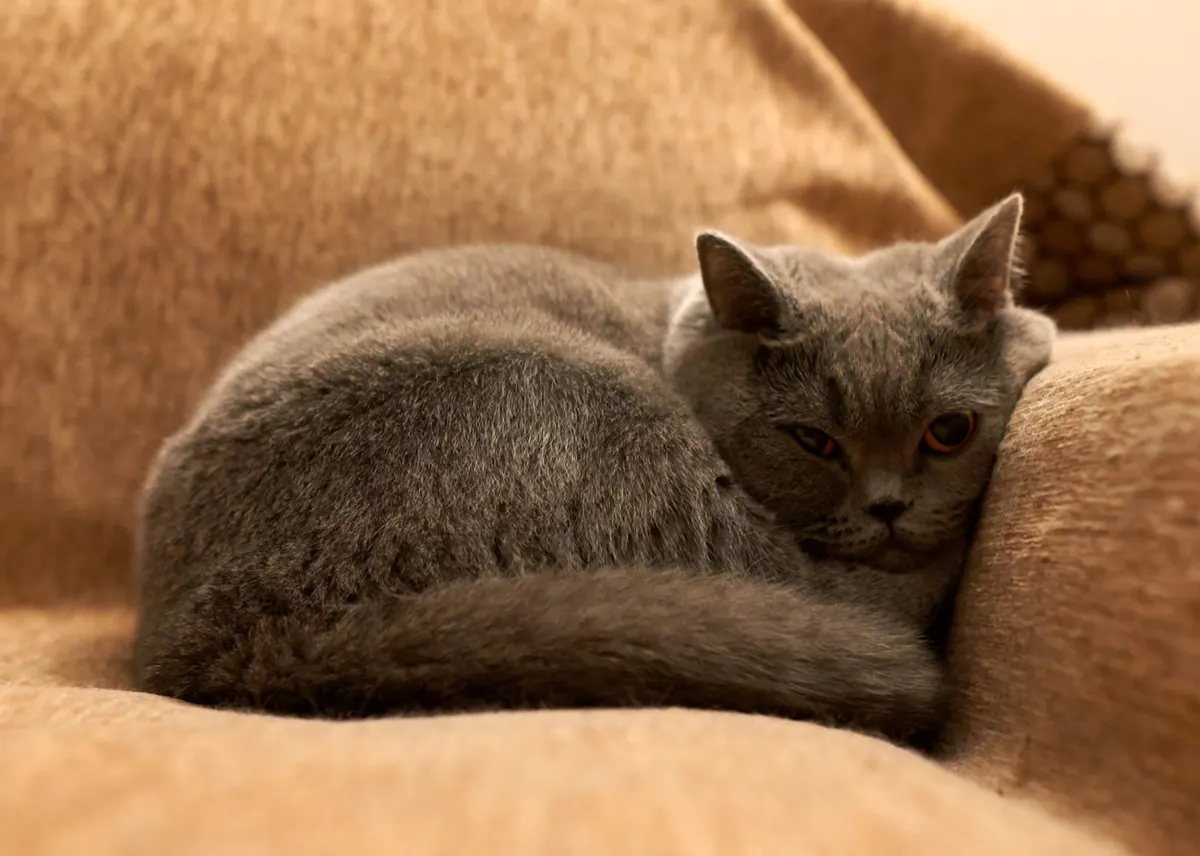
For most first time owners, the best cat is a calm, short-haired cat whose friendly temperament you have already seen. Among pedigree breeds, the British Shorthair, Ragdoll and Birman are the usual picks for a first home or a family. For allergies, the honest answer is that no cat is fully hypoallergenic.
This guide is for readers in Pakistan, India, the Gulf, the UK and the US. It gives no prices, because they vary by breed, seller and city.
What makes a cat easy for a first time owner
- Coat. A short coat needs a brush about once a week. A long coat needs daily care, or it mats.
- Temperament. A calm, sociable cat forgives beginner mistakes. A very active or vocal cat needs more time.
- Time alone. Some breeds cope with an owner who works all day. Others become bored and noisy.
- Health. Very flat-faced breeds carry more health problems.
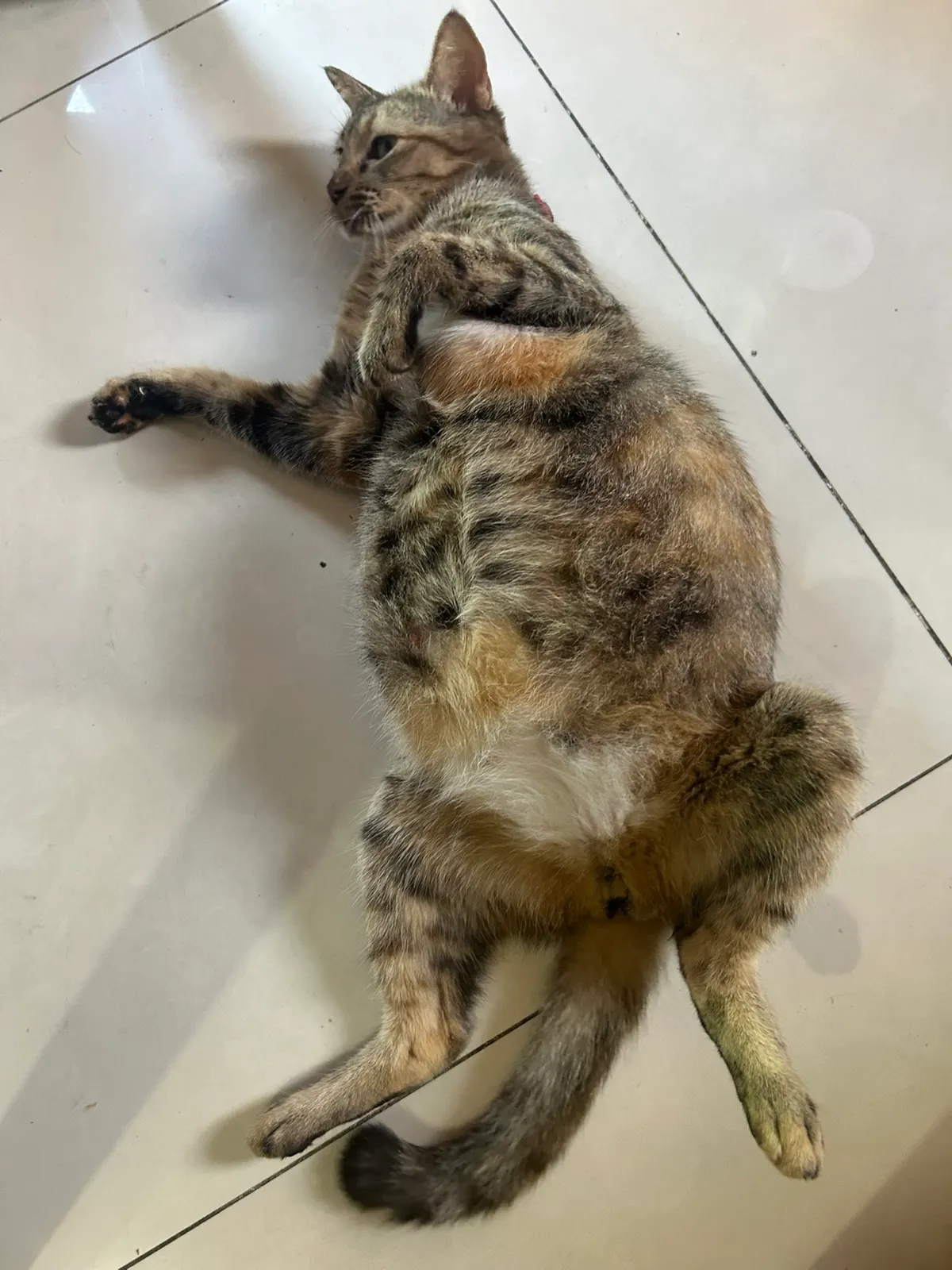
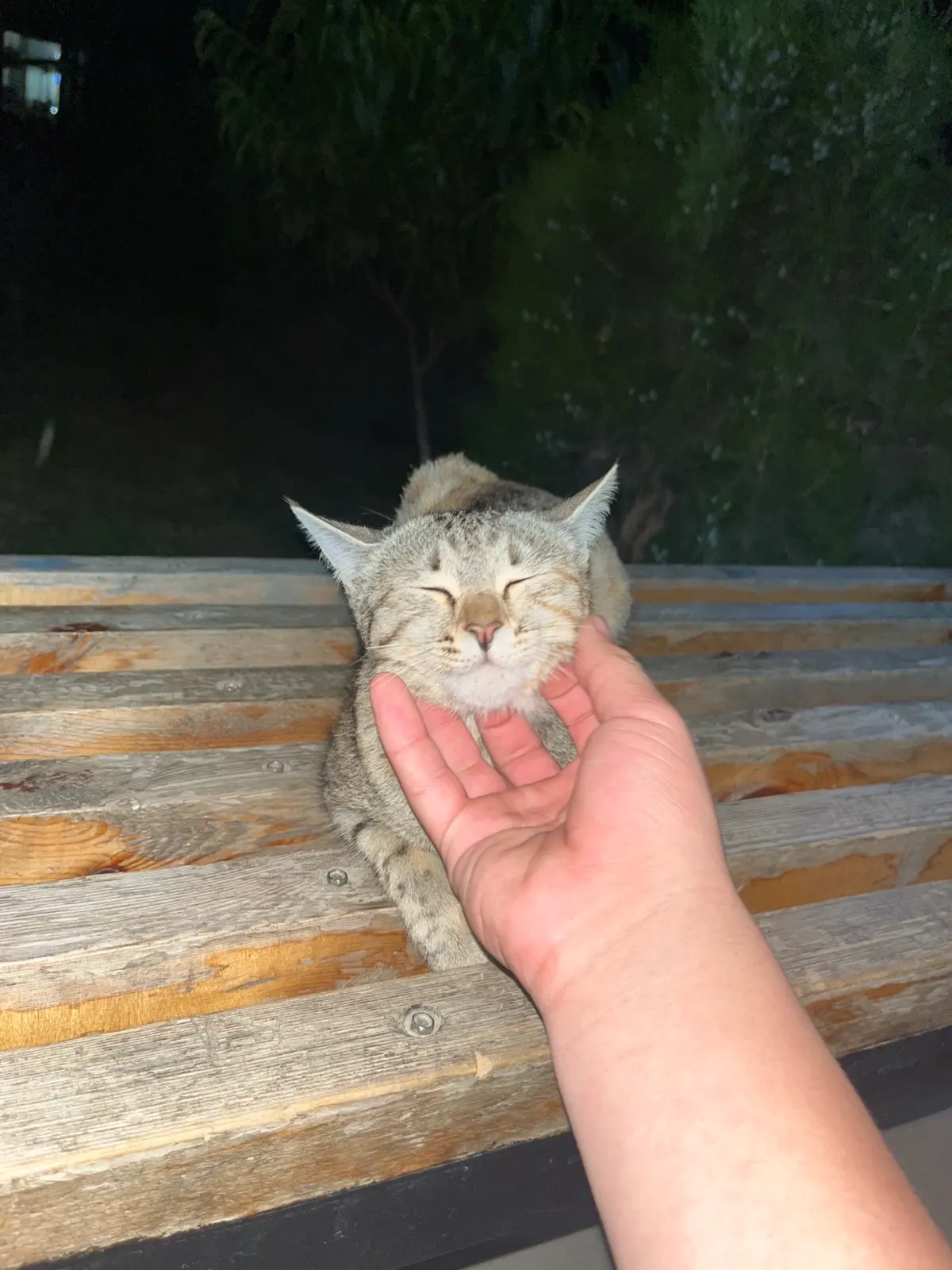
Do not overlook the ordinary house cat. A mixed-breed, short-haired cat, the desi cat of South Asia or the moggy of the UK, is often the easiest pet of all.
Best breeds for first time owners
- British Shorthair. Calm, sturdy and quiet, with a dense coat that needs a weekly brush. Most like to sit near you rather than on you, and many dislike being carried. They cope fairly well alone. Ask whether the parents were checked for heart and kidney disease.
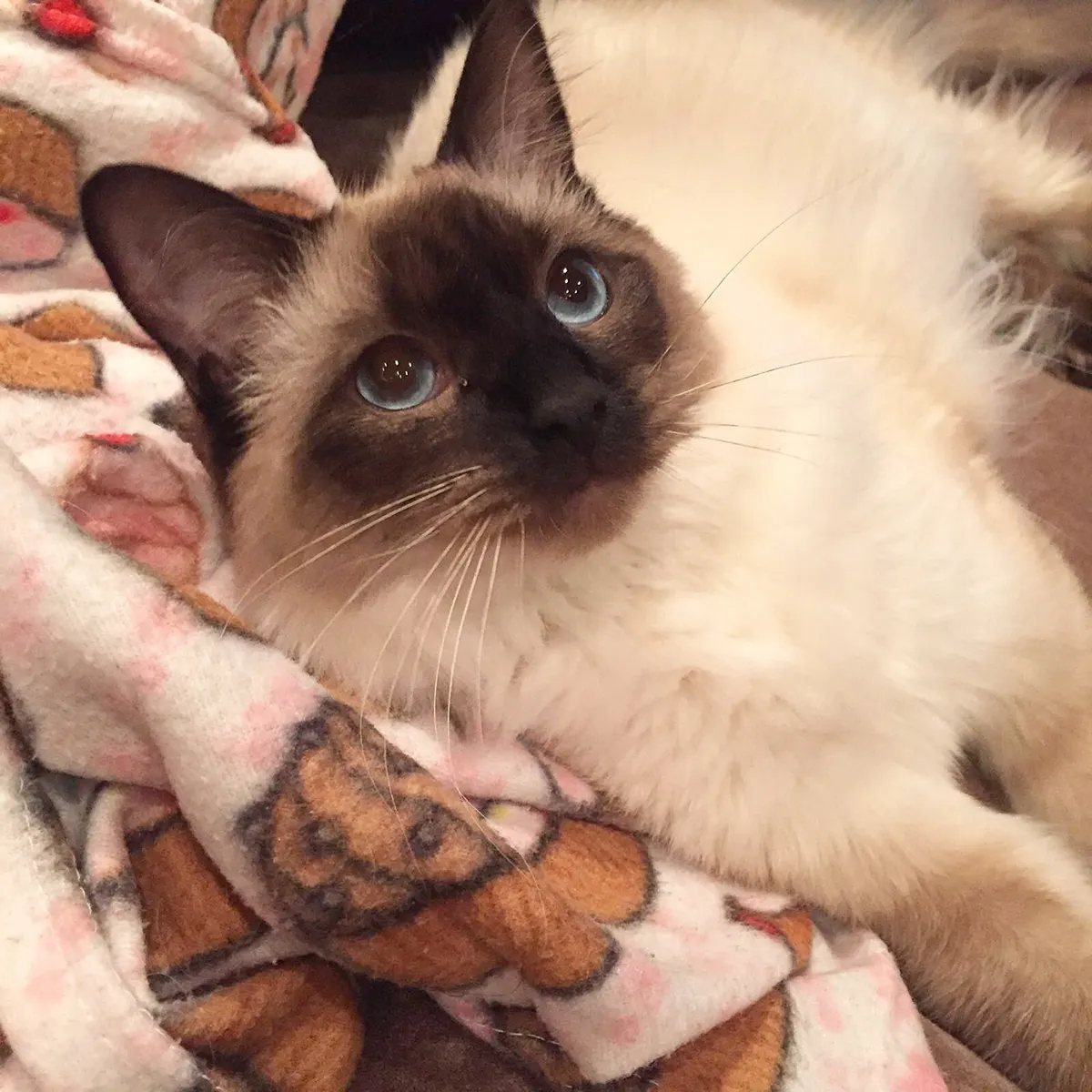
- Ragdoll. A large, gentle cat with blue eyes and a semi-long coat. The name comes from its habit of going limp when picked up. Brush it two or three times a week. Ragdolls want company, and the breeder should be able to tell you about heart screening of the parents.
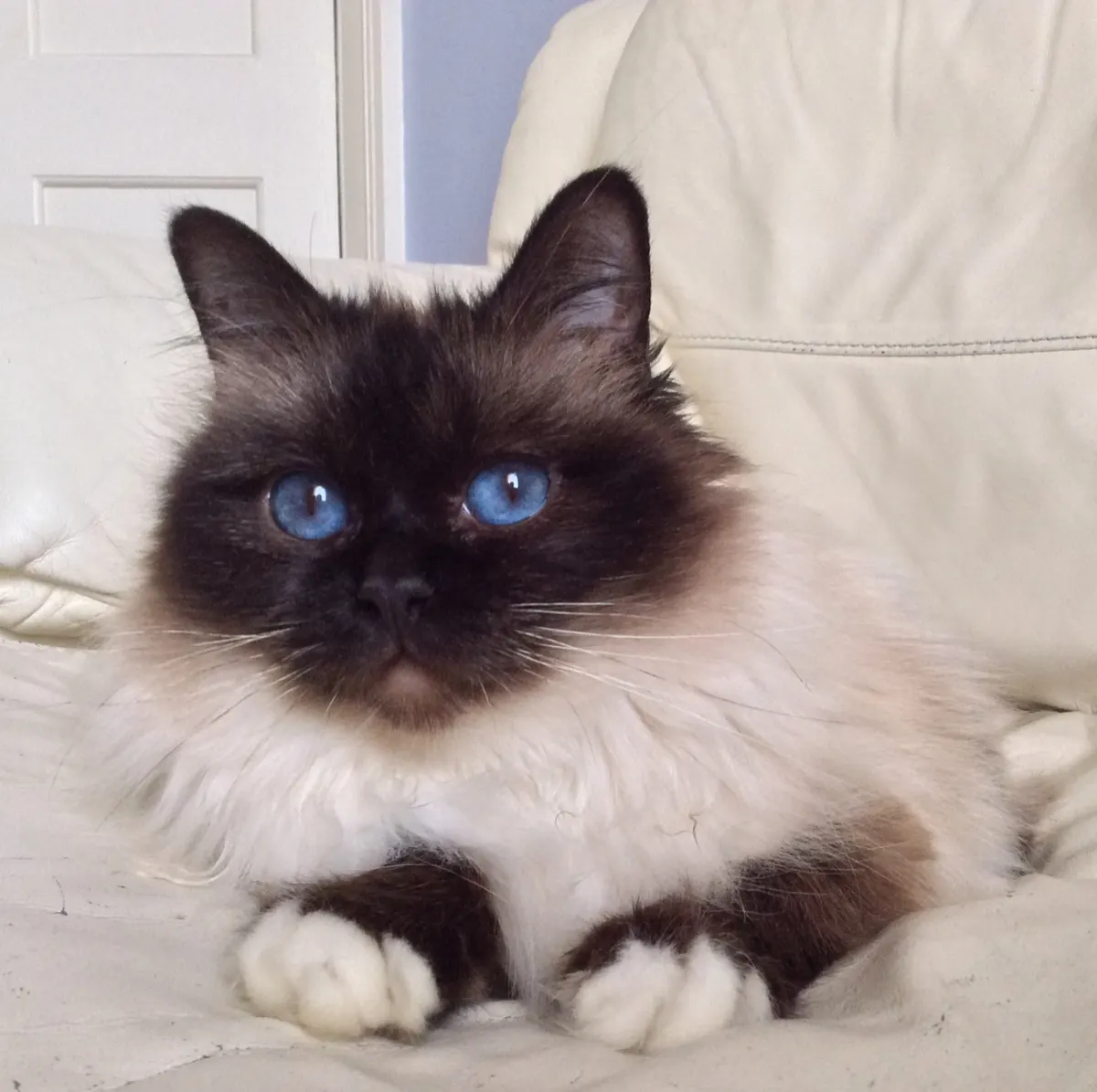
- Birman. A quiet, friendly cat with a darker face, ears and tail and four white paws. Its silky coat has little undercoat, so it tangles less than many long coats. The breed was founded in France from a pair of cats shipped from Burma around 1919.
The breeds at a glance
| Breed | Brushing | Energy | With children | Time alone |
|---|---|---|---|---|
| House cat | Weekly if short-haired | Varies | Depends on the cat | Usually copes |
| British Shorthair | Weekly | Low | Good, dislikes being carried | Copes well |
| Ragdoll | Two or three times a week | Low | Very good | Needs company |
| Birman | Two or three times a week | Low to medium | Very good | Needs company |
| Maine Coon | Two or three times a week | Medium | Good and patient | Copes fairly well |
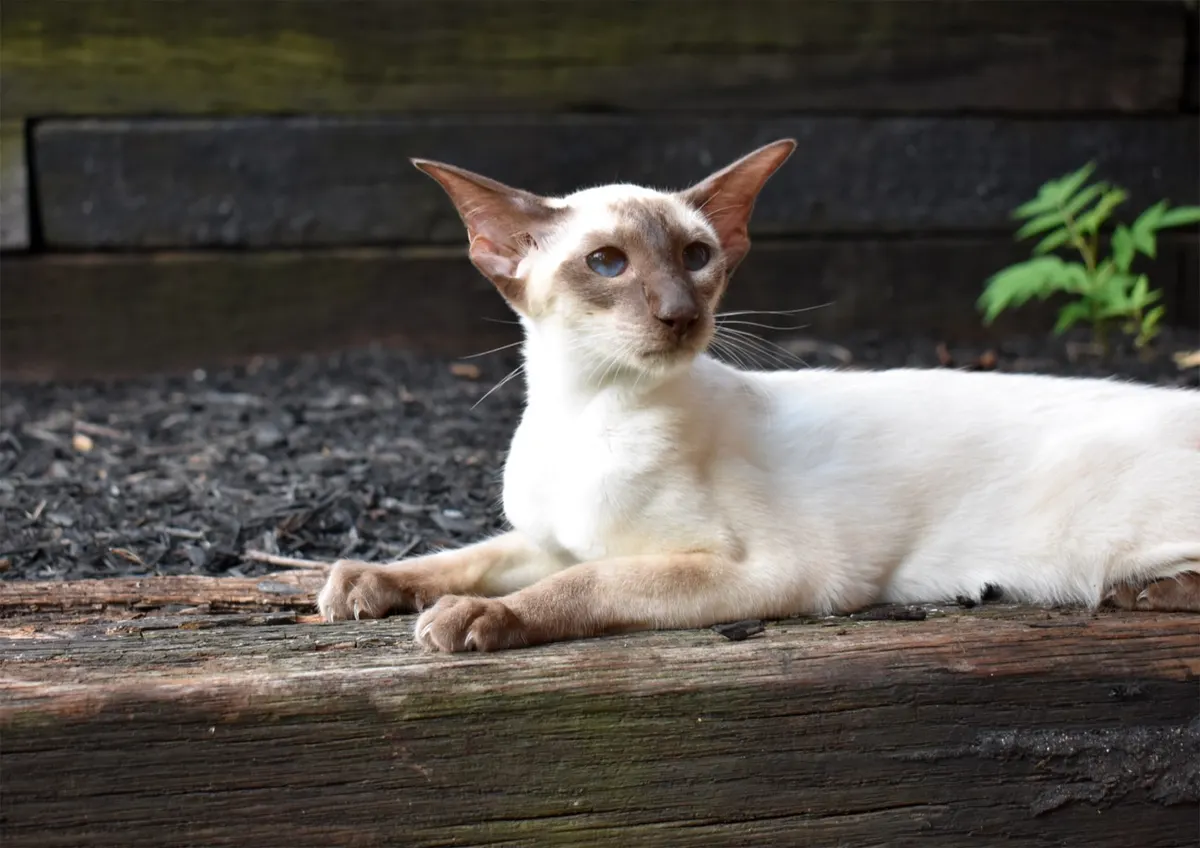
| Siamese | Weekly | High | Good with older children | Needs company |
| Persian | Daily | Low | Good with gentle children | Copes fairly well |
Best cats for families with children
Choose the cat's temperament first and the breed second. The breeds above are known for patient natures, but every cat is an individual. Meet the cat and watch how it reacts to noise and hands.
- An adult cat or an older kitten often suits toddlers better than a tiny kitten, which is fragile and scratches during play.
- Teach children to stroke gently, to lift a cat with one hand under the chest and one under the back legs, and to let it walk away.
- Supervise children under five with any cat, and give the cat a high shelf where they cannot follow.
- Keep children away from the litter tray.
Cats and allergies: the honest answer
No cat is fully hypoallergenic. The main cat allergen is a protein called Fel d 1, made in a cat's saliva and skin. Every cat makes it, whatever its coat. Grooming spreads it onto hair, sofas and beds.
Some people report milder reactions to certain breeds.
- Siberian and Balinese. Often said to cause fewer reactions, but the evidence is limited and single cats differ.
- Devon Rex and Cornish Rex. Short, curly coats that shed less.
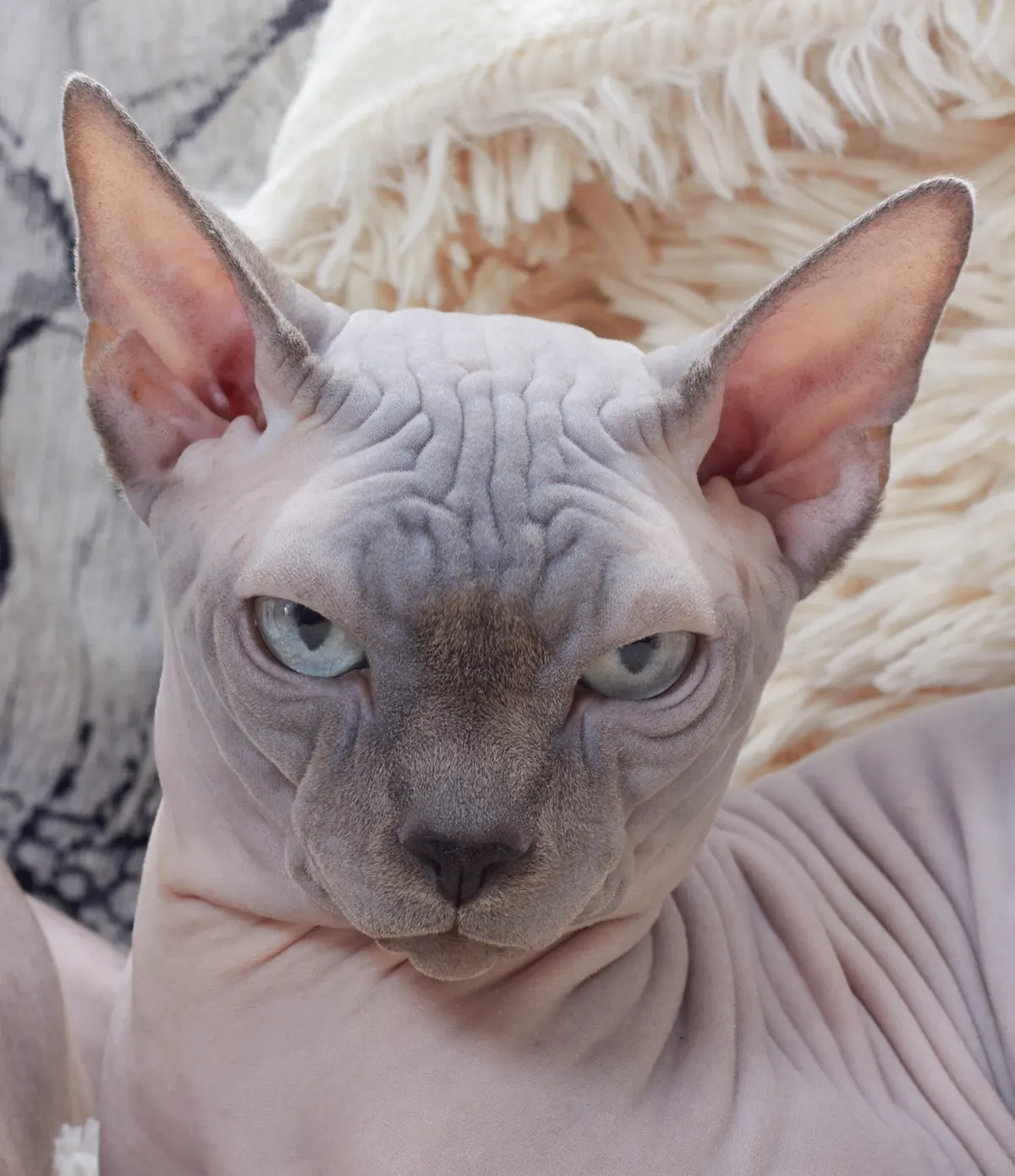
- Sphynx. Almost hairless, but its skin carries the allergen and needs a weekly bath.
Research also suggests unneutered males tend to make more allergen than females and neutered males.
If anyone at home has a cat allergy or asthma, talk to your doctor first. Visit the exact cat more than once and see how you feel. Keep the cat out of bedrooms, wash bedding often and use an air purifier with a HEPA filter.
Breeds that need more experience
- Persian and other flat-faced cats. Daily grooming, daily eye cleaning and more breathing trouble, especially in heat. Read our Persian cat guide first.
- Bengal. Very active and clever. It needs a lot of play and climbing space.
- Scottish Fold. The folded ears come from a gene that affects cartilage across the body and can cause painful joint disease. Many vets advise against buying one.
- Siamese. Loving, talkative and hard for someone who is out all day.
Flats and hot summers
These breeds live happily in a flat with a scratching post, a window and daily play. Net balconies and open windows, because cats fall from low floors too.
In summer, keep one room cool and give fresh water all day. Long-coated and flat-faced cats feel the heat most. If your area has power cuts, plan a shaded spot with a tiled floor. Panting, drooling or weakness in a cat is an emergency: move it somewhere cool and call a vet.
Before you buy
- Meet the kitten with its mother.
- Bring it home at about 12 weeks, eating solid food and using a litter tray.
- Ask for vaccination and deworming dates, and any health tests on the parents.
- Never pay an advance to a seller you have not met. Our guide to buying a pet safely lists what to check.
- Book a vet visit in the first week. In Pakistan, find one on our clinics page, and read our cat care guide for the daily routine.
For more breeds, see our guide to cat breeds in Pakistan, and get ready with our new kitten checklist.
Where to find cats for sale
Browse cats for sale across Pakistan, or look at Persian cats and Siamese cats. Pets Bazar also has cat ads for buyers in the US, Kuwait and India: choose your country on the site to see them. Every ad shows the seller's city, and you can chat with the seller before you visit.




Frequently asked questions
Which cat breed is best for a first time owner?
The British Shorthair, Ragdoll and Birman are calm and easy to live with. An ordinary short-haired house cat with a known, friendly temperament is often the easiest choice of all.
Which cat breed is best with children?
Ragdolls, Birmans, Maine Coons and British Shorthairs are known for patient natures. The single cat's temperament matters more than its breed, so meet it first and always supervise young children.
Are there hypoallergenic cats?
No cat is fully hypoallergenic. Every cat makes the main allergen, a protein called Fel d 1, in its saliva and skin. Some people react less to breeds such as the Siberian, Devon Rex or Sphynx, but spend time with the exact cat and talk to your doctor before you buy.
Is a kitten or an adult cat better for a family with young children?
An adult cat or an older kitten with a calm nature usually suits small children better. Tiny kittens are fragile and scratch a lot during play.
Can these breeds live in a flat in a hot country?
Yes, as indoor cats with a cool room, fresh water all day, daily play and netted balconies. Long-haired and flat-faced cats feel the heat most, so plan for power cuts and ask your vet about summer care.