New Kitten Checklist: Supplies, Health Checks and Telling Its Age
What to buy before a kitten comes home, how to check its health when you meet it, and how to tell its age from its teeth, eyes and size.
By Pets Bazar Editorial Team, Editors · Published · 5 min read

A new kitten needs four things sorted before and after it comes home: the right supplies, a health check when you meet it, proof of its age and vaccinations, and a vet visit in the first week. This checklist covers all four, wherever you live and whether you buy from a breeder, a neighbour or an ad online.
It does not give prices, because they vary by seller, shop and city.
Supplies checklist: what to buy before the kitten arrives
Buy these first, so the first day is calm.
- Carrier. A sturdy carrier with a secure door, for the trip home and every vet visit. Never carry a kitten loose in a car.
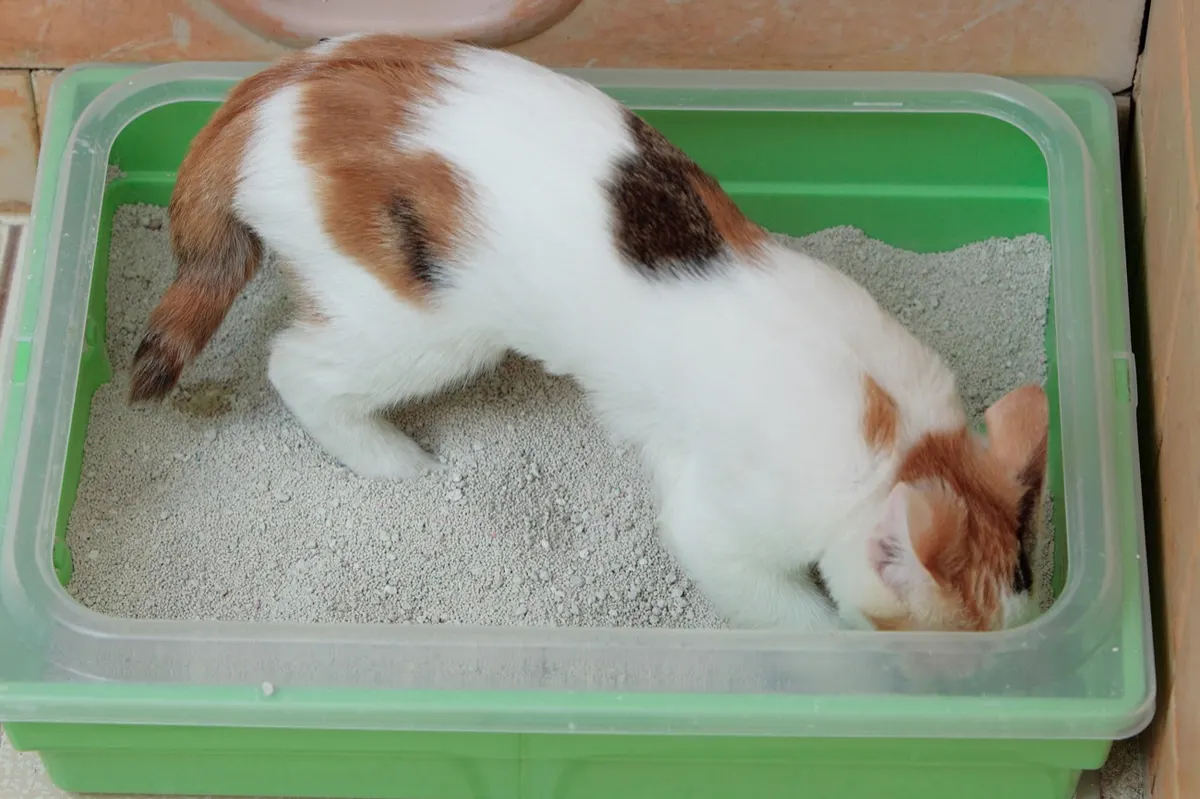
- Litter tray and litter. A low-sided tray a small kitten can climb into, with unscented litter. Keep it away from the food.
- Kitten food. Ask what the kitten eats now and buy the same. If you want to change it, mix the new food in slowly over about a week.
- Food and water bowls. Shallow and easy to clean, with fresh water every day. Skip cow's milk, which upsets many cats' stomachs.
- Bed. A soft bed, or a box with a blanket, in a quiet corner.
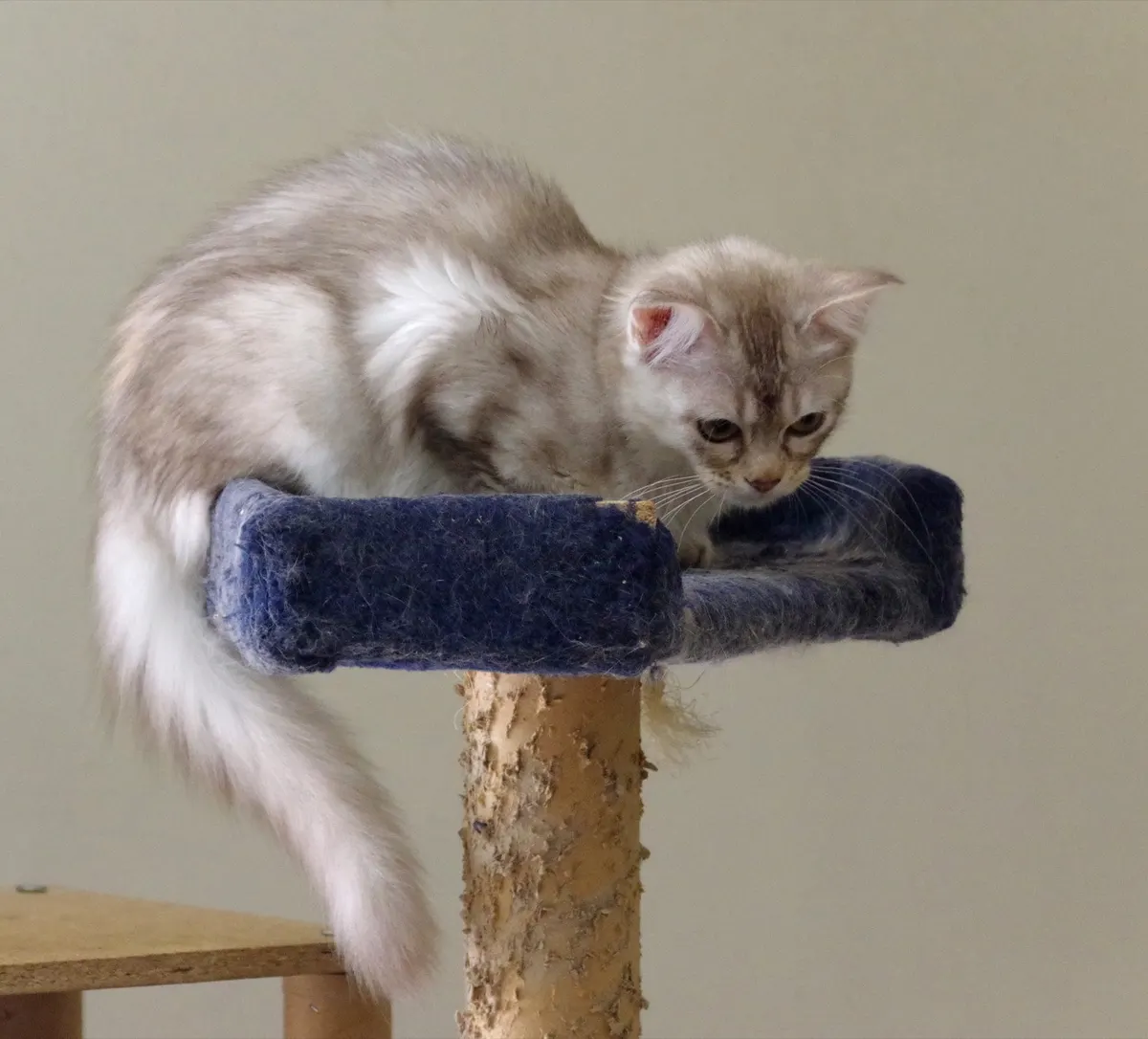
- Scratching post. A tall, steady post teaches the kitten where to scratch instead of your sofa.
- Toys. A wand toy and a few small balls. Keep string, thread and rubber bands away, because kittens swallow them.
- Comb and nail clippers. Short coats need a weekly brush; long coats need combing every day.
- ID. Ask your vet about a microchip. Some countries require one by law, so check the current rule where you live.
Kitten health checklist: what to look at when you meet it
Meet the kitten where it lives, with its mother if you can. Watch it for a few minutes before you pick it up. A healthy kitten is curious, plays and moves easily. Then check it from nose to tail:
- Eyes: bright and clear, with no crust or discharge.
- Nose: clean, with no sneezing or thick discharge.
- Ears: clean inside. Dark, crumbly wax and constant head shaking can mean ear mites.
- Mouth: pink gums and clean teeth.
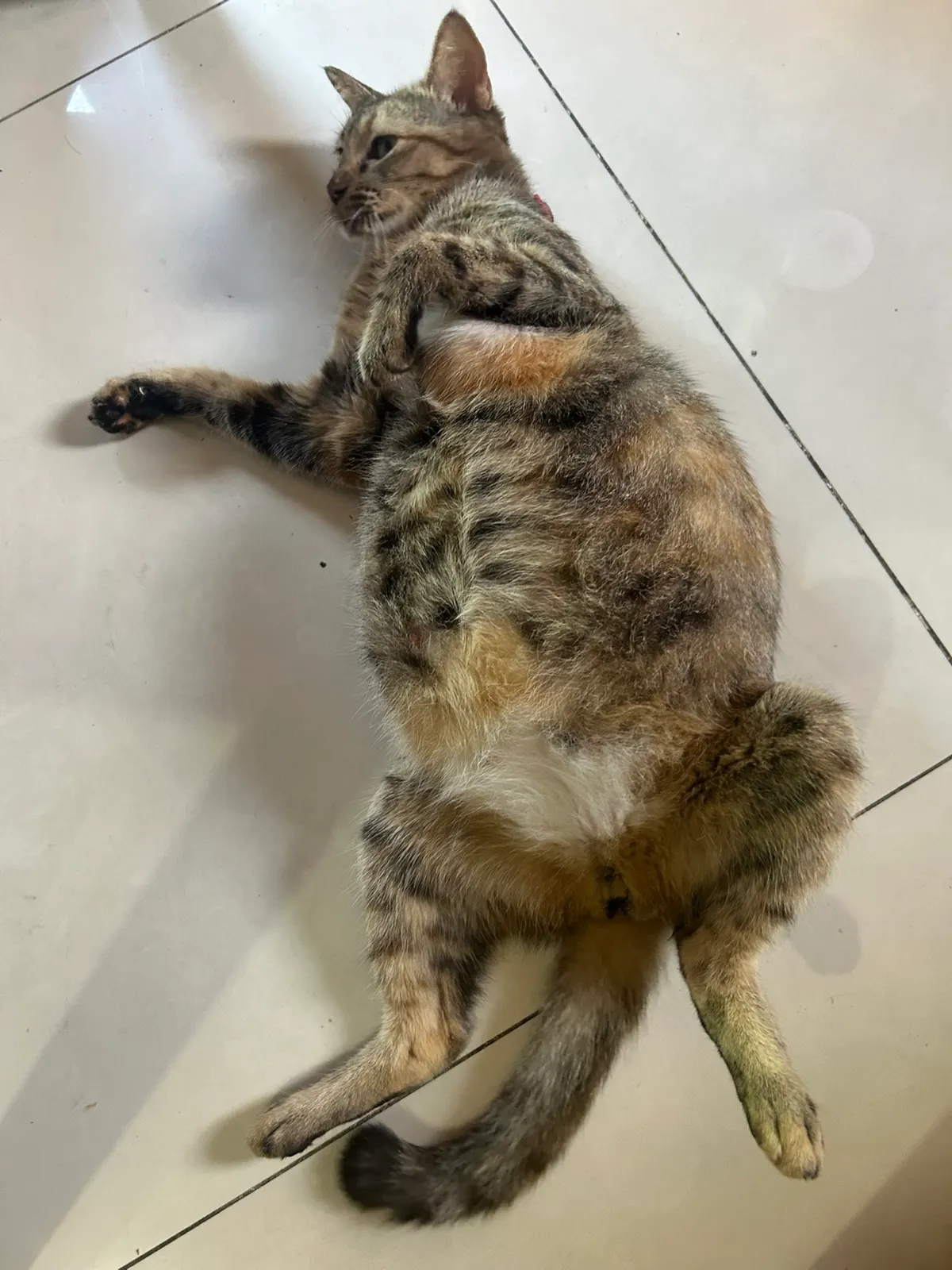
- Coat and skin: soft, with no bald patches, scabs or black specks of flea dirt near the tail.
- Belly: soft, not hard or swollen, which can be a sign of worms.
- Bottom: clean, with no sign of diarrhoea.
- Breathing: quiet and easy.
One small problem does not always mean a sick kitten, but you should know about it before you pay. Ask the seller, and ask a vet if you are unsure.
Questions to ask the seller
- How old is the kitten, and when was it born?
- Can I see the mother?
- Has it been vaccinated and dewormed? Can I see the record with dates?
- What does it eat, and does it use a litter tray?
- Has it lived with children, dogs or other cats?
A kitten should not leave its mother before 8 weeks, and many breeders keep kittens until about 12 weeks. A seller who offers a younger kitten, will not show the mother or asks for money before you have seen the kitten is a warning sign. Our guide to buying a pet safely explains what to check before you pay.
How to tell a kitten's age by its teeth
Teeth are the best clue when nobody knows a kitten's birthday. Kittens have 26 milk teeth and adult cats have 30. The ages below are typical ranges from veterinary references, and each kitten varies a little.
| Age | What you see in the mouth |
|---|---|
| Under 2 weeks | No teeth yet |
| 2 to 4 weeks | Tiny front teeth (incisors) come through |
| 3 to 4 weeks | Pointed milk fangs (canines) appear |
| 5 to 6 weeks | Milk teeth at the sides (premolars); the milk set is complete |
| About 4 months | Adult front teeth start to replace the milk teeth |
| 4 to 6 months | Adult fangs and back teeth come through |
| About 7 months | All 30 adult teeth are usually in place |
A kitten with all its milk teeth and no adult teeth is usually between 6 weeks and 4 months old. A vet can narrow that down.

Other clues to a kitten's age
- Eyes. Kittens are born with their eyes closed. The eyes open at about 1 to 2 weeks, and they are blue at first. Adult eye colour starts to show from about 6 to 8 weeks.
- Ears. Folded at birth, standing up by about 3 weeks.
- Movement. Wobbly first steps at about 3 weeks, running, climbing and playing by 6 to 8 weeks.
- Weight. Many kittens weigh about 1 kg at 8 weeks. Breed and diet change this, so use it with the teeth, not alone.

The first week at home
- Start in one room. Give the kitten one quiet room with its bed, tray, food and water. Let it explore the rest of the home over a few days.
- Kitten-proof the home. Hide cables, keep the washing machine door and the toilet lid closed, and keep windows and balconies shut or netted. Lilies are poisonous to cats, so keep them out of the house. Never give a kitten human medicine.
- See a vet in the first week. The vet checks the kitten and sets its vaccination, deworming and flea plan, and can talk about a microchip and neutering. Kitten vaccines usually start at 6 to 8 weeks and repeat every 3 to 4 weeks until about 16 weeks, but your vet sets the exact plan. In Pakistan you can find a vet clinic by city.
- Go slowly with other pets. Introduce a resident cat or dog by scent first, then with short meetings you supervise.
To introduce it to other pets, follow our week by week introduction plan, and see our cat vaccination schedule for every shot.
Where to find kittens for sale
Browse cats and kittens for sale on Pets Bazar. Readers in the United States and Kuwait can switch to their own country's ads with the country picker on the site. Every ad shows the seller's city, and you can chat with the seller before you visit. Once your kitten settles in, our cat care guide covers everyday care.












Frequently asked questions
What do I need to buy before bringing a kitten home?
A carrier, a low litter tray and litter, kitten food, food and water bowls, a bed, a scratching post, a few safe toys, a comb and some form of ID. Buy them before the kitten arrives so its first day is calm.
How can I tell how old a kitten is?
Look at its teeth. Tiny front teeth come through at about 2 to 4 weeks, milk fangs at 3 to 4 weeks, adult front teeth from about 4 months and the full adult set by about 7 months. A vet can give a closer estimate.
How old should a kitten be before it leaves its mother?
At least 8 weeks, and many breeders keep kittens until about 12 weeks. By then a kitten eats solid food, uses a litter tray and has usually had its first vaccination.
What are the signs of a healthy kitten?
Bright, clear eyes, a clean nose and ears, pink gums, a soft coat with no bald patches or fleas, a soft belly, a clean bottom and quiet breathing. A healthy kitten is curious and playful.
When should a new kitten see a vet?
Within the first week at home. The vet checks its health and sets its vaccination, deworming and flea plan. Kitten vaccines usually start at 6 to 8 weeks, but your vet sets the exact schedule.