Cat Vaccination Schedule in Pakistan: Kitten Shots and Adult Boosters
When kittens get their first shots, what the three-in-one vaccine covers, rabies, adult boosters and a simple deworming plan for cats in Pakistan.
By Pets Bazar Editorial Team, Editors · Published · 5 min read
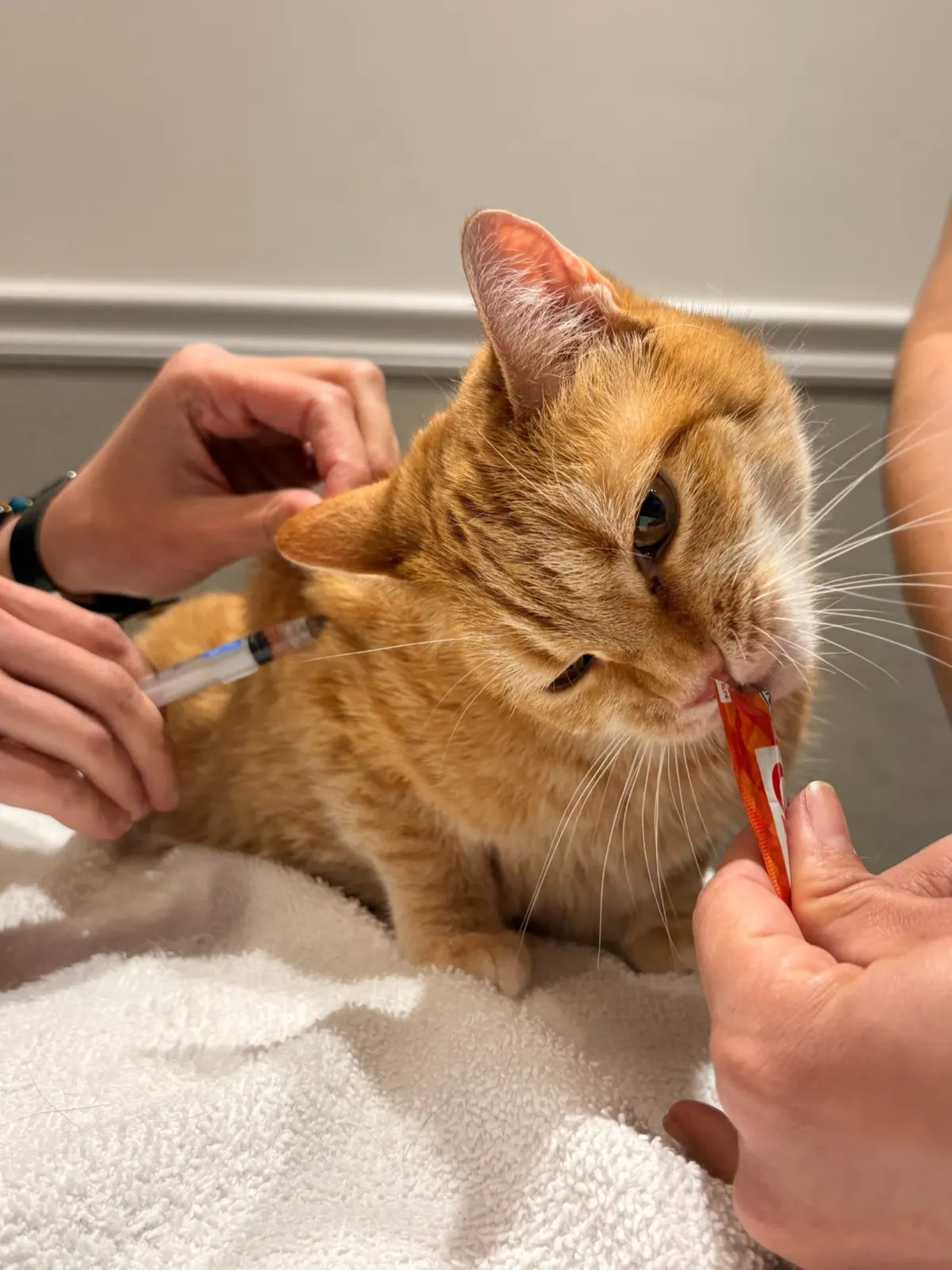
Most kittens in Pakistan start their vaccines at 6 to 8 weeks old. They get a three-in-one shot every 3 to 4 weeks until they are at least 16 weeks old, plus a rabies shot from about 12 weeks. Adult cats then need boosters every 1 to 3 years. Deworming runs alongside the shots.
This guide explains each step in plain words. It is a typical plan, not a prescription. Your vet sets the exact schedule for your cat.
The core vaccines every cat needs
Vets split cat vaccines into two groups. Core vaccines are for every cat. Non-core vaccines depend on how the cat lives.
- The three-in-one vaccine. One injection that protects against three diseases: feline panleukopenia (cat distemper), feline herpesvirus and feline calicivirus. On a vaccination card it is often written as FVRCP. Panleukopenia kills many young kittens, and the other two cause cat flu, with sneezing, runny eyes and mouth ulcers.
- Rabies. Rabies is present in Pakistan and can pass to people through a bite or scratch, so vets here treat it as a core shot for cats too.
- Feline leukaemia (FeLV). A non-core vaccine. Vets often advise it for kittens and for cats that go outside or live with other cats. The cat is usually tested before the first dose.
An indoor cat still needs the core vaccines. The panleukopenia virus lasts a long time outside the body and can come in on shoes and clothes.
Kitten vaccination schedule
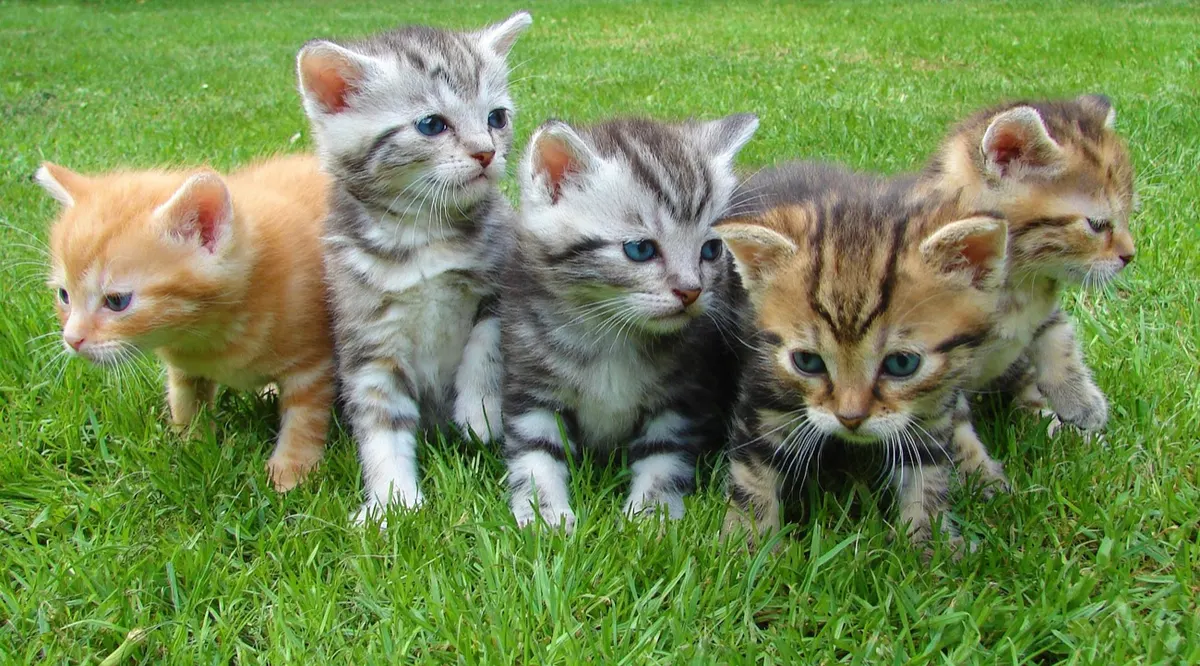
A kitten gets some protection from its mother's milk, but this fades over the first few months and can block a vaccine while it lasts. That is why kittens get several doses, and why the last one comes at 16 weeks or later.
| Age | Usual shot | Notes |
|---|---|---|
| 6 to 8 weeks | Three-in-one, first dose | Health check and deworming |
| 10 to 12 weeks | Three-in-one, second dose | FeLV first dose if your vet advises it |
| From 12 weeks | Rabies | One dose for a kitten |
| 14 to 16 weeks | Three-in-one, last kitten dose | The last dose should be at 16 weeks or later |
| 6 to 12 months | Three-in-one booster | Many vets now give it at about 6 months |
| 1 year after the first rabies shot | Rabies booster | Then on your vet's plan |
The gap between doses is usually 3 to 4 weeks. A kitten that starts late, or comes from the street, may need a slightly different plan.
Adult boosters
After the first year, the three-in-one booster is given every 1 to 3 years. A cat that lives alone indoors may need it less often than one that goes outside, boards at a cattery or lives with many cats. The rabies booster is given every 1 or 3 years, depending on the vaccine your vet uses.
If you miss a booster, do not panic. Call your vet. Often one catch-up dose is enough, but a long gap may mean restarting the course.
Cat deworming schedule
Worms are common in kittens, and many pick up roundworms from their mother's milk. A typical plan looks like this:
- Kittens: every 2 weeks from about 3 weeks to 8 weeks old, then monthly until 6 months.
- Adults: about every 3 months. Cats that hunt or go outside may need it more often.
- New cat: deworm on arrival, after a vet check.
Many vets like a kitten to be dewormed and healthy before its first shot. Flea control matters too, because fleas spread tapeworms. Use only a dewormer or flea product made for cats, at your vet's dose. Some dog products are dangerous to cats.
Before and after the injection
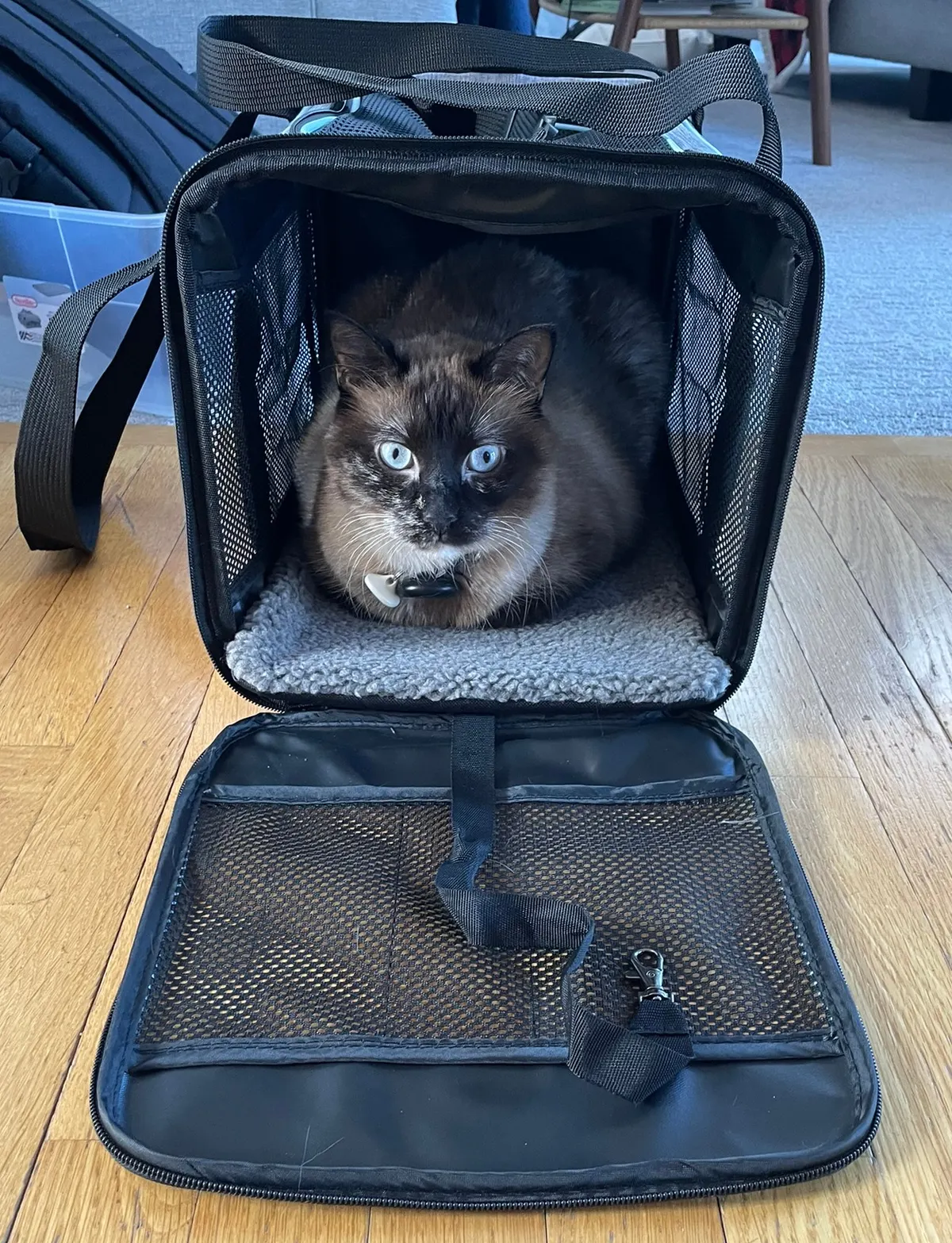
Take your cat in a closed carrier, not in your arms. Leave the carrier open at home for a few days before the visit so it smells familiar. A vet will usually wait if the cat has diarrhoea, a fever or is unwell on the day.
After a shot, a cat may be quiet, eat less or have a sore spot for a day or two. That is normal. A small lump where the needle went in is also common. Show your vet if the lump lasts more than three months, grows larger than 2 cm or is still growing a month after the shot.
The vaccination card
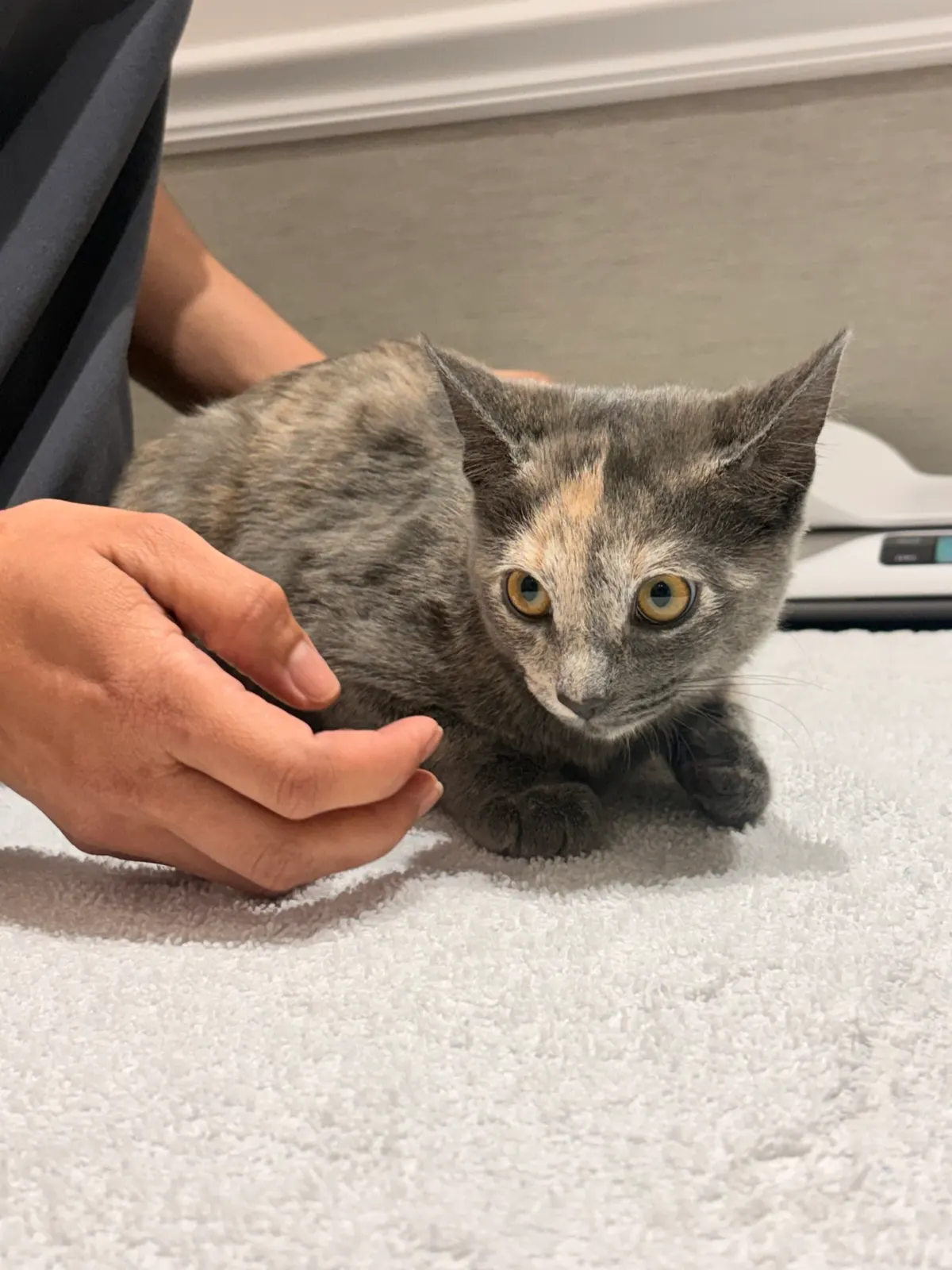
Every shot should go on a vaccination card or in a booklet. A good card shows the date, the vaccine given (often with the sticker from the vial), the vet's name or stamp and the date the next dose is due. Keep it safe. You will need it at every visit, and it shows the next owner what was done.
When you buy a kitten, ask the seller for this card. A kitten of 12 weeks should normally have had at least one or two shots and several dewormings. If there is no card, treat the kitten as unvaccinated and start the course with your vet. Our cat care guide covers the rest of a new cat's first weeks, and the Persian cat guide covers the questions to ask about a Persian kitten.
Cost and finding a vet
The cost of vaccines varies by clinic, city and the vaccine used. Ask what the full kitten course includes, so you compare like with like. You can find vets near you on our clinics page. Our new kitten checklist covers the first week at home, and our cat heat and pregnancy guide explains what to watch for as a female kitten grows up.
Where to find cats and kittens for sale
Browse cats for sale across Pakistan, look at Persian cats, or see cats for sale in Lahore. Every ad shows the seller's city, and you can chat with the seller about the kitten's vaccination card before you visit.







Frequently asked questions
At what age should a kitten get its first vaccine?
Most kittens get their first three-in-one shot at 6 to 8 weeks old, then another dose every 3 to 4 weeks until they are at least 16 weeks old. Your vet sets the exact dates.
What is the three-in-one cat vaccine?
It is one injection that protects against three diseases: feline panleukopenia, feline herpesvirus and feline calicivirus. Vets often write it as FVRCP on the card. It is a core vaccine for every cat.
Does an indoor cat need vaccines?
Yes. The panleukopenia virus lasts a long time outside the body and can come into the house on shoes and clothes. Rabies is present in Pakistan, and indoor cats do slip outside. Ask your vet which shots suit your cat.
How often should I deworm my cat?
A common plan is every 2 weeks from about 3 weeks to 8 weeks old, then monthly until 6 months, then about every 3 months for adults. Cats that hunt or go outside may need it more often. Your vet will advise.
How much does cat vaccination cost in Pakistan?
The cost varies by clinic, city and vaccine. Call two or three clinics and ask what the full kitten course includes, so you compare the same thing.