Domestic Cats vs Wild Cats: Differences, Facts and Behaviour
How domestic cats differ from wild cats in size, diet, behaviour and habitat, what they share, and why a wild cat should never be kept as a pet.
By Pets Bazar Editorial Team, Editors · Published · Updated · 5 min read
A domestic cat and a tiger share a family, but not a way of life. Both are meat eaters with sharp senses and a hunter's instincts. The difference is how they live: a house cat depends on people, while a wild cat must find its own food, water and territory.
What is a domestic cat?
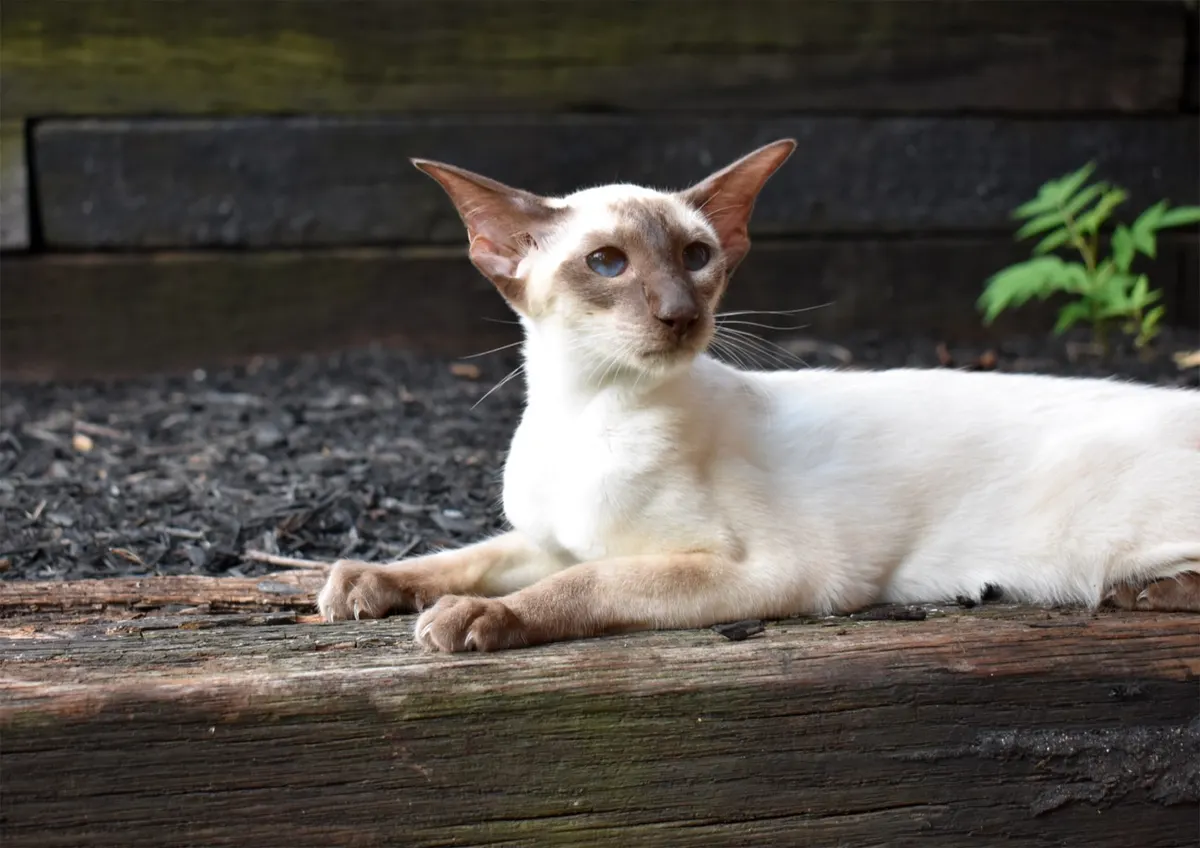
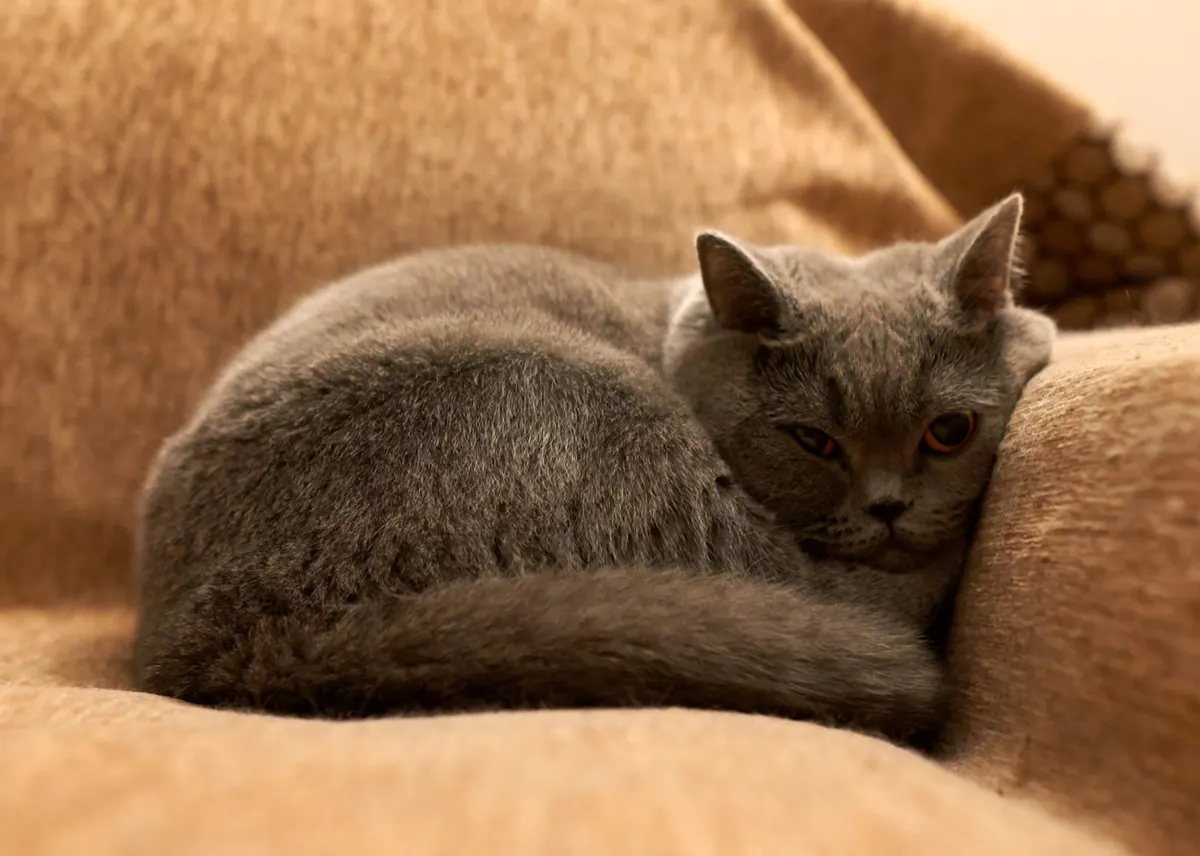
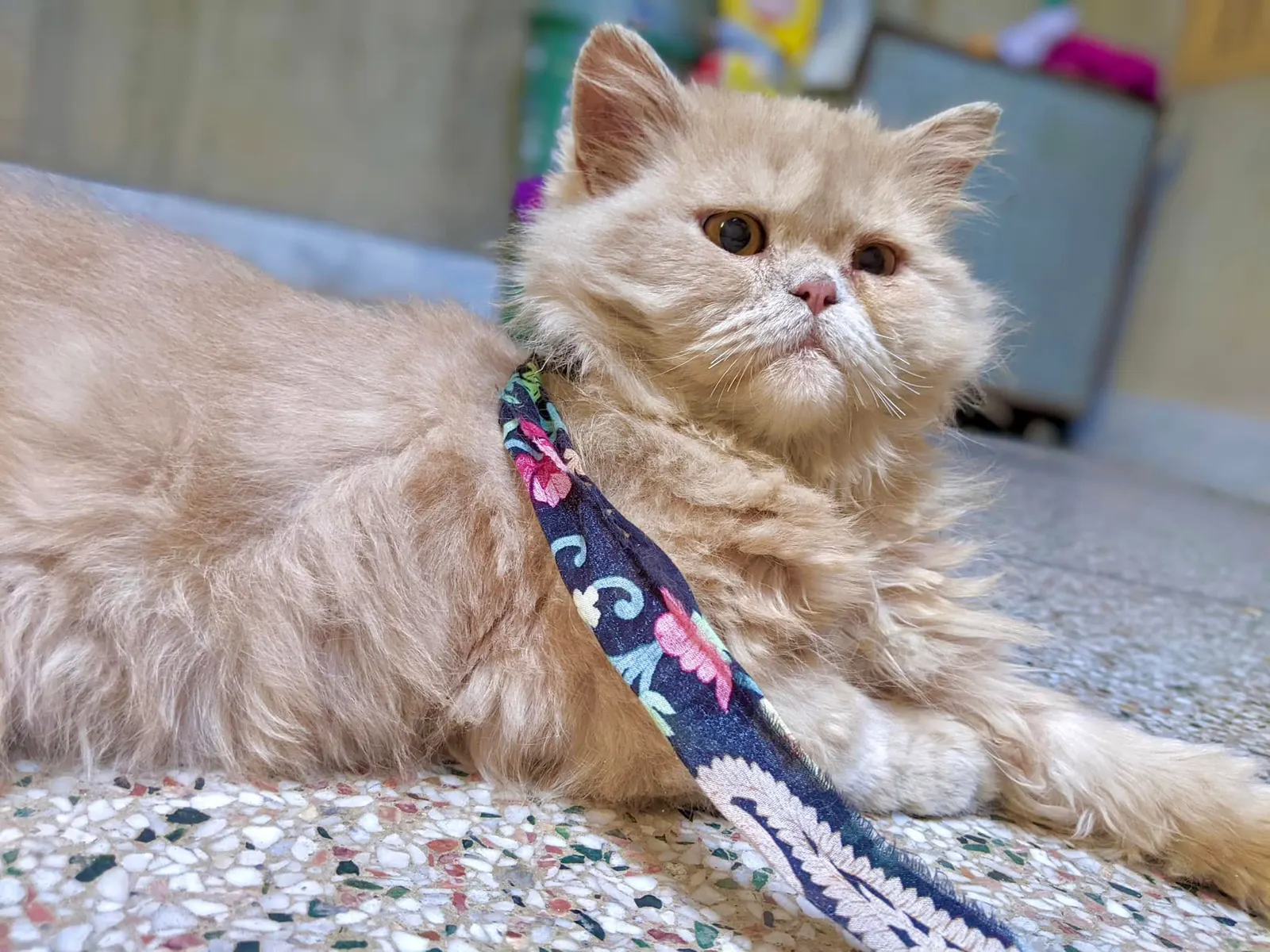
The domestic cat (Felis catus) descends from the African wildcat and has lived with people for thousands of years. Most weigh about 3 to 6 kilograms, and many live 12 to 18 years. They come in many breeds and coats, from the Persian and Siamese to the ordinary house cat.
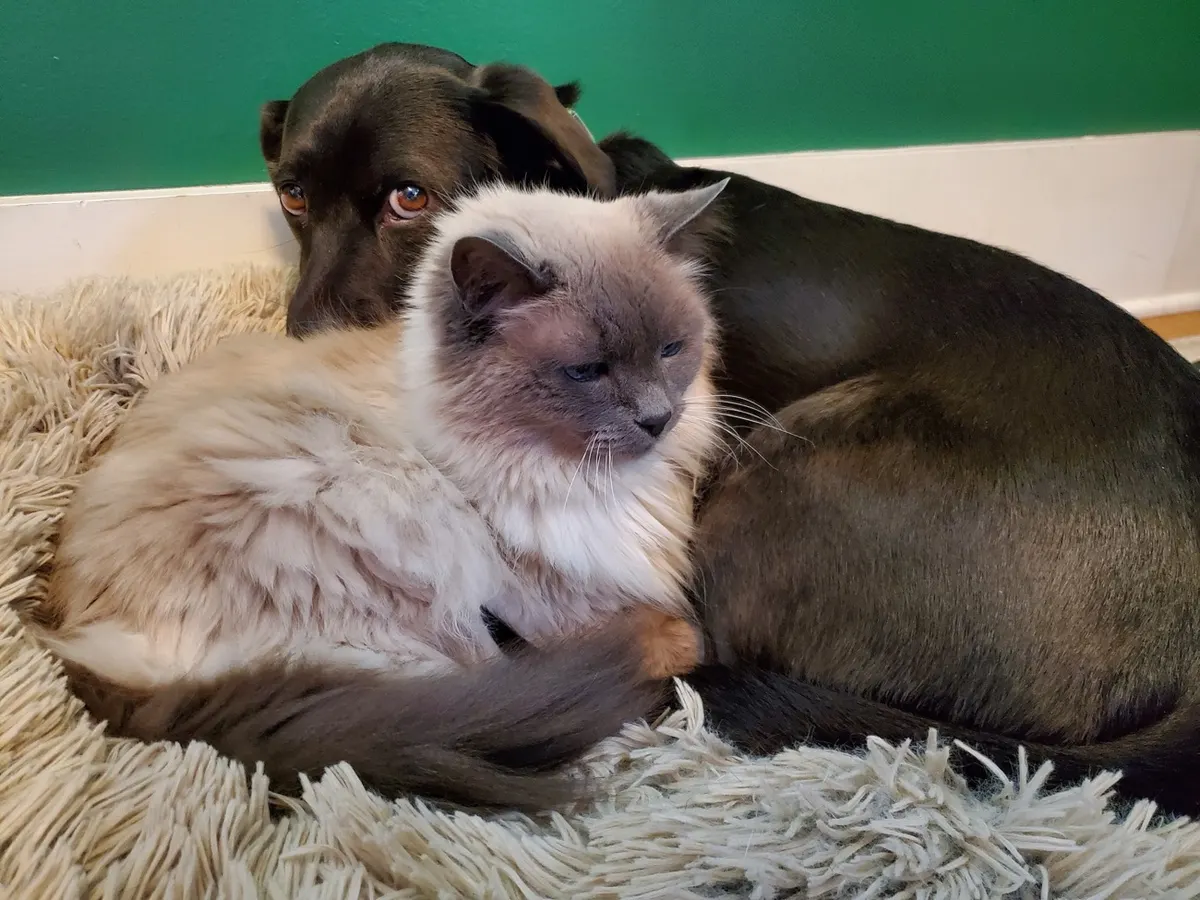
A pet cat depends on its family for food, shelter and vet care. Stray and outdoor cats depend on people less, but they still live close to them.
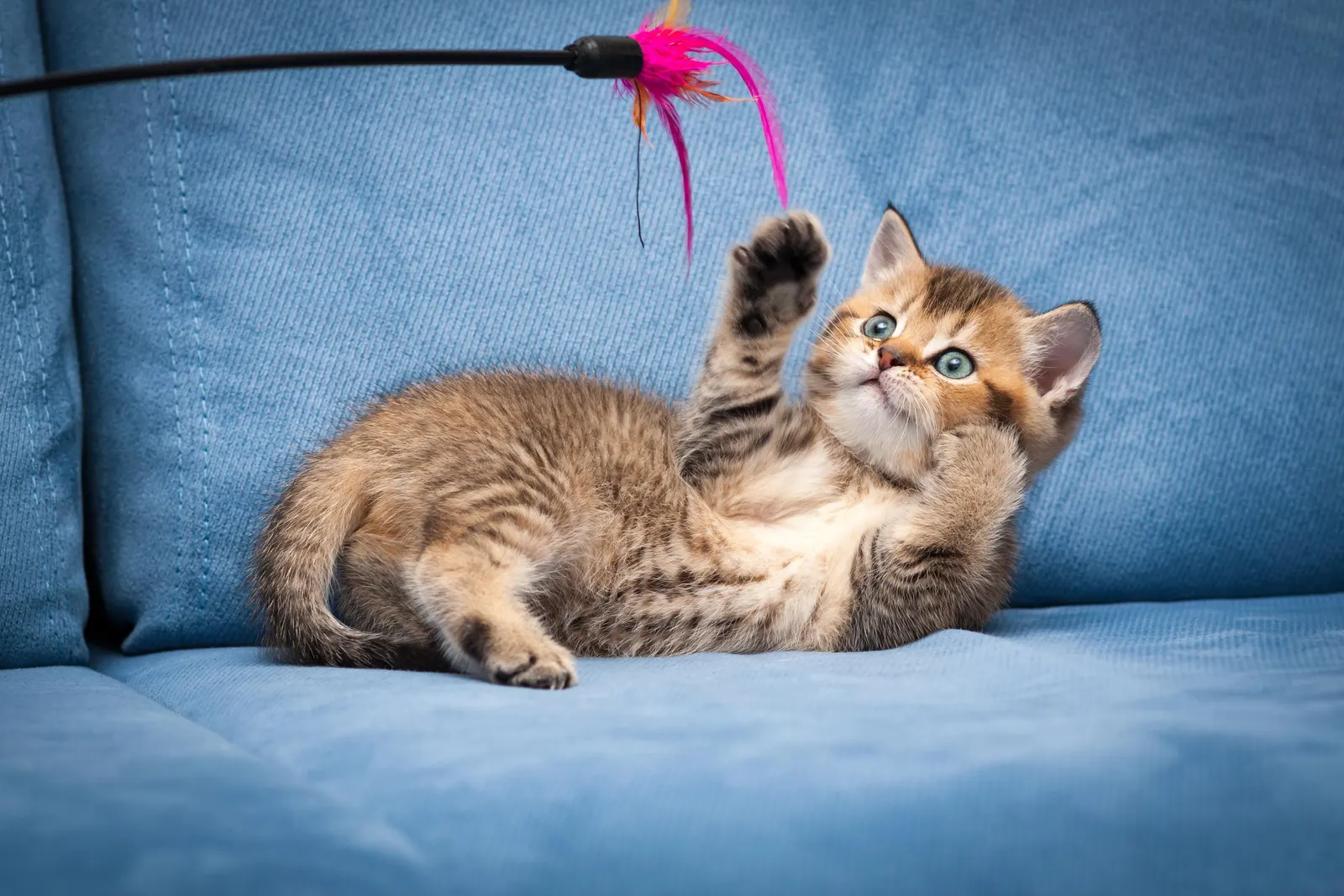
Hunting has not gone away. Even a well-fed cat will stalk a toy, crouch and pounce. This is instinct, not hunger.
What are wild cats?
Wild cats are members of the cat family that live in nature and survive without people. Some are huge, and some are no bigger than a house cat. They live in forests, grasslands, deserts, mountains and wetlands.
- Tiger: the largest cat. It can weigh well over 100 kilograms and hunts large prey in Asia. About three quarters of the world's wild tigers live in India, which counted 3,682 in 2022.
- Lion: the most social big cat, living in groups called prides. It is found in Africa and in one small area of India, in and around the Gir forest of Gujarat.
- Leopard: a strong climber that adapts to many habitats, including hills and scrub in Pakistan.
- Cheetah: a light, long-legged sprinter built for speed in open land.
- Snow leopard: a mountain cat of Central and South Asia, found in the northern mountains of Pakistan.
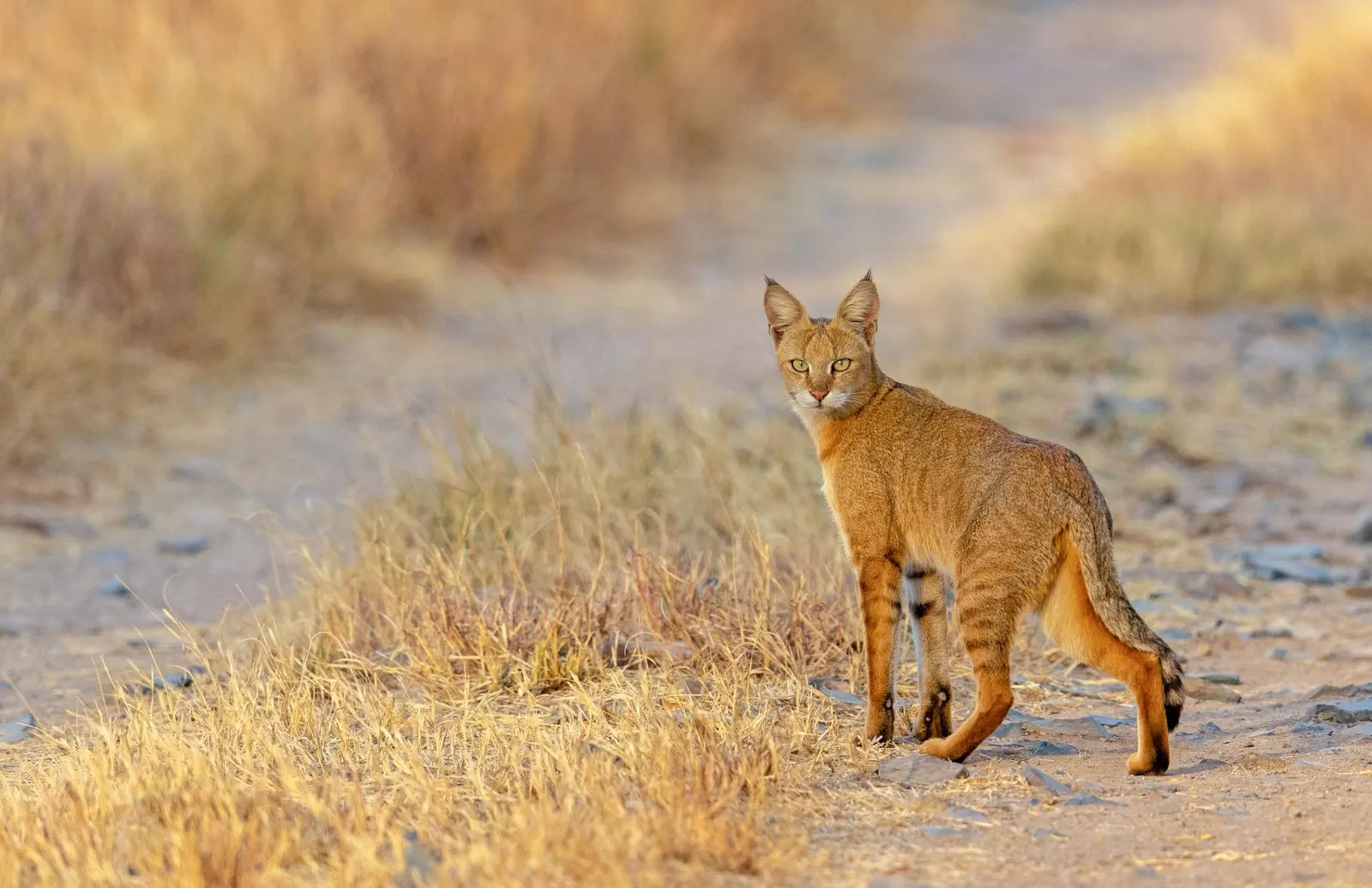
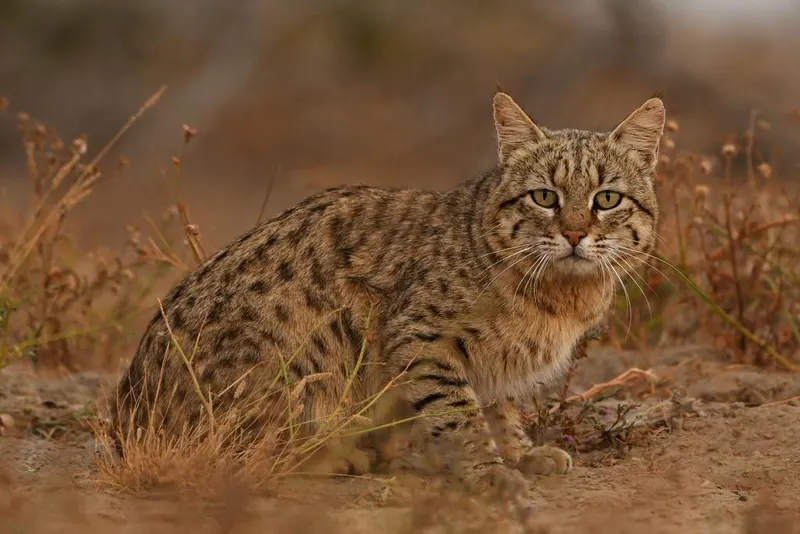
- Wildcats and small cats: the jungle cat, the sand cat and the African wildcat look more like house cats, but they are wild animals.
The main differences
These are general patterns, and there are exceptions.
- Home: domestic cats live in houses, farms and towns. Wild cats live in natural habitats.
- Food: a pet cat eats cat food and any prey it catches. A wild cat eats only what it hunts.
- Hunting: for a house cat it is mostly play and instinct. For a wild cat it is survival.
- Size: house cats are small. Wild cats range from small wildcats to very large predators.
- Social life: house cats can bond with people and with other cats. Most wild cats live alone.
- Main risks: house cats face accidents, disease and poor care. Wild cats face habitat loss, a shortage of prey and conflict with people.
Some house cats live wild, and a few wild cats get used to people. The needs of each stay the same.
What they share
Domestic and wild cats are closer than they look.
- Senses: both see well in dim light, but not in total darkness. Both hear very well.
- Teeth and claws: sharp teeth for cutting meat and sharp claws for gripping. Cheetah claws only partly pull back, which helps them grip the ground when they run.
- Scent: both mark territory and send messages with scent.
- Stalking: both creep, crouch and pounce in the same way.
Wild cats often have spots or stripes that hide them. House cats can have striking coats too, but these come partly from selective breeding.
What do they eat?
Both are obligate carnivores, which means they need nutrients that come from animal tissue. A wild cat hunts prey that suits its size and habitat. A small wildcat may eat rodents and birds, while a tiger can take much larger animals.
A pet cat needs a complete cat food that suits its age. Meat alone is not enough without proper planning, and a house cat should never be fed like a tiger. Give fresh water every day. Onions, garlic and chocolate can be toxic to cats.
For the full daily routine, read our cat care guide.
Could a house cat live in the wild?
Some cats do survive outdoors, especially where food and shelter exist. Stray and feral cats can even raise kittens. But life is hard: traffic, heat, cold, disease, parasites and injuries are daily dangers. A cat raised indoors is at special risk if it is suddenly left outside.
Never release a cat into the wild, and never abandon one. Rehome it responsibly instead. Free-roaming cats also hunt birds and other small wildlife, so a secure garden or balcony enclosure is a good middle way.
Can wild cats be kept as pets?
No. A wild cat keeps its instincts, strength and diet needs, however it is raised. Large cats can seriously injure people, and even small wild cats have needs that a home cannot meet. Keeping wild cats is restricted or banned by wildlife laws in many places, and buying a cub can feed illegal wildlife trade.
If you love wild cats, support a reputable sanctuary or conservation group. If you want a cat at home, choose a domestic one, from a rescue or from a responsible seller. You can see cats for sale on Pets Bazar.
Why wild cats matter
Wild cats keep nature in balance. They control the numbers of their prey and shape how other animals behave. Many are under pressure from habitat loss, poaching, fewer prey animals, road deaths and conflict with people. Snow leopards and leopards in northern Pakistan are among them.
Five quick facts
- House cats descend from the African wildcat, not from lions or tigers.
- The cheetah is the fastest land animal, reaching about 100 kilometres per hour in short sprints.
- The lion is the most social of the big cats, living in groups called prides.
- Not every big cat roars. Lions, tigers and leopards do, but snow leopards and cheetahs do not, and house cats purr and meow.
- Many house cats sleep 12 to 16 hours a day.
Frequently asked questions
What is the main difference between a domestic cat and a wild cat?
The main difference is the way they live. A domestic cat has adapted to life with people and depends on them for food, shelter and care. A wild cat survives in nature without human help, by hunting its own prey.
Is a domestic cat related to lions and tigers?
Yes. House cats, lions, tigers, leopards and cheetahs all belong to the cat family, Felidae. They share distant ancestors, but they are different species, and a house cat is not simply a small tiger.
Are wild cats more aggressive than domestic cats?
Not always. Behaviour depends on the species, the situation and the animal. But a wild cat is not tame, and it can be dangerous when it is frightened, hungry, cornered or kept in a cage.
Do domestic cats have the same instincts as wild cats?
Yes, many of them. House cats still stalk, pounce, scratch, groom and mark with scent. Domestication changed how they behave around people, but it did not remove these instincts.
Should a domestic cat be allowed to roam outdoors?
It is risky. A roaming cat can meet traffic, disease, fights and parasites, and it can harm birds and other small wildlife. Indoor life with play and a secure balcony or garden enclosure is safer.