Introducing a New Kitten to Your Cat or Dog: A Week by Week Plan
How to introduce a new kitten to your cat or dog: a separate room, scent swapping, short supervised meetings and the signs that tell you to slow down.
By Pets Bazar Editorial Team, Editors · Published · 5 min read
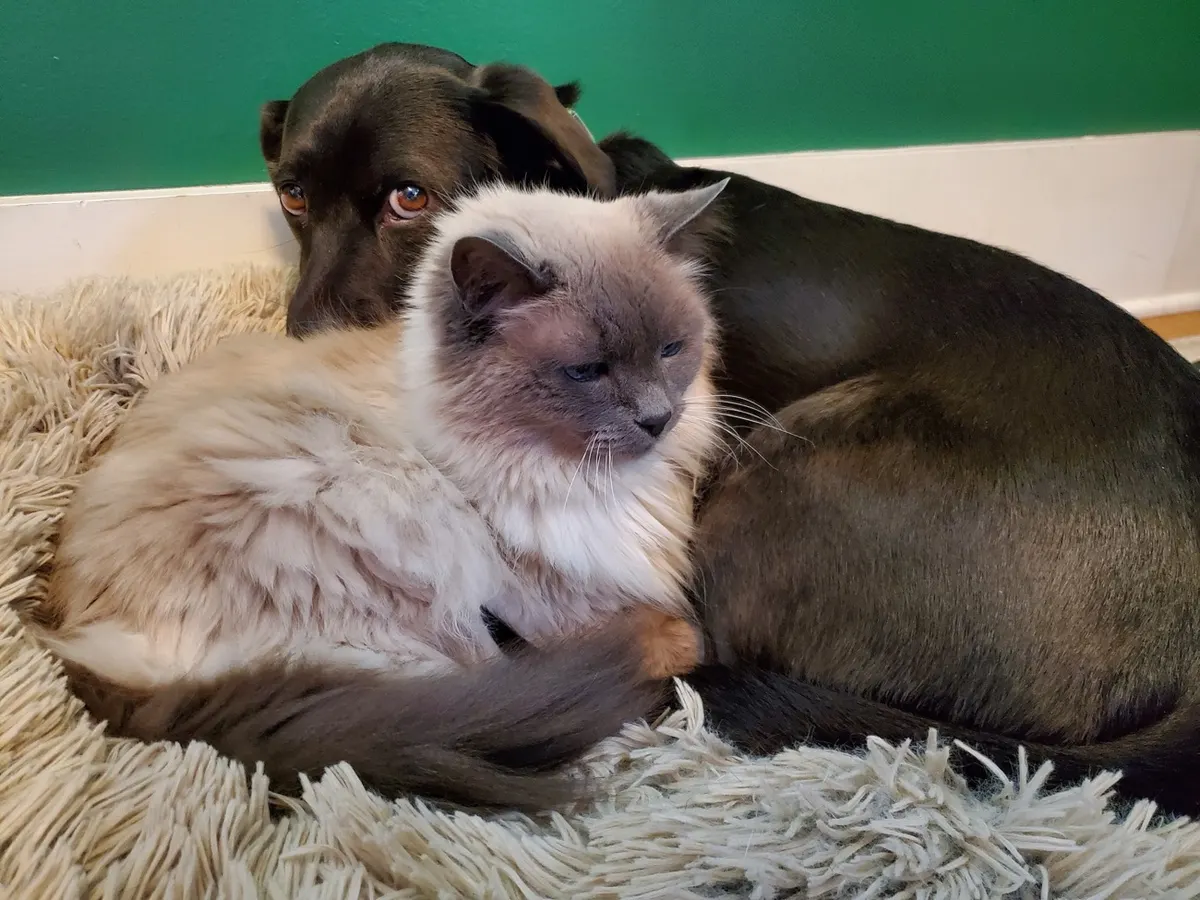
The safest way to introduce a new kitten to your cat or dog is slowly: a separate room first, then scent, then sight, then short meetings you supervise. Rushing is the most common reason introductions fail. Most homes need two to four weeks, and some need longer.
The plan below is a rough guide. Move to the next stage only when both animals are relaxed at the current one, and go at the pace of the more nervous animal.
Before the kitten comes home
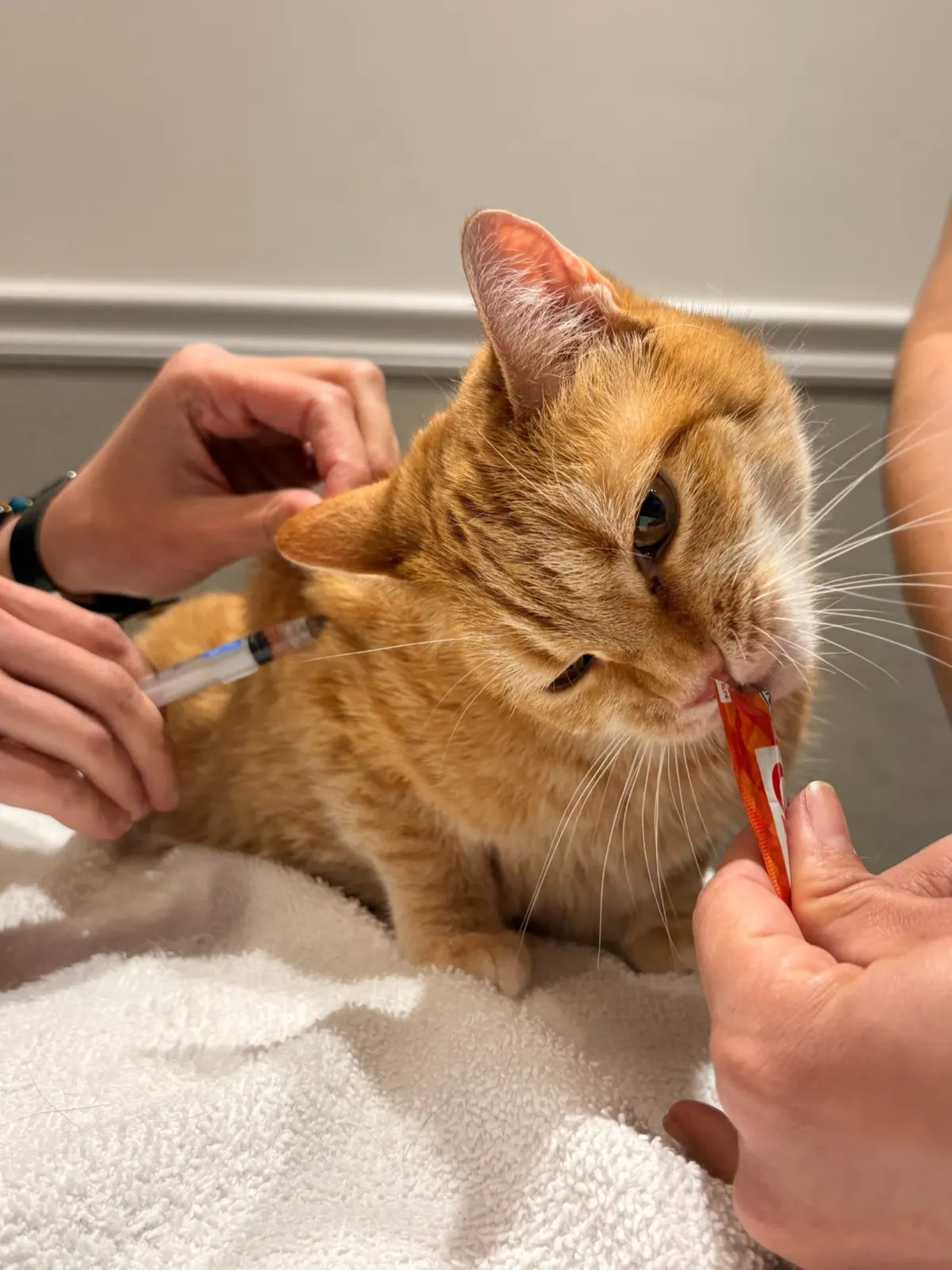
Get a vet check for the kitten as early as you can: a general health check, deworming and flea treatment. Make sure your resident cat or dog is up to date with its vaccines too. Kittens can carry fleas, worms and infections, so ask your vet which tests make sense before the animals share space.
Then choose a quiet room as the kitten's base. A spare bedroom or a study works well. Put in:
- a litter tray, away from the food
- food and water bowls
- a bed and a cardboard box or covered bed to hide in
- a scratching post and a few toys
Kittens usually go to a new home at eight weeks or older, and many breeders keep them until about twelve weeks. A kitten that has stayed with its mother longer has learned more cat manners, which helps when it meets your cat.
Week 1: a room of its own and scent swapping
Keep the kitten in its room. Your resident pet keeps the rest of the house, with its normal routine, meals and attention. Spend time with your older pet first when you come home, so it does not feel pushed aside.
Cats know each other by smell before anything else. Gently rub a clean cloth on the kitten's cheeks and leave it near your cat's bed, and do the same the other way round. Swap blankets or bedding every day or two. A sniff and a walk away is a good result. Hissing at the cloth is normal at this stage.
Week 2: room swaps and meals at the door
Let the kitten explore the house for short spells while your resident pet waits in another room. Then let your cat sniff around the kitten's room. This spreads both scents through the home.
Feed both animals on either side of the closed door, starting with the bowls well apart and moving them closer over several meals. Eating near each other's smell links the newcomer with something good. If either animal stops eating, move the bowls back.
Week 3: first meetings you supervise
When both animals eat calmly at the door, let them see each other. A baby gate, a screen door or a door held open a few centimetres with a door stop works well. Keep sessions to a few minutes and reward calm behaviour with treats.
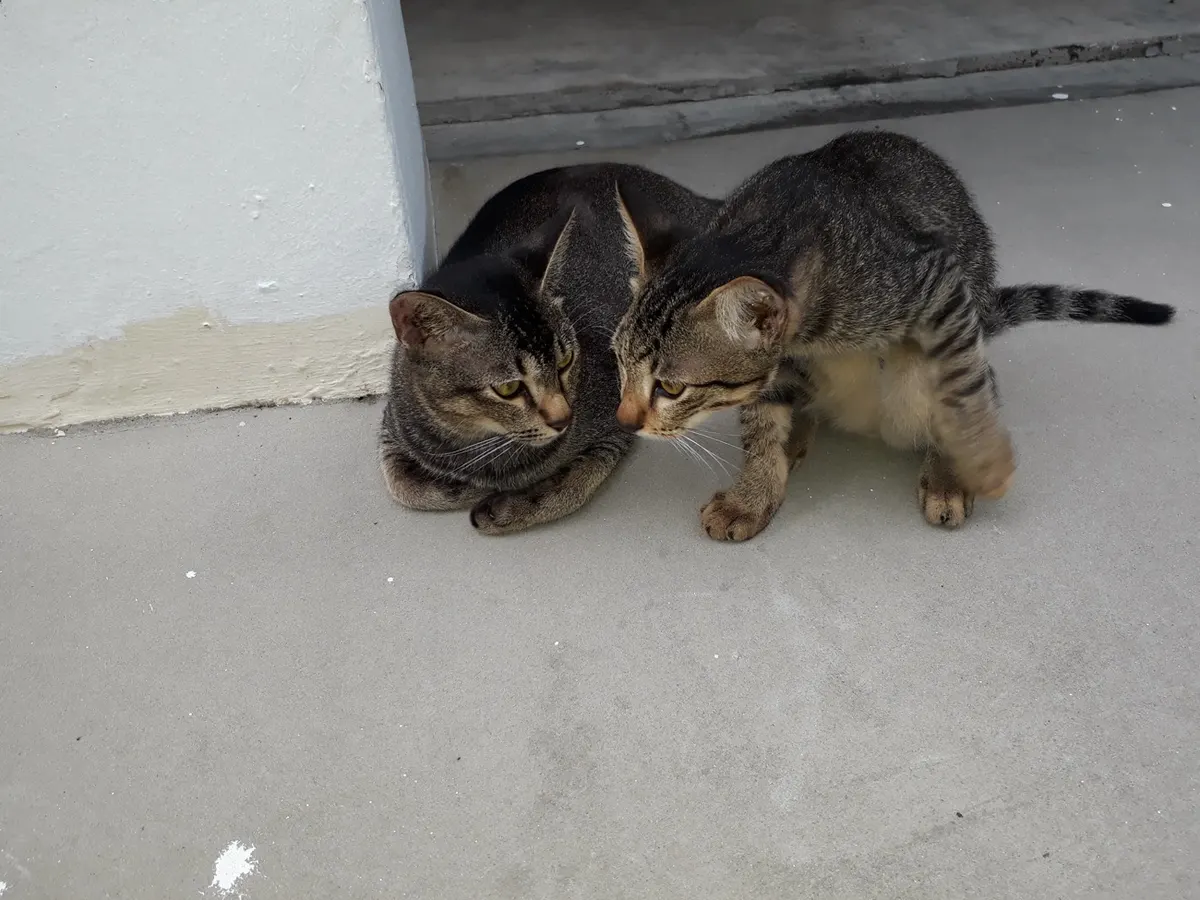
Next, let them share a room for short, supervised visits. Make sure there are high places and hiding spots so either one can leave. End each meeting while things are still calm, not after a fight.
Week 4 and after: more time together
Lengthen the visits step by step. Keep separate food bowls, water and litter trays in different spots. A common rule is one litter tray per cat plus one extra. Separate the animals when you are out until they have spent many calm days together.
Introducing a kitten to a dog

Follow the same scent and door stages, then add these rules:
- Keep the dog on a lead for the first meetings, and ask for a sit or a down.
- Reward the dog for looking at the kitten and then looking away.
- Never let the dog chase the kitten, even in play. A kitten is small and easy to hurt.
- Give the kitten high shelves and a dog free room, for example behind a baby gate the kitten can slip through but the dog cannot.
- Put the kitten's food and litter tray where the dog cannot reach them.
A dog that stares, freezes, whines or lunges at the kitten is not ready. Some dogs with a strong chase instinct may never be safe with cats. If your dog has hurt a small animal before, ask a vet or a qualified behaviourist before you bring a kitten home.
When your resident cat is older

A kitten has a lot of energy, and an older cat may find it tiring. Play with the kitten twice a day so it does not pounce on your older cat for fun. Give the older cat kitten free spaces, such as a high shelf or a room the kitten cannot enter, and keep its routine the same. If your older cat has a health condition, ask your vet whether a kitten is a good idea.
Signs to slow down
Hissing and a little growling in the first days are normal. Go back a stage if you see any of these:
- stalking, chasing or fighting that does not stop
- your cat hiding all day or avoiding the kitten's part of the house
- either animal not eating
- toileting outside the litter tray
If problems last more than a few weeks, speak to your vet. Pain or illness can make an animal less tolerant. You can find a vet through our clinics directory, and our cat care guide covers everyday care. Before the kitten arrives, use our new kitten checklist, and if you are still choosing, see the best cat breeds for families.
Where to find a kitten
Browse cats and kittens for sale on Pets Bazar, and read our guide to buying a pet safely before you pay. Ask the seller about the kitten's age, vaccinations and deworming, and whether it has lived with other cats or dogs. Readers outside Pakistan can switch to their own country's cat ads with the country picker on the site.










Frequently asked questions
How long does it take for a cat to accept a new kitten?
Often two to four weeks with a slow introduction, but some cats need two or three months. Go at the pace of the more nervous animal and never force a meeting.
Is it normal for my cat to hiss at the new kitten?
Yes. Hissing in the first days is a cat saying it needs space. Slow down if the hissing turns into stalking, swatting, chasing or fighting, or if your cat stops eating or using its litter tray.
Can I introduce a kitten to a dog safely?
Usually yes, if the dog is calm and responds to sit and leave it. Keep the dog on a lead for the first meetings, give the kitten high places and a dog free room, and never leave them alone together until you are certain they are relaxed.
Should the new kitten see a vet before meeting my other pets?
Yes. Have the kitten checked, dewormed and treated for fleas, and make sure your resident pets are up to date with their vaccines. Ask your vet which tests the kitten needs.
What if my older cat and the new kitten never become friends?
Some cats only learn to share a home calmly, and that is fine. Give each cat its own food, water, litter tray and resting places so neither has to compete.