How to Sell Kittens or Puppies Online Without Scaring Buyers Off
How to sell kittens or puppies online: when a litter is ready, the vet records buyers ask for, photos that build trust and a safe handover.
By Pets Bazar Editorial Team, Editors · Published · Updated · 5 min read

Selling a litter online goes well when buyers can trust what they see. Wait until the kittens or puppies are old enough, have the vet records ready, post your own clear photos and describe each animal honestly. Then answer questions quickly and let buyers meet the litter in person.
You can sell your pet for free on Pets Bazar.
Check the platform's rules first
Many large social sites and general marketplaces restrict or ban animal sales, and a post that breaks their rules can be removed without warning. Rules also change over time. Read the platform's rules before you post, and check whether your city or country needs a breeder licence, a microchip or a minimum selling age.
A pet classifieds site is built for this. On Pets Bazar, posting an ad is free, there is no commission when your pet sells, and buyers message you in the chat on your ad.
Wait until they are old enough
Puppies should stay with their mother until at least eight weeks old. Kittens do best with their mother until about 12 weeks. In those weeks they learn to eat, play and behave.
Some countries set a legal minimum age for selling puppies and kittens, often eight weeks. Check the current rule where you live.
Before an animal goes to a new home, it should:
- eat solid food on its own and drink water,
- have had its first vaccination and deworming, on your vet's schedule,
- use a litter tray, if it is a kitten.
You can post the ad a little before the litter is ready, as long as it states the date each animal can leave.
Get the vet records ready
Buyers will ask for proof, so have it before you post. Take the litter for a vet health check. Keep a vaccination card for each animal with the dates and the vet's stamp or signature, and a note of every deworming dose. If your country requires a microchip, have it done and keep the number.
Only write what you can show. "Vaccinated" with no card makes buyers doubt the rest of your ad. "First vaccination done, card with the date and vet's stamp" builds trust.
If you do not plan another litter, ask your vet about spaying the mother once her young are weaned.
Photos that show the real animal
Photos decide whether a buyer reads your ad. Take your own, never copied or stock photos. Buyers can search an image online in seconds.
- Use daylight near a window or outdoors, without flash or filters.
- Get down to the animal's eye level.
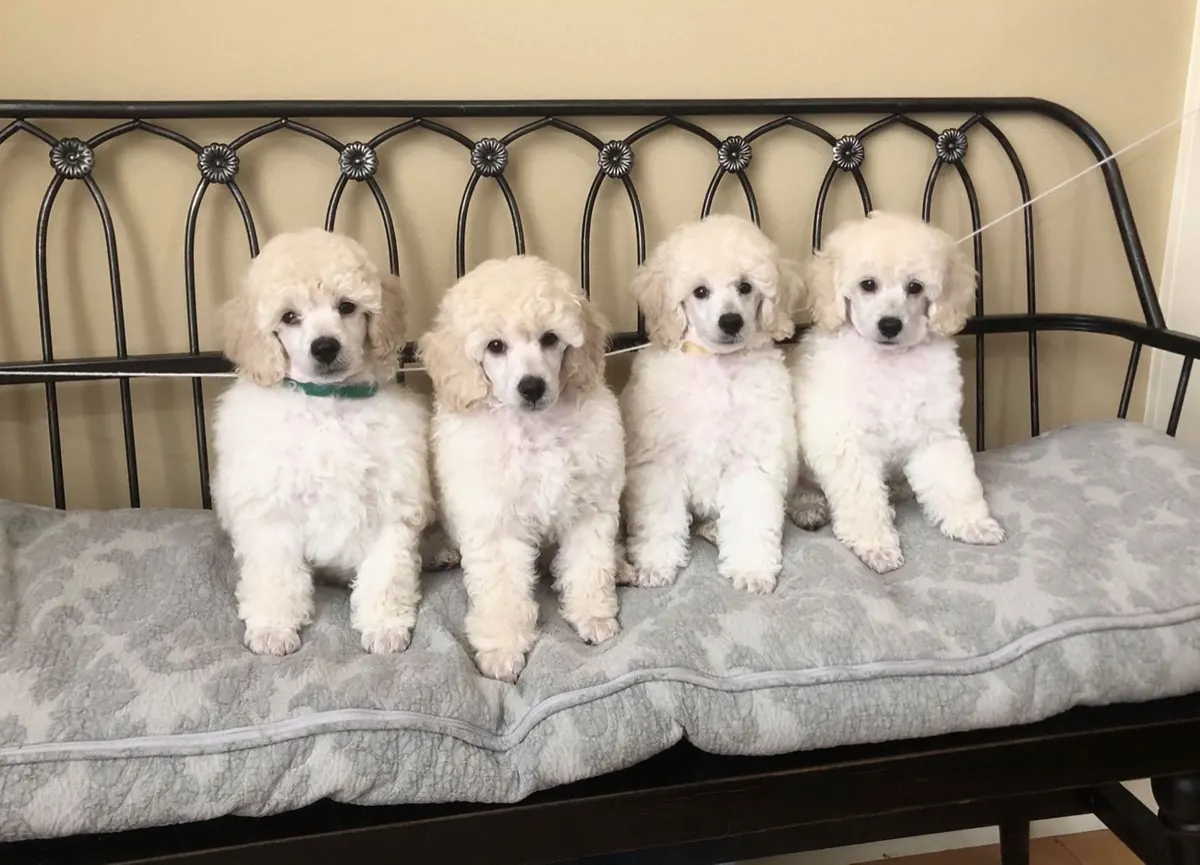
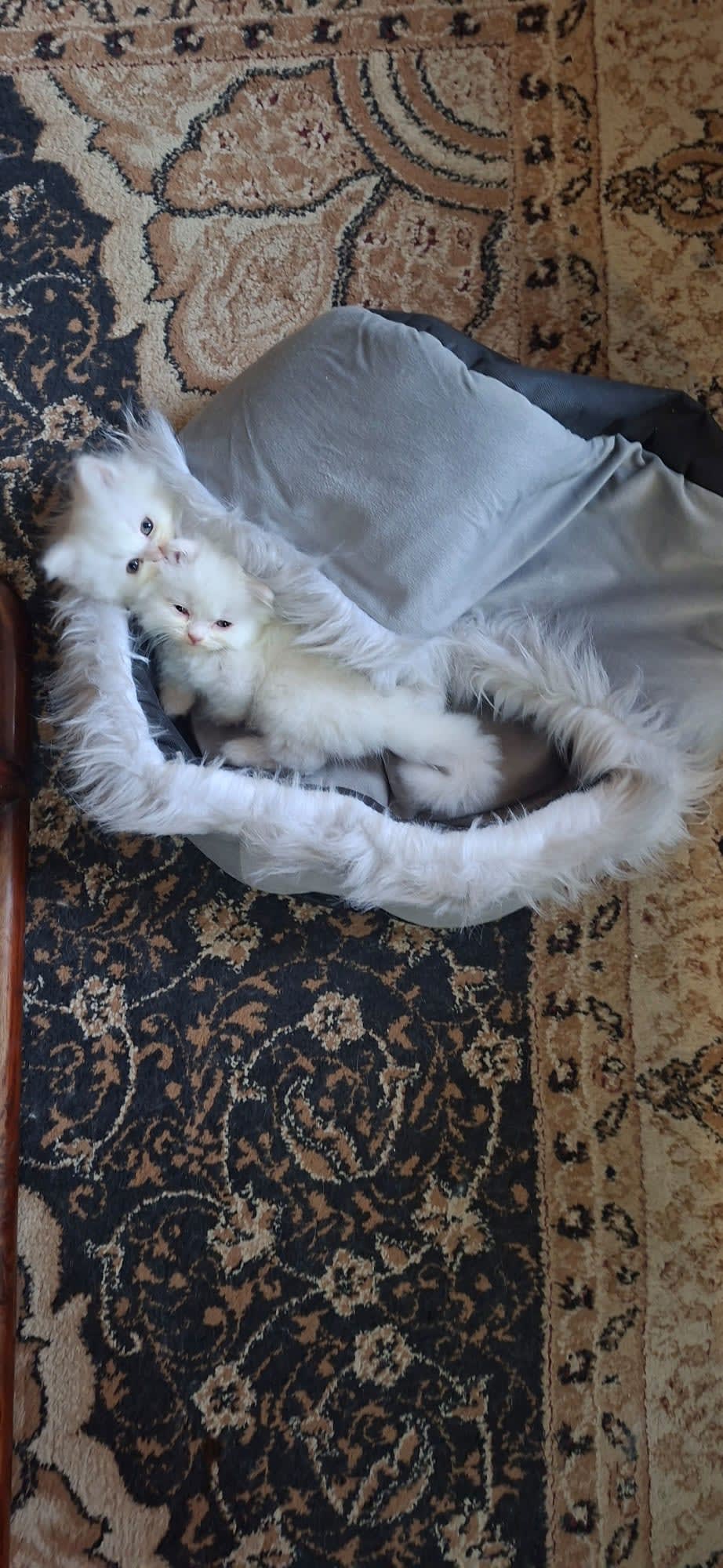
- Take one clear photo of each kitten or puppy, then one of the whole litter.
- Add a photo of the mother if you can. It shows the size and coat to expect.
- Keep the background plain and tidy.
On Pets Bazar the first photo becomes the cover, so put your clearest shot first. Many buyers also ask for a short live video call before they visit. Say yes, because it shows you really have the animals.
Write an honest description
Lead with the facts buyers would otherwise ask about one by one: species and breed (or "cross" if you are not sure), date of birth, the gender and colour of each animal, the date they can leave, vaccinations and deworming done, what they eat and your city. For Persian kittens, our Persian cat guide explains the coat and face words buyers search for.
Be honest about anything a buyer will notice anyway, such as a kink in a tail or a shy kitten. Small truths told early build trust. Small truths found later lose sales.
| What scares buyers off | What reassures them |
|---|---|
| Copied or blurry photos | Your own clear photos of each animal |
| "Pure breed" with no proof | Photos of the parents, and papers if you have them |
| "Vaccinated" with no card | A card with dates and the vet's stamp |
| Pressure to decide today | Time to ask questions and visit |
| An advance before viewing | Payment only when the buyer meets the animal |
Set a fair price by looking at similar ads near you first. What buyers pay varies by breed, city and the care already given.
One ad for the litter, or one per animal
A single ad for the whole litter is simpler, with one photo of each animal and a note of which are still available. Separate ads suit a litter where each animal has a different price or leaving date. Pets Bazar does not limit how many ads you post, so separate ads are always an option, but for a big litter one ad is often easier. Update the ad each time an animal goes home, and mark it as sold from your dashboard once the last one leaves.
Answering buyers and the handover
Reply quickly and politely. Ask your own questions too: where the animal will live, who is home during the day and whether they have kept a pet before. A good seller is choosing a home, not only taking payment.
Never ask a buyer for an advance before they have seen the animal, and do not hand over an animal on the strength of a payment screenshot. Wait until the money has reached your account, or take cash in person.
Invite buyers to meet the litter at your home with the mother present. At the handover, give the vaccination card, the deworming record, a few days of the food the animal is used to and your number for questions in the first weeks. Our guide to buying a pet safely shows what careful buyers check, so you can be ready for it. For photos and a safe handover, see how to sell a pet online, and for the mother cat's care, read cat in heat or pregnant.
Where to post your kittens or puppies
Post a free ad with your photos, details and city. To see how other sellers present their litters, browse cats for sale and dogs for sale. Buyers abroad also use country pages such as dogs in the United States, dogs in India and dogs in Kuwait. For everyday care tips to pass on to new owners, see our cat care guide.







Frequently asked questions
How old should kittens or puppies be before I sell them?
Puppies should be at least eight weeks old and kittens about 12 weeks, eating solid food and with their first vaccination and deworming done. Some countries set a legal minimum age, so check the current rule where you live.
Can I sell kittens or puppies on social media?
Many social sites and general marketplaces restrict or ban animal sales and may remove posts that break their rules. Read the platform's rules first, or use a pet classifieds site built for animal ads.
What should a puppy or kitten ad include?
Your own clear photos of each animal and of the mother, the date of birth, the gender and colour of each animal, the vaccinations and deworming done, the date they can leave and your city.
Should I ask the buyer for an advance payment?
No. Do not ask for an advance before the buyer has seen the animal. Take payment when the buyer meets the animal, and never hand an animal over on a payment screenshot alone. Check that the money has reached your account.
What should I give the buyer at the handover?
The vaccination card, the deworming record, a few days of the food the animal is used to and your phone number for questions. Remind the new owner to book a vet visit in the first week.