Labrador Retriever in Pakistan: Breed Guide, Care and Summer Heat
A Labrador dog guide for Pakistan: size, colours, temperament, exercise in the heat, food, grooming, health tests and how to choose a healthy puppy.
In this article8 sections
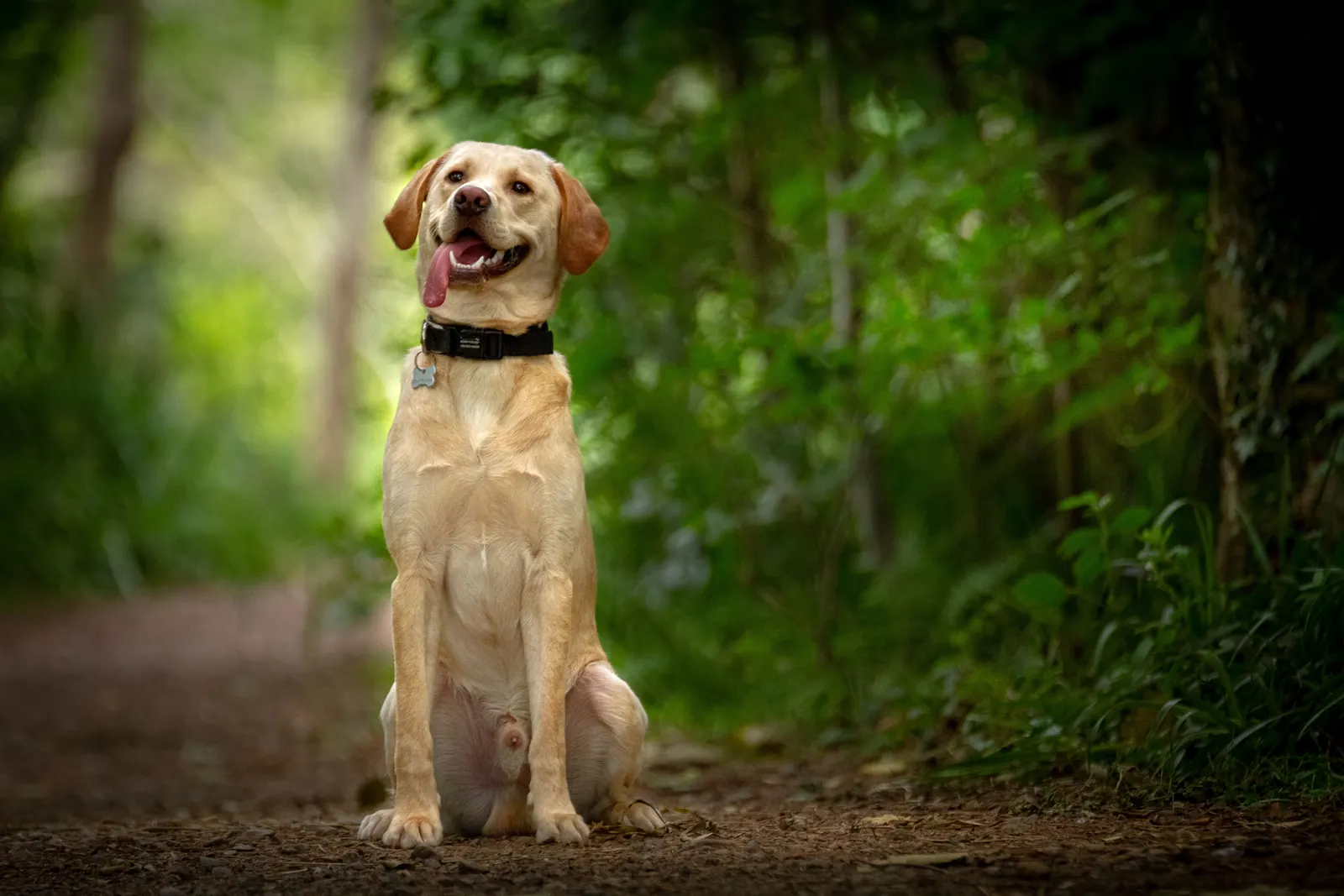
The Labrador Retriever is a friendly, energetic family dog that does well in Pakistan when it gets daily exercise in the cool hours, a measured diet and shade in summer. Labs come in yellow, black and chocolate, live about 11 to 13 years, and are among the most popular breeds in the world.
If you are still choosing a breed, start with our list of the best dog breeds for Pakistan.
Labrador quick facts
| Feature | Labrador Retriever |
|---|---|
| Height | Males 22.5 to 24.5 inches, females 21.5 to 23.5 inches |
| Weight | Males 65 to 80 pounds (about 29 to 36 kg), females 55 to 70 pounds (about 25 to 32 kg) |
| Life expectancy | 11 to 13 years |
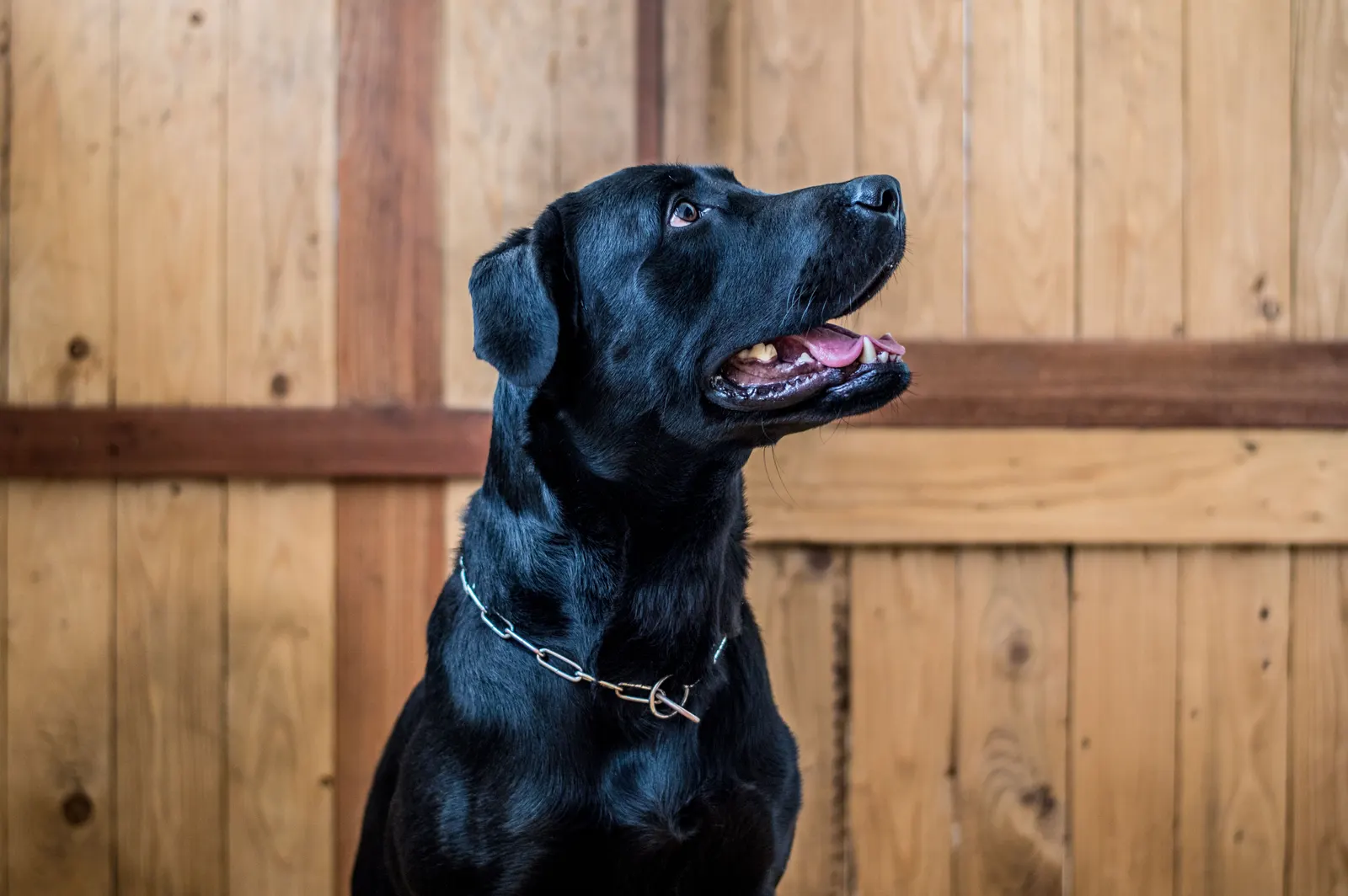
| Colours | Yellow, black, chocolate |
| Coat | Short, dense double coat that sheds |
| Origin | Newfoundland, developed further in Britain |
Where the Labrador comes from
Despite the name, the Labrador did not come from Labrador. The American Kennel Club traces it to Newfoundland, where it worked as a water dog for fishermen and retrieved ducks. English nobles took an interest in the early 1800s and the breed was shaped in Britain. Today Labs work around the world as guide dogs, search and rescue dogs and detection dogs.
Temperament and family life
Labs are outgoing and bond with the whole family. They usually get on with other dogs and with visitors, which makes them poor guard dogs but easy house dogs. They are clever and eager to please, so they learn quickly with reward based training. Start early: the AKC advises gently meeting many people, places and sounds between 7 weeks and 4 months of age. Our guide to dog training at home covers the basics.
Exercise in Pakistan's heat
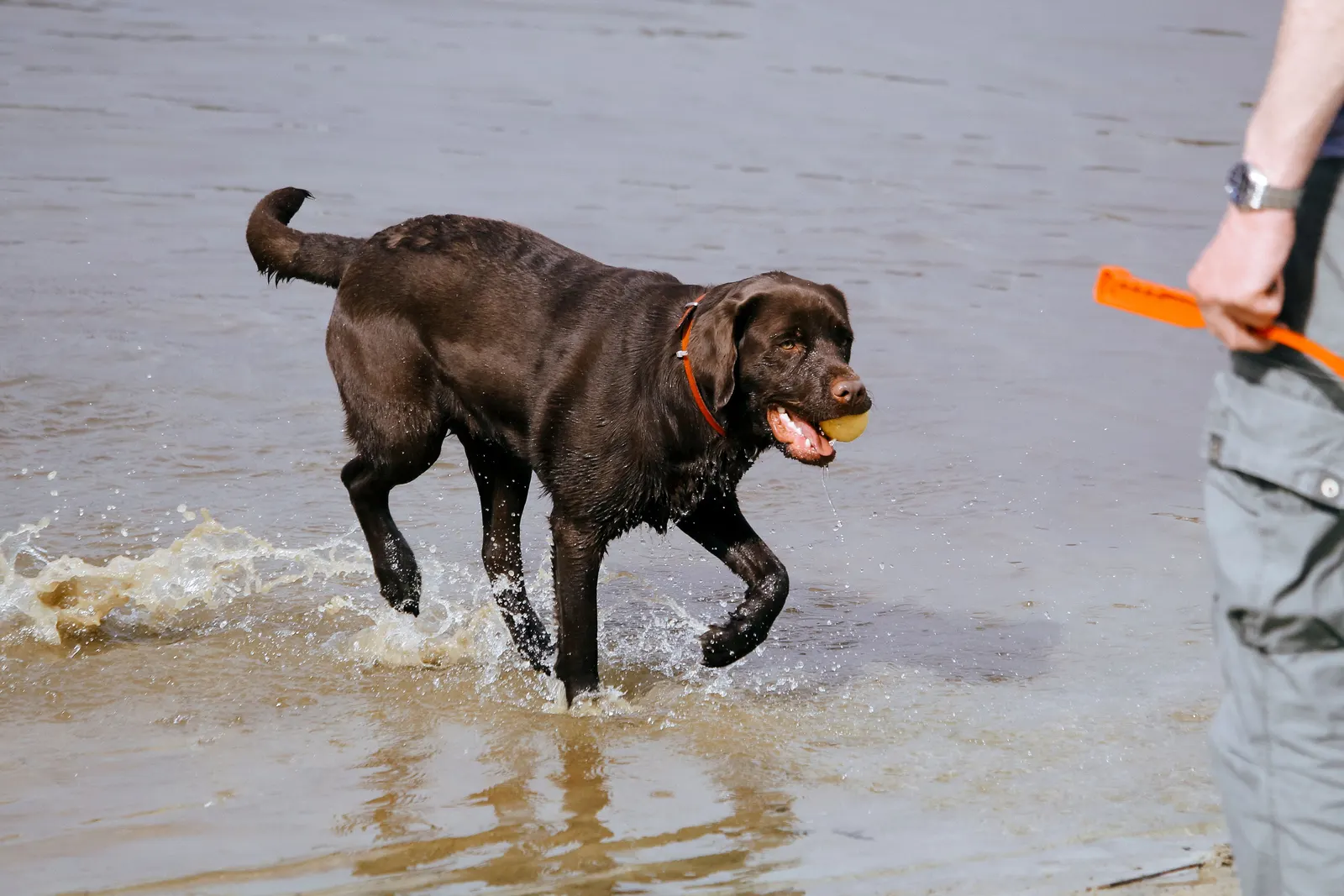
A Labrador needs a lot of exercise every day. A bored Lab chews, digs and jumps. Retrieving games and swimming are its favourite work.
In Pakistan the problem is the heat, not the dog. Studies by the Royal Veterinary College in London and Nottingham Trent University, based on UK vet records, found that walks, play and running caused about three quarters of heatstroke cases. Dogs heavier than average for their breed had almost one and a half times the risk.
- Walk at the right time. Early morning and after sunset in summer. Skip the walk on the hottest days and play brain games indoors.
- Water and shade. Fresh water all day and a cool floor to lie on.
- Know the danger signs. Heavy panting, drooling, wobbling, vomiting or collapse. Move the dog to shade, wet it with cool (not iced) water and go to a vet at once.
See our guide to keeping dogs cool in Pakistan's summer.
Food and weight
Labradors love food, and science explains part of it. Researchers at the University of Cambridge found that about 25 percent of Labradors carry a change in the POMC gene that makes them feel hungry all the time and burn fewer calories.
- Feed a complete dog food made for the dog's age: puppy, adult or senior.
- Weigh each meal instead of filling the bowl by eye.
- Take training treats out of the daily ration.
- You should be able to feel the ribs easily under a thin layer of fat.
Grooming
A Lab has a thick, water resistant double coat that sheds. Brush once or twice a week, bathe only when needed, trim the nails and brush the teeth often. Do not shave a Lab in summer. The AKC explains that the coat insulates against heat and protects the skin from sunburn.
Health checks
Labs are healthy overall, but the breed club asks breeders to test for:
- hip and elbow dysplasia,
- eye disease, including progressive retinal atrophy (PRA),
- exercise induced collapse (EIC) and centronuclear myopathy (CNM), both with DNA tests.
Like other large, deep chested dogs, a Lab can get bloat, where the stomach swells and can twist. A swollen belly with retching and nothing coming up is an emergency. Keep the dog vaccination schedule on time and find a vet near you in our clinics directory.
Choosing a Labrador puppy

- Meet the mother and see where the puppies are raised.
- Ask for the parents' hip, elbow and eye results and any DNA tests.
- Ask for the vaccination and deworming card.
- Never pay in advance for a puppy you have not seen. Read our guide to puppy scams online and to buying a puppy from a breeder.
When your puppy comes home, follow our puppy first week at home plan. You can browse Labradors for sale from sellers across Pakistan, or post a free ad if you are rehoming a Lab.


Frequently asked questions
Is a Labrador a good dog for Pakistan?
Yes, for a family that can give it daily exercise, company and a cool place in summer. Labs are friendly with people and other dogs. They do not suit a home where the dog is left alone all day or kept in the sun.
Can a Labrador live in Pakistan's hot weather?
Yes, with care. Keep it indoors or in deep shade in the hot hours, give fresh water all the time, walk only in the early morning and late evening, and never shave the coat. Heavy panting, weakness or vomiting in the heat is an emergency.
How long does a Labrador live?
The American Kennel Club gives a life expectancy of 11 to 13 years. Keeping a Lab slim is one of the best ways to help it reach that age.
What colours do Labradors come in?
Three colours are recognised: yellow, black and chocolate. Yellow runs from pale cream to fox red.
Do Labradors shed a lot?
Yes. A Lab has a thick, water resistant double coat that sheds. Brush it once or twice a week, more in the shedding season, and bathe only when needed.
Are Labradors good with children?
Labs are known for being gentle and patient with children, but a young Lab is big and bouncy. Teach children how to behave with the dog and never leave small children alone with any dog.
References
5
- American Kennel Club, Labrador Retriever: size, life expectancy, colours, origin in Newfoundland, exercise, socialisation, grooming, recommended health tests, bloat.
- University of Cambridge, A quarter of Labradors are hard-wired for obesity: POMC gene change in about 25 percent of Labradors.
- Royal Veterinary College, Flat-faced dogs at increased risk of heat stroke: 900,000 dog records, higher risk for dogs heavier than breed average.
- Royal Veterinary College, Excessive exercise responsible for three quarters of heatstroke cases in dogs: exercise as the main trigger.
- American Kennel Club, Should you shave your dog in the summer?: double coats insulate and protect from sunburn.