Sheep Breeds in Pakistan: Kajli, Lohi, Dumba and Qurbani Tips
Kajli, Lohi, Thalli, Damani and the Balochi dumba: Pakistan's main sheep breeds, dumba or chhatra, and how to choose a healthy sheep for Qurbani.
By Pets Bazar Editorial Team, Editors · Published · 5 min read
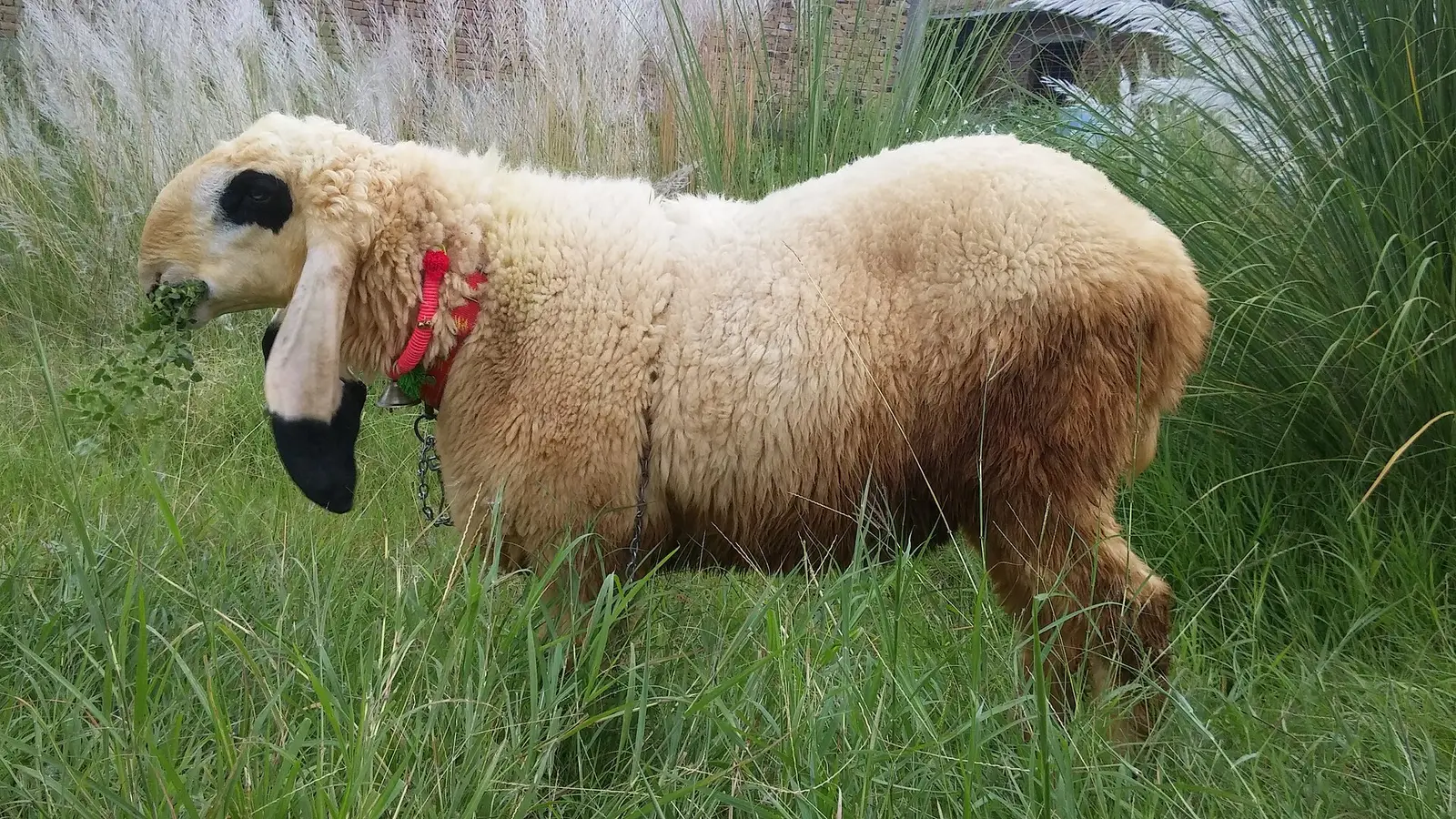
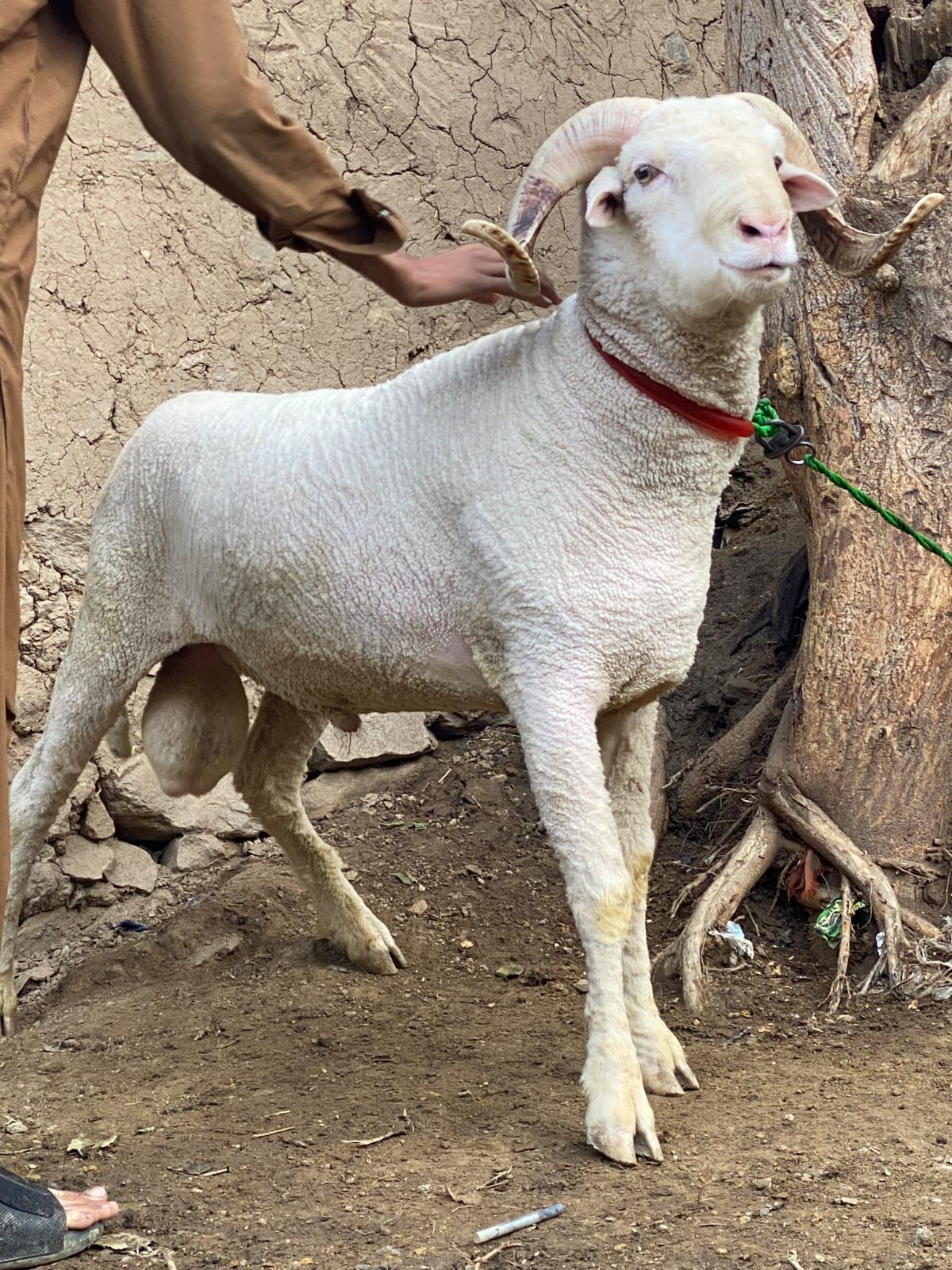
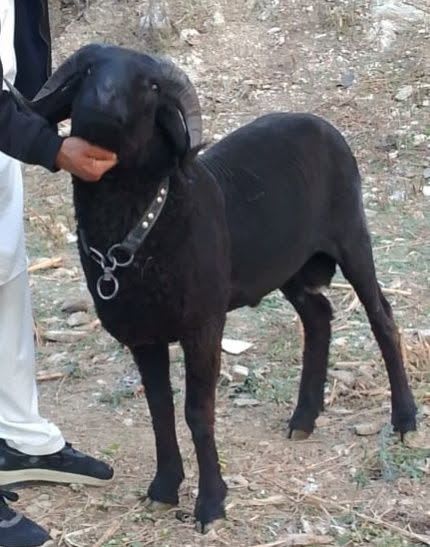
Pakistan's main sheep breeds are Kajli, Lohi, Thalli, Damani, Salt Range and the fat-tailed dumba breeds of Balochistan such as Balochi, Bibrik and Harnai. Kajli and Lohi are the largest sheep of Punjab and among the most sought after before Eid-ul-Adha. Any healthy sheep of the right age is valid for Qurbani, whatever its breed.
Sheep are part of daily life in rural Pakistan. They graze on stubble, desert scrub and mountain pastures, they give meat and wool, and every year families buy them for Qurbani. A sheep is often an easier choice than a goat or a share in a cow: it is calm, easy to handle and does not need much space.
This guide explains the main breeds, the difference between a dumba and a chhatra, and how to choose and look after a sheep for Eid.
The main sheep breeds of Pakistan
Researchers have recorded more than 25 local sheep breeds in Pakistan. Many animals at the mandi are crosses, so treat the regions below as where each breed is most common.
| Breed | Main area | Tail | Known for |
|---|---|---|---|
| Kajli | Sargodha, Khushab, Mianwali, Gujrat | Thin | Large and tall, black rings around the eyes |
| Lohi | Central Punjab, Faisalabad to Lahore | Thin | Large, Roman nose, very long drooping ears |
| Thalli | Thal desert: Bhakkar, Layyah, Muzaffargarh | Thin | Hardy in heat, Roman nose, long dark ears |
| Damani | Dera Ismail Khan and Bannu | Thin | Small to medium, white body, black or tan head |
| Salt Range | Salt Range: Jhelum, Attock, Rawalpindi | Fat | Punjab's only fat-tailed breed, tan head |
| Balochi | Quetta and Sibi areas | Fat | Black marks on head and legs, good wool |
| Bibrik | Sibi and Loralai | Fat | White body, black or brown head, raised for meat |
| Harnai | Loralai, Zhob, Quetta, Sibi | Fat | White body, spotted head and ears |
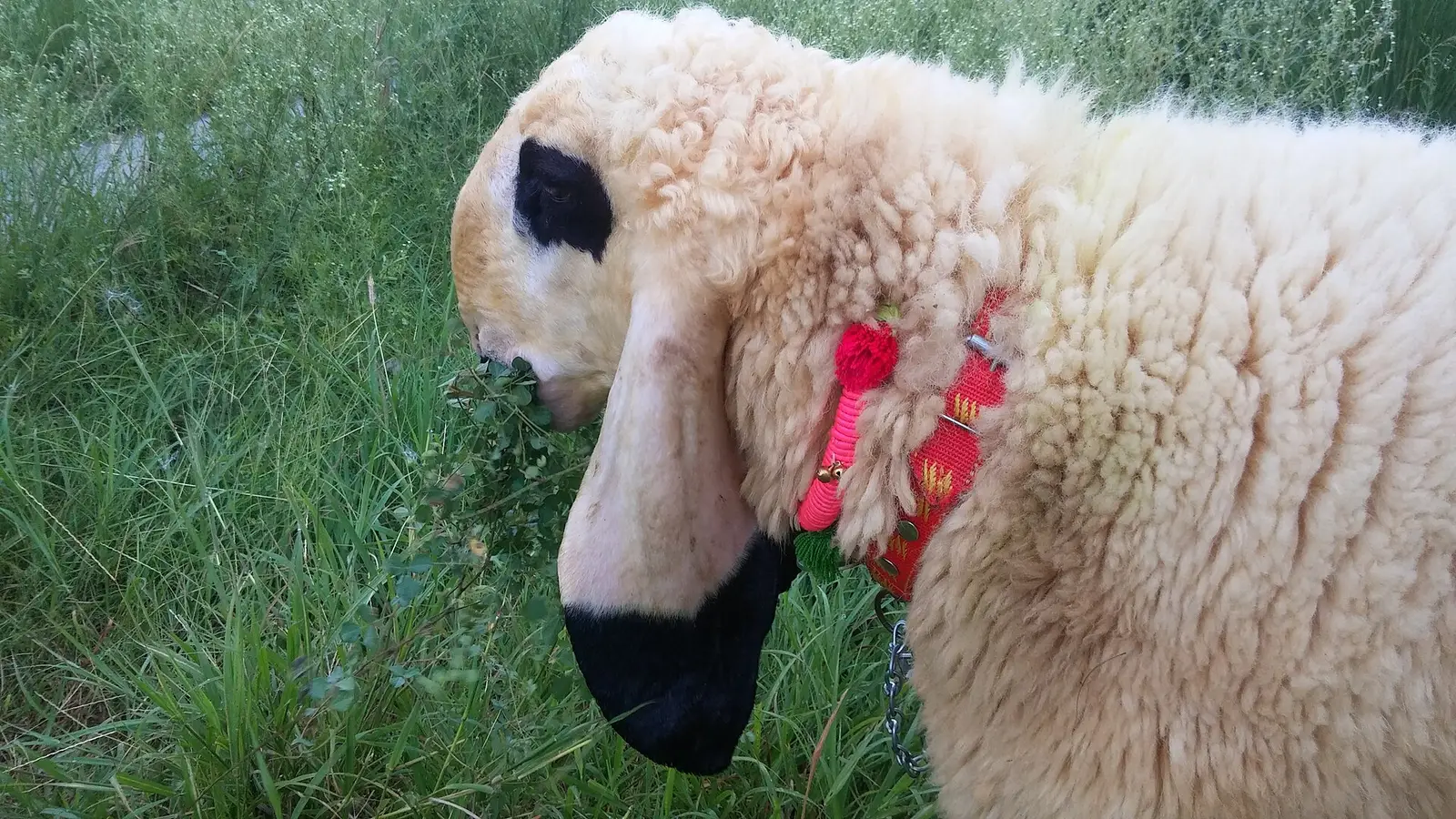
Kajli. Kajli is the prize sheep of Punjab. It is tall and heavy, with a white body, black rings around the eyes, a black upper lip and black on the outer part of the ears. The name comes from the eye rings, like kajal. A big Kajli chhatra draws a crowd at a Punjab mandi before Eid.
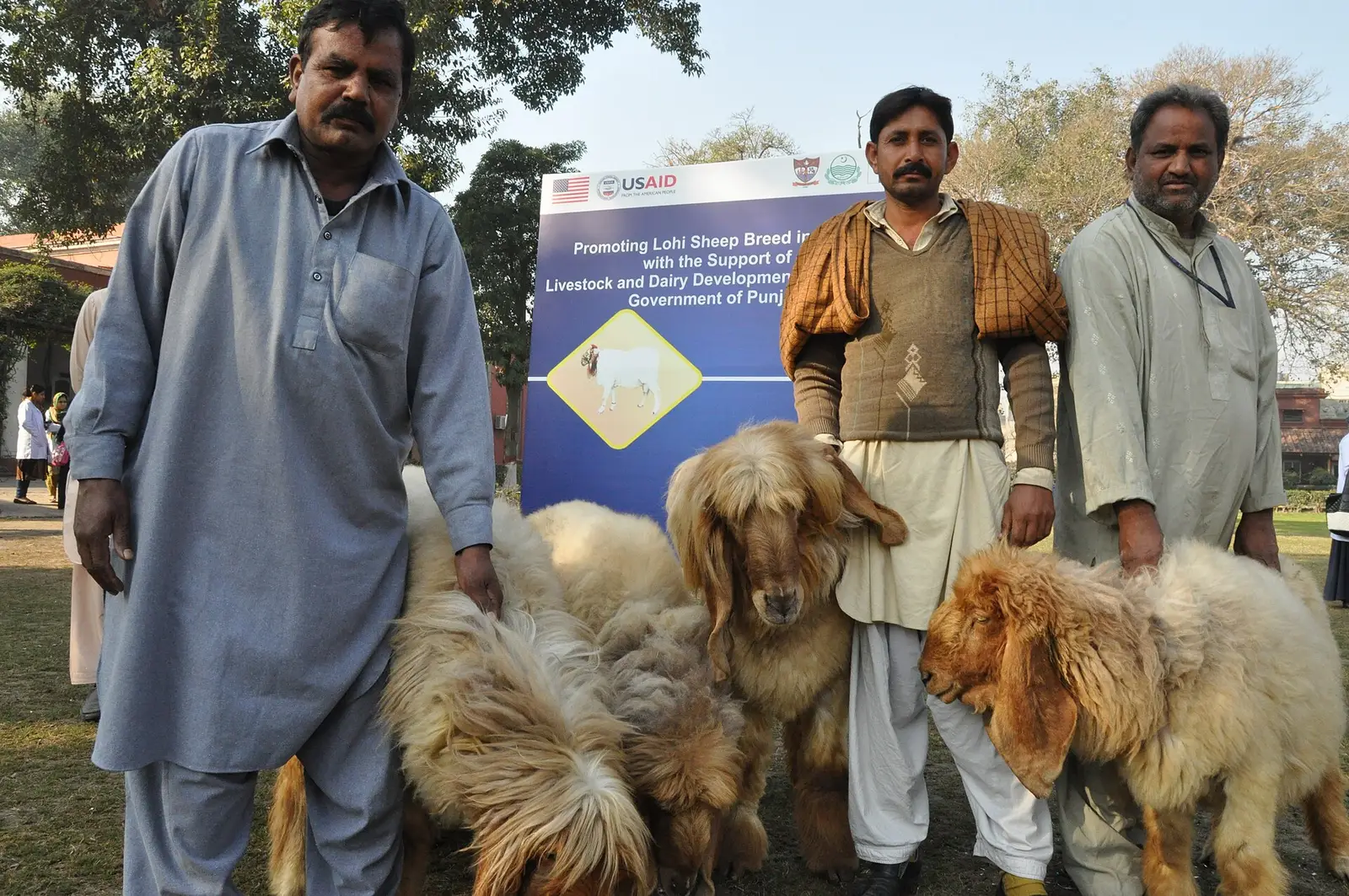
Lohi. Lohi is just as large and comes from the canal districts of central Punjab. Look for a Roman nose and very long drooping ears, often with small growths on them called parkan. It is kept for meat and for carpet wool.
Thalli and Damani. Thalli is a medium sized desert sheep that copes well with heat and sparse grazing. Damani is a smaller sheep from Dera Ismail Khan with a white body and a black or tan head.
Dumba or chhatra: what is the difference?
In everyday Urdu and Punjabi, a dumba is a sheep with a large fat tail and a chhatra is a sheep with a thin tail. The fat tail stores energy, which helps sheep in dry areas like Balochistan get through lean months. Balochi, Bibrik, Harnai and the Salt Range sheep are dumba breeds. Kajli, Lohi, Thalli and Damani are chhatras.
Both are sheep, and both are valid for Qurbani. The choice comes down to taste, budget and what is sold near you.
Choosing a sheep for Qurbani
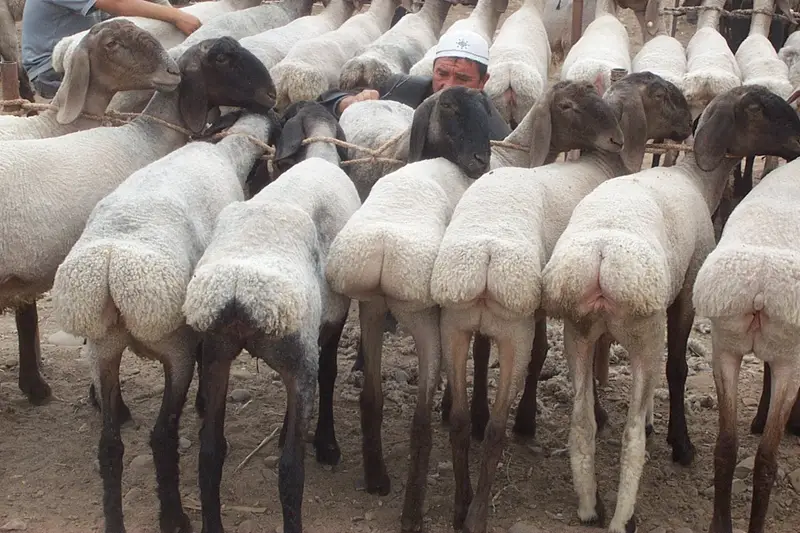
Age. Most people in Pakistan follow the Hanafi school, which asks for a sheep of at least one year. A sheep over six months old is also accepted if it is so well grown that it looks like a one year old. This allowance is for sheep only, not goats. Buyers often check for do daant, the first two permanent front teeth, which usually appear at around one to one and a half years.
Clear defects. The animal should not be clearly blind, clearly lame, clearly ill or extremely thin. In the Hanafi view, losing more than a third of an ear or of the tail also makes a sheep invalid, so check a dumba's tail carefully. If anything worries you, ask a scholar before you buy.
Looking after your sheep until Eid
Bring the sheep home a few days before Eid so it can settle. Keep it in shade with good airflow, because heat is hard on sheep, especially a heavy dumba. Give clean water at all times.
Ask the seller what the sheep was eating and keep to it. A sudden switch to rich grain can upset its stomach. Green fodder and dry straw are safer than buckets of grain.
Move the sheep in the cool hours, never lift it by its wool or tail, and keep children and dogs from chasing it.
Raising sheep beyond Eid
If you plan to keep a small flock, start with a few healthy animals of a breed that already does well in your area. Keep new sheep apart for a few weeks, and agree a vaccination plan with a local vet: diseases such as PPR, enterotoxaemia and foot and mouth disease are common in Pakistan. Deworm on the vet's advice, trim overgrown hooves, and shear wool breeds before the hot months. Clean water, dry bedding and steady feeding prevent more losses than any medicine. For a wider look at small ruminants, read our goat breeds guide. For larger animals, read our guide to cow breeds in Pakistan.
Buying a sheep on Pets Bazar
Browse sheep for sale in Pakistan or the Qurbani animals page, and filter by city to find sellers near you. Always see the animal in person before you pay, check its teeth and health, and read our safety tips before you meet a seller.
Frequently asked questions
Which sheep breed is best for Qurbani in Pakistan?
Any healthy sheep of the right age is valid for Qurbani, whatever its breed. In Punjab, buyers often choose Kajli and Lohi because they are large, and in Balochistan and Khyber Pakhtunkhwa a fat-tailed dumba is popular. Pick a sheep that is healthy, alert and well grown.
How old must a sheep be for Qurbani?
Most people in Pakistan follow the Hanafi school, which asks for a sheep of at least one year. A sheep over six months old is also accepted if it is so well grown that it looks like a one year old. This allowance is for sheep only, not goats. Ask your local scholar if you are unsure.
What is the difference between a dumba and a chhatra?
A dumba is a sheep with a large fat tail, such as the Balochi, Bibrik and Harnai breeds. A chhatra is a sheep with a thin tail, such as Kajli, Lohi, Thalli and Damani. Both are sheep, and both are valid for Qurbani.
What does do daant mean when buying a sheep?
Do daant means two teeth: the first pair of permanent front teeth. In sheep they usually appear at around one to one and a half years, so buyers use them as a sign that the animal has passed one year. Teeth vary between animals, so they are a guide, not proof.
Which defects make a sheep invalid for Qurbani?
The well known ones are clear blindness, a clear limp, clear illness and extreme thinness. In the Hanafi view, a sheep that has lost more than a third of an ear or of its tail is also not valid, which matters for a dumba. Ask a scholar about any defect you are unsure of.
How should I look after a sheep before Eid?
Keep it in shade with good airflow and clean water at all times, give it the same feed the seller used, and do not overfeed grain. Move it in the cool hours, never lift it by its wool or tail, and keep children and dogs from chasing it.