Laila: Maharaja Ranjit Singh's Horse That Cost 12,000 Soldiers
Laila, also written Laili, was Maharaja Ranjit Singh's most famous horse. How he won her from Peshawar, what she looked like and what became of her.
By Pets Bazar Editorial Team, Editors · Published · 6 min read
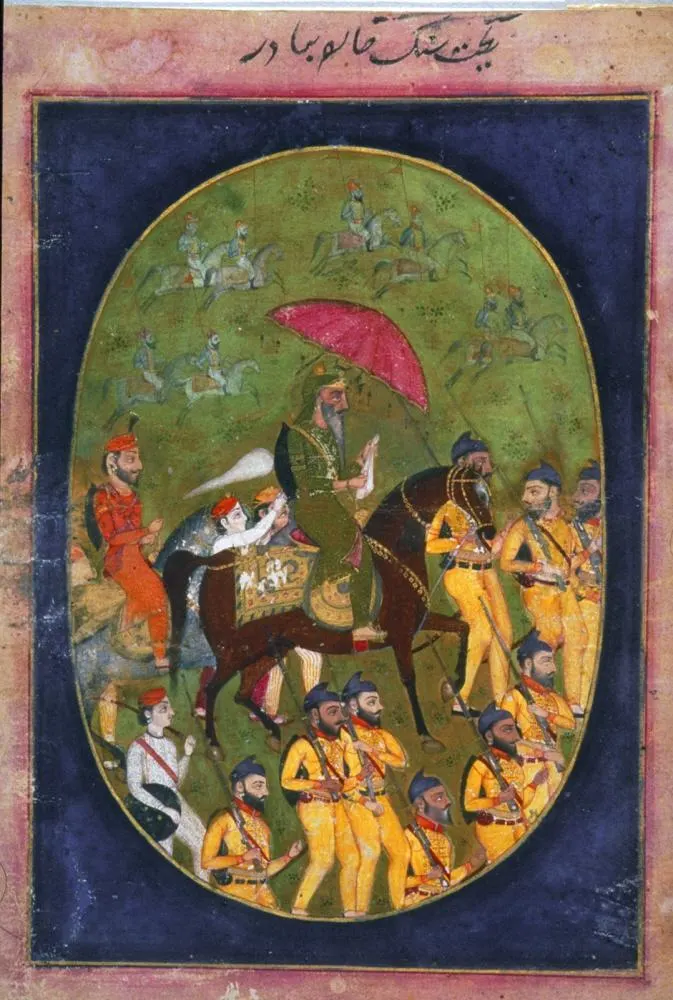
Maharaja Ranjit Singh's most famous horse was Laila, also written Laili or Leili. She came from Peshawar, and the ruler of Lahore spent about seven years and several campaigns trying to get her. By his own account she cost him 12,000 soldiers. Her story is told on both sides of the border, by Sikh, Muslim and British writers, and it says a lot about how much horses meant in the Punjab of the 1820s.
Who was Laila?
Ranjit Singh took Lahore in 1799 and ruled the Sikh Empire until his death on 27 June 1839. Visitors agree that he loved horses more than jewels. He kept large studs across the Punjab, gave his best horses names, and asked guests which of his horses they wanted to see.
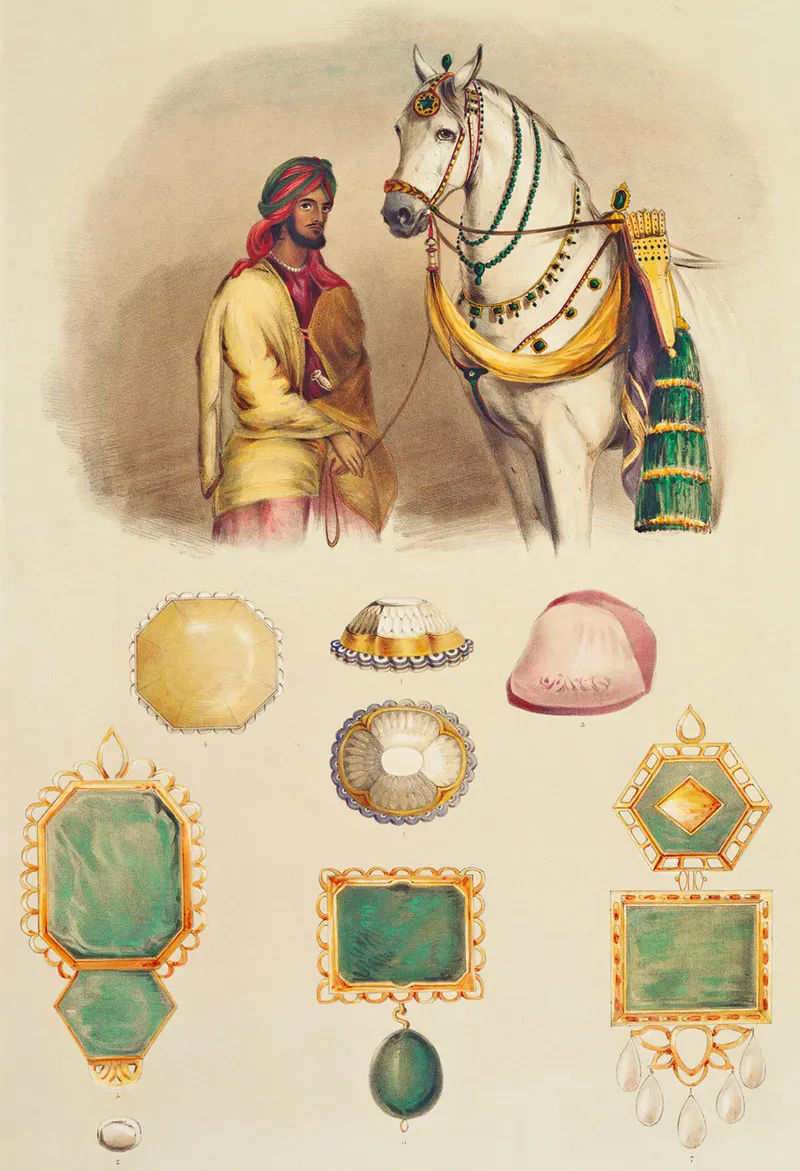
Laila belonged to Yar Muhammad Khan Barakzai, the governor of Peshawar, who paid tribute to Lahore. She was named after Laila, the heroine of the old love story of Laila and Majnun. She was famous for her beauty throughout Afghanistan and the Punjab, and later stories say even the Shah of Persia had tried to buy her.
How did Ranjit Singh get Laila?
Ranjit Singh heard of Laila in the early 1820s and asked for her. Yar Muhammad Khan saw giving her up as a matter of honour, and the request turned into years of demands, excuses and fighting. The main steps, as the 19th century writers tell them:
| Year | What happened |
|---|---|
| 1823 | Fakir Azizuddin, Ranjit Singh's minister, asks for Laila and is told she is not there |
| 1826 | A force under Budh Singh Sandhanwalia reaches Peshawar and is told Laila has died |
| Late 1820s | Prince Kharak Singh leads another force. Yar Muhammad leaves Peshawar rather than give her up |
| 1829 | Yar Muhammad Khan dies, and his brother Sultan Muhammad Khan takes over Peshawar |
| About 1830 | General Ventura holds Sultan Muhammad Khan in his own palace until Laila is handed over |
Two points are still argued over. Hügel was told that Yar Muhammad fell ill suddenly and died, while Lepel Griffin writes that he was killed fighting the forces of Syed Ahmad Barelvi. The court historian Sohan Lal dates the handover to October 1827, while most accounts place it at the end of the decade. W. G. Osborne, who visited Lahore in 1838, adds that the owner's young son was kept at the Lahore court until the horse was delivered.
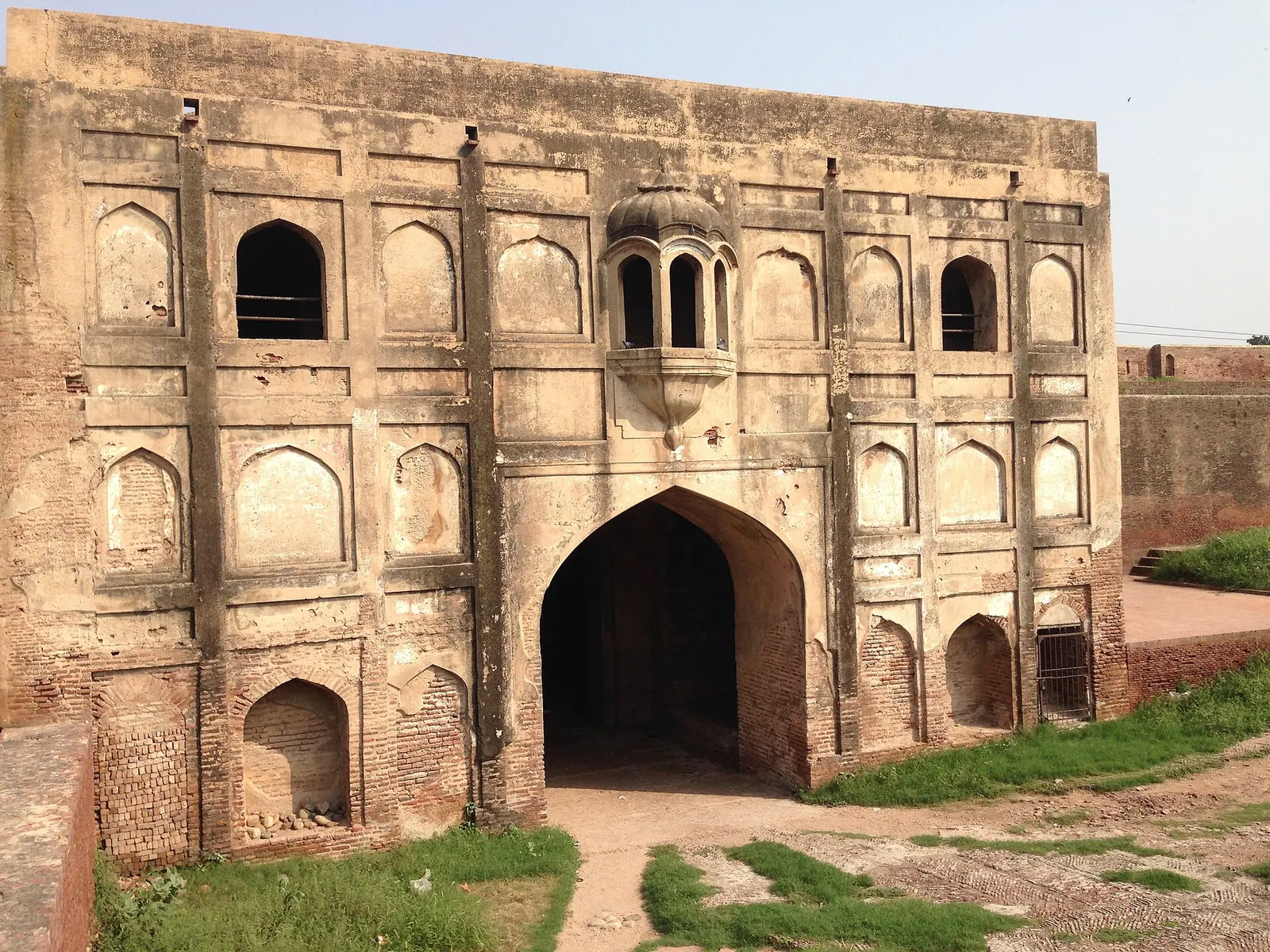
General Jean-Baptiste Ventura was an Italian officer who had served in Napoleon's army before joining Ranjit Singh. He took Laila to Lahore under a strong escort, and accounts say the Maharaja welcomed her with great celebration and rewarded the general.
What did Laila cost?
When the Austrian traveller Baron Charles von Hügel visited Lahore, Ranjit Singh reportedly told him that Laila had cost 60 lakh rupees and 12,000 soldiers, because several wars had been fought over her. Hügel recorded it in January 1836, and Lepel Griffin repeated it in his 1892 life of Ranjit Singh.
Read that as a ruler's boast, not a receipt. Osborne, writing two years later, put the cost far lower. The real cost was the fighting, and on that every account agrees.
What did Laila look like?
Hügel saw her on 22 January 1836 and rode her himself. He called her the finest horse the Maharaja owned. His description:
- Colour: dark grey with black legs.
- Height: a full sixteen hands, about 163 cm at the shoulder.
- Age: thirteen years old at the time.
- Dress: a splendid saddle and bridle, and gold bangles round the knees.
Later writers say Ranjit Singh dressed her in his finest jewels, even the Koh-i-Noor, on state occasions. Hügel saw the Koh-i-Noor the same week, set in an armlet, and does not mention it on the horse, so treat that story as tradition.
Was Laila a mare or a stallion?
This is the biggest puzzle in the story. Sikh records call Laila a mare, and the name is a woman's name. But Hügel, who rode the horse, and Osborne both wrote "he". Griffin also notes that at Ropar in 1831 a brown horse was shown as Laila, so even the European visitors were not sure they had seen the real one. Hügel says Ventura assured him the grey was the true Laila. We follow the popular story and call her a mare, but nobody can settle it today.
What happened to Laila?
In 1838 Ranjit Singh told Osborne the horse was very old and almost worn out. Early in 1839 the British officer William Barr saw Laila in the royal stables at Dinga, a speckled grey, overweight from too little exercise and limping on overgrown hooves. Ranjit Singh died that June.
Later stories say Laila was the last horse he rode and that she was buried with state honours. We could not find these details in the eyewitness accounts of the time, so treat them as tradition.
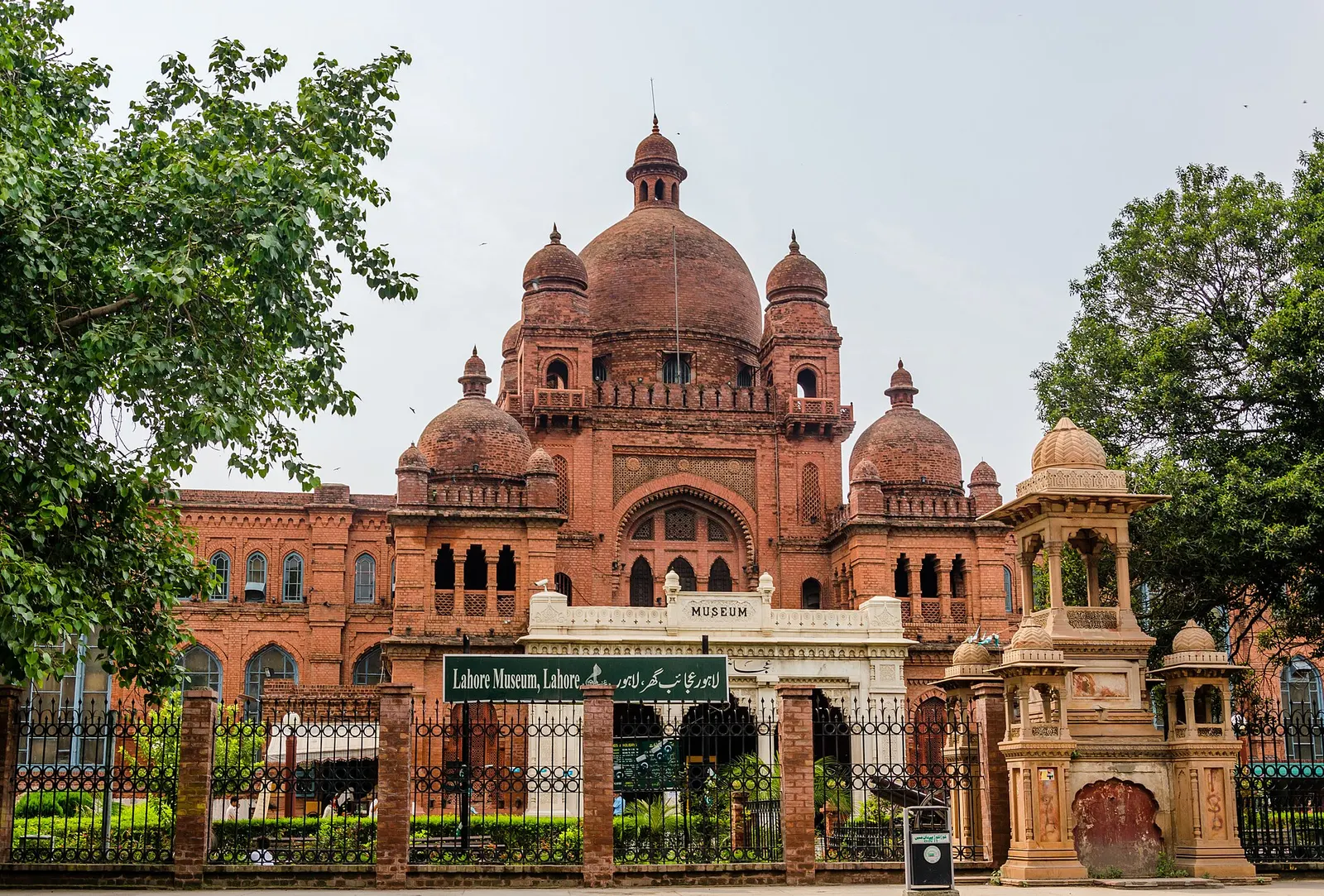
What happened to her body is less certain still. The writer Mustansar Hussain Tarar and the BBC Urdu report say a stuffed horse believed to be Laila was kept in Lahore, and Princess Bamba Sutherland, Ranjit Singh's granddaughter, died in Lahore in 1957. Her collection of paintings and objects from the Sikh court passed to the Government of Pakistan and is shown at Lahore Fort. We could not confirm that a stuffed Laila is on display today, so ask the Lahore Museum or the Lahore Fort before you go looking for her.
The horses of our region today
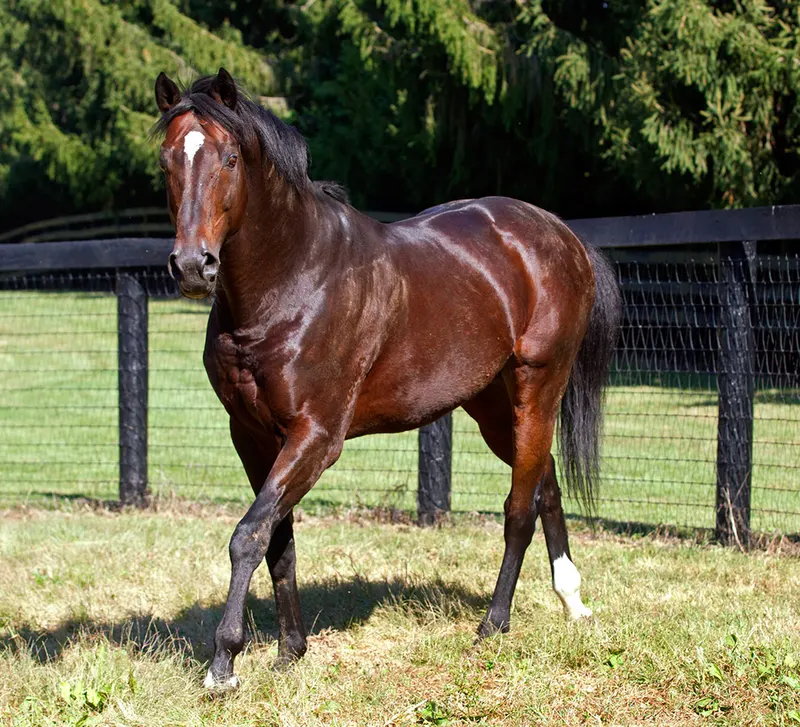
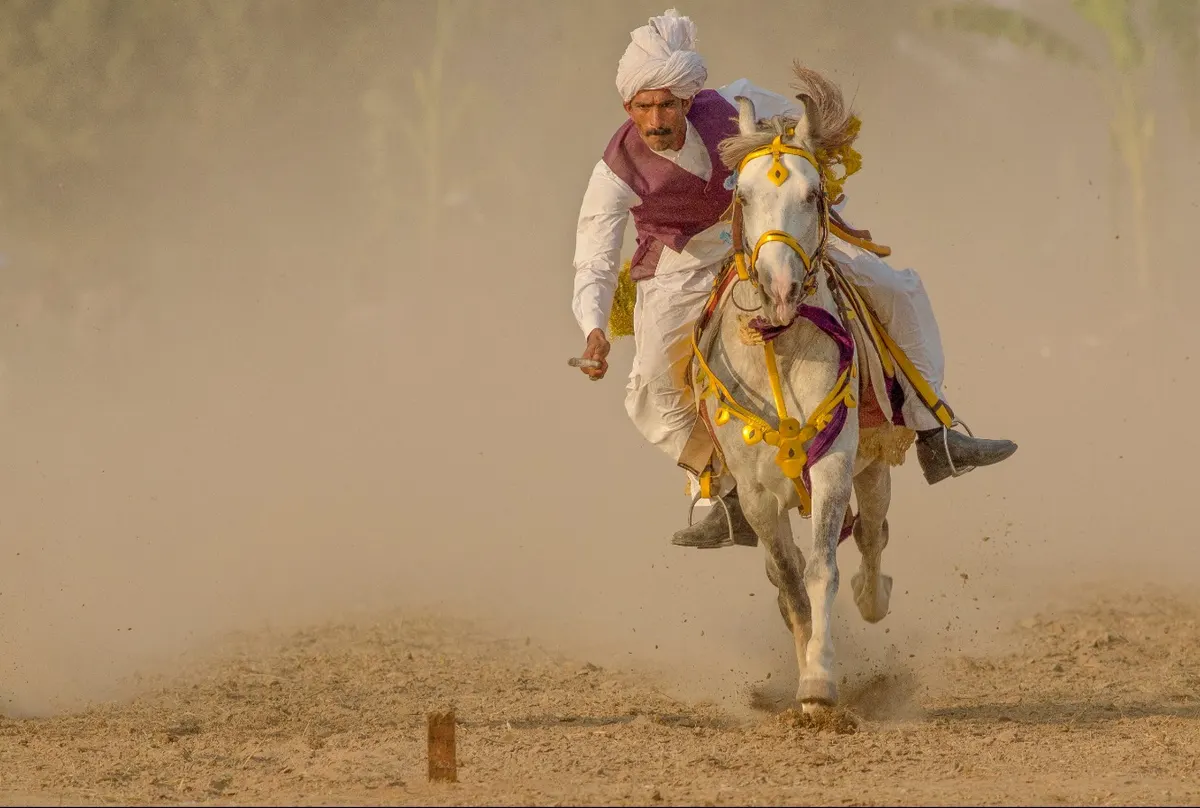
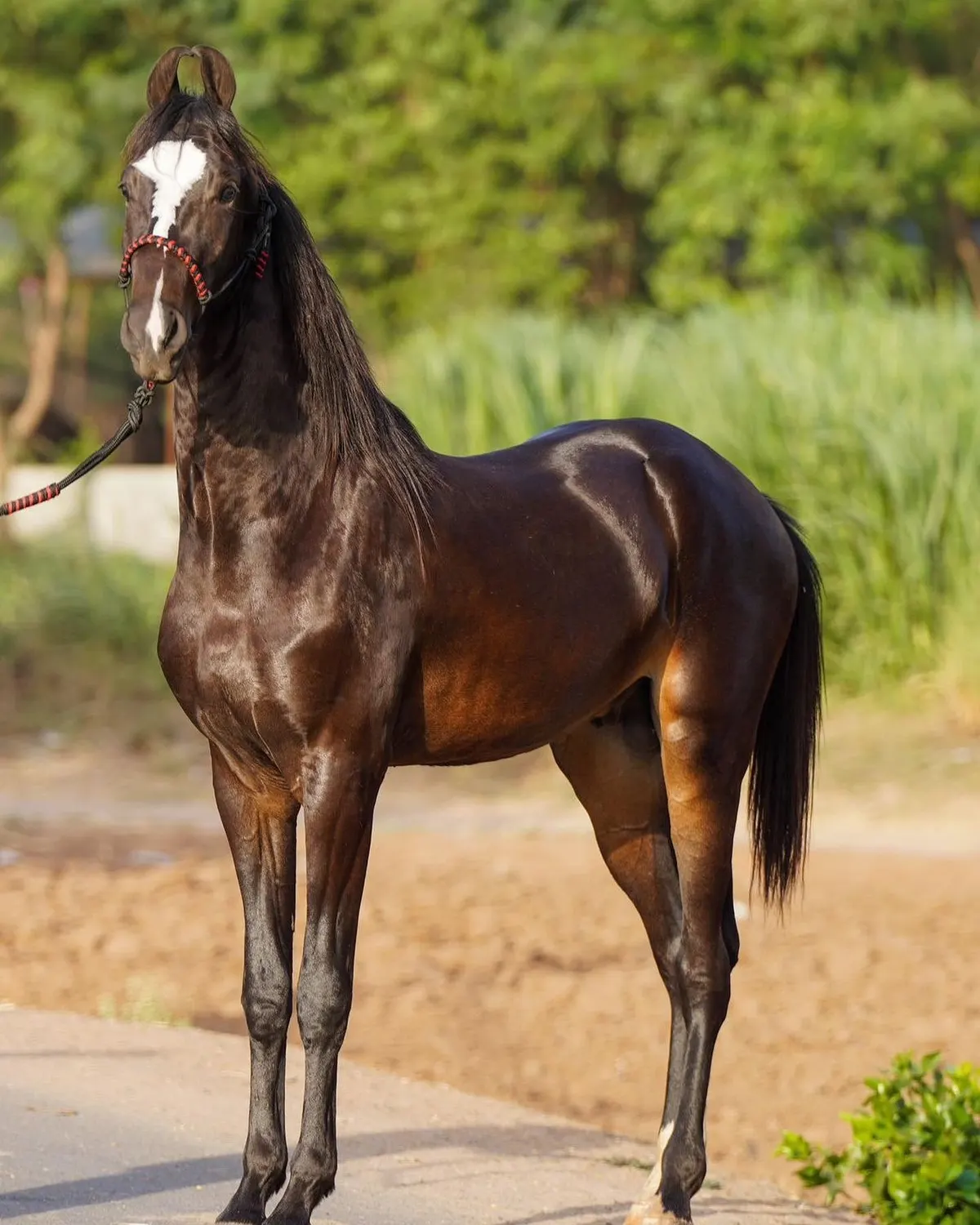
Laila was a prized riding horse of the Punjab, and the region still loves its horses. Read our guides to Pakistani desi horses, the Marwari horse and neza bazi horse breeds, or the story of Fusaichi Pegasus, the most expensive horse in the world. If you are looking for a horse, browse horses on Pets Bazar and see every horse in person before you agree a price.
Sources
- Baron Charles von Hügel, "Travels in Kashmir and the Panjab", English edition 1845, diary for 21 and 22 January 1836.
- W. G. Osborne, "The Court and Camp of Runjeet Sing", 1840.
- Sir Lepel Griffin, "Ranjit Singh", Rulers of India series, 1892.
- William Barr, "Journal of a March from Delhi to Peshawur and from thence to Cabul", 1844.
- Emily Eden, "Portraits of the Princes and People of India", 1844.
- The Encyclopaedia of Sikhism, Punjabi University Patiala, entry "Laili", read on 20 November 2026.
- Waqar Mustafa, BBC Urdu, report on Asp-e-Laila, 27 June 2020.
- Wikipedia, "Ranjit Singh" and "Bamba Sutherland", read on 20 November 2026.
Frequently asked questions
What was the name of Maharaja Ranjit Singh's horse?
His most famous horse was Laila, also written Laili or Leili. Ranjit Singh owned hundreds of fine horses, but Laila is the one remembered in Punjabi stories, Urdu histories and the accounts of European visitors to Lahore.
Who owned Laila before Ranjit Singh?
Yar Muhammad Khan Barakzai, the governor of Peshawar, who paid tribute to Lahore. After his death in 1829 his brother Sultan Muhammad Khan handed her over to General Ventura, who took her to Lahore.
How much did Laila cost Ranjit Singh?
Ranjit Singh reportedly told the Austrian traveller Baron Hügel that she had cost him a huge sum and 12,000 soldiers, because several campaigns were fought over her. It is his own boast, and other visitors gave lower estimates.
Was Laila a mare or a stallion?
Nobody can say for sure. Sikh records call her a mare, and the name is a woman's name. But Baron Hügel, who rode the horse, and W. G. Osborne both wrote of a male horse. The historian Lepel Griffin called the question a historical puzzle.
Is Laila's stuffed body in the Lahore Museum?
Some writers say a stuffed horse believed to be Laila was kept in Lahore, and pictures of a stuffed horse said to be Laila circulate online. We could not confirm that it is on display today, so check with the Lahore Museum or the Lahore Fort before you visit to see it.
What breed was Laila?
No reliable source records her breed. She came from Peshawar and was famous across Afghanistan and the Punjab, and Hügel describes a tall dark grey of about sixteen hands, which is about 163 cm at the shoulder.